

You’ve noticed your child seems to worry more than other kids. Maybe bedtime takes an hour because they’re anxious about tomorrow’s spelling test, a math quiz next week, and whether their teacher still likes them. Or perhaps they’re constantly asking for reassurance about things that haven’t happened yet and might never happen at all.
Here’s what you need to know: while all children worry sometimes, Generalized Anxiety Disorder (GAD) is different. It’s a mental health condition where excessive worry becomes the default setting, affecting daily life in ways that typical childhood anxiety doesn’t.
“I see parents who’ve been told their child is just ‘a worrier’ for years,” says Dr. Amanda Chen, a child psychiatrist in Seattle. “But when that worry starts interfering with sleep, school performance, friendships, or family activities, we’re looking at something that needs attention.”
GAD affects approximately 3-5% of children and adolescents in 2026, making it one of the most common childhood anxiety disorders. Unlike the normal worries that come and go with specific events, children with GAD experience persistent, hard-to-control anxiety about multiple things at once. They might worry about their performance at school, their health, family safety, being on time, or future events, often simultaneously.
The physical toll is real too. These kids frequently complain of stomachaches, headaches, or muscle tension. They may seem restless, tire easily, or struggle to concentrate because their minds are constantly racing.
Understanding whether your child’s anxiety crosses into GAD territory isn’t about labeling them. It’s about getting them the right support so that worry doesn’t steal their childhood. This article will help you recognize the signs, understand what GAD actually looks like in everyday moments, and know exactly what to do next.
What Is Generalized Anxiety Disorder in Children?
Generalized anxiety disorder is a real medical condition that goes far beyond the everyday worries all children experience. Medically defined, GAD involves excessive worry about multiple activities or events present more days than not for at least six months. When we talk about anxiety in childrenGAD represents the persistent end of the spectrum, where worry becomes so intense and pervasive that it interferes with normal childhood activities.
What makes GAD different from typical childhood anxiety is both the intensity and the scope. A child with GAD doesn’t just worry about an upcoming test or a new social situation. They worry about everything: whether they’ll miss the bus, if their parents are safe at work, whether they did their homework correctly even after checking it three times, if their friends still like them, whether something terrible will happen to their family. The worry jumps from topic to topic, often without any real trigger.
In children, GAD often looks different than it does in adults. While an adult with GAD might worry about finances, job security, or health issues, a child’s worries center on age-appropriate concerns taken to an extreme level. An eight-year-old might become physically ill every Sunday night dreading the week ahead, not because anything bad happened at school, but because of relentless “what if” thoughts they can’t turn off. A teenager might text their parents constantly throughout the day seeking reassurance that everything is okay, then find new things to worry about minutes after receiving that reassurance.
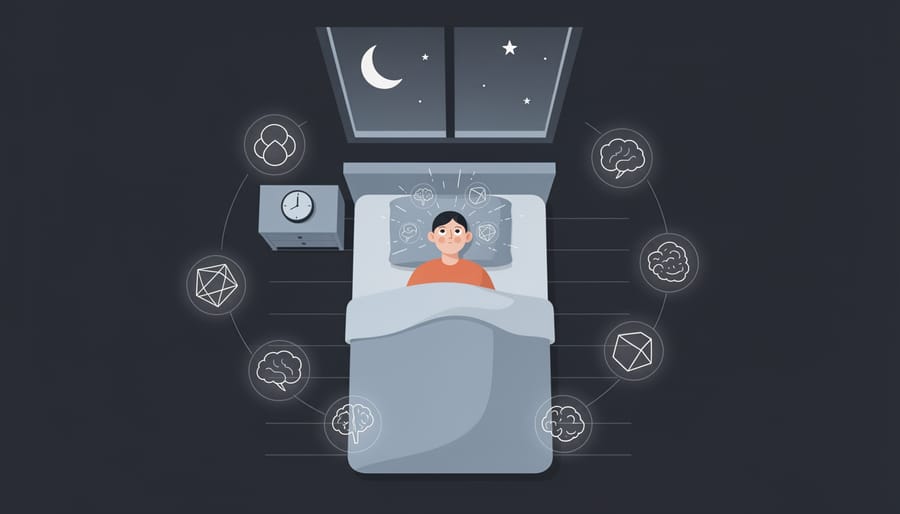
The physical toll is real. Children with GAD are often exhausted because their bodies are in a constant state of alert. They might have trouble falling asleep because their mind races, or wake up in the middle of the night with worries already spinning. Some become perfectionists, redoing homework repeatedly or melting down over minor mistakes because the anxiety convinces them that anything less than perfect will lead to catastrophe.
This is not about parenting. GAD is a recognized anxiety disorder with biological, psychological, and environmental factors. Your child isn’t choosing to worry excessively, and you didn’t cause this by being too protective or not protective enough. Their brain is genuinely processing worry signals differently, and they need support, not blame.
Understanding that GAD is a medical condition, not a character flaw or phase, is the first step toward getting your child the help they need. Recognition matters because effective treatments exist, and children with GAD can absolutely learn to manage their anxiety and thrive.
How Common Is GAD in Children and Teens?
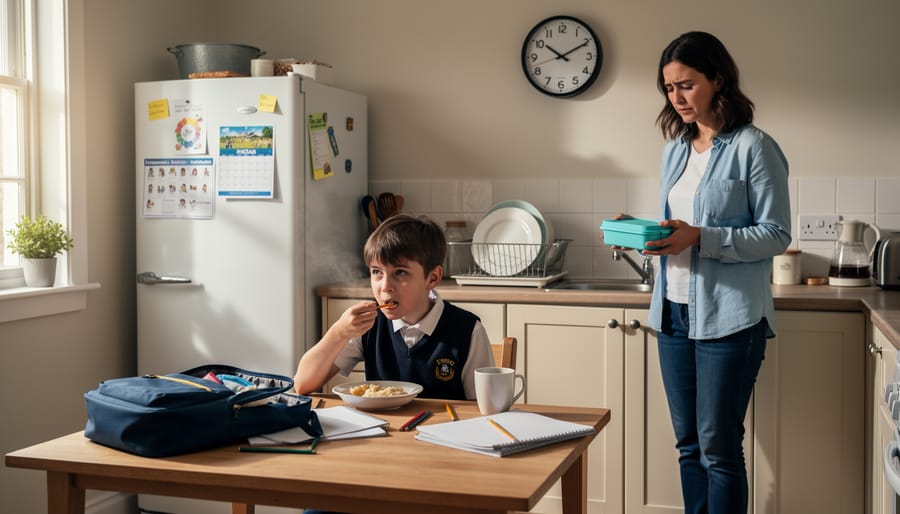
If you’re searching for answers about generalized anxiety disorder, you’re part of a much larger community of concerned parents. Research shows that in 2012, 8.7% prevalence in Canada among Canadians aged 15 and older reported symptoms consistent with GAD. That’s roughly one in every eleven teenagers and adults experiencing this level of persistent worry.
The numbers for children under 15 are harder to pin down because many kids don’t get formally diagnosed. Some worry in silence. Others express their anxiety through physical complaints that mask the underlying issue. Healthcare providers estimate that childhood anxiety disorders as a group affect between 10 and 20 percent of children at some point, with GAD being one of the most prevalent forms.
What’s shifted dramatically in 2026 is awareness. More parents now recognize that constant, excessive worry isn’t just a phase or a personality trait. Social media conversations about mental health, increased openness in schools, and better resources have helped remove some of the stigma that previously kept families from seeking help. Parents are Googling terms like “what is generalized anxiety disorder” not because anxiety is increasing, but because they’re finally equipped to name what they’re seeing.
The gap between how many children actually have GAD and how many receive diagnosis and treatment remains significant. Some parents dismiss persistent worry as normal childhood stress. Others don’t realize that physical symptoms like frequent stomachaches or sleep problems can signal anxiety. Many children, especially younger ones, lack the language to express what they’re experiencing internally, making it easy for GAD to fly under the radar until teenage years or even adulthood.
You’re not imagining it, and your child isn’t alone.
What Does GAD Look Like in Everyday Life?
The Difference Between Normal Worry and GAD
Every child worries. It’s completely normal for your eight-year-old to feel nervous before a spelling test, for your teenager to stress about an upcoming presentation, or for your preschooler to worry about thunderstorms. The question isn’t whether your child worries, it’s how much, how often, and whether it’s getting in the way of their life.
The key differences lie in four areas: intensity, duration, scope, and control. With typical worry, the concern matches the situation. Your child might feel anxious about a real upcoming event, but once it passes or you offer reassurance, they settle down. With GAD, the worry is excessive and out of proportion. Your daughter might spiral into panic about possibilities that are extremely unlikely, or your son might worry intensely about things he cannot change.
Duration matters too. Normal anxiety comes and goes. Anxiety disorders like GAD persist. If your child has been worried more days than not for months on end, that’s a signal.
Perhaps most telling is interference. Does the worry stop your child from doing things they need or want to do? Are they avoiding school, activities, or friends? Are family routines constantly disrupted? Is homework taking hours because of repeated checking and re-checking? When anxiety starts dictating daily life, including affecting why sleep matters so much for overall wellbeing, it’s moved beyond normal.
Finally, children with typical worry can usually be reassured and move on. Children with GAD struggle to control their worry even when they want to, even when you’ve answered the same question ten times.

Physical Symptoms Parents Often Miss
Your child complains of a stomachache every Monday morning before school. She visits the nurse’s office twice a week with headaches. He’s exhausted even after a full night’s sleep. You’ve been to the pediatrician multiple times, run tests, tried different foods, adjusted bedtimes, but the physical symptoms persist. What many parents don’t realize is that these complaints might not be physical problems at all. They’re often the body’s way of expressing anxiety.
Children’s bodies react to chronic worry in tangible ways. The same stress response that helped our ancestors escape danger now triggers physical symptoms when a child worries constantly about tests, friendships, or whether something bad might happen to their family. Stomachaches and headaches top the list, often appearing before stressful events or persisting without medical explanation. Muscle tension shows up as sore shoulders, clenched jaws, or unexplained aches. Some children can’t fall asleep because their minds won’t stop racing, while others wake repeatedly during the night.
Fatigue surprises many parents. A child sleeping ten hours might still drag through the day because anxiety is mentally and physically exhausting. You might also notice changes in appetite, frequent bathroom trips, dizziness, or even nausea. Younger children sometimes regress to thumb-sucking or bedwetting when anxiety overwhelms them.
The key pattern: these symptoms lack a clear medical cause, appear or worsen during times of stress, and often improve briefly during relaxed periods like summer break. If your child’s physical complaints persist despite normal test results, it’s worth considering whether anxiety might be the underlying culprit. Connecting these dots can finally lead to answers and the right support.
How Is GAD Diagnosed in Children?
If you’re wondering whether your child’s worry warrants professional attention, understanding how generalized anxiety disorder is diagnosed can ease some of that uncertainty. The good news is that the process is straightforward, compassionate, and designed to help, not to label or judge your child or your parenting.
Diagnosis is based on clinical criteria established by mental health professionals. There isn’t a single blood test or brain scan that can identify GAD. Instead, trained clinicians, typically pediatricians, psychologists, or psychiatrists, assess your child’s symptoms, their duration, and how significantly they interfere with daily life. They’re looking at the overall pattern: does your child experience excessive worry about multiple things, more days than not, for six months or longer?
The assessment process usually begins with your family doctor or pediatrician, who might use a brief screening questionnaire during a regular appointment. One common tool is the GAD-7 in primary care settings, which asks seven straightforward questions about anxiety symptoms over the past two weeks. If the screening suggests GAD, your doctor will likely refer you to a mental health specialist for a more thorough evaluation.
Here’s what typically happens during that comprehensive assessment:
- The clinician interviews both you and your child, asking detailed questions about worries, fears, physical symptoms, and how anxiety affects school, friendships, and family life.
- They’ll explore when the symptoms started, what makes them better or worse, and whether there are any triggering events or underlying medical conditions.
- They may ask your child to complete age-appropriate questionnaires or rating scales to gauge symptom severity.
- The professional will rule out other possible explanations, like another anxiety disorder, depression, ADHD, or a physical health issue, to ensure an accurate diagnosis.
- They’ll gather information from teachers or other caregivers who see your child in different settings, helping build a complete picture.
Your honesty during this process matters enormously. Share specific examples of your child’s worries and behaviours, even if they seem small or embarrassing. Clinicians have heard it all, and those details help them understand your child’s unique experience.
Most importantly, remember that seeking an evaluation isn’t about finding something wrong with your child. It’s about getting them the right support so they can feel better and thrive.
Treatment Options That Actually Help
Here’s the good news: effective treatments exist for childhood GAD, and children really do get better. Canadian clinical practice guidelines established in 2014 by experts in anxiety disorders reviewed decades of research and found multiple types of treatment that help kids manage and overcome excessive worry.
The gold standard treatment for childhood GAD is cognitive-behavioral therapy, often called CBT. This approach teaches children to recognize their anxious thoughts, question whether their worries match reality, and develop practical coping strategies. Unlike adult talk therapy, CBT for kids is interactive and age-appropriate, younger children might use games, drawings, or stories, while teens work more directly on thought patterns. Most importantly, CBT gives children tools they can use independently when worry strikes. Many kids see improvement within 12 to 16 weeks of regular sessions with a trained therapist.
Therapy doesn’t happen in isolation. The most effective approach involves the whole family. Parents often participate in sessions to learn how to support their child without accidentally reinforcing anxious behaviors. Teachers might receive strategies to help during school hours. This comprehensive support helps children practice their new skills across different settings, making the progress stick.
Medication sometimes plays a role, particularly when anxiety severely interferes with a child’s daily life or when therapy alone isn’t enough. Selective serotonin reuptake inhibitors are most commonly prescribed for childhood anxiety disorders. The decision to try medication is never taken lightly, it involves careful discussion between parents, the child (when age-appropriate), and healthcare providers about potential benefits and risks. Some families choose medication as a bridge to make therapy more effective, others use it long-term. Neither choice makes you a bad parent.
What matters most is finding a treatment approach that fits your child and your family. Some kids respond beautifully to therapy alone. Others need medication to dial down the anxiety enough to engage in therapy. Still others benefit from adding relaxation techniques, mindfulness practices, or exercise routines to their treatment plan. The path isn’t identical for every child, but the destination is the same: a kid who can manage worry instead of being controlled by it.
If your child’s healthcare provider suggests treatment, that’s a positive step, not a failure. You’re giving your child skills and support that will serve them throughout their entire life.
What Parents Can Do Right Now
You don’t need a formal diagnosis to start supporting your anxious child today. In fact, the most powerful help often happens at home, in the everyday moments when you respond to their worries with understanding instead of dismissal.
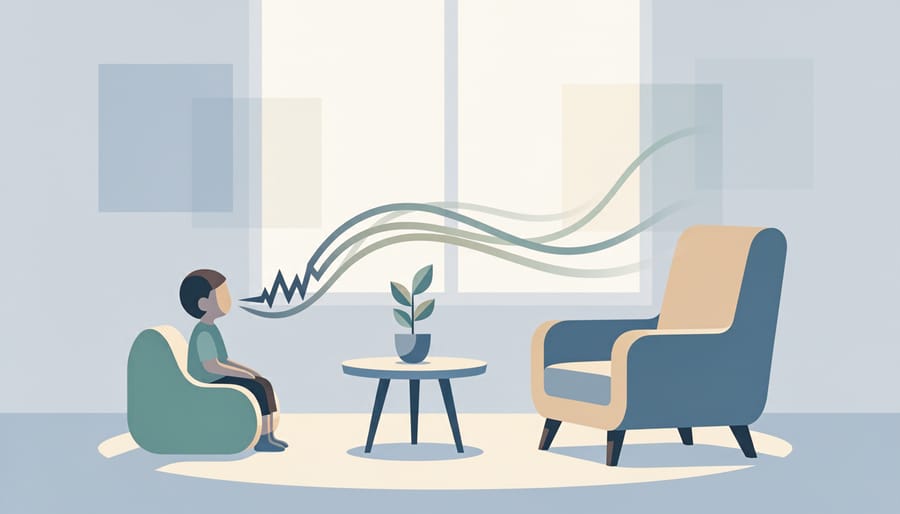
Start by validating their feelings without amplifying the fear. When your child says “I’m scared something bad will happen,” resist the urge to immediately reassure them that everything’s fine. Instead, try “I can see you’re really worried right now. That must feel overwhelming.” This simple acknowledgment tells them their feelings make sense, which paradoxically often helps the anxiety lose some of its grip.
Create a home environment where worry doesn’t dominate every conversation. Some anxious children will talk about their fears constantly if given the chance, which can actually reinforce the anxiety. Set aside a specific “worry time” each day, maybe 15 minutes after school, where your child can share all their concerns. Outside that window, gently redirect: “That sounds like a worry-time thought. Let’s write it down for later.” This teaches them that worry doesn’t have to control their whole day.
Here are strategies for anxiety you can implement immediately:
- Model healthy coping by talking through your own manageable worries out loud: “I’m nervous about my presentation, so I’m going to take three deep breaths.”
- Establish predictable routines for meals, bedtime, and morning transitions to reduce uncertainty.
- Encourage physical activity daily, which genuinely reduces anxiety symptoms.
- Limit exposure to news and social media that might fuel catastrophic thinking.
- Practice “worry postponement” by designating specific times to address concerns.
Know when to seek professional help. If your child’s anxiety interferes with school, friendships, or family life for more than a few weeks, or if they’re avoiding activities they once enjoyed, it’s time to talk to your pediatrician. You’re not overreacting. Early intervention makes a real difference.
Finally, take care of yourself. Parenting an anxious child is exhausting. You might feel guilty, frustrated, or overwhelmed by their constant need for reassurance. Those feelings are normal. You can’t pour from an empty cup, so protect your own mental health through whatever works for you, whether that’s talking to other parents, seeing a therapist yourself, or simply taking 20 minutes alone each day.
Your child needs you steady, not perfect.
Moving Forward: Hope and Healing
If you’ve made it this far, you’ve already taken the most important step: you’ve sought to understand what your child is experiencing. That alone shows the kind of caring, engaged parent your child needs right now.
Understanding what generalized anxiety disorder is doesn’t mean your child is broken or that you’ve failed. It means you’re equipping yourself with knowledge to help them navigate a very real challenge. The reality is that GAD is manageable. With proper support, children who struggle with excessive worry can learn skills that not only ease their anxiety but also build resilience that serves them throughout life.
The path forward isn’t always linear. There will be good days and hard days. Your child might make progress, then seem to slip backward. That’s normal. What matters is that you’re not walking this path alone, and neither is your child.
If you recognize your child in these pages, reach out to your healthcare provider. Start the conversation. Ask questions. The professionals who work with anxious children understand what you’re going through, and they have tools that genuinely help.
Your child’s constant worry doesn’t define them. It’s one part of who they are right now, and it’s a part that can improve. With understanding, compassion, and the right support, your child can thrive. They can learn to manage their anxiety rather than be controlled by it. That journey starts with exactly what you’re doing now: learning, understanding, and taking action.