

Stop before purchasing links from a private blog network for your children’s mental health blog. While the promise of quick SEO gains might seem appealing when you’re passionate about reaching struggling families, PBN links can permanently damage the trust and credibility your sensitive content desperately needs.
Understand that mental health resources for children carry an extraordinary responsibility. Parents searching for help during their most vulnerable moments need to trust that the information they find comes from legitimate, ethical sources. Google recognizes this critical need and applies stricter quality standards to health-related content through its YMYL (Your Money or Your Life) guidelines.
Recognize that PBN strategies directly contradict what makes mental health blogs successful: authentic connections, transparent expertise, and community trust. When Google detects manipulative link schemes—and their algorithms grow more sophisticated daily—penalties range from ranking drops to complete deindexing. Imagine families who rely on your resources suddenly unable to find your carefully crafted support articles.
Consider the real consequence: a parent desperately seeking information about their child’s anxiety or depression encounters a broken link or penalized site. That moment of failed connection matters deeply.
This article will guide you toward sustainable growth strategies that align with your mission of supporting children’s mental health. You’ll discover ethical methods that build genuine authority, create lasting community connections, and ensure your valuable resources reach the families who need them most—without risking everything you’ve built.
What PBN Links Actually Are (And Why They’re Everywhere)
If you’ve been researching ways to help more families find your children’s mental health blog, you’ve probably come across something called PBN links. The name sounds technical, but the concept is actually quite simple—though not in a good way.
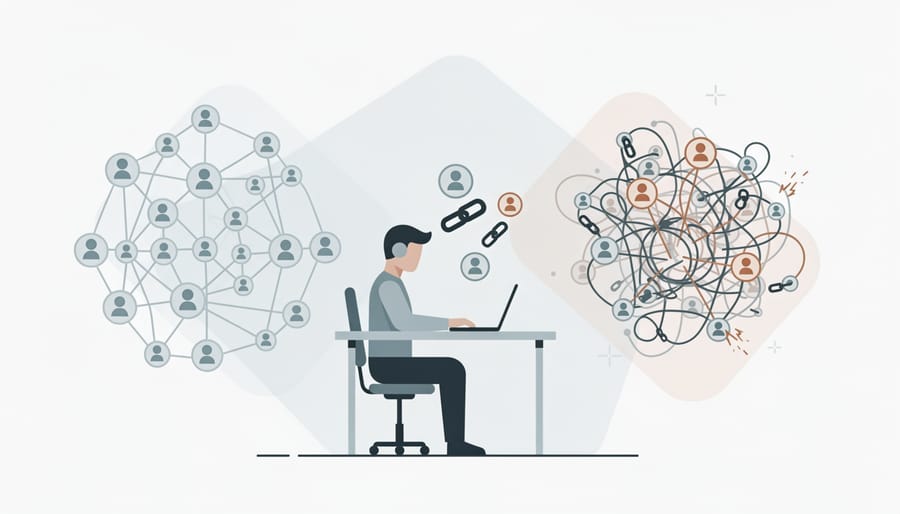
Think of a Private Blog Network like this: Imagine someone creates a neighborhood of fake houses. From the street, they look real enough, but nobody actually lives in them. These houses exist for one purpose—to point people toward a specific business and make it seem more popular than it really is.
That’s essentially what a PBN is in the online world. Someone builds or buys a collection of websites that look legitimate on the surface. These sites might appear to be about gardening, travel, cooking, or even parenting. But they’re not genuine resources created to help people. They exist solely to create links pointing back to other websites, artificially boosting those sites in search engine rankings.
Marketing companies heavily promote PBNs to niche bloggers like you because they promise something appealing: quick visibility without the slow work of building genuine relationships and creating consistent content. For someone running a children’s mental health blog—often as a passion project alongside other responsibilities—that shortcut can sound tempting.
The pitch usually goes something like this: “Get high-authority links instantly” or “Boost your rankings in weeks, not months.” These services understand that bloggers in specialized fields often feel invisible online, struggling to reach the families who desperately need their guidance.
But here’s what they don’t emphasize upfront: search engines like Google consider PBN links manipulative, and the consequences for getting caught can be severe—especially for websites offering health information.
The Hidden Risks That Put Your Credibility at Stake
Google Penalties That Make You Invisible When Families Need You Most
Imagine this scenario: A parent is searching at 2 a.m., desperate for information about their teenager’s anxiety symptoms. They’ve found your blog before and trust your guidance. But tonight, when they need you most, your site has vanished from search results.
This is the devastating reality of Google penalties. When Google’s algorithms detect a Private Blog Network, they don’t send a warning first. Your site can be demoted from page one to page ten overnight, or worse, completely de-indexed from search results. One day you’re helping thousands of families; the next day, you simply don’t exist online.
Algorithm penalties typically fall into two categories: manual actions, where a human reviewer identifies violations, and automated penalties triggered by Google’s sophisticated detection systems. Both can be catastrophic for mental health resources. Recovery isn’t quick either. Even after removing problematic links, it can take months to regain lost rankings, if recovery happens at all.
Consider the ripple effect. A teacher searching for resources to support a struggling student won’t find your evidence-based strategies. A healthcare professional looking for family education materials will land on less reliable sources instead. Parents in crisis moments will encounter unvetted information when they desperately need your expertise.
The stakes are simply too high. When families are searching for mental health guidance, they’re often in vulnerable moments. Your visibility isn’t just about traffic numbers—it’s about being present when someone needs support most. Google penalties don’t just hurt your blog; they create gaps in the support system when families can least afford them.
The Trust Factor: Why Parents Research Your Background
When you’re searching for guidance about your child’s mental health, trust isn’t just important—it’s everything. Most parents approach mental health information with a healthy dose of caution, and rightfully so. You’re not just looking for advice; you’re seeking resources that could genuinely impact your child’s wellbeing.
Today’s parents are surprisingly savvy researchers. Before trusting any mental health resource, many investigate who’s linking to the site, check author credentials, and look for signs of authenticity. This detective work has become second nature in an age where misinformation spreads quickly.
Here’s something important to understand: unnatural link patterns—like those created by Private Blog Networks—actually trigger alarm bells for careful readers. When a mental health blog suddenly has dozens of links from seemingly unrelated websites, or when those linking sites feel generic and impersonal, parents notice. It creates an uncomfortable feeling that something isn’t quite right.
Think about how you evaluate information when your child’s health is at stake. You probably look for consistent, genuine engagement from real communities. You want to see authentic recommendations from other parents, references from reputable healthcare organizations, and content that demonstrates real expertise and compassion.
Artificial linking schemes do the opposite—they create a facade of authority without the substance behind it. For mental health resources specifically, this disconnect between appearance and reality can be particularly damaging. Parents who discover manipulative tactics behind a resource they initially trusted often feel betrayed, and understandably so.
The relationship between mental health content creators and families must be built on genuine transparency. When the foundation includes shortcuts and artificial credibility boosters, it undermines the very trust that makes mental health support effective.
Ethical Concerns You Can’t Ignore in Mental Health Content
When you create content about children’s mental health, you’re not just running a blog—you’re holding space for vulnerable families seeking genuine help during difficult times. This sacred responsibility makes the conversation about PBN links particularly important from an ethical standpoint.
Think about the parent who finds your article at 2 a.m., worried about their child’s anxiety or depression. They’re placing their trust in you, believing your site represents a credible resource. When you use deceptive SEO tactics to artificially boost your rankings, you’re essentially saying that traffic numbers matter more than the integrity of the help you’re providing.
Mental health advocacy is fundamentally about authenticity and trust. We work tirelessly toward reducing stigma by encouraging open, honest conversations about emotional struggles. How can we ask families to be vulnerable and authentic if our own methods lack transparency? The contradiction becomes impossible to ignore.
Consider also the healthcare professionals and educators who might reference your content. They need to trust that the information they’re sharing with families comes from legitimate sources. If they discover your site gained visibility through manipulative tactics rather than quality content, it damages not just your credibility but potentially their professional reputation as well.
There’s also the broader community impact. Every time someone uses black-hat SEO in the mental health space, it erodes public confidence in online mental health resources. This makes it harder for all legitimate advocates to reach families who desperately need support.
The families you’re trying to serve deserve better. They deserve content that reaches them because it genuinely helps, not because it gamed an algorithm. Your mission to support children’s mental health should extend to how you build your platform—with the same care, honesty, and integrity you bring to your content itself.
What Actually Works: Building Trust the Right Way
Creating Content That Mental Health Professionals Want to Share
The most sustainable way to grow your children’s mental health blog is by creating content that professionals naturally want to reference and share. When you focus on genuine value rather than artificial link schemes, you build credibility that supports families seeking trustworthy resources.
Start by developing comprehensive guides that address specific concerns parents frequently search for. For example, a detailed resource on helping children cope with anxiety during school transitions or navigating grief conversations can become a go-to reference for therapists sharing resources with families. Include practical worksheets or checklists that professionals can recommend to their clients.
Research summaries make complex studies accessible to busy parents and educators. When you translate recent findings into actionable insights—like explaining how play therapy helps trauma recovery or what studies reveal about screen time and emotional regulation—mental health professionals appreciate having credible sources to share with their communities.
Parent toolkits that bundle information, coping strategies, and conversation starters around topics like depression warning signs or building emotional resilience naturally attract backlinks. These comprehensive resources save professionals time while ensuring families receive accurate, compassionate guidance.
Consider creating infographics that simplify complex concepts or interview child psychologists who can share expert perspectives on trending concerns. When your content genuinely helps families and supports the work of mental health professionals, links follow naturally as practitioners discover and recommend your resources. This organic growth honors the trust families place in your blog while building lasting authority in the mental health community.
Building Genuine Partnerships with Schools and Healthcare Providers
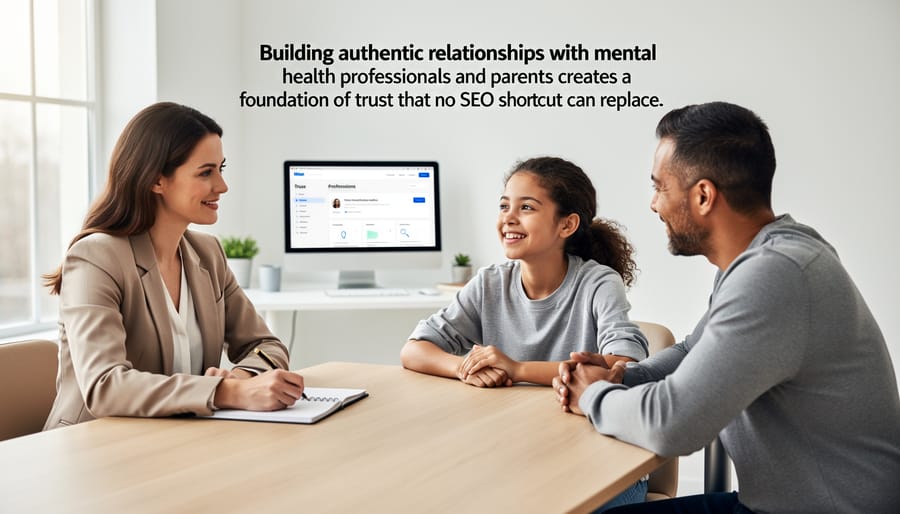
Creating meaningful connections with schools and healthcare providers forms the foundation of ethical link-building for children’s mental health content. Unlike manipulative PBN tactics, these relationships develop naturally when you prioritize genuine value over quick wins.
Start by becoming a trusted resource rather than asking for anything in return. Attend school board meetings, parent-teacher conferences, and community health events where educators and practitioners gather. Share your expertise generously through free workshops on topics like childhood anxiety or digital wellbeing. When you demonstrate real commitment to helping families, institutions notice.
Reach out to school counselors and pediatricians with helpful resources they can actually use with families. Create downloadable guides, tip sheets, or evidence-based activities that address challenges they see daily. When your content makes their work easier, they naturally want to share it with parents and colleagues.
Consider building authentic partnerships through collaborative content. Interview school psychologists about seasonal mental health challenges or partner with pediatric clinics on mental health awareness campaigns. These collaborations create opportunities for mutual promotion and authentic links.
When establishing genuine school partnerships, remember that institutions move slowly and carefully protect their reputations. Be patient. Demonstrate consistency over months, not days. Share their initiatives on your platforms without expecting immediate reciprocation.
One child therapist built relationships with twelve local schools by offering free parent education sessions quarterly. Within eighteen months, every school linked to her blog as a trusted resource. This approach takes time, but creates sustainable authority that search engines reward and families actually trust.
A Real Story: When Shortcuts Nearly Destroyed a Mental Health Resource
Sarah started her blog with the purest intentions. After her daughter’s anxiety diagnosis, she wanted to create a space where other parents could find comfort and practical advice. For two years, she poured her heart into every post, sharing what she’d learned and connecting families with helpful resources.
When her blog’s traffic plateaued, a marketing consultant promised her a quick solution: a network of established websites that would link to her content, boosting her search rankings overnight. The price seemed reasonable, and Sarah trusted that more visibility meant helping more families. She said yes.
Within weeks, her traffic did increase. Sarah felt validated. But three months later, everything changed. Her blog’s rankings suddenly plummeted. Parents who had bookmarked her articles found error messages. Her carefully built community couldn’t find her anymore.
Google had penalized her site for unnatural links. The “established websites” weren’t real resources at all, just empty shells created solely for manipulating search results. Sarah felt devastated, not just because of lost traffic, but because families in crisis couldn’t access the support she’d created for them.
The recovery took eight months. Sarah had to disavow hundreds of toxic links, rebuild her site’s reputation, and explain the situation transparently to her community. She learned that sustainable growth meant guest posting on legitimate parenting sites, collaborating with child psychologists, and being patient with organic reach.
What hurt most wasn’t the setback itself, but realizing she’d unknowingly compromised the trust parents had placed in her. Mental health resources carry a special responsibility. Families searching for help in vulnerable moments need to know the information they find is credible and the site hosting it operates with integrity.
Today, Sarah’s blog thrives again, but she shares her story openly. She wants other well-meaning creators to understand that shortcuts in this space don’t just risk rankings; they risk failing the families who need reliable support most. Her message is simple: building trust takes time, and that time is worth it.
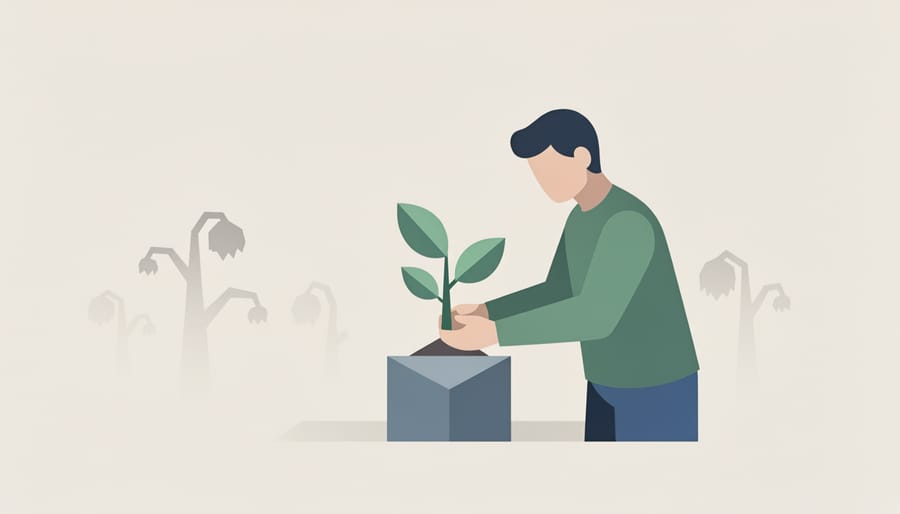
When your passion is helping families navigate the complex landscape of children’s mental health, every decision you make for your blog should reflect that commitment. The families who find your content are often in vulnerable moments—searching for guidance, reassurance, and trustworthy information during challenging times. They deserve a foundation built on authenticity, not algorithmic manipulation.
While the temptation to accelerate your blog’s growth is understandable, shortcuts like PBN links ultimately undermine everything you’re working to build. These tactics risk Google penalties that could make your valuable resources invisible to the families who need them most. More importantly, they compromise the trust that is absolutely essential in the mental health space.
Instead, focus your energy on ethical growth strategies that honor both your mission and your audience. Build genuine relationships with other professionals in your field. Create content that truly serves the parents, teachers, and healthcare providers seeking your guidance. Engage authentically with your community and watch as organic connections naturally expand your reach.
Sustainable growth takes patience, but it creates something far more valuable than quick rankings—it builds a lasting resource that families can depend on. Your dedication to supporting children’s mental health deserves a digital presence that reflects the same integrity you bring to your content. Choose the path that allows you to serve your community with confidence and pride, knowing your foundation is solid and your impact is real.