What Is Parental Involvement and How Does It Support Student Mental Health?
You’ve crossed into overinvolvement when your actions prevent your child from developing independence, solving problems, or experiencing age-appropriate…
Ontario Guidance for Parents
Browsing Category
Covers the impact of school experiences on mental health, including bullying, academic pressure, and fostering supportive educational environments.
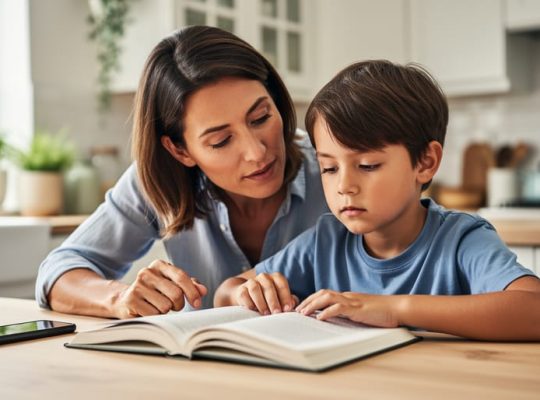
You’ve crossed into overinvolvement when your actions prevent your child from developing independence, solving problems, or experiencing age-appropriate…
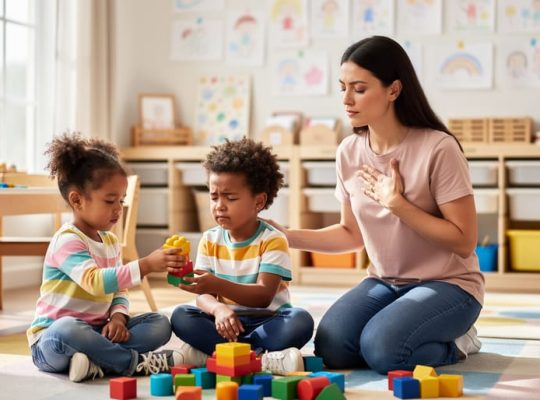
When your three-year-old shares their toy with a crying classmate or your preschooler takes deep breaths to calm down after a disappointment, you’re witnessing social emotional learning in action. These aren’t just sweet moments—they’re critical building blocks for your child’s lifelong mental health, academic success, and relationships.
Social emotional learning, or SEL, teaches young children five essential skills: recognizing and managing their feelings, setting positive goals, showing empathy for others, building healthy relationships, and making responsible choices. While these might sound like complex…
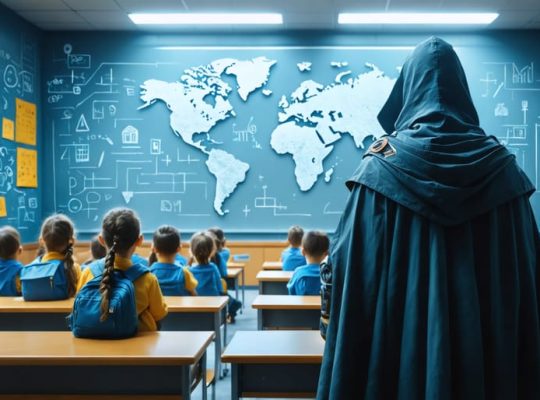
The safety and well-being of students depends on maintaining appropriate professional boundaries in educational settings. Recent studies indicate that inappropriate teacher-student relationships affect approximately 10% of K-12 students, with devastating long-term consequences for emotional development, academic success, and mental health. These incidents often go unreported due to fear, shame, or manipulation, creating a critical need for vigilant awareness and prevention.
Parents, educators, and school administrators must work together to recognize warning signs and implement robust safeguarding measures. Early identification of …

In today’s hyperconnected classrooms, digital learning’s impact on mental well-being reaches far beyond academic performance. As parents and educators, we’re witnessing an unprecedented transformation in how children learn, interact, and process information. This shift brings both remarkable opportunities and significant challenges for our children’s mental health.
The intersection of technology and learning has created a new landscape where screen time, social interactions, and …
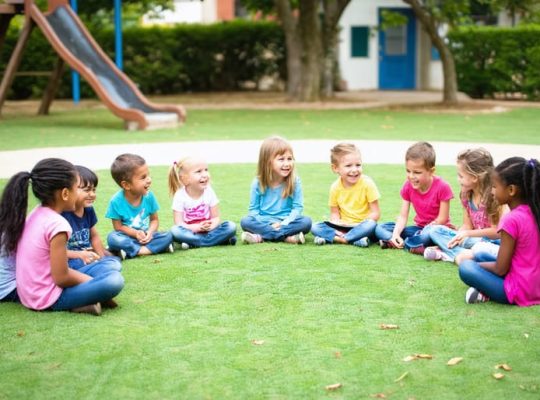
Developing strong peer social skills fundamentally shapes a child’s mental well-being and future relationships. When children master the art of peer interaction, they build confidence, empathy, and lasting friendships that serve them throughout life. Yet in today’s increasingly digital world, many young people struggle to develop these essential social capabilities naturally.
Recent research reveals that children with strong peer social skills are 60% more likely to succeed …
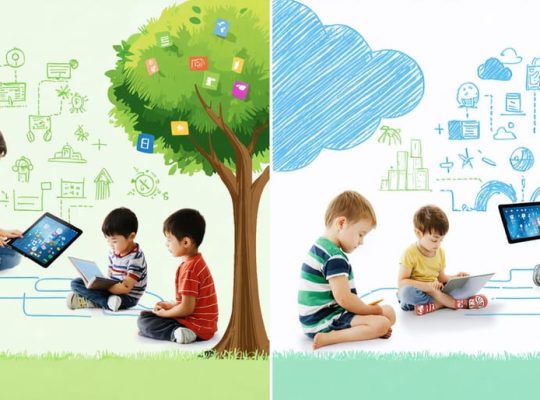
In today’s digital age, understanding the complete picture of children’s well-being has never been more crucial. As screens become an increasingly integral part of learning and daily life, parents and educators face a complex challenge: nurturing children’s development across all dimensions of wellness while navigating the digital landscape.
The concept of well-being extends far beyond physical and mental health. Like a delicate ecosystem, true wellness emerges from the harmonious interaction of eight distinct dimensions: emotional, social, intellectual, physical, environmental, occupational, financial, and …