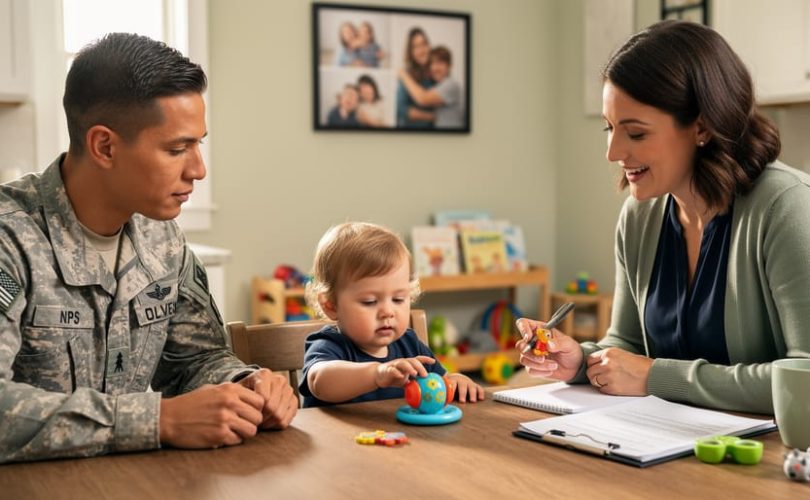
The New Parent Support Program (NPSP) is a free military service that helps service members and their families navigate the early years of parenthood through home visits, support groups, and parenting classes. Available to expecting parents and those with children up to three years old, NPSP provides practical guidance on child development, family relationships, and parenting techniques right in your home or community setting.
For military families wondering whether their young child might have special needs, NPSP home visitors can be an important first touchpoint. These trained professionals offer developmental information and can help you understand what’s typical and when concerns might warrant further evaluation. While NPSP serves all military families with young children, it’s not specifically designed as a special needs program. However, the program can connect you with additional resources and support networks when developmental concerns arise.
Understanding what NPSP offers matters because military families face unique challenges. Frequent moves, deployments, and distance from extended family can make the transition to parenthood especially isolating. Having someone who understands both child development and military life can make a real difference during those uncertain early months and years.
If you’re seeking specialized support for a child with diagnosed special needs or significant developmental delays, you’ll likely need to connect with programs beyond NPSP. Organizations like Parent to Parent USA, a national nonprofit, specifically focus on emotional and informational support for families raising children with special health care needs. Many military families benefit from both NPSP’s general parenting support and specialized networks that address their child’s specific diagnosis or developmental profile.
The key is knowing where to start and what each program offers so you can build the right support system for your family.
What the New Parent Support Program Offers

The Army’s New Parent Support Program offers three main services to eligible military families: home visits, support groups, and parenting classes. These services work together to help parents navigate the early years of their child’s life, from pregnancy through age three.
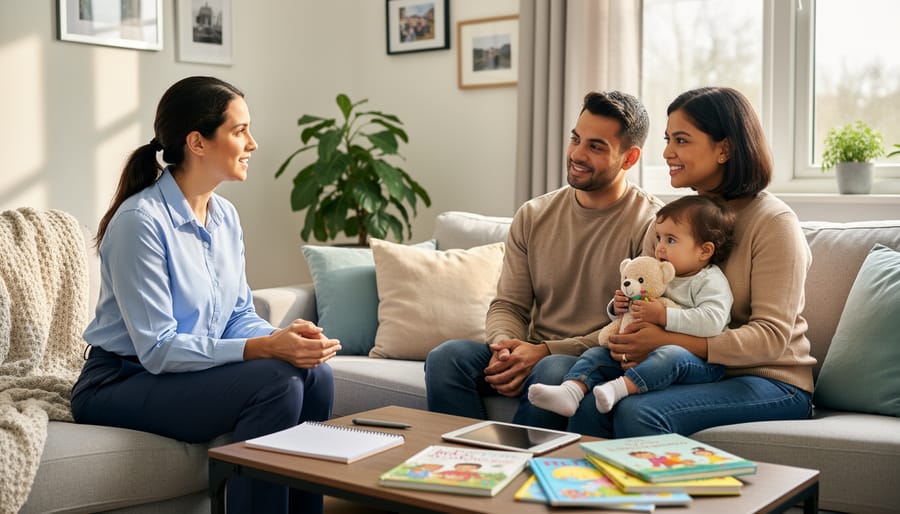
Home visits form the foundation of NPSP. A trained home visitor comes to your residence and provides personalized guidance on child development, answering questions about your baby or young child in a comfortable, judgment-free setting. These visits focus on practical topics like feeding, sleep routines, developmental milestones, and age-appropriate activities. Home visitors also offer support for family relationships and parenting techniques, helping you build confidence as you adjust to life with a new baby or toddler.
If you notice something about your child’s development that concerns you, your home visitor can help you understand what to watch for and when it might make sense to talk with your pediatrician. They will not diagnose conditions, but they can explain typical developmental patterns and help you advocate for your child if you need specialized assessments or services.
Support groups connect you with other military parents who understand the unique pressures of raising children while managing deployments, relocations, and military life. These groups create space to share experiences, ask questions, and build friendships with families going through similar transitions.
Parenting classes cover topics like infant care, child safety, positive discipline strategies, and understanding how children grow and learn. The instruction is practical and designed for busy military families.
All NPSP services are free of charge. There are no fees for home visits, group sessions, or classes, removing financial barriers so families can access the support they need during a demanding life stage.
Who Can Access NPSP Services
The Army’s New Parent Support Program is available to Soldiers and Family members who are expecting a child or have children up to 3 years of age. This clear age cutoff means the program focuses on the earliest stage of parenthood, from pregnancy through toddlerhood.
Because NPSP is a military program, eligibility is tied to military affiliation. If you’re an active-duty Soldier or a Family member connected to the Army, you can access these services at no cost. The program recognizes that military life brings unique challenges to new parenthood, frequent moves, deployments, distance from extended family, and the stress of adjusting to both military and parental roles simultaneously.
For parents who suspect or know their child has special health care needs, the three-year window is particularly important. Many developmental concerns become apparent during this period, and having support in place early can make a real difference. NPSP home visitors can help you understand typical developmental milestones, recognize when something might need further evaluation, and connect you with appropriate medical and community resources.
The program’s transition support focus means it’s designed to help families adapt to their new reality. Whether you’re a first-time parent or adding another child to your family, whether your child is developing typically or showing signs of special needs, NPSP offers a foundation of support during a vulnerable time. When your child approaches age 3, your home visitor can help you plan for the transition to other resources and support systems that serve older children.
Why Support Networks Matter for Parents of Children with Special Needs
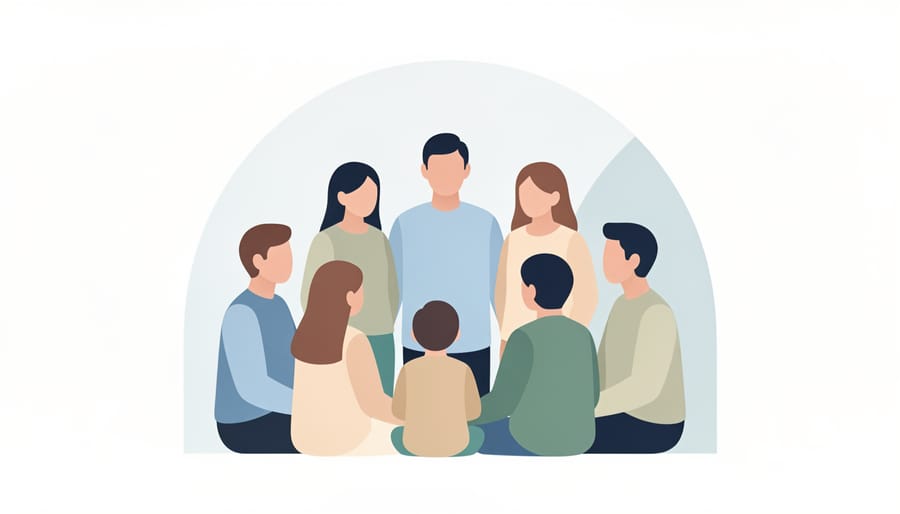
Raising a child with special needs can feel isolating, especially in the early months when you’re still figuring out diagnoses, therapies, and what normal means for your family. You might wonder if other parents understand the exhaustion of coordinating appointments, the fear when your child misses a milestone, or the guilt that creeps in when you don’t have all the answers. That’s where support networks become essential, not just helpful, but genuinely life-changing.
Support networks provide two critical things: emotional validation and practical information. When you talk to another parent who has walked a similar path, you realize your feelings are normal. The overwhelm, the questions about the future, the small victories that others might not understand, these experiences connect you to a community that gets it. Informational support matters just as much. Other parents can tell you which therapists have the shortest wait times, how to navigate insurance appeals, or what questions to ask at an IEP meeting. This isn’t knowledge you’ll find in a brochure.
Military families face additional layers of complexity. Frequent moves mean starting over with new providers, schools, and support systems every few years. Base resources vary widely, and civilian networks might not understand military life. Programs like NPSP can serve as your first entry point, connecting you to resources on base and helping you build a foundation before your child ages out at three. From there, many families branch out to special needs support groups and virtual parent support groups that stay consistent no matter where orders take you. The goal isn’t to find one perfect organization but to weave together a network that adapts as your child grows and your family’s needs change.
Connecting NPSP with Specialized Support Organizations
Building a strong support network often means drawing from multiple sources. NPSP provides valuable foundation support during your child’s first three years, but it’s designed as a general parenting program, not one specifically tailored to special needs. When your child has or may have special health care needs, connecting with specialized organizations creates a more complete safety net.
Parent to Parent USA, a 501(c)(3) non-profit, offers emotional and informational support specifically for families of children with special needs nationwide. While NPSP and Parent to Parent USA operate independently without formal partnership, they serve complementary roles. NPSP home visitors can help you understand typical development milestones and parenting techniques during those crucial early years. Parent to Parent USA connects you with other parents who’ve walked a similar path with special needs children, offering the kind of understanding that comes from shared experience.
Think of it as layering your support. Your NPSP home visitor might notice developmental concerns and encourage you to speak with your pediatrician. Simultaneously, connecting with a Parent to Parent USA family can provide emotional support while you’re waiting for evaluations or navigating early intervention services. Neither program can replace medical advice, but together they address different aspects of what you need: practical parenting guidance, emotional support, and connection to others who understand.
Military families face unique complications. Frequent relocations mean building new support systems repeatedly. Starting with NPSP in each new location provides immediate access to local resources, while organizations like Parent to Parent USA offer continuity across moves. You don’t need to choose one over the other. Most families benefit from casting a wide net, especially when facing uncertainty about your child’s development or diagnosis.
How to Get Started with NPSP
Getting started with NPSP is straightforward, and the earlier you connect, the more time you’ll have to build a relationship with your home visitor and access resources.
You can reach out to the program at any point during pregnancy or while your child is under 3 years old. Many families find it helpful to connect during pregnancy so they can establish support before the baby arrives, but it’s never too late to start. If you’re already a parent and concerned about your child’s development, NPSP can still offer guidance and connections to additional resources.
Here’s how to access the program:
- Contact your installation’s Army Community Service (ACS) office to ask about the New Parent Support Program. They’ll connect you with the right person.
- Expect an initial conversation where a staff member will explain services, answer your questions, and learn about your family’s situation and needs.
- Schedule your first home visit at a time that works for your family. These visits typically happen in your home and last about an hour.
- Meet your home visitor, who will provide information tailored to your child’s age and your specific concerns, including questions about development.
Home visits are flexible and focused on what you need. Your home visitor can discuss typical developmental milestones, offer guidance on feeding and sleep routines, and answer questions about behaviors that worry you. If you suspect your child has special health care needs or already have a diagnosis, mention this during your initial contact. Your home visitor can help you understand what to expect and connect you with medical providers and specialized support networks.
Don’t hesitate to ask about additional resources during your visits, including apps for special needs children that might support your family’s unique situation. Remember, NPSP is there to support you without judgment, and asking questions is part of advocating for your child.
Common Questions About NPSP and Special Needs Support
Can NPSP help if I’m worried about my child’s development?
Yes. NPSP home visitors provide information and guidance regarding child development and can help you understand what to expect at different ages. They can also help you talk through your concerns and connect you with medical providers or early intervention services if needed.
What if my child is diagnosed with special needs after I’ve already started the program?
You can continue receiving NPSP support through your child’s third birthday. Your home visitor can adjust their guidance to address your family’s specific circumstances and help you navigate the early stages of connecting with specialized resources.
What happens when my child turns 3?
NPSP services are available for children up to 3 years of age. Before your child ages out, your home visitor can help you identify ongoing support options, including community resources, early childhood programs, and organizations like Parent to Parent USA that serve families of children with special needs beyond the early years.
Where can I find additional support beyond NPSP?
NPSP can serve as your starting point, but building a broader network strengthens your support system. Parent to Parent USA, a 501(c)(3) non-profit, provides emotional and informational support for families of children with special health care needs nationwide, and many communities have local parent groups, early intervention programs, and disability-specific organizations.
These questions reflect real concerns parents have when navigating uncertainty about their child’s development. NPSP home visitors understand that parenting worries don’t follow a script, and they’re trained to listen without judgment.
One practical tip: write down your questions before meetings with your home visitor or medical team. When you’re sleep-deprived or overwhelmed, it’s easy to forget what you wanted to ask. Keep a running list on your phone or a notepad, and don’t hesitate to bring it out during conversations.
Remember that seeking answers is an active form of advocacy for your child. Whether you’re noticing subtle differences in how your baby responds to sounds, wondering if delayed milestones are concerning, or simply feeling that something isn’t quite right, trust your instincts enough to ask. NPSP provides a safe space to explore those questions, and the free home visits mean cost never has to be a barrier to getting guidance.
Early support makes a difference. Whether you’re navigating the first weeks of parenthood or processing unexpected news about your child’s development, reaching out now matters more than waiting. The New Parent Support Program offers military families a solid starting point, expert guidance, practical tools, and someone who listens without judgment, during those crucial first three years.
Building a support network isn’t a one-time task. It’s an ongoing process that grows with your family’s needs. NPSP can introduce you to foundational parenting skills and developmental insights, while organizations like Parent to Parent USA provide ongoing emotional and informational support as your child’s needs become clearer. Together, these resources create a safety net that adapts alongside your journey.
Asking for help isn’t a weakness. It’s how you build resilience for yourself and your child. Military life brings unique challenges, and raising a child with special health care needs adds another layer of complexity. You don’t have to figure it all out alone. The connections you make today, whether through NPSP home visits, support groups, or parent-to-parent networks, can become the foundation that carries your family through uncertainty and toward confidence.