

Showing 5 Result(s)
Parent kneels beside a child holding a stuffed toy in a living room with unlabeled moving boxes, speaking calmly in soft natural daylight.

How Selling Your Home Affects Your Child’s Mental Health (And What to Say About It)

Selling your home to a property buying company like propertysaviour.co.uk often means quick decisions and rapid timelines, leaving little room for lengthy preparation. Yet your children need clear, honest communication about this major transition to feel secure and understood during the change.
Start conversations early, even before contracts are signed. Children sense when something significant is happening, and uncertainty breeds anxiety. Share age-appropriate details about why you’re selling and what happens next, giving them time to process rather than presenting the move as a …
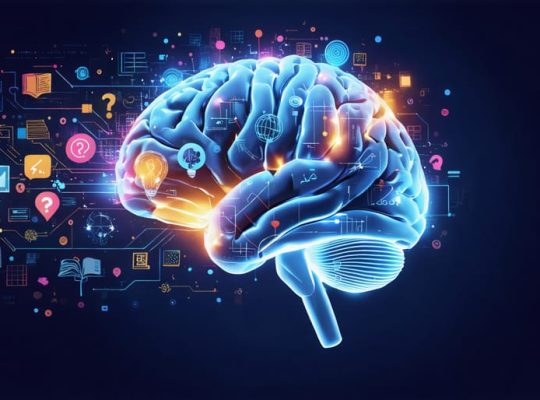

Visualization of a teenager's brain undergoing transformation with glowing pathways and symbols representing cognitive development, abstract thinking, and decision-making abilities.

How Teen Brain Development Shapes Your Child’s Mental Health

During adolescence, the brain undergoes remarkable transformations that shape how teenagers think, feel, and interact with the world around them. From enhanced abstract reasoning to sophisticated decision-making abilities, cognitive development between ages 12-18 represents a crucial period of intellectual growth and emotional maturity.
Parents and educators witness these changes firsthand as teens begin tackling complex mathematical concepts, engaging in philosophical debates, and developing their unique perspectives on social issues. These cognitive advances aren’t just academic – they fundamentally alter how adolescents …

A group of diverse middle school children on a playground, engaging in a collaborative activity. They are smiling and interacting, symbolizing friendship and social skills development.

How Social Skills Shape Your Child’s Success in Middle School Years

Middle childhood (ages 6-12) marks a pivotal stage where children develop crucial social and emotional skills that shape their future relationships and self-identity. Building on their early emotional attachment, children begin forming complex friendships, understanding social hierarchies, and developing a stronger sense of self during these transformative years.
During this period, children navigate increasingly sophisticated social dynamics at school, in extracurricular activities, and within peer groups. …

A mother and her infant sharing a loving gaze and smile, exemplifying the formation of a secure emotional connection.

Nurturing Your Baby’s Emotional World: What Parents Need to Know About Attachment

Watch your baby’s face light up during those first precious smiles around 6-8 weeks – these moments mark the beginning of their remarkable emotional journey. Every coo, giggle, and shared gaze builds the foundation for your child’s lifelong capacity to form relationships and regulate emotions.
During the first year, your baby’s brain forms up to one million neural connections per second, with social and emotional experiences playing a crucial role in this development. Through daily interactions – from gentle rocking to responsive feeding – you’re not just caring for your baby; you’re …

Artistic blend of teens engaging in social and learning activities with abstract neural pathways and cognitive symbols, representing the impact of ADHD and autism on teenage identity.

ADHD and Autism: How These Conditions Shape Teen Identity

Understanding neurodevelopmental disorders like ADHD and autism spectrum disorder (ASD) fundamentally shapes how we support young people in their journey of self-discovery and identity formation. These conditions, affecting millions of children worldwide, present unique challenges and opportunities in cognitive development, social interaction, and emotional regulation.
While ADHD and ASD manifest differently in each individual, both conditions significantly influence how children perceive themselves and interact with the world around them. ADHD typically impacts attention, impulse control, and executive functioning, while ASD …