

When seven-year-old Maya told her grandmother she was seeing a therapist for anxiety, her grandmother whispered, “Don’t tell the neighbors.” That moment captures exactly what mental health stigma is: the shame, silence, and judgment that surrounds emotional and psychological struggles.
Mental health stigma refers to the negative attitudes, beliefs, and behaviors directed toward people experiencing mental health challenges. For children, this can look like being called “the weird kid,” parents avoiding playdates, teachers lowering expectations, or family members dismissing real struggles as “just a phase.” The impact is measurable and serious. Research shows that stigma is one of the top barriers preventing families from seeking help, with nearly 60% of young people with mental health conditions receiving no treatment at all.
The damage extends beyond delayed care. Children who internalize stigma often develop what experts call “self-stigma,” believing something is fundamentally wrong with them rather than understanding they’re experiencing a treatable condition. This shame can be more harmful than the original mental health challenge itself, leading to isolation, decreased self-worth, and worsening symptoms.
Understanding stigma matters because you can’t fight what you can’t name. Once parents recognize how stigma shows up in everyday language, school policies, and even their own initial reactions, they can take concrete steps to protect their children from its effects. The good news? Stigma thrives in silence and secrecy. Open, honest conversations backed by accurate information are powerful antidotes.
This article will help you identify stigma when you see it and give you practical tools to challenge it.
Understanding Mental Health Stigma: The Invisible Barrier
Mental health stigma works like an invisible fence around your child. You can’t see it, but it keeps them from reaching out when they need help most.
The CDC defines stigma as the negative attitudes, beliefs, and stereotypes people hold toward those experiencing mental health conditions. But what does that actually mean for families?
Think of it this way: when your child breaks an arm, neighbors ask how they’re healing. When that same child struggles with anxiety, people whisper or say nothing at all. That difference? That’s stigma.
Stigma shows up in the words we use without thinking. It’s the classmate who calls someone “crazy” for seeing a therapist. It’s the well-meaning grandmother who suggests your child just needs to “toughen up” instead of getting professional support. It’s the parent who schedules therapy appointments during school hours so other families won’t find out.
Here’s a simple way to spot stigma: if we wouldn’t say it about diabetes or asthma, we shouldn’t say it about depression or ADHD. Yet somehow, mental health conditions get treated as character flaws rather than medical conditions that deserve proper care.
The impact isn’t abstract. Stigma creates real barriers between your child and the help they need. It’s the reason a teenager deletes their therapy reminder from their phone before friends see it. It’s why a ten-year-old might tell you they’re fine when they’re actually struggling with intrusive thoughts.
Understanding stigma matters because you can’t fight what you can’t name. Once you recognize these invisible barriers, you’ll start seeing them everywhere: in school policies, playground conversations, even in your own automatic reactions. And that awareness is the first step toward breaking them down.

The Three Faces of Stigma Your Child Might Experience
Public Stigma: What Others Think
Public stigma shows up in the everyday moments of your child’s life. It’s the classmate who whispers “crazy” when they hear about therapy appointments. It’s the birthday party invitation that never arrives after other parents learn about an anxiety diagnosis. On social media, children see memes mocking mental health conditions shared by their peers, teaching them that struggling isn’t safe to talk about.
Community attitudes matter too. When neighbors make offhand comments like “kids today are just too sensitive” or teachers dismiss concerning behaviors as “seeking attention,” children absorb the message that their mental health challenges aren’t legitimate. They learn to hide their struggles rather than ask for support.
This public stigma doesn’t just hurt feelings. It creates an environment where children believe seeking help means accepting a shameful label that will follow them through school, sports teams, and social circles. The fear becomes powerful enough to silence them completely.

Self-Stigma: When Kids Internalize the Shame
Self-stigma might be the most painful form because it happens inside your child’s own mind. This is when children hear negative messages about mental health so often that they start believing those messages apply to them. A ten-year-old with anxiety might think, “I’m weak because I can’t handle things other kids can.” A teenager with depression might tell themselves, “I’m broken and nobody would understand.”
These internalized beliefs become a vicious cycle. Kids start hiding their struggles, avoid asking for help, and withdraw from activities they once enjoyed. They might refuse to see a counselor because they’ve convinced themselves they should be able to “just get over it.” The shame becomes so heavy that seeking support feels like admitting there’s something fundamentally wrong with who they are, rather than recognizing they’re dealing with a treatable condition that millions of children experience.
Structural Stigma: The Systems That Fail Our Children
Structural stigma lives in the rules and systems themselves. When school admission forms ask parents to disclose a child’s mental health diagnosis but don’t require the same detail for physical health conditions, that’s structural stigma. When insurance plans limit mental health visits to six sessions a year while covering dozens of physical therapy appointments, that’s structural discrimination.
These barriers show up in surprising places. Some schools still separate students receiving mental health support from mainstream activities, or require extensive documentation that isn’t demanded for other health needs. Certain sports programs and extracurricular activities have policies that automatically disqualify children taking psychiatric medications, regardless of their actual ability to participate safely.
The most damaging structural stigma? Underfunded school counseling programs. Many districts have one counselor for every 400 students, making it nearly impossible for children to access timely support even when they’re brave enough to ask for it.
These institutional barriers don’t just make help harder to access. They send a clear message to children that their mental health matters less than their physical health, reinforcing exactly the shame that keeps kids silent.
The Real Cost: How Stigma Prevents Children from Getting Help
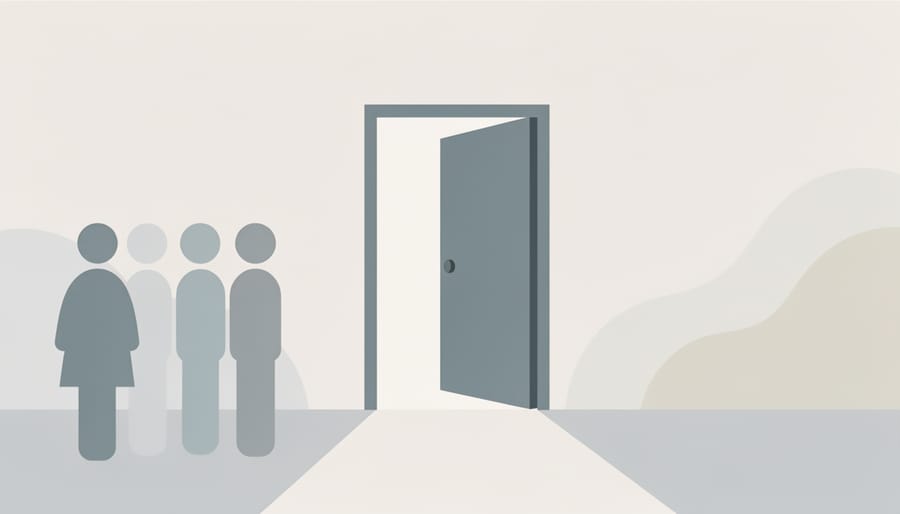
The Fear of Labels in the Classroom
The classroom is where many children first encounter the harsh reality of mental health stigma. Parents often hesitate to reach out to teachers or school counselors because they worry a formal record of their child’s struggles could follow them through their academic career. Will it affect class placement decisions? Could it impact college applications years down the road? These fears, while sometimes unfounded, feel incredibly real when you’re trying to protect your child’s future.
Children pick up on this anxiety and become acutely aware of how different they might appear to classmates. A fourth-grader who needs to leave class for therapy appointments worries about the questions from friends. A middle schooler taking medication fears being discovered and labeled as “crazy” by peers. This fear of judgment creates a painful catch-22: the very school mental health supports designed to help can feel too risky to access.
The result is predictable and heartbreaking. Families delay getting help until a crisis forces their hand, or they quietly struggle alone rather than risk their child being singled out. Meanwhile, untreated anxiety deepens, depression takes root, and academic performance suffers anyway.
When Treatment Stops Too Soon
Even when families take the brave step of starting treatment for their child, stigma doesn’t stop at the therapist’s door. It follows them home, whispers in school hallways, and plants seeds of doubt that grow with each appointment. Research shows that stigma can cause families to discontinue treatment even when it’s working, cutting short their child’s progress just when they need consistency most.
Parents describe the exhausting mental calculus. Every therapy session means leaving work early, explaining absences to curious teachers, coordinating with partners about who picks up the child. But it’s not the logistics that break families down. It’s the playground mom who asks pointed questions. The relative who insists the child just needs more discipline. The internal voice that whispers, “Maybe everyone’s right. Maybe I’m overreacting.”
Children pick up on this hesitation. A nine-year-old might ask, “Why do I have to keep going when I’m feeling better?” What they’re often really asking is, “Why am I different from other kids?” When parents can’t answer with confidence because they’re battling their own doubts fueled by stigma, treatment becomes something to endure rather than embrace.
The timing is particularly cruel. Mental health treatment typically requires several months to show full benefits. Yet many families discontinue care within the first few weeks, right before the therapeutic relationship deepens and real change begins. They’re not giving up because treatment failed. They’re giving up because the social cost feels too high.
What Stigma Sounds Like: Common Phrases That Hurt
Words carry weight, especially when it comes to our children’s mental health. Even well-meaning parents and teachers often use phrases that accidentally reinforce stigma, making kids feel ashamed about seeking help. Recognizing these patterns in our own speech is the first step toward creating a safer environment where children feel comfortable discussing their struggles.
The language we use shapes how children understand their own experiences. When a parent says “she’s just being dramatic” about a child’s anxiety, it dismisses real distress. When a teacher mentions that a student is “acting out for attention,” it frames legitimate communication as manipulation. These everyday phrases, spoken without malice, can nonetheless discourage children from pursuing treatment options that could genuinely help them.
| Stigmatizing Language | Supportive Alternative |
|---|---|
| “He’s just seeking attention” | “He’s communicating distress” |
| “She needs to toughen up” | “She’s dealing with something difficult” |
| “You’re being too sensitive” | “Your feelings are important” |
| “He’s crazy” or “psycho” | “He’s struggling with his mental health” |
| “Why can’t you just be normal?” | “I’m here to support you” |
The difference between these approaches is profound. Stigmatizing language implies weakness, wrongness, or choice, while supportive language acknowledges struggle, validates experience, and offers connection. When we shift from “snap out of it” to “let’s figure this out together,” we open doors instead of closing them.
Pay attention to casual conversations too. Describing a moody day as “I’m so bipolar” or calling organized behavior “OCD” trivializes real conditions that affect children in your life. These offhand comments teach kids that mental health conditions are jokes rather than legitimate challenges deserving compassion and care.
Breaking Down Barriers: What’s Working in 2026
The good news? We’re not fighting stigma alone anymore. While the barriers remain real, a growing number of evidence-based programs are helping parents, teachers, and communities shatter stigma and create safer spaces for children to get help.
One of the largest movements comes from the Mental Health Commission of Canada’s Opening Minds initiative. This training program works to reduce discrimination by changing how people behave and talk about mental health conditions. Nearly 1 million by 2022 had participated, making it one of the world’s most successful anti-stigma efforts. The training gives teachers, coaches, and community leaders practical language and perspectives that help them support children without judgment.
For parents wondering how to respond when their child is struggling, Mental Health First Aid offers concrete skills. This program teaches you how to recognize when a child needs help, how to approach difficult conversations, and what steps to take until professional support is in place. It removes the paralysis many of us feel when we suspect something’s wrong but don’t know what to say or do. Schools across North America now offer this training to staff and parents, creating networks of informed adults who can intervene early.
Workplaces are joining the effort too. The Working Mind training helps managers and employees reduce stigma in professional settings while promoting mental health and resilience. This matters for families because when parents work in stigma-free environments that support mental wellness, they’re better equipped to model those same values at home. They’re also more likely to have the flexibility and understanding they need to attend their child’s therapy appointments or school meetings.
These programs work because they move beyond awareness into action. They don’t just tell people that stigma is harmful. They teach specific skills: how to listen without offering unwanted advice, how to check in on someone genuinely, how to speak about mental health conditions the same way we discuss physical ones.
Many communities now offer these trainings through local health departments, school districts, or community mental health centers. Ask your child’s school counselor or your pediatrician about accessing these programs. The investment of a few hours can fundamentally change how you and others in your child’s life respond to mental health needs.
What Parents Can Do Starting Today
Modeling Open Conversations at Home
Start with your own mental health journey. When you mention visiting a therapist or taking a mental health day, you give your child permission to do the same. Share age-appropriate struggles: “I felt really anxious before my presentation today, so I used the breathing technique my therapist taught me.” This shows that everyone faces challenges and seeking help is normal, not shameful.
Use accurate language consistently. Replace “crazy” with “struggling” or “having a hard time.” Instead of saying someone “is bipolar,” say they “have bipolar disorder.” These small shifts separate the person from the condition and reduce stigma in everyday conversation.
Make help-seeking visible and ordinary. Talk about therapy the way you discuss dental check-ups. When your child’s friend mentions seeing a counselor, respond positively: “That’s great they’re getting support.” Keep books about emotions and mental health on your shelves. Watch shows together that portray mental health treatment accurately and discuss them.
Ask open-ended questions that invite honest answers. “How are you feeling today?” beats “You’re fine, right?” Create regular check-in moments, perhaps during car rides or evening walks, where difficult feelings can surface naturally without the pressure of eye contact or formal conversation.
Advocating in Your Child’s School
Schools can either reinforce mental health stigma or become safe havens where children feel comfortable seeking help. Your role as a parent matters more than you might think.
Start by requesting a meeting with your child’s teacher or school counselor. Come prepared with specific observations rather than accusations. Instead of “You’re not supporting my child,” try “I’ve noticed my child seems hesitant to use the counseling services. Can we talk about making mental health support feel more accessible?” This collaborative approach opens doors rather than raising defenses.
Ask about the school’s mental health policies and accommodations. Many schools have support systems in place but don’t communicate them well. Find out if teachers receive any mental health training. If they don’t, suggest programs like Mental Health First Aid, which equips educators with skills to recognize and respond to mental health challenges without judgment.
Push for inclusive language in classrooms. Request that teachers address mental health the same way they discuss physical health conditions. When mental health days are treated as legitimate as sick days, children internalize that their wellbeing matters.
Consider joining or forming a parent committee focused on mental health awareness. Collective voices carry more weight when advocating for policy changes, anti-bullying programs, or bringing mental health professionals into schools.
Document everything. Keep records of conversations, accommodations requested, and concerns raised. This creates accountability and provides a paper trail if advocacy efforts stall. Your advocacy teaches your child a powerful lesson: their mental health deserves to be taken seriously.
Real Stories: Families Who’ve Faced the Stigma
Sarah’s 10-year-old son started having panic attacks before school, but she waited eight months before finally deciding to seek support. “I kept thinking he’d grow out of it,” she admits. “But honestly, I was terrified of what other parents would think. What if they didn’t want their kids playing with him? What if the school labeled him as ‘troubled’?”
When her son’s teacher gently mentioned she’d noticed his struggles and suggested counseling, Sarah felt a mix of relief and shame. The breaking point came when her son asked, “Mom, what’s wrong with me?” She realized her own fears about stigma were teaching him that his feelings were something to hide.
Within weeks of starting therapy, her son learned coping strategies that transformed his mornings. Sarah wishes she hadn’t waited. “I thought I was protecting him by keeping it private. I was actually making him suffer longer.”
Marcus faced different obstacles when his 14-year-old daughter showed signs of depression. As a single dad in a tight-knit community, he worried about gossip. His own father’s voice echoed in his head: “We don’t air our problems to strangers.”
The turning point happened at a parent-teacher night when another father casually mentioned his son’s anxiety medication. “He said it so normally, like talking about allergy pills,” Marcus recalls. “It hit me that I was the one making it a bigger deal than it needed to be.”
His daughter has been in treatment for six months now. Marcus has become open about their journey, and he’s surprised by how many other parents have quietly reached out to share their own experiences. “Staying silent didn’t protect her,” he says. “It just isolated both of us.”
The stigma surrounding children’s mental health is shifting. Every parent who asks their pediatrician about their child’s anxiety, every teacher who learns to spot the signs of depression, every family that shares their story openly contributes to this change. You’re already part of it by seeking to understand what stigma in mental health really means.
Nearly a million people have completed Opening Minds training to reduce their biases and change how they respond to mental health challenges. Schools are implementing Mental Health First Aid programs. Workplaces are teaching managers through programs like The Working Mind to create supportive environments. These aren’t just statistics; they’re signs that our culture is learning to respond with compassion instead of judgment.
Your instincts about your child matter more than fear of what others might think. If you sense something’s wrong, trust that feeling. The help your child receives today could prevent years of unnecessary struggle tomorrow.
Start with one conversation, whether it’s with your child, their teacher, or your healthcare provider. Challenge one stigmatizing phrase when you hear it. Share one honest moment about your family’s journey with someone you trust.
Stigma thrives in silence and isolation. It withers when parents like you choose openness over hiding, and help-seeking over waiting. Your child doesn’t need you to have all the answers. They need you to be brave enough to ask the questions and seek support together.