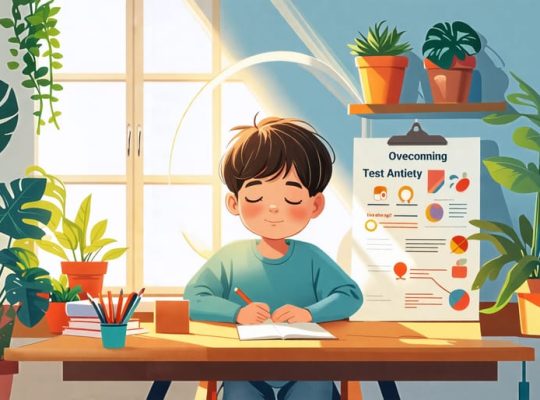

You’ve noticed your child seems more worried than usual, and you’re wondering if it’s something more than typical childhood fears. That instinct to pay attention matters. While every child experiences worry, generalized anxiety disorder (GAD) is different. It’s persistent, excessive worry about everyday things that interferes with daily life, lasting six months or longer.
About 3% of children and adolescents experience GAD, making it one of the most common mental health conditions in young people. The challenge? These symptoms often hide in plain sight. A child who’s constantly seeking reassurance about school performance, complaining of frequent stomachaches with no medical cause, or struggling to fall asleep due to racing thoughts might be showing signs of GAD rather than just being “a worrier.”
Here’s what makes this particularly confusing for parents: anxiety in children doesn’t always look like anxiety in adults. Your eight-year-old might become irritable and defiant rather than expressing fear. Your teenager might avoid social situations or struggle with perfectionism to an extreme degree. Young children may cling to caregivers or have difficulty separating, even in familiar settings.
Understanding what you’re seeing is the first step toward getting your child the support they need. Dr. Sarah Mitchell, a child psychologist with 15 years specializing in pediatric anxiety, puts it this way: “Parents know their children best. When that gut feeling tells you something has shifted, that worry has become overwhelming for your child, trust it. Early recognition and intervention can make a profound difference.”
Let’s look at the specific symptoms that distinguish GAD from normal developmental worries.
What Makes Generalized Anxiety Disorder Different from Typical Childhood Worry
All children worry sometimes. It’s developmentally normal for a seven-year-old to feel nervous before a spelling test or for a ten-year-old to worry about making friends at a new school. These worries usually pass once the situation resolves or the child receives reassurance. They don’t interfere with sleep, appetite, or the ability to enjoy everyday activities.
Generalized Anxiety Disorder looks different. The worry is persistent, showing up nearly every day for months rather than tied to specific, short-term stressors. It’s also excessive, meaning the level of distress doesn’t match the actual likelihood or severity of the feared outcome. A child with GAD might worry intensely about a parent’s safety during a routine grocery run, or spend hours ruminating about disasters that are extremely unlikely to happen.
The third distinguishing factor is difficulty controlling the worry. While most children can be redirected or soothed relatively quickly, children with GAD struggle to let go of their anxious thoughts even when they want to. The worry feels overwhelming and unstoppable, often jumping from one concern to another throughout the day.
According to DSM-5 criteria used by mental health professionals, GAD diagnosis requires this excessive worry to be accompanied by physical symptoms like restlessness, fatigue, trouble concentrating, irritability, muscle tension, or sleep problems. For children, just one of these additional symptoms is needed, whereas adults require three or more.
Consider two scenarios. Maya worries about her upcoming piano recital for a few days beforehand, practices extra, and feels relieved once it’s over. That’s typical anxiety. But if Maya worries daily about countless things, whether her teacher likes her, if her mom will get sick, whether she’ll fail every test despite good grades, and this pattern persists for months while affecting her sleep and ability to focus in class, that suggests GAD. The pattern, not a single worry, makes the difference.

The Core Symptoms Parents and Caregivers Notice First
The Worry That Won’t Stop
Children with Generalized Anxiety Disorder experience worry that feels impossible to turn off. Unlike the focused concern most kids feel before a big event, this worry sprawls across every part of their lives. Your child might fixate on school performance one moment, then shift to worrying about your health, then catastrophize about an upcoming family gathering, all within the same afternoon.
What makes this worry distinctive is its uncontrollable quality. When you try to reassure your child that everything will be okay, the relief lasts only minutes before a new worry surfaces. They might worry intensely about situations weeks or months away, or about scenarios that are highly unlikely to happen. A child with GAD doesn’t just experience test anxiety before exams; they worry constantly about potential mistakes, disappointing others, or future problems they can’t even name.
Parents often describe this as watching their child carry an invisible burden. The worry operates like background noise that never stops, draining energy and making it hard for them to simply be present and enjoy childhood moments.
Physical Signs Your Child May Be Struggling
Anxiety doesn’t just live in your child’s mind. It settles into their body, often in ways that surprise parents who expect emotional symptoms first. Children with GAD frequently complain of headaches that appear before school or stomachaches that have no medical explanation. These aren’t made up, anxiety triggers real physical responses.
You might notice your child’s shoulders are constantly tense, or they seem exhausted despite adequate sleep. Many children with GAD struggle to fall asleep because their minds won’t quiet, or they wake repeatedly during the night. They may complain their muscles feel tight or achy, especially in the neck, jaw, or back.
Why does this happen? When children experience persistent anxiety, their bodies remain in a heightened state of alert. The stress response that should activate only during genuine threats stays switched on, leading to these ongoing physical symptoms. For many children, especially younger ones who can’t articulate emotional distress, a stomachache becomes the primary way anxiety announces itself.
If your child frequently reports physical complaints that doctors can’t explain medically, anxiety may be the underlying cause worth exploring.

Changes in Behavior and Daily Functioning
GAD often shows up in how your child manages daily life. You might notice they struggle to focus on homework or conversations, their mind jumping to worries instead of the task at hand. Some children become perfectionists, erasing and rewriting assignments repeatedly or melting down over minor mistakes. They may ask the same questions over and over, “Are you sure I’ll be okay?” “What if something bad happens?”, no matter how many times you reassure them.
Avoidance becomes a pattern. Your child might resist going to birthday parties, refuse playdates, or develop sudden “stomachaches” before activities they once enjoyed. School anxiety can lead to frequent nurse visits, incomplete assignments, or reluctance to participate in class. Friendships may suffer when worry makes your child withdraw or seem irritable. Teachers might mention that your child seems distracted or unusually concerned about grades. These changes in functioning, when they persist and interfere with your child’s ability to learn, play, and connect, signal that anxiety has moved beyond ordinary stress.
How Generalized Anxiety Disorder Shows Up at Different Ages
Anxiety doesn’t look the same at every stage of childhood. A seven-year-old’s worry manifests differently than a teenager’s, even when both are experiencing GAD. Recognizing these age-specific patterns helps you understand what you’re seeing in your child.
**In Early Childhood (Ages 3-7)**
Younger children often can’t articulate their worries clearly. Instead, you’ll notice clinginess that seems extreme, your child may refuse to leave your side, even at home. Separation becomes a daily battle, whether it’s dropping them at preschool or leaving them with a trusted grandparent. Their worries tend to center on immediate threats: getting lost, something bad happening to parents, or monsters under the bed.
Physical complaints dominate this age group. Frequent stomachaches before school, unexplained crying spells, or regression to earlier behaviors like bedwetting or thumb-sucking can all signal underlying anxiety. These children may also ask the same reassurance-seeking questions repeatedly, never satisfied with your answers.
**School-Age Children (Ages 8-12)**
As children develop cognitively, their worries become more complex and future-oriented. School-age kids with GAD worry excessively about performance, grades, and peer relationships. They might spend hours on homework, seeking perfection, yet still feel it’s not good enough.
You’ll see increased irritability and emotional outbursts that seem disproportionate to the situation. Sleep problems become more pronounced, difficulty falling asleep due to racing thoughts, or frequent nightmares. These children often ask “what if” questions constantly and struggle to enjoy activities because they’re preoccupied with potential negative outcomes.
**Adolescence (Ages 13-18)**
Teenagers with GAD face heightened self-awareness that amplifies their anxiety. They worry about their appearance, social status, academic performance, college prospects, and the future. Unlike typical teen stress, this worry is persistent and interferes with functioning.
Avoidance behaviors become more sophisticated. Teens might skip social events, avoid challenging classes, or withdraw from activities they once enjoyed. They may also self-medicate with unhealthy coping strategies or become overly reliant on social media for validation. Physical symptoms persist, headaches, muscle tension, fatigue, but teens are more likely to minimize or hide their struggles, making detection harder.
| Age Group | Primary Worry Focus | Common Behavioral Signs |
|---|---|---|
| Early Childhood (3-7) | Separation, immediate safety, concrete fears | Clinginess, physical complaints, regression, repetitive questions |
| School Age (8-12) | Performance, peer acceptance, future events | Perfectionism, irritability, sleep problems, “what if” questions |
| Adolescence (13-18) | Social status, appearance, future success, self-image | Avoidance, withdrawal, physical symptoms, possible self-medication |
Understanding these developmental differences helps you identify whether your child’s anxiety has crossed into GAD territory. A five-year-old who won’t leave your side and a fifteen-year-old who’s stopped seeing friends may both be showing you the same underlying disorder, just through different developmental lenses.

Understanding How Common GAD Really Is
If you’re wondering whether your child’s struggles are unusual, you’re not alone, and neither is your child. Anxiety and related disorders are among the most common mental health challenges people face, with research showing a lifetime prevalence up to 31%. That means nearly one in three people will experience significant anxiety at some point in their lives.
For children specifically, Generalized Anxiety Disorder is one of the most frequently diagnosed anxiety conditions. Many parents watching their child’s constant worry later discover that other families in their child’s classroom, sports team, or friend group are navigating similar challenges.
This prevalence doesn’t diminish what your child is experiencing, it simply means the path forward is well-traveled. Pediatricians, school counselors, and child mental health professionals regularly work with children showing GAD symptoms. Treatment approaches are well-established, and outcomes are generally positive when parents seek support.
Reaching out for help isn’t an overreaction. It’s what informed parents do when they recognize their child needs support beyond what home strategies alone can provide. You’re joining a large community of families who’ve walked this path and found effective ways to help their children thrive despite anxiety challenges.
When to Seek Professional Help
Knowing when to move from observation to action can feel overwhelming, but there are clear indicators that it’s time to reach out for professional support.
The six-month guideline matters, but it’s not a rigid rule. If your child has been experiencing persistent, excessive worry and related symptoms for six months or more, worry that feels disproportionate to actual circumstances, a professional evaluation is warranted. However, don’t let this timeframe stop you from seeking help earlier if symptoms are severe or rapidly worsening. A child who suddenly can’t attend school, experiences panic attacks, or shows significant changes in eating or sleeping patterns needs attention now, not six months from now.
Functional impairment is the key signal. Ask yourself: Is anxiety interfering with your child’s daily life? Are they avoiding activities they once enjoyed? Has school performance dropped noticeably? Are friendships suffering because worry makes social situations too difficult? When anxiety starts limiting what your child can do, professional guidance becomes essential.
The earlier you seek help, the more options you have. Early intervention often means simpler, shorter treatment. Many parents worry they’re overreacting or wasting a professional’s time, but clinicians would much rather see a child early than wait until symptoms become entrenched. A consultation doesn’t automatically mean diagnosis or treatment, it means getting clarity, validation, and a plan forward. Even if a provider determines your child doesn’t meet criteria for GAD, they can offer strategies to support your child’s wellbeing and prevent symptoms from escalating.
What to Expect During Assessment and Diagnosis
When you take your child to a healthcare provider with concerns about anxiety, understanding what happens next can ease some of your own worry. The assessment process is thorough but straightforward, designed to build a complete picture of what your child is experiencing.
Your child’s doctor or mental health professional will start with a detailed conversation. They’ll ask about the specific worries you’ve noticed, when they started, how often they occur, and how they affect your child’s daily life, school, friendships, sleep, and activities. They’ll want to hear from both you and your child, since kids sometimes share different details with parents versus professionals. This isn’t an exam your child can fail; it’s a collaborative effort to understand their experience.
The evaluation follows clinical practice guidelines developed by Canadian experts in anxiety disorders through a consensus process, ensuring your child receives evidence-based care. Healthcare providers use structured questions based on DSM-5 criteria to determine whether the symptoms align with GAD or another condition. They’ll assess whether the anxiety is excessive, difficult to control, and has persisted for at least six months. They’ll also look for physical symptoms and how anxiety interferes with functioning.
An important part of assessment involves ruling out other possibilities. Providers consider whether symptoms might stem from another anxiety disorder, depression, ADHD, or even medical conditions like thyroid problems. Sometimes children experience more than one condition simultaneously.
The process may involve questionnaires, rating scales, or conversations across multiple appointments. Once a diagnosis is clear, your provider will discuss treatment options tailored to your child’s specific needs and your family’s circumstances. Remember, diagnosis opens doors to help, not labels that limit your child.
Supporting Your Child While Recognizing the Signs
While you’re learning to recognize the signs of GAD in your child, you can start providing support right now. These immediate actions create a foundation of safety and understanding, whether your child ultimately receives a diagnosis or not.
The most powerful tool you have is validation. When your child expresses worry, resist the urge to dismiss it with “don’t worry” or “you’ll be fine.” Instead, acknowledge what they’re feeling: “I can see you’re really worried about the test tomorrow. That sounds hard.” This simple shift tells your child their feelings are real and acceptable, which reduces the shame that often intensifies anxiety.
Here’s where many well-meaning parents stumble: the reassurance trap. When your child asks “What if I fail?” or “Will you be okay?” the instinct is to reassure them repeatedly. But endless reassurance actually feeds anxiety rather than calming it. After validating the feeling once, gently redirect: “I hear that you’re worried. What’s one thing you can do to feel more prepared?” This acknowledges the emotion without reinforcing the worry loop.
You can start implementing these strategies today to help your child overcome anxiety:
- Establish predictable daily routines, especially around meals, homework, and bedtime
- Create a calming bedtime ritual that begins 30-60 minutes before sleep
- Practice deep breathing together during calm moments, not just during meltdowns
- Model your own healthy coping when you face stress or uncertainty
- Limit “what if” conversations to specific times rather than allowing them all day
Your own response to stress matters enormously. Children watch how you handle worry, uncertainty, and setbacks. When you’re stuck in traffic, do you catastrophize or problem-solve? When plans change, do you spiral or adapt? Narrating your coping process teaches powerful lessons: “I’m feeling stressed about this deadline, so I’m going to take three deep breaths and make a plan.”
Remember that recognizing potential GAD symptoms is just the beginning, not the complete answer. These supportive strategies help in the moment, but they’re not a substitute for professional evaluation if symptoms persist or interfere with your child’s daily life.
Recognizing the symptoms of generalized anxiety disorder in your child is not about labeling or defining them by their struggles. It’s about understanding what they’re experiencing so you can offer the right support at the right time. If you’ve noticed persistent worry, physical complaints without clear medical causes, or changes in how your child functions day-to-day, trust what you’re seeing. Your observations matter.
The good news? GAD is highly treatable. With proper support, children learn to manage their anxiety and thrive. Whether you decide to monitor symptoms more closely, talk with your child’s teacher, or schedule an appointment with a healthcare provider, you’re taking a meaningful step forward. There’s no single right timeline for seeking help, but early recognition consistently leads to better outcomes.
You don’t need to have all the answers today. Simply being informed, staying attuned to your child’s needs, and remaining open to professional guidance when needed makes a real difference. Your child’s worry doesn’t have to define their childhood, and with understanding and support, they can learn to navigate their world with greater confidence and ease.