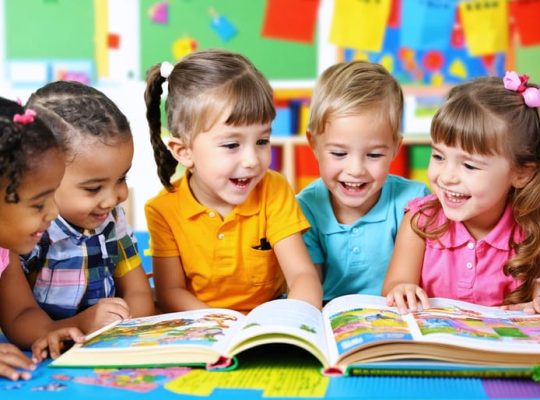
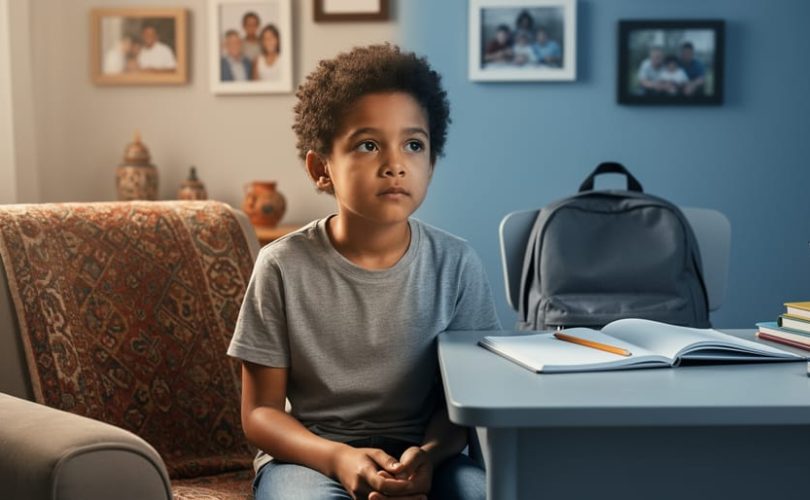
Acculturative stressors are the psychological, social, and practical pressures people experience when navigating between two or more cultural systems. For children in multicultural families, these stressors might look like struggling to translate for parents at a doctor’s appointment, feeling caught between different expectations at home and school, or worrying that speaking their heritage language will make them stand out. Unlike everyday stress, acculturative stress stems directly from the work of bridging cultural worlds, and it affects millions of children growing up between cultures.
These stressors are real, measurable, and they matter. Research consistently shows that acculturative stress can affect children’s mental health, academic performance, and sense of belonging. But here’s what parents and professionals need to understand: experiencing acculturative stress doesn’t mean something is wrong with your child or your family. It means your child is doing the complex developmental work of integrating multiple cultural identities, often without a roadmap.
“I see families who worry that their child’s distress means they’ve failed somehow,” explains Dr. Maria Gonzalez, a clinical psychologist specializing in multicultural child development. “But acculturative stress is a normal response to a genuinely challenging situation. The goal isn’t to eliminate it entirely but to recognize it and build skills to manage it.”
This article breaks down what acculturative stressors actually are, how they show up in children’s daily lives, and what creates them. More importantly, you’ll learn to recognize the signs that a child is struggling with these pressures and discover practical strategies to help them build resilience while honoring both their heritage and their current cultural context. Understanding acculturative stress is the first step toward supporting children as they develop strong, integrated identities across cultural worlds.
What Acculturative Stressors Mean for Families
Acculturative stressors are the specific pressures and challenges that arise when families adapt to a new culture while maintaining connections to their heritage culture. These aren’t ordinary stressors, they’re rooted in the ongoing process of cultural adjustment, creating unique tensions that many immigrant and multicultural families face daily.
At its core, acculturation is about change. When families move between cultures or raise children in a cultural context different from their own upbringing, everyone must navigate new values, languages, social norms, and expectations. Acculturative stressors emerge from this navigation process. They include everything from language barriers and discrimination to conflicting cultural expectations about family roles, education, and identity.
What makes these stressors distinct from general life stress is their cultural foundation. While all families face challenges like financial pressure or school difficulties, acculturative stressors specifically stem from cultural transitions and conflicts. A child struggling with homework faces general stress. That same child translating medical forms for a non-English-speaking parent while managing homework faces acculturative stress, the added burden comes directly from navigating between two cultural and linguistic worlds.
Understanding a few key terms helps clarify how families experience acculturation:
- Acculturation
- The process of learning and adapting to a new culture while potentially maintaining aspects of one’s heritage culture.
- Assimilation
- Adopting the new culture completely while letting go of the heritage culture, often to fit in with the mainstream society.
- Integration
- Successfully maintaining one’s heritage culture while also participating fully in the new culture, creating a bicultural identity.
- Separation
- Maintaining strong ties to the heritage culture while avoiding or rejecting involvement with the new culture.
- Marginalization
- Feeling disconnected from both the heritage culture and the new culture, belonging fully to neither.
These different acculturation pathways create different stressors. A teenager pursuing integration might feel torn between family expectations and peer culture. Parents favoring separation might clash with children who want to assimilate. These tensions become the daily fabric of acculturative stress, affecting how children see themselves and how families relate to each other.
How Acculturative Stress Develops and Affects Children

The Intergenerational Dynamic
Children typically adopt the language, social norms, and behaviors of their new culture much faster than their parents do. This creates what researchers call an acculturation gap in families where parents and children exist in different cultural spaces even under the same roof. The gap grows wider when children spend their days immersed in schools and peer groups that reflect mainstream culture while parents maintain stronger ties to heritage values and traditions.
This mismatch often flips traditional family roles. Children become cultural brokers for their parents, translating not just language but navigating appointments, filling out forms, and explaining social expectations that parents find confusing. An eight-year-old might interpret for a doctor while a parent describes symptoms, or a teenager might negotiate with a landlord on behalf of the family. These responsibilities place children in adult roles before they’re developmentally ready.
The role reversal strains parent-child relationships and authority structures. Parents may feel their authority diminished when they depend on children for basic tasks. Children often feel burdened by responsibilities beyond their years, sometimes resentful that they must explain their own culture to their parents. This dynamic can compound existing generational trauma adding another layer of stress to family systems already navigating significant transitions.
Developmental Considerations
Acculturative stress looks different at each stage of childhood. Preschoolers may show their distress through clinginess, separation anxiety, or regression in skills like toilet training when navigating between home and daycare cultures. They absorb family stress without language to name their feelings, often expressing confusion through behavior rather than words.
School-age children face greater awareness of cultural differences as they notice how their family does things differently from peers. They may feel embarrassed about packed lunches, home language, or family customs. These children often become “cultural interpreters,” translating for parents and mediating between worlds, a responsibility that can accelerate maturity while creating stress. Their developing sense of self becomes intertwined with questions about fitting in and belonging.
Adolescents experience acculturative stress most acutely as identity formation intensifies. They’re simultaneously trying to answer “who am I?” while navigating “which culture am I?” This developmental stage brings heightened sensitivity to peer acceptance, making cultural differences feel more pronounced. Teens may distance themselves from heritage culture to fit in, creating family conflict, or they may reject mainstream culture, limiting opportunities. The interplay between social culture and personal identity becomes particularly complex during these years, requiring parents to balance support with autonomy.
Common Types of Acculturative Stressors
Language and Communication Challenges
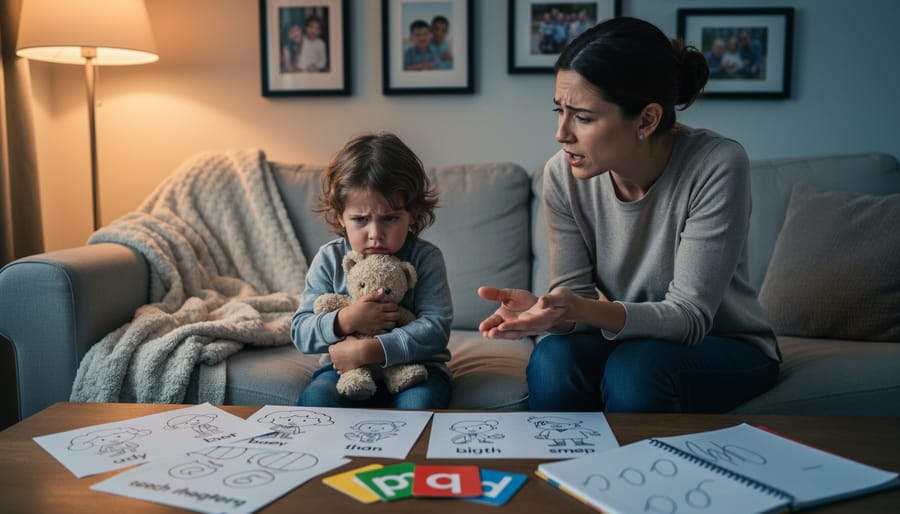
Language barriers create some of the most immediate and persistent stressors for children in multicultural families. When a child’s home language differs from the dominant school or community language, they may struggle to express themselves fully in either setting. At school, limited fluency can lead to academic difficulties, frustration with assignments, and exclusion from peer conversations. Children might withdraw from class participation not because they lack knowledge, but because they can’t articulate their thoughts quickly enough. Social settings amplify this stress, playground banter, jokes, and cultural references often get lost in translation, leaving children feeling isolated even when surrounded by classmates.
Many children also take on the role of family translator, managing adult responsibilities like interpreting at doctor’s appointments or handling bills, which creates anxiety and role confusion. This linguistic burden can be overwhelming. However, research shows that language diversity brings cognitive advantages when properly supported, making it essential to validate both languages rather than viewing the home language as a deficit to overcome.
Cultural Identity and Belonging
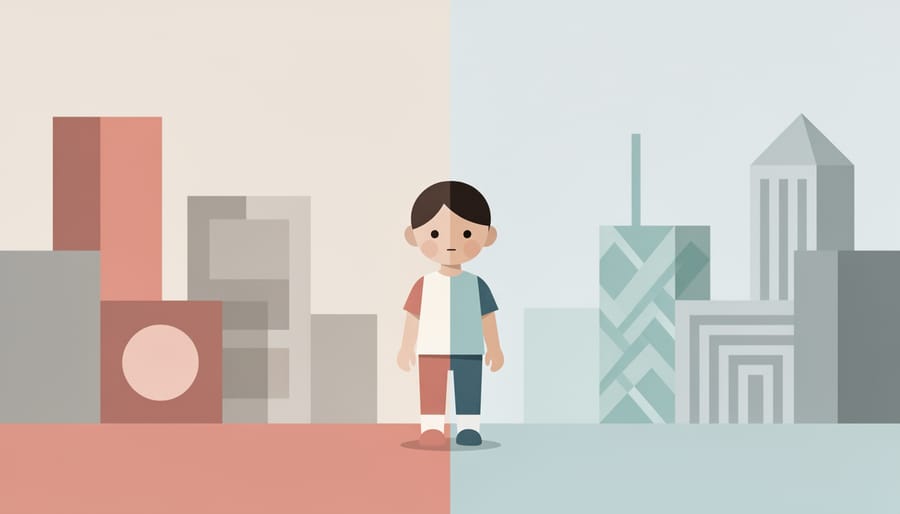
Children in multicultural families often feel like they’re straddling two worlds, never quite fitting fully into either. At home, they might speak their heritage language, follow traditional customs, and honor family values that emphasize respect for elders or collective well-being. At school and with peers, they encounter different norms around independence, self-expression, and social behavior.
This constant code-switching creates deep questions about identity. “Am I American enough? Am I still authentically part of my family’s culture?” These doubts intensify when children face subtle messages that their home culture is foreign or less valuable. A child might feel embarrassed about the food their parent packs for lunch, hide their ability to speak another language, or downplay cultural celebrations that seem “different.”
The stress becomes particularly acute during adolescence, when identity formation is already challenging. Teens may feel pressure from family to maintain cultural traditions while simultaneously wanting to fit in with mainstream peers. Some respond by rejecting one culture entirely, others attempt to keep them completely separate, and many struggle with integration, finding a comfortable bicultural identity that honors both parts of themselves.
Discrimination and Microaggressions
Experiences of discrimination, from overt slurs to subtle microaggressions, create persistent stress that accumulates over time. A child might face comments about their accent, questions implying they’re “foreign” despite being born locally, or assumptions based on their appearance. Teachers might mispronounce their name repeatedly without effort to learn it, or peers might exclude them from activities because they’re “different.”
Microaggressions are particularly insidious because they’re often dismissed as harmless or unintentional, leaving children doubting their own reactions. When adults minimize these experiences (“they didn’t mean it that way”), children learn their feelings don’t matter, compounding the stress. Over time, this chronic exposure to bias, whether in school, public spaces, or media representation, affects self-esteem, belonging, and mental health, contributing significantly to the overall burden of acculturative stress.
Educational and Social Adjustments
Children navigating new educational systems often encounter starkly different classroom expectations that create ongoing stress. Many immigrant families come from cultures valuing teacher authority and rote learning, while Western classrooms emphasize student participation and critical thinking. A child may feel paralyzed when asked to challenge a teacher’s viewpoint or speak up in class discussions, behaviors their home culture might consider disrespectful.
Social dynamics add another layer of complexity. Playground rules, birthday party protocols, and friendship formation often follow unspoken cultural scripts that immigrant children must decode through trial and error. What counts as appropriate personal space? How do you decline an invitation politely? When is it okay to disagree with friends? These seemingly small uncertainties accumulate into significant social anxiety.
Peer relationships become particularly challenging when children feel pressure to choose between cultural identities. They might hide traditional foods at lunch, downplay their language abilities, or distance themselves from newly arrived immigrant peers to fit in with mainstream groups, all while managing guilt about betraying their heritage.
Recognizing Acculturative Stress in Your Child
Spotting acculturative stress isn’t always straightforward. Children don’t typically announce “I’m struggling with cultural adjustment.” Instead, the stress shows up in changes to their daily functioning, mood, and physical wellbeing. Understanding these patterns helps you respond before small struggles become bigger problems.
Watch for shifts in your child’s behavior, particularly if multiple signs appear together or persist over weeks. Acculturative stress often manifests through:
- Emotional symptoms: increased anxiety about school or social situations, persistent sadness or irritability, withdrawing from family activities they once enjoyed
- Behavioral changes: declining grades or resistance to schoolwork, avoiding peers or social events, increased conflict at home, regressing to younger behaviors
- Physical complaints: frequent headaches or stomachaches without medical cause, changes in appetite, difficulty falling or staying asleep, fatigue despite adequate rest
Context matters when interpreting these signs. A child who suddenly refuses to speak their heritage language at home, insists on “American” foods only, or expresses shame about cultural traditions may be experiencing identity-related stress. Similarly, a previously outgoing child who becomes socially isolated after starting a new school might be navigating peer exclusion or cultural differences in friendship norms.
Pay attention to what your child says, but also what they don’t say. Some children, especially those translating for parents or feeling responsible for family adjustment, hide their struggles to avoid burdening adults. They might minimize experiences of discrimination or pretend everything’s fine while their mental health quietly deteriorates.
Trust your parental instinct. You know your child best. If something feels off, even without clear symptoms, that concern deserves attention. Early recognition creates opportunities for support before stress becomes overwhelming.
How Families Can Navigate and Reduce Acculturative Stress
Building Bicultural Confidence
Children thrive when they see both their cultures as sources of strength rather than conflict. Building bicultural confidence means helping your child integrate both their heritage culture and their new environment into a coherent, positive sense of self.
Start by actively celebrating your cultural heritage at home. Share stories from your childhood, cook traditional foods together, observe cultural holidays, and explain the meaning behind family customs. When children understand the “why” behind their family’s traditions, they develop pride rather than embarrassment. Create opportunities for your child to connect with extended family, whether through visits, video calls, or letters that maintain those cultural bonds.
Language maintenance is particularly powerful for bicultural confidence. Children who maintain their home language often show stronger ethnic identity and self-esteem. Even if your child resists speaking the heritage language, continue speaking it to them, comprehension alone provides cultural connection and cognitive benefits.
Help your child see their bicultural identity as an advantage. Point out the unique perspectives they bring, the expanded world they inhabit, and the bridge-building role they can play. When they experience cultural conflict, feeling “too American” at home or “too foreign” at school, validate that tension while emphasizing that belonging to both worlds expands rather than divides them.
Strengthening Family Communication
Open conversations about cultural experiences help families navigate acculturative stress together. Create regular opportunities for your child to share their feelings about cultural differences they notice at school, with peers, or in the broader community. Listen without immediately offering solutions or minimizing their concerns, sometimes children simply need their experiences validated.
Acknowledge when your own acculturation journey differs from your child’s. You might say, “I know you’re experiencing this differently than I did,” which opens space for honest dialogue. When disagreements arise about cultural practices or expectations, explore the underlying values rather than demanding compliance. Ask questions like, “What feels important to you about this?” to understand their perspective.
Share your own navigation stories, including moments of cultural confusion or growth. This vulnerability shows your child that cultural adjustment is a process, not a failure, and strengthens your bond through shared experience.
Finding Community and Connection
Isolation intensifies acculturative stress, while connection softens it. Ethnic community organizations, cultural centers, and religious institutions offer children spaces where their heritage feels normal rather than “other.” These settings provide peer relationships with shared cultural reference points, reducing the exhausting work of constant cultural translation.
Multicultural friendships matter too. Children benefit from diverse friend groups that normalize cultural hybridity rather than demanding they choose one identity. Parent groups connecting families navigating similar experiences create networks where parents exchange strategies and children see their family’s journey reflected in others.
Schools with cultural affinity groups, heritage language programs, or multicultural family associations give children structured opportunities for cultural belonging. These connections don’t replace mainstream integration but provide necessary cultural anchoring that makes bicultural navigation sustainable rather than depleting.
When to Seek Professional Support
While most families manage acculturative stress without formal intervention, certain signs indicate your child would benefit from professional support. Consider reaching out to a mental health professional if your child experiences persistent changes in mood lasting more than a few weeks, significant academic decline unrelated to language barriers, withdrawal from family and friends, physical symptoms without medical explanation, or expressions of hopelessness about their situation.
Finding the right support matters tremendously. Look for therapists with multicultural competence who understand acculturation challenges rather than pathologizing cultural differences. Ask potential providers about their experience working with immigrant families and bilingual children. Many communities have cultural centers or immigrant support organizations that can recommend culturally informed practitioners.
Don’t hesitate to seek help. Early intervention prevents smaller struggles from becoming larger mental health concerns. A culturally competent therapist can help your child develop healthy coping strategies while honoring their bicultural identity, turning acculturative stress into an opportunity for resilience and growth.
Common Questions About Acculturative Stressors

Navigating acculturative stress raises many questions for parents who want to support their children while honoring their cultural heritage. These concerns often reflect the complexity of raising children across cultures, and understanding the nuances can help families make informed decisions that work for their unique situation.
Is it better for my child to fully assimilate into the mainstream culture?
Research consistently shows that children who maintain strong connections to both their heritage culture and mainstream culture (bicultural integration) tend to have better mental health outcomes than those who fully assimilate and disconnect from their cultural roots. Cultural heritage provides children with identity strength, family connection, and resilience.
How long does acculturative stress typically last?
Acculturative stress is not a temporary phase with a fixed timeline. While initial adjustment challenges often peak in the first one to three years after immigration or major cultural transitions, some stressors persist as children navigate identity development through adolescence. The intensity typically decreases as children develop coping skills and bicultural competence.
Can acculturative stress affect very young children?
Yes, even preschool-aged children experience acculturative stress, though it manifests differently than in older children. Young children may struggle with language transitions in childcare settings, feel confused by different behavioral expectations between home and school, or sense family tension without understanding its source.
Should we only speak English at home to help our child adjust?
Maintaining your heritage language at home benefits children cognitively, emotionally, and socially. Bilingualism supports brain development, preserves family communication across generations, and strengthens cultural identity. Children can successfully learn English at school while speaking their home language with family.
How can schools help reduce acculturative stress for multicultural students?
Schools can reduce acculturative stress by celebrating cultural diversity, providing English language support without stigma, training staff in cultural competence, creating inclusive curricula that reflect diverse backgrounds, and facilitating connections between multicultural families. Teacher awareness of acculturative challenges makes a significant difference in student wellbeing.
These questions reflect the real challenges families face, and there are rarely simple yes-or-no answers. What works for one family may not fit another’s circumstances, values, or resources. Trust your knowledge of your child and your cultural priorities while remaining open to strategies that honor both your heritage and your current environment. The goal is not perfection in balancing cultures, but rather creating space for your child to develop a strong, integrated identity that draws strength from all parts of their experience.
Navigating acculturative stress isn’t a sign that something’s wrong with your family. It’s a natural response to the complex reality of living between cultures, adapting to new environments, and maintaining meaningful connections to heritage while building a life in a new context. The stress your child experiences reflects the real challenges of this journey, not a personal failing or inadequacy.
What often gets overlooked in discussions of acculturative stress is the profound strength it can build. Children who successfully navigate these challenges develop remarkable skills: cultural flexibility, perspective-taking, multilingual abilities, and resilience that serves them throughout life. Research consistently shows that bicultural individuals often demonstrate enhanced creativity, problem-solving, and interpersonal competence. The very process that creates stress can also create growth.
You don’t need to navigate this alone. Reaching out for support, whether through cultural community groups, school counselors familiar with immigrant experiences, or mental health professionals trained in multicultural issues, isn’t admitting defeat. It’s recognizing that major life transitions require resources and connection.
Continue celebrating your heritage at home. Maintain relationships with extended family and cultural community. Share stories about your own experiences adapting between cultures. Let your child see that holding multiple identities isn’t about choosing sides but about embracing the richness of who they are.
Your family’s multicultural identity is a gift, even when the path feels challenging. With patience, support, and cultural pride, you’re raising children equipped to thrive in an increasingly interconnected world.