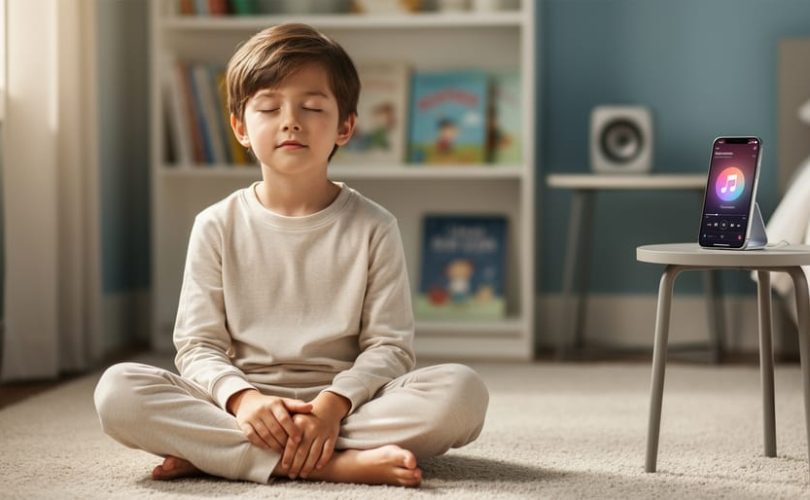
Music can be one of the simplest, most accessible tools to help an anxious child find calm in the moment. Whether you’re facing a meltdown before school, a restless bedtime, or the low hum of worry that follows your child through the day, the right playlist or track can lower heart rates, quiet racing thoughts, and create a safe space to breathe. This guide shares eight carefully chosen playlists and albums designed to meet different needs: quick relief when emotions spike, deep relaxation for sleep, gentle background sound for homework, and structured sessions that guide children through releasing tension step by step.
You don’t need special equipment or training. A phone, a speaker, and a few minutes are enough. Each recommendation here has been selected for its specific use case, so you can match the music to the moment and your child’s unique needs. Some playlists offer hours of uninterrupted ambient sound, perfect for overnight anxiety or long study sessions. Others provide short, guided meditations that teach calming techniques in under ten minutes. A few blend soothing instrumental tracks that work beautifully during yoga, art time, or simply sitting together when words feel too hard.
Music isn’t a cure, and it won’t replace professional support when anxiety is severe or persistent. But as a everyday tool, it’s portable, non-invasive, and something children can learn to reach for themselves as they grow. Let’s explore the options that can bring a little more peace into your home, classroom, or car right now.
How We Chose These Songs and Playlists
We curated these eight songs and playlists by focusing on what anxious children genuinely need in different moments, quick relief before a test, deep calm at bedtime, or gentle background support during homework. Each selection meets specific criteria designed to match how children experience and manage anxiety throughout their day.
Our selection criteria included:
- Track length suited to children’s attention spans: 1-10 minutes for quick relief, 20+ minutes for deeper calm, and extended options for sleep
- Clear use case alignment: sleep support, studying focus, yoga and movement, meditation practice, or emotional reset after upsetting events
- Accessibility on major streaming platforms so families can start using them immediately without additional purchases
- Calming elements like ambient soundscapes, guided voice prompts, nature sounds, and gentle instrumentation that promote stress relief and mindfulness without overstimulation
- Age-appropriate content free from lyrics or themes that might confuse or distract young listeners
The variety in 2026 offerings matters because anxiety triggers differ widely among children. One child might respond to a brief guided meditation that walks them through releasing tension, while another finds comfort in a 24-hour ambient soundscape that plays through the night. Research shows that music reduces test anxiety and supports emotional regulation, but the format that works depends on the child’s age, the situation, and personal preference. Short meditations help when a child needs to calm down fast, before a challenging conversation or during a moment of overwhelm. Longer playlists work better for sustained activities like falling asleep, completing homework, or practicing mindfulness exercises with a parent or therapist.
1. Anxiety Relief Meditation 2026, Best for General Stress and Worry
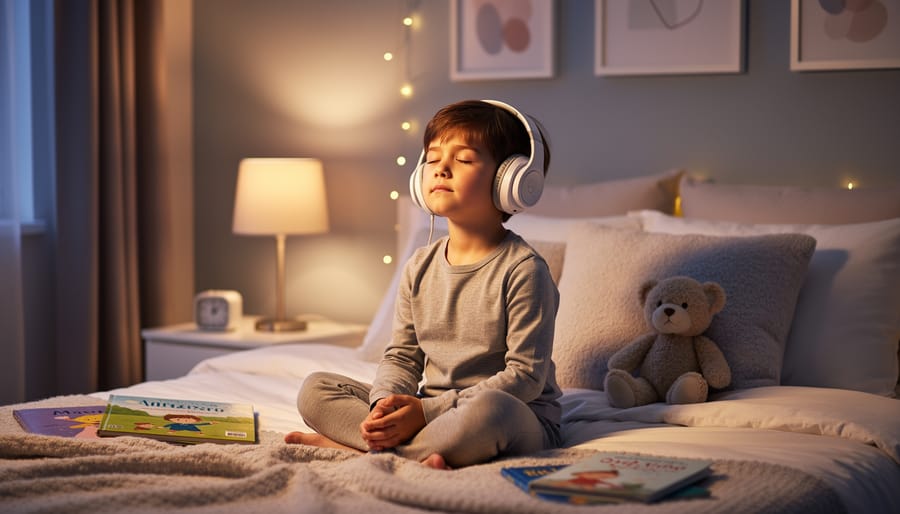
The Anxiety Relief Meditation 2026 playlist serves as an ideal starting point for parents looking to help children manage everyday stress and worry. This collection brings together a range of stress and anxiety relief music specifically curated for 2026, making it a timely resource that reflects current approaches to calm and mindfulness.
What makes this playlist particularly valuable is its variety. Rather than a single sound or style, it offers different tracks that can appeal to different children and different moods, helping families find what resonates most. The 2026 curation means the selection reflects what listeners are finding most helpful right now, not outdated or generic options.
This playlist works best for general anxiety situations. Consider playing it after school when your child seems wound up or overwhelmed by the day’s events. It can also help before tests or presentations, when anticipatory worry builds. The key is introducing it gently: let your child explore the playlist together with you first, perhaps during a calm moment on the weekend, so it becomes familiar before they need it during stress. You might say, “I found some relaxing music we could listen to together,” rather than positioning it as a fix for a problem. That way, it becomes a positive tool they feel comfortable reaching for.
2. Stress Relief Guided Meditation, Best for Quick, Targeted Relief
When your child is spiraling into worry or frustration and you need a tool that works right now, this playlist delivers. Stress Relief Guided Meditation features short sessions ranging from one to ten minutes, each designed to quickly relax, de-stress, and restore calm. These bite-sized meditations are ideal for moments when anxiety strikes suddenly: before a test, during a transition between activities, or mid-meltdown when your child needs to reset fast.
The brevity is the strength here. Young children rarely have the patience or capacity for long meditation sessions, especially when distressed. A three-minute guided breathing exercise or a five-minute body scan gives them just enough structure to shift out of fight-or-flight mode without demanding prolonged stillness. You can cue up a track while your child is in the car on the way to school, before walking into a crowded birthday party, or during a homework meltdown when emotions are running high.
Parents often keep this playlist bookmarked for those unpredictable moments, treating it like a first-aid kit for emotional overwhelm. The guided voice offers gentle direction, which can be particularly grounding for children who struggle to self-soothe or who benefit from external prompts to regulate their breathing and attention.
3. Best Mindfulness Meditation Music 2026, Best for Deep Calm and Healing
This 2026 playlist delivers deep ambient meditation music designed for mindfulness, calm, and healing. It features Reiki-inspired soundscapes and chakra balancing tones, two concepts that sound mysterious but are actually straightforward. Reiki is a gentle energy healing practice focused on relaxation and balance, and chakras refer to energy centers in the body that correspond to different emotional and physical states. You don’t need to believe in these systems for the music to work; the soft, sustained tones and ambient textures naturally encourage slow breathing and deep focus, which helps anxious children settle.
Use this playlist when your child needs prolonged, immersive calm, during an anxiety episode, a lengthy bedtime wind-down, or a mindfulness session. The tracks are longer and more abstract than quick-relief meditations, so they suit children who can sit still for 10 to 20 minutes or who fall asleep more easily with continuous, gentle sound. If your child is curious about the chakra or Reiki references, frame them simply: “special sounds made to help you feel balanced and peaceful.” The goal is comfort, not comprehension.
4. Studying, Yoga, Calming Music for Anxiety, Best for Focus and Active Calm
The “Studying, Yoga, calming music for anxiety” playlist addresses a reality many parents face: children who need to stay focused and calm simultaneously. Whether your child is tackling homework after a long school day, practicing gentle yoga to manage tension, or participating in therapeutic activities, this 2026 collection offers relaxing songs designed for sustained concentration without overstimulation.
What sets this playlist apart is its dual benefit. The carefully selected tracks create a soothing background that reduces anxiety while supporting the kind of gentle focus needed for studying or deliberate movement. Unlike high-energy music that can distract, or complete silence that might feel overwhelming, these ambient selections strike a balance that helps anxious children settle into productive calm.
Consider using this playlist during homework sessions when your child feels scattered or stressed about assignments. The steady, non-intrusive soundscape can anchor their attention without pulling focus from the task. It’s equally valuable during children’s yoga classes or home practice, where the music supports breath work and mindful movement. Some parents find it helpful during occupational therapy sessions, massage, or evening wind-down routines that prepare children for sleep and anxiety management.
The key is matching the music to activities that require both calm and presence, creating an environment where your child can engage without fighting their anxiety.
5. Anxiety & Stress Reset, 2026 (Negative Energy Reset), Best for Emotional Reset
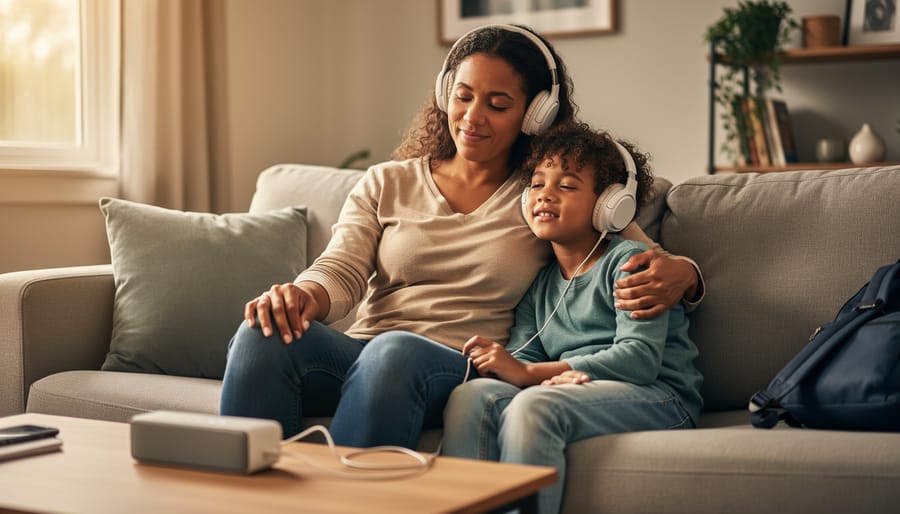
The “Anxiety & Stress Reset, 2026 (Negative Energy Reset)” playlist is designed for moments when your child needs to hit pause and recalibrate emotionally. Whether they’ve just had a tough conversation with a friend, felt overwhelmed by classroom noise, or are spiraling after a disappointing event, this collection offers a deliberate reset button. The playlist’s tagline captures its purpose: “Silence the noise, reset your stress. Take a deep breath and let the calm take over.”
Think of this as an emotional do-over for your child. After conflict, overstimulation, or upsetting news, kids often carry tension forward into the next activity or interaction. Playing this playlist creates a brief interlude where they can physically step back, breathe, and release what just happened. The metaphor of a “negative energy reset” isn’t about mysticism but about giving children permission to shake off a bad moment and start fresh.
Use it after school meltdowns, sibling arguments, or anytime your child seems stuck replaying something distressing. Even five to ten minutes can shift their emotional state, helping them approach the rest of the day with a clearer, calmer mindset.
6. Meditation Sleep Sounds • 24 Hours of Calm and Relaxation, Best for Sleep and Overnight Anxiety
This extended playlist offers something many anxious children need most at night: uninterrupted calm. Running a full 24 hours, it’s specifically designed to address anxiety, stress, and sleep challenges without requiring parents to restart tracks in the middle of the night. For children who wake frequently, struggle to fall asleep due to racing thoughts, or need consistent background sound to feel secure, this continuous format becomes a reliable overnight companion.
The playlist’s length solves a practical problem. Unlike shorter tracks that end abruptly and might startle a light sleeper awake, this option plays through the entire night and into the next day if needed. Parents can set it at a low volume before bedtime, knowing it won’t cut off during the vulnerable early morning hours when some children experience peak anxiety.
It works particularly well for kids who find silence unsettling or who fixate on worries once the lights go out. The steady soundscape fills the quiet space without demanding attention, creating a sonic blanket that helps anxious minds settle. Some families leave it playing during daytime rest periods too, especially on difficult days when a child needs ongoing support to stay regulated.
7. Guided Meditation For Releasing Stress (Album), Best for Structured, Timed Sessions
The album “Guided Meditation For Releasing Stress” offers something many 2026 playlists don’t: three distinct, professionally structured sessions built for different moments in a child’s day. Released in 2009 and still widely used, this album includes tracks at 6, 10, and 20 minutes, allowing you to match the session length to your child’s age, mood, and available time.
The 6-minute track works well for younger children (ages 4-7) or quick mid-day resets, before school drop-off, after a sibling argument, or during a homework break. The 10-minute option suits older elementary-aged children who can sustain focus a bit longer, while the 20-minute session provides deeper relaxation for tweens, bedtime routines, or moments when anxiety feels overwhelming.
Each track features a calm, guiding voice that walks children through the process of releasing tension and stress step-by-step. This structure is especially helpful for children who struggle with unguided silence or don’t yet know how to self-soothe. Parents often pair these sessions with simple techniques like 4-7-8 breathing to reinforce calm.
The album’s enduring popularity across nearly two decades speaks to its effectiveness. Unlike trend-driven playlists that shift yearly, these three tracks remain a reliable, evidence-informed resource families return to again and again.
8. Short Calming Tracks from Other 2026 Collections, Best for Variety and Personalization
Beyond the seven featured selections, the 2026 landscape offers dozens of additional calming music collections that deserve exploration. You’ll find 40-song and 50-song compilations spanning nature soundscapes (rain, ocean waves, forest ambience), pure instrumental pieces (piano, guitar, harp), and layered ambient tracks designed specifically for stress relief. These larger collections give families room to experiment and discover what truly resonates with their child.
Some children respond best to the structured predictability of classical music, while others need the organic irregularity of birdsong or running water. A track that soothes one child might feel overstimulating to another. This variation is completely normal and expected. Browse different collections, let your child sample a few songs from each, and pay attention to their body language and feedback. If a particular sound helps them breathe deeper or settle more quickly, you’ve found a keeper.
Building a personalized playlist takes time, but the payoff is significant. When you find the right support tools for your child’s unique needs, you create a reliable, portable comfort resource they can turn to anywhere.
How to Use Music to Calm Anxiety in Your Child’s Daily Routine
The best way to help music work for your child is to weave it into moments when anxiety tends to spike. Try playing a short track from the Stress Relief Guided Meditation playlist during morning transitions, when rushing out the door can trigger worry. Keep volume soft enough that your child can still hear you, and consider using a speaker rather than headphones so they feel connected to their surroundings. For homework time, the Studying, Yoga, Calming Music for Anxiety playlist offers gentle background support without competing for attention.
Pre-bedtime is often the easiest entry point. One parent I spoke with discovered that playing the 6-minute track from Guided Meditation For Releasing Stress while sitting with her daughter at the end of the day transformed their nightly battles. She simply dimmed the lights, pressed play, and held her child’s hand while the guided voice led them both through releasing the day’s tension. Within two weeks, her daughter asked for “our music time” without prompting. The routine became an anchor.
Post-conflict cool-downs benefit from the Anxiety & Stress Reset playlist, which you can cue up in a quiet corner or your child’s room after an upset. Pair the music with slow breathing: breathe in for four counts, out for four counts, matching the rhythm of the sounds. During therapy sessions or mindfulness exercises, let your therapist know you are exploring understanding childhood anxiety through music, and ask how to coordinate strategies. The key is repetition and patience. Your child will begin to associate certain tracks with safety and calm, making the music itself a signal that everything is okay.
When to Seek Additional Support
Music can be a wonderful companion in managing everyday anxiety, but it works best as part of a broader support system. If your child’s anxiety persists despite calming routines, interferes with school or friendships, causes physical symptoms like stomach aches or sleep problems, or leads to frequent meltdowns, it’s time to reach out for professional guidance. Start with your pediatrician, who can rule out medical causes and provide referrals. School counselors often notice patterns you might miss at home and can connect you with resources. Child therapists specializing in anxiety offer evidence-based strategies that complement tools like calming playlists.
There’s no conflict between using music and seeking professional help, in fact, therapists often recommend combining calming routines with therapeutic techniques. You’re not giving up by asking for support; you’re building a stronger toolkit for your child. Trust your instincts. If something feels off or your worry is growing, that’s reason enough to consult someone who can help.
Frequently Asked Questions About Music and Childhood Anxiety
What type of music works best for anxious children?
Ambient meditation music, nature sounds, and guided meditation tracks tend to work well because they minimize sudden changes and overstimulation. The playlists we’ve covered offer different approaches, some use Reiki-inspired soundscapes and chakra balancing tones for deep calm, while others feature short guided sessions that talk children through relaxation techniques. Watch your child’s response; some kids find instrumental music soothing, while others prefer a gentle voice guiding them. There’s no universal “best”, the right choice is whatever genuinely helps your child settle.
How long should a music session be?
Start short and adjust based on your child’s age and attention span. For quick relief during stressful moments, one to ten minutes often works well, enough time to reset without losing focus. Bedtime or deeper relaxation sessions can extend to twenty minutes or longer, especially for older children who can sustain quiet time. The Guided Meditation For Releasing Stress album offers six-, ten-, and twenty-minute options precisely for this reason. If your child fidgets or loses interest, scale back; forcing a lengthy session defeats the purpose.
Can music replace therapy or other anxiety treatment?
No. Music is a helpful support tool, not a substitute for professional care when anxiety is severe, persistent, or disrupting daily life. It works well alongside therapy, medication, or other interventions your child’s healthcare team recommends.
Is it safe to play calming music overnight?
Yes, at low volume. Many families use extended playlists like the 24-hour Meditation Sleep Sounds collection to provide continuous background sound throughout the night. Just keep the volume gentle to protect hearing and avoid dependency on needing sound to sleep.
Are there any downsides to using music for anxiety relief?
Very few, but avoid using music as the only coping strategy or letting it delay needed professional support. Some children may become reliant on specific tracks, so it helps to rotate playlists and teach additional calming techniques like breathing exercises.
The key is treating music as one component of a broader anxiety-management toolkit. Pair it with open conversations, physical activity, consistent routines, and professional guidance when needed. Music shines when it complements these other strategies rather than standing alone.
Music to calm anxiety is an accessible, evidence-informed tool that families can explore in 2026 through the eight diverse playlists and tracks we’ve curated here. Each option, from quick one-minute meditations to 24-hour overnight soundscapes, addresses a different need, whether your child is grappling with bedtime worry, pre-test jitters, or a difficult emotional moment. There’s no single right answer; what soothes one child may not resonate with another, and that’s perfectly okay.
We encourage you to experiment with several of these selections, paying attention to when and how your child responds. Trust your instincts as you build a personalized anxiety-relief toolkit. Music won’t solve every challenge, and it works best alongside other support, but it can become a comforting ritual that helps your child feel safe and grounded. You’re not alone in this journey, and every small step toward calm matters.