
Cognitive behavioral therapy (CBT) is a structured, goal-oriented form of psychotherapy that helps children identify and change unhelpful thoughts and behaviors that contribute to emotional difficulties. Unlike traditional talk therapy, CBT focuses on teaching practical skills children can use right now to manage anxiety, depression, behavioral challenges, and other mental health concerns.
The question on many parents’ minds is simple: Can my child actually do this? The answer is yes, and often earlier than you might think. Children as young as 5 to 6 years old can benefit from CBT when therapists adapt techniques to match their developmental stage. This isn’t about asking a kindergartener to analyze complex thought patterns. Instead, therapists use play, stories, drawings, and hands-on activities to help young children recognize feelings and practice new ways of responding to challenges.
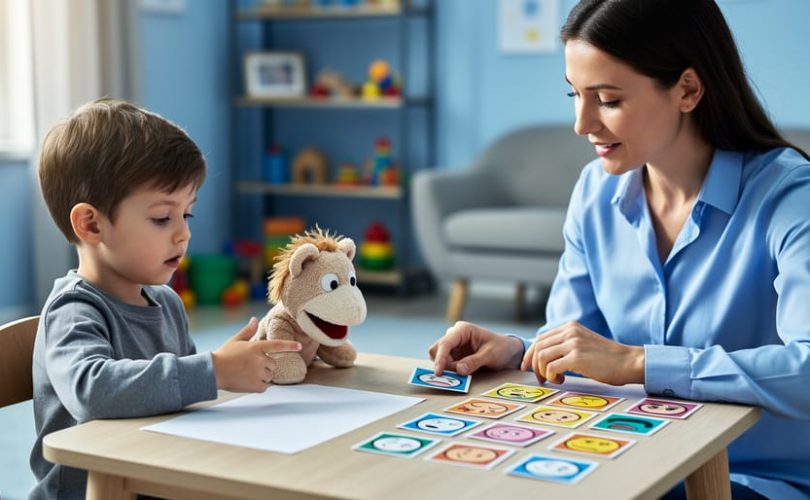
As Dr. Sarah Chen, a child psychologist who’s worked with families for over 15 years, puts it: “Parents are sometimes surprised when I tell them their 7-year-old is ready for CBT. They picture an adult lying on a couch talking about childhood. But CBT with kids looks completely different. We might use puppets to practice brave behaviors or create a ‘worry monster’ they can talk back to.”
The evidence supports early intervention. Programs like the Child Cognitive Behavioral Therapy Program at Mass General Brigham now treat children as young as 3, while stepped-care protocols have shown effectiveness for kids aged 7 to 12 with mild to moderate anxiety. The Canadian Paediatric Society has developed evidence-based guidelines specifically addressing how psychotherapy, including CBT, can prevent and treat anxiety disorders in young people.
This article walks through exactly how CBT is adapted across different ages, what techniques therapists use with children from preschool through adolescence, and how to know if your child is ready to begin.
What CBT Means for Children
Cognitive behavioral therapy for children is a structured, evidence-based talk therapy that teaches kids how their thoughts, feelings, and actions influence each other. Rather than focusing solely on the problem itself, CBT gives children practical tools to recognize unhelpful thinking patterns and change the behaviors that keep them stuck. A child who thinks “everyone hates me” might avoid social situations, which then reinforces their belief that they don’t fit in. CBT breaks this cycle by helping kids test their assumptions and try new responses.
The foundation of CBT rests on a simple but powerful idea: our thoughts shape how we feel, and how we feel influences what we do. When a child learns to spot the connection between these three elements, they gain the ability to interrupt negative cycles. A young person afraid of dogs might think “all dogs will bite me,” feel terrified when seeing a dog, and then refuse to visit friends who have pets. Through CBT, they learn to examine that thought, recognize that most dogs are friendly, gradually face their fear in small steps, and discover their anxiety decreases with each positive experience.
- Cognitive Triangle
- The relationship between thoughts, feelings, and behaviors. When one changes, the others shift too, which is why CBT targets all three elements.
- Thought Patterns
- Repeated ways of thinking that happen automatically, like jumping to worst-case scenarios or mind-reading what others think. Children learn to notice and question these patterns.
- Behavioral Activation
- The practice of doing activities even when you don’t feel like it, which often improves mood and breaks cycles of avoidance or withdrawal.
- Coping Skills
- Specific techniques children can use to manage difficult emotions or situations, such as deep breathing, problem-solving steps, or positive self-talk.
What sets CBT apart from other therapies is its focus on teaching skills rather than just providing support. While supportive counseling helps children feel heard and understood, CBT actively trains them to become their own therapist over time. Sessions include homework, practice assignments, and concrete strategies children can apply immediately. This hands-on, present-focused approach makes it particularly effective for anxiety, depression, and behavioral challenges in young people.
How CBT Works for Kids
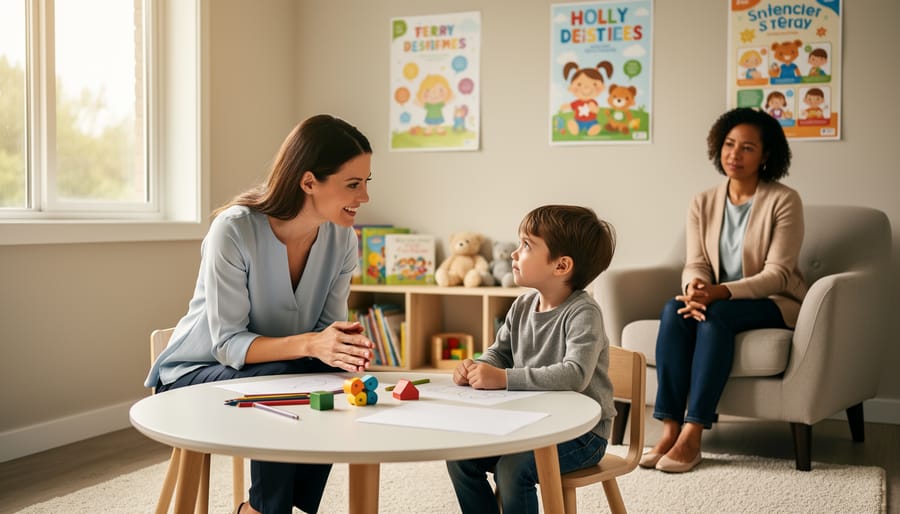
CBT sessions for children look different from adult therapy because they’re built around how kids naturally communicate and learn. While adults can sit and talk through abstract concepts, children need hands-on, interactive approaches that meet them where they are developmentally. A therapist working with a child might pull out art supplies, games, or stuffed animals to help explain feelings and practice new skills, making the work feel less intimidating and more engaging.
The process typically starts with helping kids recognize and name their emotions. Therapists use tools like feelings charts with faces, body maps that show where emotions live physically, or emotion thermometers that rate intensity from 1 to 10. Once a child can identify “I’m feeling worried” or “My stomach hurts when I’m scared,” the therapist helps them connect those feelings to specific thoughts and situations. This awareness forms the foundation for everything that follows.
Sessions follow a predictable structure that helps children feel safe. A typical 45-60 minute appointment might include a brief check-in about the week, a review of homework practice, introduction of a new skill or concept through activity, hands-on practice of that skill, and planning for the week ahead. This consistency matters because children thrive on routine and knowing what to expect.
Parent involvement sets child CBT apart from adult therapy. Rather than waiting in the lobby the entire time, caregivers often join part of each session to learn what their child is practicing. They become co-therapists at home, helping their child use breathing exercises when anxiety strikes or challenging unhelpful thoughts together. This family-involved CBT approach extends the therapy room into daily life, where kids actually need to use these skills.
The collaborative nature matters too. Good therapists don’t lecture children about what to think or feel. Instead, they position themselves as coaches helping kids become their own problem-solvers. A therapist might say, “Let’s be detectives and figure out what happened right before you felt upset,” turning the work into a joint investigation rather than an adult telling a child what’s wrong.
Age-Appropriate CBT Techniques Across Development
CBT for Young Children (Ages 5-7)
At ages 5 through 7, children experience big feelings but struggle to name them or understand why they’re happening. CBT therapists working with this age group rely heavily on visual tools that match how young minds process information. Instead of asking a child to “describe your anxiety,” a therapist might show them a chart with cartoon faces displaying different emotions and let them point. Feelings thermometers with colors ranging from green (calm) to red (very upset) help kids gauge the intensity of their emotions without needing sophisticated vocabulary.
Simple breathing exercises become games at this age. A therapist might ask a child to “smell the flower” (breathe in) and “blow out the candle” (breathe out), making the technique memorable and easy to practice at home. Body awareness exercises work similarly, kids might squeeze and release their fists to feel the difference between tension and relaxation, or stomp their feet to release angry energy.
Play therapy forms the foundation of CBT for this age group. Therapists use dolls, puppets, drawing, and storytelling to help children externalize their thoughts and feelings. A child who won’t talk about their fears might draw them or act them out with toys. Through play, therapists gently introduce the connection between thoughts and feelings. When a puppet character feels scared, the therapist and child work together to help the puppet think calming thoughts.
Children aged 5 to 7 can understand simple cause-and-effect relationships (“When I think about monsters, I feel scared”) but can’t yet identify cognitive distortions or analyze their thinking patterns. The goal at this stage is building emotional vocabulary and introducing one or two basic coping strategies they can actually remember and use.
CBT for School-Age Children (Ages 7-12)
School-age children between 7 and 12 have developed stronger language skills and can grasp more abstract concepts than younger kids, making this an ideal developmental window for structured CBT techniques. Children in this age range can engage with adapted versions of classic CBT tools while still benefiting from concrete, hands-on activities that make therapy feel less intimidating.
Therapists working with elementary and middle school children often use thought records that replace complex written exercises with visual worksheets. A child might draw or circle faces showing different emotions, then connect those feelings to specific situations and thoughts. These simplified records help kids start recognizing patterns in their thinking without getting overwhelmed by lengthy writing assignments.
Behavioral experiments become particularly valuable during these years. A child afraid of dogs might predict what will happen if they stand near a calm dog on a leash, then test that prediction in a safe setting with their therapist. These real-world tests help kids see that their anxious thoughts don’t always match reality, building confidence through direct experience rather than just talking about fears.
Common CBT tools for this age group include:
- Worry ladders that break down scary situations into manageable steps
- Feeling thermometers that rate emotion intensity from 0 to 10
- Thought detective activities that help kids examine evidence for and against their worries
- Coping cards with personalized strategies they can reference at school or home
Problem-solving practice teaches children a step-by-step approach: identify the problem, brainstorm solutions, pick one to try, and evaluate how it worked. Reward systems reinforce these new skills, with kids earning privileges or small treats for practicing breathing exercises or using coping strategies independently.
For children ages 7 to 12 experiencing mild to moderate anxiety, research supports a stepped-care CBT protocol that adjusts treatment intensity based on each child’s needs and response. This approach ensures kids get the right level of support without over-treating milder concerns or under-treating more significant challenges.
CBT for Adolescents (Ages 13+)
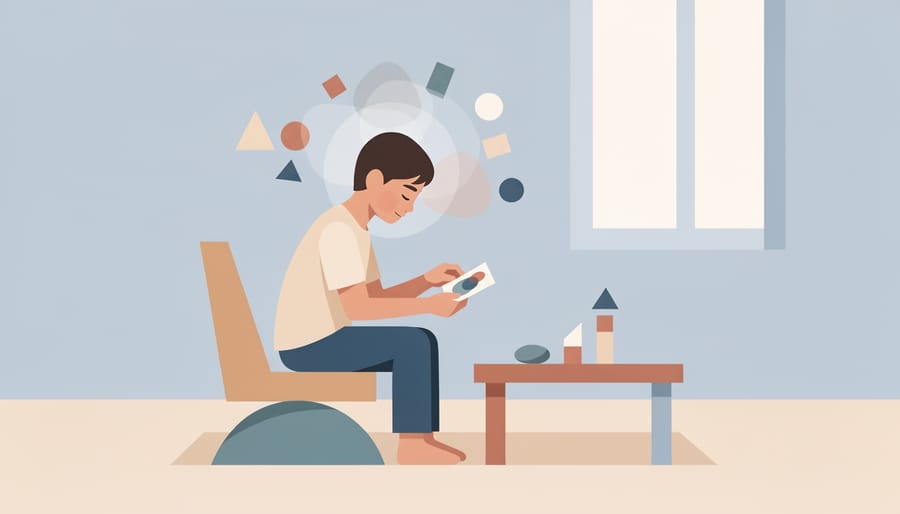
Teenagers bring more developed cognitive abilities to therapy, allowing for deeper work with abstract concepts and sophisticated coping strategies. Adolescents can analyze their thoughts systematically, identifying patterns like catastrophizing, black-and-white thinking, or mind-reading. A therapist might guide a 15-year-old to track automatic thoughts in a journal, examine the evidence for and against them, and generate balanced alternative perspectives. This metacognitive skill, thinking about thinking, becomes a powerful tool teens can apply independently.
Behavioral activation proves particularly effective for adolescent depression. Instead of waiting to feel motivated, teens learn to schedule meaningful activities that align with their values, whether that’s reconnecting with friends, pursuing hobbies, or contributing to causes they care about. The act of doing often shifts mood more reliably than ruminating.
For anxiety, exposure therapy becomes more structured and collaborative. A teen with social anxiety might create a fear hierarchy with their therapist, gradually facing situations from least to most challenging while practicing anxiety management skills. They learn that anxiety diminishes with repeated exposure, building genuine confidence rather than just avoiding discomfort.
Long-term coping strategies emphasize relapse prevention and life skill development. Teens practice recognizing early warning signs, using problem-solving frameworks, and building resilience for future challenges.
Privacy considerations matter deeply at this stage. Therapists typically meet with adolescents alone, sharing only essential safety information with parents. This confidentiality fosters trust and allows teens to address sensitive concerns openly, supporting their growing autonomy while maintaining appropriate safeguards.
Core CBT Components and Techniques for Children
Emotion Identification and Regulation
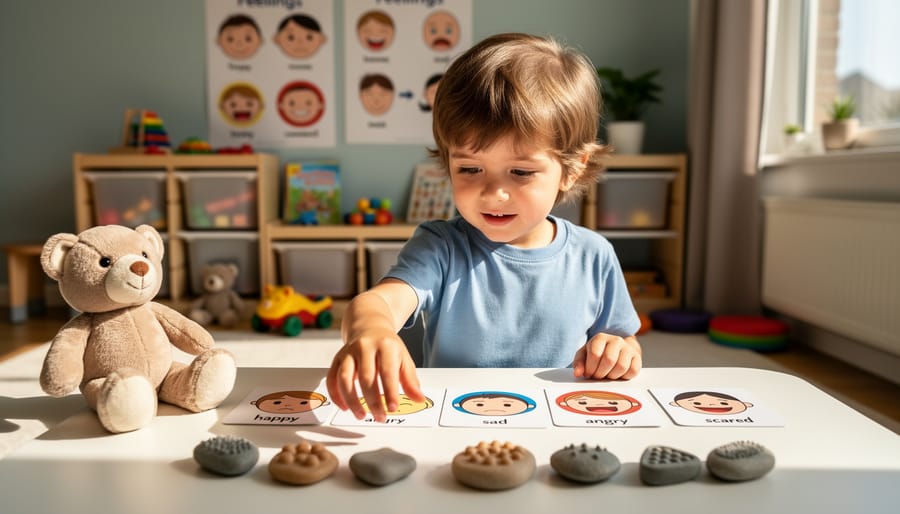
Learning to name feelings is the first step in CBT for children. Therapists use visual tools like feelings charts with faces showing happy, sad, scared, angry, or worried to help kids match what they feel inside to the right word. Body mapping teaches children where they notice emotions physically, butterflies in the stomach for nervousness, tight chest when scared, or hot face when angry. These concrete techniques help kids recognize anxiety in preschoolers and older children before feelings become overwhelming.
Once children can identify emotions, they learn simple regulation skills. Deep breathing exercises, like “belly breathing” or blowing out pretend birthday candles, calm the nervous system quickly. Grounding techniques help kids refocus when upset: naming five things they can see, four they can touch, three they hear. These practical tools give children immediate strategies to handle big emotions instead of feeling controlled by them. Therapists practice these skills during sessions, then parents reinforce them at home until they become automatic responses.
Thought Recognition and Challenging
Helping children recognize their thoughts is one of CBT’s most powerful tools, but it requires creative teaching. Therapists often start by explaining that everyone has an “inner voice” that comments on situations throughout the day. Young children might draw thought bubbles showing what their brain says in different scenarios, while older kids can keep simple thought diaries.
The key is teaching children to spot patterns in their thinking. A child afraid of dogs might notice thoughts like “That dog will bite me” or “I’m not safe.” Therapists help kids label these as worry thoughts versus calm thoughts, often using colors or symbols. They introduce the idea that thoughts aren’t always facts, even when they feel very real.
Challenging unhelpful thoughts comes next. For younger children, this might mean asking “What would you tell a friend having this worry?” or using stuffed animals to practice brave responses. Older kids learn to examine evidence: “Has this bad thing actually happened before?” or “What else could be true?”
Many children struggle with negative self-talk like “I’m stupid” or “Nobody likes me.” Therapists teach them to replace these with balanced statements: not fake positivity, but realistic alternatives like “I made a mistake, but I can try again.” The goal isn’t eliminating negative thoughts entirely but developing flexibility to consider other perspectives when stuck in unhelpful patterns.
Behavioral Strategies and Exposure

Behavioral strategies form the action-oriented heart of CBT, where children move from understanding their thoughts and feelings to actively changing their responses. Activity scheduling helps kids with depression or withdrawal plan and complete enjoyable or meaningful activities, breaking the cycle of avoidance. A therapist might work with a 9-year-old to schedule one fun activity each day, then track mood improvements to show the connection between doing things and feeling better.
Gradual exposure stands out as one of the most powerful techniques for childhood anxiety. Children face their fears in small, manageable steps rather than all at once. A child afraid of dogs might start by looking at pictures, then watching videos, eventually standing near a calm dog from a distance, and finally petting one with support. Each successful step builds confidence and proves the feared outcome won’t happen.
Problem-solving practice teaches children a structured approach to challenges: define the problem, brainstorm solutions, pick one to try, and evaluate how it worked. Behavioral experiments test out predictions in real life. If a child believes “everyone will laugh if I raise my hand,” the experiment involves raising their hand once and recording what actually happens. These concrete experiences replace anxious predictions with evidence, building mastery and resilience that extends far beyond the therapy room.
Parent and Caregiver Involvement
Parents and caregivers aren’t just spectators in their child’s CBT journey, they’re active participants who often make the difference between skills that stick and techniques that fade after sessions end. Most child therapists work directly with parents to explain what their child is learning and how to reinforce it at home. This might mean helping your child use their calm-down strategies during homework frustration, or practicing thought-challenging questions during bedtime worries.
You’ll likely receive specific “homework” assignments between sessions. These aren’t tests, they’re opportunities for your child to try new skills in real situations with your support nearby. A parent might help their anxious child break a big worry into smaller, manageable pieces, or coach them through a feared situation using the exposure steps they’ve practiced in therapy.
Sometimes the work extends to parents themselves. Therapists may gently point out ways well-meaning responses can accidentally reinforce anxiety or avoidance. This isn’t about blame, it’s about giving families better tools together. The most effective CBT happens when everyone understands the approach and works as a team.
What CBT Helps Children With
CBT has proven effective for a wide range of childhood mental health concerns, from everyday worries that have grown too big to more complex clinical conditions. The approach works particularly well because it teaches children practical skills they can use immediately, rather than just talking about problems.
Research shows strong evidence for CBT helping children with anxiety disorders, which are among the most common mental health challenges in young people. The Canadian Paediatric Society has developed evidence-informed guidance specifically for paediatric healthcare providers treating anxiety in children and adolescents, emphasizing the important role of psychotherapy like CBT in prevention and treatment. Separation anxiety, social fears, and specific phobias often respond especially well to age-appropriate CBT techniques.
Children and teens commonly receive CBT for:
- Separation anxiety and school refusal
- Social anxiety and performance fears
- Specific phobias (animals, dark, medical procedures)
- Generalized anxiety disorder and excessive worry
- Depression and low mood
- Obsessive-compulsive disorder (OCD)
- ADHD-related emotional regulation challenges
- Anger management and behavioral difficulties
Depression in children and adolescents also responds well to CBT, particularly when it addresses patterns of negative thinking and withdrawal from activities. For obsessive-compulsive disorder, CBT with exposure and response prevention forms the first-line treatment. Programs like the Child Cognitive Behavioral Therapy Program at Mass General Brigham treat children, adolescents, and young adults ages 3-24 with a broad range of emotional and behavioral problems using state-of-the-art cognitive behavioral approaches.
Beyond diagnosed conditions, CBT helps children develop resilience for everyday challenges like perfectionism, peer conflicts, family transitions, and academic stress. The skills learned become tools they carry into adulthood.
How Can Kids Do Cognitive Behavioral Therapy Is Used
CBT helps children tackle real-world challenges that interfere with their daily lives. Kids who struggle with separation anxiety can gradually build confidence attending school or sleeping in their own rooms. Those with social anxiety practice ordering food at restaurants or joining playground games through gradual exposure exercises. Children facing specific phobias, whether it’s fear of dogs, thunderstorms, or the dark, work through systematic desensitization techniques adapted to their age.
Academic performance often improves when children learn CBT strategies for test anxiety and perfectionism. Kids with OCD symptoms practice response prevention for intrusive thoughts and compulsive behaviors. Those experiencing depression build daily routines that include pleasurable activities and social connection. Children dealing with anger outbursts develop emotional regulation skills and alternative responses to frustration.
CBT equips kids with portable coping tools they can use independently. A child might use deep breathing before a spelling test, challenge negative thoughts after a friendship conflict, or problem-solve through a difficult homework assignment. These skills extend beyond the therapy room into classrooms, homes, and social situations. When you find the right therapist they’ll customize these applications to your child’s specific needs and developmental capabilities.
When to Consider CBT for Your Child
Deciding whether your child might benefit from CBT starts with noticing persistent struggles that interfere with daily life. If your child consistently avoids school or social situations, experiences frequent meltdowns or physical complaints without medical cause, or shows ongoing worry that affects sleep or concentration, CBT might help. Changes in behavior that last several weeks, withdrawal from activities they once enjoyed, angry outbursts, or difficulty managing age-appropriate responsibilities, often signal that professional support could make a difference.
When seeking a therapist, look for someone specifically trained in evidence-based CBT for children. Ask about their experience with your child’s age group and presenting concerns. A qualified child therapist should explain how they’ll adapt techniques to your child’s developmental level and involve you in the process. The Canadian Paediatric Society offers evidence-informed guidance to support decisions around care for children with anxiety and related conditions, and programs like the Child Cognitive Behavioral Therapy Program at Mass General Brigham provide specialized treatment for ages 3-24.
Preparing your child begins with honest, simple language. Explain that therapy is a place to learn new ways to handle tricky feelings and situations, not punishment or a sign something is “wrong” with them. Let them know you’ll be involved and that the therapist will use activities, not just talking.
CBT typically runs 8-16 sessions for specific issues, though some children need longer support. Progress shows up gradually: you might notice your child using coping strategies independently or approaching previously avoided situations with less distress. Consistent attendance and home practice between sessions strengthen results.
Frequently Asked Questions About CBT for Children
Parents often have similar questions when first learning about cognitive behavioral therapy for their children. Understanding what to expect can help you decide if CBT is the right step for your family.
How does CBT actually work for kids?
CBT helps children understand the connection between their thoughts, feelings, and behaviors through age-appropriate activities like games, drawing, and storytelling. Therapists work collaboratively with children to identify unhelpful patterns and practice new coping skills in session and at home.
Can young children really do cognitive behavioral therapy?
Yes, CBT can be effective for children as young as 5-6 years old when techniques are adapted to their developmental level. Programs like the Child Cognitive Behavioral Therapy Program at Mass General Brigham treat children as young as 3, using play-based methods and visual tools that match what young children can understand.
How long does CBT take to work?
Most children participate in CBT for 8 to 16 weekly sessions, though the timeline varies based on the child’s specific challenges and progress. Some children notice improvements within the first few weeks, while building lasting skills typically requires consistent practice over several months.
Will my child need medication along with CBT?
Not necessarily. Many children benefit from CBT alone, particularly those with mild to moderate anxiety or behavioral issues. Your child’s healthcare provider will recommend the best approach based on the severity of symptoms and how your child responds to therapy.
Another common concern parents raise is whether they’ll need to be involved in their child’s therapy. The answer is almost always yes. Parent participation strengthens what children learn in sessions and helps you support your child’s progress at home. Therapists typically spend part of each session explaining techniques you can reinforce during the week, and they may suggest small changes to how you respond to your child’s anxious or problematic behaviors.
You might also wonder what actually happens during a CBT session with a child. Unlike traditional talk therapy, CBT sessions are active and structured. Your child might complete worksheets, play games that teach emotion identification, practice breathing exercises, or talk through a recent challenging situation. Sessions build on each other progressively, starting with foundational skills and moving toward applying those skills to real-life situations your child finds difficult.
The evidence is clear: cognitive behavioral therapy works for children. From preschoolers learning to name their feelings to teenagers challenging negative thought patterns, CBT provides developmentally appropriate tools that build resilience and emotional competence. The Canadian Paediatric Society’s guidance confirms what programs across North America demonstrate daily, that when therapy meets children where they are, real change happens.
Your child doesn’t need to struggle alone with anxiety, depression, or behavioral challenges. Programs like the Child Cognitive Behavioral Therapy Program at Mass General Brigham serve children as young as 3, adapting evidence-based techniques to each developmental stage. Whether your child is 5 or 15, there are therapists trained to speak their language and work at their pace.
The skills children learn in CBT aren’t just for managing current problems. They’re building blocks for lifelong mental health, learned at a time when the brain is most flexible and receptive. Early intervention often means shorter treatment and better outcomes.
Reaching out for help isn’t a failure as a parent. It’s a proactive choice to give your child tools you might not have had yourself. Find a qualified provider who specializes in child CBT, ask about their approach to your child’s age group, and trust that investing in your child’s emotional wellbeing now pays dividends for years to come.