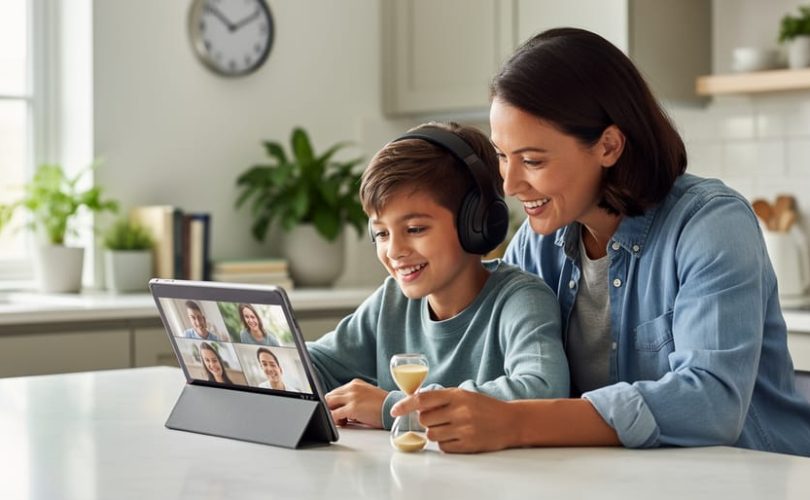
Set clear time boundaries before handing your child a device—starting with just 20-30 minutes daily for children under 12 allows them to explore educational content while protecting developing minds from overexposure. Research shows that structured, limited engagement with platforms like Khan Academy Kids or Duolingo creates learning opportunities without triggering the anxiety and sleep disruption associated with unlimited scrolling.
Choose platforms designed for collaboration rather than passive consumption. Educational YouTube channels, virtual study groups, and subject-specific communities help children develop critical thinking skills while connecting with peers who share their interests. The key difference lies in active participation: when your child creates, discusses, or solves problems rather than simply watching or liking posts, social media becomes a tool for genuine learning.
Monitor the emotional impact alongside academic progress. If your child shows increased irritability, compares themselves negatively to others, or resists ending screen time, these red flags suggest the educational benefits no longer outweigh the mental health costs. Dr. Sarah Chen, a child psychologist specializing in digital wellness, notes that “learning through social media works best when children can articulate what they’ve learned and show genuine enthusiasm, not just screen dependency.”
Create a family media plan that designates specific platforms for learning and keeps entertainment separate. This boundary helps children’s brains distinguish between educational engagement and recreational use, making it easier to maintain healthy relationships with technology while still accessing valuable learning communities and resources.
What Collaborative Learning Through Social Media Really Means

The Science Behind Social Learning
Children are natural social learners. From their earliest days, they watch, imitate, and absorb information from those around them. This fundamental aspect of human development doesn’t disappear when learning moves into digital spaces—it simply takes on new forms.
Dr. Sarah Chen, a developmental psychologist specializing in digital learning, explains: “When children engage with educational content on social media platforms, they’re tapping into the same collaborative learning instincts that have served humans for thousands of years. The key difference is the scale and accessibility of their learning community.”
Research shows that social learning activates multiple cognitive processes simultaneously. When children watch tutorial videos, participate in educational challenges, or discuss concepts with peers online, they’re not passively consuming information. They’re actively processing, questioning, and integrating new knowledge through social interaction.
The developmental benefits can be significant when these experiences are age-appropriate and properly structured. Children develop critical thinking skills by evaluating different perspectives, build confidence through supportive online communities, and learn to articulate their understanding by explaining concepts to others.
However, this potential flourishes best with guidance. Just as we wouldn’t expect children to navigate a library or classroom independently without support, digital social learning spaces require thoughtful oversight to ensure experiences remain positive and developmentally beneficial.
Digital Collaboration vs. Passive Consumption
Not all screen time is created equal. There’s a meaningful difference between passively scrolling through endless feeds and actively participating in collaborative learning experiences.
Passive consumption happens when children mindlessly swipe through content without engagement or purpose—watching videos auto-play one after another or clicking through posts without reflection. This type of interaction can leave kids feeling drained rather than enriched.
Digital collaboration, however, involves intentional participation. Think of students working together on a shared project through Google Docs, discussing homework in study groups, or creating educational content together. Similar to how e-learning games encourage active problem-solving, collaborative social media use requires thinking, creating, and connecting.
The key is helping your child develop awareness about their online habits. Ask them: “What did you learn?” or “How did that make you feel?” These simple questions can transform passive scrolling into more mindful media use, supporting both their education and emotional wellbeing.
The Mental Health Benefits of Connected Learning
Building Confidence Through Peer Support
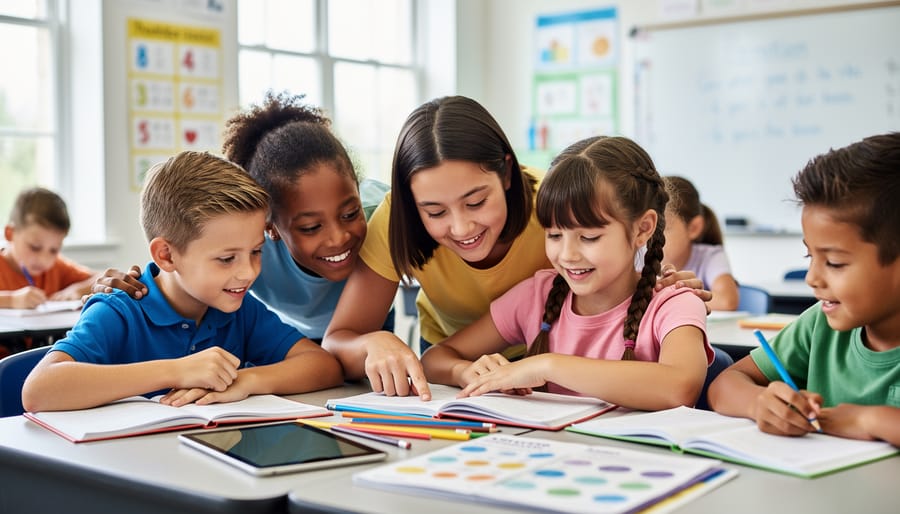
When children work together on social media-based learning projects, something remarkable happens: they discover they’re not alone in their struggles. A student who finds math challenging might connect with peers who share similar difficulties, creating a support network that reduces feelings of isolation. Through shared Google Docs, collaborative video projects, or group discussions on educational platforms, children realize that everyone learns at their own pace and in their own way.
These collaborative experiences build confidence in ways traditional classroom settings sometimes cannot. When a child contributes an idea to a group project and receives positive feedback from peers, it validates their abilities and encourages further participation. One parent shared how her son, previously reluctant to speak up in class, became animated when explaining his research findings to his online study group. The digital environment gave him the space to process his thoughts and contribute meaningfully.
Celebrating shared accomplishments strengthens self-esteem. Whether it’s completing a science presentation together or helping a peer understand a difficult concept, these victories become powerful confidence builders. Children learn that their unique perspectives add value, and that asking for help is a strength rather than a weakness. This peer support creates a foundation of resilience that extends beyond academics into their broader emotional wellbeing.
Reducing Academic Anxiety
For many children, traditional classroom settings can trigger feelings of inadequacy or performance pressure. Social media learning environments offer a refreshing alternative by making education accessible in low-pressure ways that reduce anxiety.
Sarah, mother of 13-year-old Emma, shares her experience: “My daughter was terrified of asking questions in class, worried she’d look stupid in front of her peers. But when she joined an online study group through Discord, everything changed. She could take time to think before responding, and seeing other kids ask similar questions helped her realize everyone struggles sometimes. Her confidence grew tremendously.”
Social learning platforms allow children to learn at their own pace, revisit content without embarrassment, and connect with peers who share similar challenges. The asynchronous nature of many online discussions gives anxious learners time to process information and formulate responses without the immediate pressure of face-to-face interactions. This can be particularly beneficial for children with social anxiety or learning differences who may find traditional classroom environments overwhelming.
Developing Social-Emotional Skills
When children engage with peers on social media platforms, they’re navigating a complex social landscape that can genuinely strengthen their emotional intelligence. Through group projects on platforms like Google Classroom or creative collaborations on kid-friendly apps, young people practice reading social cues in digital formats—learning to interpret tone through text and respond thoughtfully rather than reactively.
One mother shared how her shy seventh-grader blossomed through an online science project, finding her voice in chat discussions where she felt less intimidated than in-person conversations. This gradual confidence-building is common when children have time to craft their responses.
Online collaboration naturally presents moments of disagreement—different creative visions, scheduling conflicts, or misunderstandings. These become valuable teaching opportunities when adults guide children through resolving conflicts respectfully. Dr. Sarah Chen, a child psychologist, notes that “digital communication actually slows down interactions, giving kids space to practice self-regulation before responding to frustration.”
Age-appropriate platforms help younger children learn turn-taking and sharing ideas, while teens develop negotiation skills and cultural awareness through diverse online communities. The key is supportive supervision—helping children reflect on their interactions, celebrate successful collaborations, and learn from challenging moments without judgment.
Age-Appropriate Platforms and Approaches
Elementary-Aged Children (5-10 Years)
For younger children, social media learning works best in carefully controlled settings. Many schools now use classroom-specific platforms like Seesaw or ClassDojo, where teachers create safe digital spaces for students to share projects, celebrate achievements, and collaborate on assignments. These platforms give parents visibility into their child’s learning while maintaining appropriate boundaries.
At this age, children benefit most from parent-mediated experiences. Sitting together to watch educational YouTube channels, exploring kid-friendly coding apps, or participating in virtual classroom activities helps you guide their digital interactions. This shared time allows you to model healthy technology habits and discuss what they’re learning.
Consider platforms designed specifically for elementary learners, such as PBS Kids or National Geographic Kids, which combine engaging digital learning tools with age-appropriate content. The key is maintaining active supervision—think of yourself as their learning companion rather than just a monitor. Set clear time limits, keep devices in shared family spaces, and regularly check in about their online experiences. This foundation builds digital literacy skills while protecting their developing sense of self-worth from comparison culture or inappropriate content.
Middle School Students (11-13 Years)
Middle school marks a significant transition where students begin exploring online spaces more independently. Educational social networks like Edmodo, Google Classroom, and Flipgrid offer structured environments where tweens can collaborate on projects, share ideas, and receive teacher feedback while developing digital literacy skills. These platforms provide the independence young adolescents crave while maintaining appropriate oversight.
At this age, students benefit from guided discussions about online citizenship and digital well-being. Consider starting conversations about how social media makes them feel—not to lecture, but to genuinely listen. Do they feel energized after collaborating with classmates or anxious comparing themselves to others? These insights help them develop self-awareness about their digital habits.
Parental involvement should evolve from direct supervision to supportive monitoring. Setting up shared family agreements about screen time, appropriate content, and privacy settings respects their growing autonomy while maintaining safety guardrails. Encourage breaks from screens and balance online learning with face-to-face interactions, which remain essential for emotional development. Remember, this age group is particularly vulnerable to social comparison and peer pressure, so maintaining open, judgment-free communication about their online experiences creates a foundation for healthy digital habits throughout adolescence.
Teenagers (14+ Years)
Teenagers can benefit tremendously from more independent social media learning communities, though appropriate boundaries remain essential for protecting their wellbeing. At this age, young people often thrive in study groups on Discord or specialized forums where they can collaborate on projects, share resources, and explain concepts to each other. Many teens find platforms like YouTube invaluable for learning everything from advanced mathematics to creative skills like video editing or music production.
Encourage your teenager to join moderated educational communities aligned with their interests, whether that’s coding forums, language exchange groups, or academic subject communities. These spaces allow them to develop valuable skills while building connections with peers who share their passions. However, regular conversations about their online interactions help ensure they’re experiencing positive engagement rather than comparison-driven anxiety or unhealthy competition.
Setting mutual agreements about screen time and designated tech-free periods supports balance. While teens need autonomy, they still benefit from your guidance in recognizing when social media learning feels enriching versus when it becomes overwhelming or affects their sleep and mental health.
Real-World Examples of Social Media Learning Success
Virtual Study Groups That Actually Work
When sixteen-year-old Maya struggled with calculus, her parents watched something remarkable unfold. Instead of giving up, she connected with three classmates through Discord, creating a virtual study group that met twice weekly. “I was skeptical at first,” her mother shares, “but seeing them work through problems together, explaining concepts in their own words—it actually helped more than tutoring.”
Virtual study groups are transforming how students learn together. Platforms like WhatsApp, Discord, and even Instagram group chats allow young people to collaborate on homework, share resources, and encourage each other through challenging subjects. The key difference from simply being online? Structure and purpose.
Successful groups typically have clear guidelines: scheduled meeting times, specific academic goals, and often a parent-approved moderator. Parents appreciate being able to monitor group activity while respecting their child’s growing independence. “I can see the chat history if needed, but mostly I just hear the enthusiasm in my daughter’s voice when she finally understands something,” one father explains.
These digital study sessions also provide crucial social connection, especially for students who feel isolated or anxious in traditional classroom settings. They’re learning academic content while building supportive relationships—a combination that benefits both educational outcomes and emotional wellbeing.
Creative Projects and Peer Feedback
Social media platforms offer children meaningful opportunities to share their creative work and receive feedback from peers in supportive online communities. Many young artists post drawings, paintings, or digital designs on platforms like Instagram or TikTok, where they connect with others who share their interests. Similarly, budding writers might share short stories or poetry, receiving encouragement and suggestions that help them refine their craft.
These interactions can significantly boost educational engagement when they occur in safe, moderated spaces. For example, twelve-year-old Maya joined an online community for young coders where she shares her game designs. The constructive feedback she receives helps her improve her skills while building confidence.
The key is ensuring these exchanges remain positive and age-appropriate. Look for platforms with strong community guidelines and active moderation. Teach your child how to give and receive feedback respectfully, focusing on the work rather than the person. When children learn to say “I really like your use of color here” or “Have you considered trying this approach?” they develop critical thinking skills and empathy.
With proper guidance, peer feedback on creative projects can nurture both artistic growth and social-emotional development in a digital age.
The Risks Every Parent Should Know About
When Social Learning Becomes Social Pressure
While social media can offer valuable learning opportunities, it’s important to recognize when these platforms shift from helpful to harmful. One parent shared how her daughter, initially excited about joining a study group chat, began staying up late responding to messages, worried she’d be seen as lazy if she didn’t immediately answer questions or share notes.
Watch for these warning signs: your child seems anxious about checking messages constantly, compares their academic performance unfavorably to peers online, or feels obligated to help others at the expense of their own wellbeing. Dr. Sarah Chen, a child psychologist, explains that when learning communities become competitive rather than collaborative, children may experience increased stress, sleep disruption, and declining self-confidence.
Notice if your child talks about feeling left out when they can’t participate in online study sessions, or if they’re reluctant to ask questions for fear of judgment. Physical symptoms like headaches, stomach aches, or changes in eating habits can also signal that social learning has become overwhelming.
The key difference is this: healthy collaborative learning energizes and motivates, while social pressure exhausts and discourages. Trust your instincts as a parent—if something feels off, it probably is, and it’s time to reassess how your child engages with these platforms.
Privacy and Safety Considerations
When your child learns through social media, protecting their privacy and emotional wellbeing should be your top priority. Start by reviewing privacy settings together on any platform they use, ensuring profiles are set to private and location sharing is disabled. Teaching children never to share personal information like their full name, address, school name, or phone number helps establish crucial digital boundaries.
Consider creating dedicated accounts specifically for educational purposes, separate from personal social media. This keeps learning activities focused and reduces exposure to potentially harmful content. Many educators recommend that parents maintain access to their child’s accounts, not to invade privacy, but to stay aware of their digital experiences and offer support when needed.
Monitor your child’s emotional responses to online learning. If you notice increased anxiety, frustration, or withdrawal after social media sessions, it’s time for an open conversation. Ask questions like “How did that make you feel?” rather than making assumptions. Some children thrive with online collaboration, while others find it overwhelming.
Set clear time limits for social media learning to prevent digital fatigue. Experts suggest taking regular breaks every 30-45 minutes to protect both eyes and mental health. Encourage your child to speak up if they encounter bullying, inappropriate content, or anything that makes them uncomfortable. Creating a judgment-free environment where they feel safe sharing concerns is essential for their ongoing safety and wellbeing.
Creating Healthy Boundaries Around Educational Social Media Use
Setting Time Limits That Make Sense
Not all screen time is created equal, and the difference matters. When your child watches educational videos about ancient civilizations for a history project, that’s fundamentally different from endless scrolling through entertainment feeds. The key is developing a flexible framework that honors this distinction.
Dr. Maya Chen, a child psychologist, suggests starting with intent rather than rigid time limits. “Ask your child what they’re hoping to learn or accomplish. Educational use typically has a purpose and endpoint, while recreational use often continues indefinitely.” You might allow 30-60 minutes of focused educational content without it counting toward daily screen limits.
Consider context too. A teen researching climate change through documentary videos and discussion forums is engaging critically with content. This active learning deserves different consideration than passive consumption.
One parent shared how they implemented “purpose cards” where children write down their learning goal before accessing social media. This simple step helps everyone distinguish between intentional learning and mindless browsing. Remember, flexibility is essential—some days require more research time, and that’s perfectly okay.
Teaching Digital Literacy and Critical Thinking
Teaching our children to think critically about what they see online is one of the most valuable skills we can offer them. Start by exploring social media content together, asking open-ended questions like “Who created this?” and “What’s the source of this information?” This transforms screen time into teachable moments rather than battles.
Help children understand that not everything online is accurate, even when it looks professional. Show them how to cross-check facts using multiple reliable sources and recognize red flags like sensational headlines or missing author credentials. One mother shared how she and her daughter fact-check viral posts together, turning it into a detective game that strengthens both their bond and her daughter’s media literacy.
Model good digital citizenship yourself. Children learn by watching how we interact online, handle disagreements, and respond to misinformation. Discuss real scenarios they encounter—whether it’s a friend sharing something questionable or feeling pressured to engage with certain content. These conversations build confidence in navigating digital spaces independently while knowing they can always come to you for guidance without judgment.
Keeping Communication Open
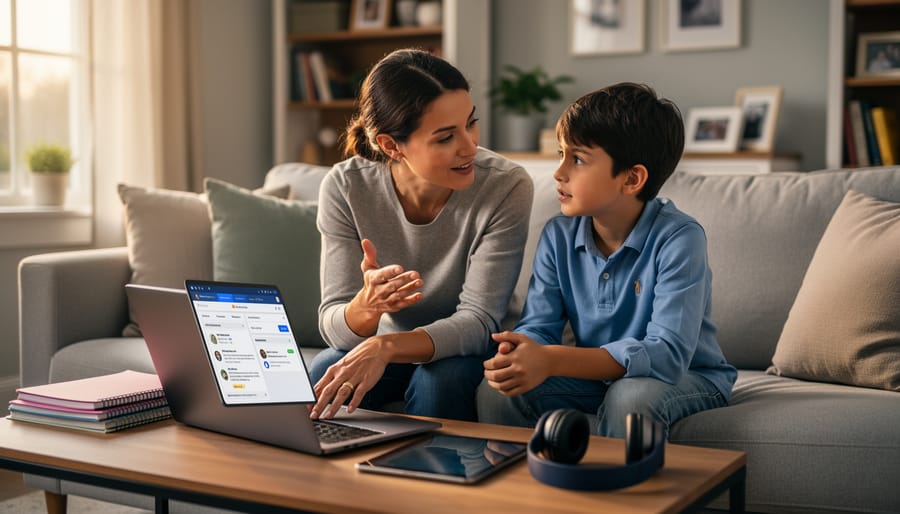
Creating a safe space for open dialogue is essential when children navigate social media for learning. Start by approaching conversations with genuine curiosity rather than concern. Ask open-ended questions like “What interesting things did you learn online today?” or “Can you show me something cool you discovered?” This invites sharing without triggering defensiveness.
When your child mentions their online activities, resist the urge to immediately critique or warn about dangers. Instead, listen actively and validate their enthusiasm. If they share something concerning, respond calmly with questions that help them think critically: “How did that make you feel?” or “What do you think about that?”
Share your own learning experiences, including mistakes you’ve made online. This normalizes imperfection and shows that everyone is still learning to navigate digital spaces responsibly. Regular, casual check-ins work better than formal interrogations—perhaps during car rides or while cooking together.
Remember that children who feel judged often hide their online activities entirely, making it impossible to guide them through challenges or celebrate their discoveries.
How Teachers and Parents Can Work Together
Creating a supportive learning environment requires open communication and shared goals between home and school. When teachers and parents work together, they can help children transform learning experiences through social media while protecting their emotional wellbeing.
Dr. Maya Chen, a child psychologist specializing in digital learning, recommends establishing regular check-ins between educators and families. “A quick monthly email or brief conversation can help everyone stay aligned on what platforms children are using and how they’re responding to them,” she explains. This simple step ensures consistency across environments and helps identify concerns early.
Teachers can share which educational platforms they’re using in the classroom, along with any student reactions they’ve observed. Meanwhile, parents can communicate what they’re noticing at home, whether that’s increased enthusiasm for a subject or signs of stress related to online interactions. This two-way exchange creates a fuller picture of each child’s experience.
One successful approach involves creating shared guidelines that apply both at school and home. For example, if a teacher uses educational YouTube channels for science lessons, parents might continue exploring similar content together at home, turning it into a bonding experience. This reinforces learning while giving parents visibility into their child’s digital world.
Sarah, a fourth-grade teacher and mother of two, shares her perspective: “I started a simple shared document with my students’ parents listing the apps we use in class and why. Parents appreciate understanding the educational purpose, and several have told me it helps them feel more confident about screen time decisions at home.”
Remember, partnership doesn’t mean perfection. It means staying curious, asking questions, and adjusting approaches as children grow and their needs change.
Social media doesn’t have to be an all-or-nothing proposition in your child’s learning journey. When approached with intention and care, these platforms can serve as valuable educational tools that complement traditional learning methods. The key lies not in avoiding social media entirely, but in helping your children develop healthy, purposeful relationships with these digital spaces.
Throughout this exploration, we’ve seen that successful social media learning happens when parents stay engaged, set clear boundaries, and remain attuned to their child’s emotional wellbeing. Watch for those important mental health indicators we’ve discussed—changes in sleep patterns, mood shifts, anxiety about online interactions, or declining interest in offline activities. These signs aren’t reasons to panic, but rather invitations to have open conversations with your child about their online experiences.
Remember that you’re not expected to navigate this alone. Teachers, mental health professionals, and other parents are valuable resources as you guide your child through digital learning landscapes. Trust your instincts about what feels right for your family, and don’t hesitate to adjust your approach as your child grows and their needs evolve.
Your involvement makes all the difference. By viewing social media as a tool in your parenting toolkit rather than a threat to overcome, you create space for meaningful learning experiences while protecting your child’s mental health. You have the wisdom and capability to help your child thrive in both digital and physical worlds—one thoughtful, informed decision at a time.