
Mental health information about children is sensitive personal data, not simply personal data, and that distinction determines the legal protections and privacy safeguards that apply every time a child receives care. Understanding this difference matters because sensitive personal data triggers stricter handling requirements under privacy laws like GDPR and HIPAA, meaning schools, therapists, and healthcare providers must meet higher security standards when collecting, storing, or sharing information about your child’s emotional wellbeing.
The question comes up constantly in parent support groups and school meetings: if a counselor asks about my child’s anxiety symptoms, what category of data am I sharing? The answer shapes everything from who can access those records to how long they’re retained to whether you can later request deletion. Parents navigating their child’s mental health journey deserve clarity about which information falls under heightened protection and what that protection actually means in practice.
This comparison breaks down both categories in plain language, shows exactly where mental health information fits, and gives you practical guidance on protecting your child’s privacy whether you’re filling out intake forms at a pediatrician’s office, signing school counseling consent forms, or choosing a teletherapy platform. You’re not just learning definitions. You’re gaining the knowledge to ask better questions and make informed decisions about who sees what, when, and why.
At a Glance: Personal Data vs. Sensitive Personal Data
When your child needs mental health support, you’ll encounter forms asking for different types of information. Understanding what you’re sharing matters because not all data receives the same protection under privacy laws.
| Category | Definition | Examples in Child Mental Health | Protection Level |
|---|---|---|---|
| Personal Data | Information that identifies your child | Name, birthdate, school name, parent contact details | Standard privacy protections |
| Sensitive Personal Data | Information revealing intimate details requiring special safeguarding | Therapy notes, diagnosis, medication history, mental health assessments | Heightened legal protections with stricter consent requirements |
The distinction comes down to risk. Personal data identifies who your child is. Sensitive personal data reveals private details about their health and wellbeing that could cause harm if misused. Mental health information always falls into the sensitive category, which means providers must obtain your explicit consent before collecting or sharing it. This heightened protection exists to safeguard your child’s privacy as they access care, whether through school counseling, telehealth apps, or traditional therapy. Teaching your child about digital citizenship includes helping them understand which personal details require extra protection online.
Understanding Personal Data

Personal data is any information that can identify a specific person. In privacy law, this definition is deliberately broad, it covers not just your child’s name, but also their date of birth, address, phone number, email, school ID number, or even a photo that shows their face. If a piece of information can single out your child from a group, it counts as personal data.
This matters because nearly every interaction with mental health services generates personal data. When you complete an intake form, schedule an appointment, or send a message through a patient portal, you’re sharing information that identifies your child. Understanding this helps you recognize what you’re providing and why providers need it in the first place.
In children’s mental health settings, personal data typically includes:
- Your child’s full name and date of birth
- Home address, phone number, and email contact
- School name and grade level
- Parent or guardian contact information
- Appointment dates and times
- Insurance policy numbers and billing information
- Login credentials for telehealth platforms or mental health apps
None of these items reveal anything about your child’s mental health directly, but they’re essential for coordinating care, sending appointment reminders, and managing records. Think of personal data as the administrative foundation that makes mental health support possible.
The key distinction is that personal data, while protected by privacy laws, doesn’t receive the same heightened safeguards as information that reveals your child’s mental health condition. Providers can share personal data more freely when necessary for treatment, for example, confirming an appointment with your child’s school counselor or coordinating with your insurance company.
That doesn’t mean personal data is unprotected. Privacy regulations still require providers to keep this information secure, obtain appropriate consent before sharing it, and limit access to those who genuinely need it. But the threshold for collecting and using personal data is lower than for information that directly reveals mental health details.
Understanding Sensitive Personal Data
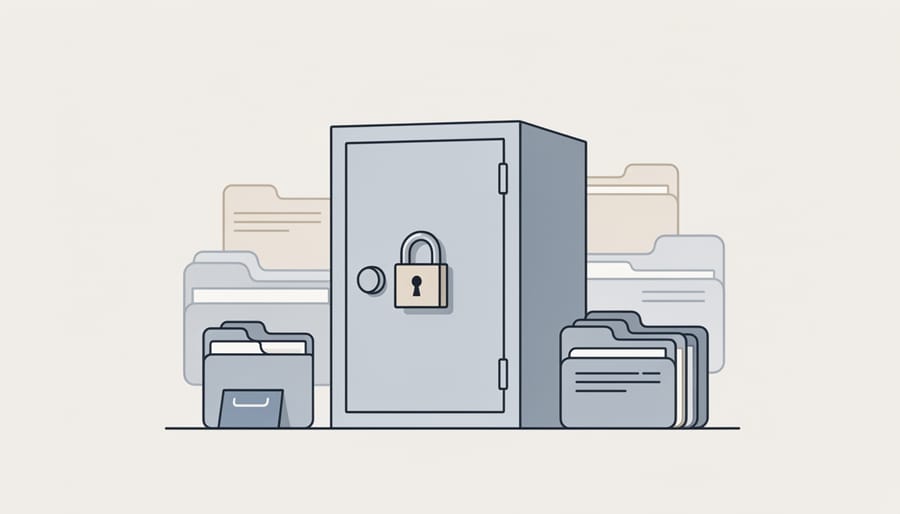
Sensitive personal data (also called special category data) is information so intimate that sharing it could cause real harm or discrimination if mishandled. Privacy laws recognise this risk and require much stricter protection than ordinary personal data. The categories covered include racial or ethnic origin, political opinions, religious beliefs, trade union membership, genetic data, biometric data, and crucially for families seeking mental health support, health data includes mental health information.
When your child seeks help from a therapist, school counselor, or psychiatrist, everything related to their mental health automatically falls into this protected category. This includes:
- Mental health diagnoses such as anxiety disorders, ADHD, or depression
- Therapy session notes and treatment plans
- Psychiatric evaluations and psychological test results
- Details about medications prescribed for mental health conditions
- Crisis interventions or hospitalisations for mental health reasons
- Notes about emotional difficulties, self-harm thoughts, or trauma history
The heightened protection exists because mental health information touches the core of who your child is. Unlike their email address or school enrollment date, details about their struggles with anxiety or sessions with a therapist could lead to stigma, discrimination in future opportunities, or profound embarrassment if exposed. Children deserve special care here because they can’t fully anticipate how today’s disclosures might affect them years later.
What does stronger protection actually mean? Providers must have explicit legal grounds to collect mental health data, not just your general consent. They need robust security measures, strict limits on who can access the information, and clear justification for keeping it. They can’t share it as freely as basic contact details, even within their own organisation. The rules exist to create a protective barrier around your child’s most private experiences, recognising that seeking help shouldn’t come with privacy risks that make families hesitant to reach out.
Key Differences That Matter for Your Child
Level of Legal Protection

Sensitive personal data, which includes mental health information, sits under the rules for special category data in UK privacy law. This means stricter safeguards apply compared to ordinary personal data like your child’s name or appointment date. Providers can’t collect or process mental health records under the standard consent rules; they must have explicit consent or another specific legal basis, such as a vital health interest.
In practice, this affects how therapists, counselors, and mental health platforms handle your child’s information. They must use stronger security measures, limit who can access the records, and document their legal grounds for processing. If your child’s therapy notes were stored on an unencrypted laptop that gets stolen, the provider faces more serious legal consequences than if basic contact details were exposed, because the breach involves sensitive data requiring enhanced protection.
These tighter rules also mean you can demand more transparency about how mental health information is used, shared, or stored. Providers should explain their safeguards upfront, not bury them in lengthy policies.
Consent Requirements
When someone wants to collect your child’s personal data, like their name and date of birth for a school newsletter, they typically need clear consent. This often looks like a tick-box on a form or a simple signature acknowledging you understand what information you’re sharing and why.
Sensitive personal data requires a higher bar. When a therapist collects mental health information about your child, they must obtain explicit consent, a deliberate, informed “yes” that demonstrates you truly understand what you’re agreeing to. This isn’t just a pre-ticked box. You should see clear explanations of exactly what information will be collected, who might access it, how long it will be kept, and your right to withdraw consent later.
In practice, this means reading the consent form carefully before your child’s first therapy session or telehealth appointment. Look for specific language about mental health data collection, not just general privacy statements. The form should explain whether your child’s diagnosis, treatment notes, or assessment results might be shared with schools, insurance companies, or other providers, and give you genuine choice about each type of sharing.
If a form feels vague or rushed, ask questions. Providers handling sensitive mental health data have a legal obligation to ensure your consent is truly informed, not just technically obtained.
Data Sharing and Third Parties
Personal data like your child’s name and contact details can be shared relatively freely between service providers with basic consent. Schools can pass these details to external counselors you’ve authorized. Apps may share usernames with analytics partners. Insurance companies routinely exchange billing information with care providers.
Sensitive personal data, including all mental health information, faces strict limitations. Healthcare providers cannot share your child’s therapy notes, diagnoses, or treatment plans without explicit written consent specifying exactly what will be shared and with whom. Even when you’ve signed consent for therapy, the therapist cannot automatically share session details with your child’s school without separate, specific authorization.
Schools operate under different rules. If school counselors create mental health records, they may share them internally with teachers or administrators under educational privacy laws, but outside disclosure still requires your permission. Third-party mental health apps often request broad data-sharing rights in their terms, read carefully before accepting, as some share de-identified mental health data with advertisers or researchers.
Insurance companies can access diagnosis codes and treatment dates they’re paying for, but detailed therapy notes typically remain protected. You can request a full accounting of who has accessed your child’s sensitive mental health records, a right that doesn’t apply to basic personal data. Always ask providers about their sharing practices before your child’s first appointment.
Your Rights as a Parent
You hold powerful rights over both personal and sensitive data about your child, though the protections differ. Under privacy laws like GDPR and similar regulations, you can access your child’s records, request corrections to inaccurate information, and in some cases ask for data deletion. However, mental health records, which fall under sensitive personal data, often face stricter retention requirements. Healthcare providers typically must keep these records for specific periods mandated by law, even if you request deletion. Understanding your data rights means knowing when to exercise them: you can always ask what’s been collected, who’s seen it, and how long it will be stored. Don’t hesitate to request your child’s records in writing if you’re changing providers or need documentation.
When to Expect Each Type of Data Collection

Knowing when providers collect personal versus sensitive data helps you make informed decisions about your child’s care. Different settings request different information, and understanding what you’re sharing protects your family’s privacy while ensuring your child gets appropriate support.
School Counseling and Mental Health Services
When your child’s school offers counseling or mental health screening, they typically collect both categories. Initial forms request personal data like your child’s name, grade, emergency contacts, and academic records. Once counseling begins, the sessions themselves generate sensitive personal data, everything your child discusses with the counselor, any diagnoses, treatment notes, and behavioral observations fall into this protected category. Schools must keep these records separate from general educational files and follow stricter access controls.
Common Data Collection Scenarios
- Therapy App Registration
- Initial account setup collects personal data (name, age, email), but any symptom tracking, mood journals, or therapeutic content creates sensitive mental health data that receives heightened protection.
- Telehealth Platform Intake
- Registration forms gather personal data like contact information and insurance details, while the actual therapy sessions, clinical assessments, and treatment plans constitute sensitive data requiring explicit consent and encryption.
- Hospital or Clinical Care
- Admission collects standard personal data, but psychiatric evaluations, therapy notes, medication records, and diagnosis information are all sensitive personal data with strict access limitations.
- Online Support Communities
- Username and profile details are personal data, but any posts describing your child’s symptoms, diagnoses, or treatment experiences become sensitive data once they reveal mental health information.
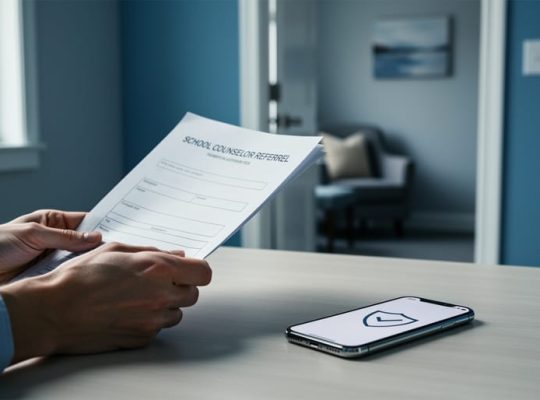
- School Mental Health Referral
- Teacher observations and academic concerns start as personal data, but transform into sensitive data when they document emotional distress, behavioral health issues, or suspected mental health conditions.
You’ll find more data privacy examples across different care settings, but the pattern remains consistent: basic identifying information is personal data, while anything revealing mental health details receives sensitive data protections. Before signing consent forms, ask providers which category applies and how they’ll safeguard each type.
How to Protect Your Child’s Information
Protecting your child’s information starts with asking direct questions before you share anything. When a provider, school, or app requests data, ask what they’ll collect, who else will see it, how long they’ll keep it, and whether they’ll use it for purposes beyond your child’s care. Request to see their privacy policy in writing, and don’t hesitate to ask for clarification on anything unclear.
Read privacy notices carefully, especially the sections on data sharing and retention. Look for whether the organization sells data to third parties, uses it for research without explicit consent, or shares it with insurers or schools. For sensitive mental health data, verify that the provider uses encryption and secure storage, and confirm that your child’s information won’t appear in public databases or be accessible to unauthorized staff.
Know your rights. You can request copies of what data they hold, ask for corrections to inaccurate information, and in many cases, request deletion when treatment ends. For children under certain ages, you have additional protections, providers must obtain your consent before collecting sensitive data, and you can withdraw that consent later.
When considering digital platforms like therapy apps or online support communities, research their security practices before creating an account. Understanding where privacy meets security helps you make informed choices about which tools genuinely protect your child’s mental health information versus those that treat it casually.
What Each Option Is
When you’re filling out forms for your child’s therapy appointment or downloading a mental health app, you’re sharing information that falls into two distinct categories under privacy law.
Personal data is any information that can identify your child, their name, date of birth, address, phone number, email, or student ID number. Think of it as the basic identifying details you’d share when registering for any service. While this information needs protection, privacy laws generally allow it to be collected and shared with standard consent procedures.
Sensitive personal data goes further. This category includes information about your child’s mental health, medical conditions, therapy sessions, diagnoses, medications, or counseling notes. It also covers racial or ethnic origin, religious beliefs, and biometric data. Privacy laws place this information in a special protected category because disclosure could cause significant harm or discrimination. Mental health information always falls into this heightened protection tier.
The distinction matters because sensitive data requires explicit consent, stricter security measures, and tighter limits on who can access it. When you’re asking school privacy questions or evaluating secure mental health apps understanding this difference helps you know what protections should be in place.
Dimension-by-Dimension Comparison
Level of Protection
Personal data (like your child’s name or school email) follows standard privacy rules. Sensitive personal data, including mental health information, receives stricter legal safeguards. Providers must implement enhanced security measures, document explicit consent, and limit who can access these records.
Consent Requirements
Collecting your child’s name for a school newsletter? Standard consent usually suffices. But accessing therapy notes or mental health assessments requires explicit, informed consent. You must understand exactly what information is being collected and why. Simply checking a box won’t meet the legal standard for sensitive data.
Sharing Restrictions
Schools can share basic contact details with approved educational partners. Mental health records face severe restrictions. Therapists can’t share session notes with teachers without your specific written permission, even within the same school system. Insurance companies need separate authorization to access diagnosis codes.
Your Access Rights
You can request both types of data, but timelines differ. Providers must respond to requests for personal data within 30 days. For sensitive mental health records, some jurisdictions allow healthcare providers additional time to prepare redacted copies that protect clinical judgment notes.
Who Should Choose Which
When seeking mental health support for your child, you don’t actually choose between personal and sensitive data categories, these classifications are determined by what information you’re sharing and which service you’re using. However, understanding the difference helps you make better decisions about where and how to seek care.
Choose services that collect minimal personal data when you’re exploring general parenting resources, reading educational content about child development, or joining peer support communities where you don’t need to disclose your child’s specific mental health challenges. These platforms typically require only basic contact information and can provide valuable guidance without deeper privacy implications.
Prioritize providers who properly handle sensitive data when your child needs actual clinical care: therapy, psychiatric evaluation, counseling services, or treatment for diagnosed conditions. These situations involve protected health information that falls under sensitive data categories. Look for providers who clearly explain their privacy practices, obtain explicit consent before collecting mental health details, limit data sharing to what’s medically necessary, and demonstrate HIPAA compliance or equivalent data protection standards.
The practical question isn’t which category to choose, but rather: does this provider’s privacy framework match the sensitivity of what I’m sharing? When in doubt about a service’s data practices, ask directly before providing your child’s mental health information.
Common Questions About Children’s Data Privacy
Parents navigating their child’s mental health care often face confusing privacy questions, especially when trying to understand what information can be shared, accessed, or deleted. The distinction between personal and sensitive data directly affects the answers to these common concerns.
Can my child’s school access their therapy records?
Schools cannot access private therapy records without your explicit written consent. Mental health treatment information is sensitive personal data with strict privacy protections, meaning therapists and counselors outside the school system cannot share it with school staff unless you authorize the release.
What happens if a mental health app gets hacked?
If an app storing your child’s mental health information experiences a data breach, the provider must notify you because mental health data qualifies as sensitive personal data under most privacy laws. You have the right to ask what was exposed, what steps the company is taking, and you can typically withdraw consent and request deletion of remaining data.
Can I delete my child’s diagnosis from a provider’s records?
Healthcare providers must retain medical records, including diagnoses, for specific periods required by law, often until your child reaches adulthood plus several years. While you cannot usually delete the diagnosis itself, you can request corrections if information is inaccurate and control who else can access these records.
Do I need to tell my child’s teacher about their mental health diagnosis?
You are not required to disclose your child’s diagnosis to teachers. Sharing is entirely your choice, though some parents find selective sharing helps teachers provide better support while you control exactly what information is revealed and to whom.
Understanding these boundaries helps you make informed decisions about when to share information and when to keep your child’s mental health details private. Privacy laws exist to give you control, not to create barriers to care.
Understanding the difference between personal data and sensitive personal data gives you real power when you’re navigating mental health support for your child. You’re better equipped to ask providers the right questions, spot red flags in privacy policies, and make choices that protect your family’s information.
Before you share any information about your child, take a moment to understand what category it falls into and what protections should be in place. Read those privacy notices, even the long ones. Ask how data will be stored, who can access it, and how long it will be kept. These aren’t difficult questions, and any reputable provider will welcome them.
Remember that privacy laws exist specifically to protect children and their sensitive health information. You have rights, your child has rights, and good mental health providers respect those boundaries.
Most importantly, don’t let privacy concerns stop you from seeking help when your child needs it. The mental health support itself matters far more than the administrative details. Trusted professionals understand privacy requirements and have systems in place to protect your family’s information. Your child’s wellbeing comes first, and getting them the right support is always the right decision.