

Data privacy examples show you exactly how laws protect your child’s mental health information in real situations: what records stay confidential when your teen sees a therapist, which school staff can access counseling notes, and when an app must get your permission before collecting data. Understanding these scenarios helps you recognize your family’s rights and know when to speak up.
Every day, parents face privacy questions that feel overwhelming. Your seventh-grader starts seeing the school counselor. Do you have the right to read those session notes? Your college freshman enters therapy and lists you as an emergency contact. Can the therapist tell you anything about their treatment? Your child downloads a mental health app. Who sees that information?
These aren’t abstract legal puzzles. They’re moments when privacy laws directly affect your ability to support your child while respecting their growing autonomy. Federal regulations like HIPAA and FERPA, along with state-specific rules and newer digital privacy protections, create a complex web that shifts depending on your child’s age, where they receive care, and the type of service involved.
Dr. Sarah Chen, a child psychologist and privacy advocate, puts it plainly: “Most parents I meet have no idea what information they can access about their teenager’s mental health care. They’re caught off guard when a provider says no, or when they discover an app has been sharing their child’s anxiety scores with third parties.”
The good news? Once you see how these laws work through concrete examples, you’ll feel more confident asking the right questions, accessing records when appropriate, and protecting your child’s sensitive information from unnecessary exposure.
What Data Privacy Means for Your Child’s Mental Health Information
When your child sees a therapist, talks to a school counselor, or uses a mental health app, detailed information about their emotional well-being, symptoms, and treatment gets recorded somewhere. Data privacy in children’s mental health means controlling who can see, use, and share that information. It’s about making sure sensitive details, diagnoses like anxiety or ADHD, notes from therapy sessions, medications your child takes, behavioral concerns documented at school, stay protected and don’t end up in the wrong hands or used in ways you never authorized.
Personal data in this context includes more than you might expect. Therapy notes that document what your child disclosed during sessions, psychological evaluations and test results, diagnoses recorded in medical charts, treatment plans outlining goals and interventions, school counselor records about meetings or interventions, prescription information for psychiatric medications, and even data collected through telehealth platforms or mental health apps all fall under protected information. Under federal law, psychotherapy notes are PHI (protected health information), which means healthcare providers must follow strict rules about storing and sharing them.
Why does protecting this information matter so much for children? Mental health carries stigma that can follow a child into adulthood if records aren’t properly safeguarded. Inappropriate access could lead to bullying if peers discover a diagnosis, discrimination in future educational or employment settings, or strained family relationships if sensitive information is shared without context. Children and teens are also developing their sense of self and autonomy. Knowing their private struggles won’t become public knowledge helps them open up honestly in therapy, which is essential for effective treatment.
Maria learned this firsthand when she requested her 10-year-old daughter’s therapy records after switching providers. She was surprised to see 14 months of detailed session notes, behavioral observations from teachers that had been shared with the therapist, notes about family conflicts Maria had discussed, and even her daughter’s drawings from sessions, all carefully documented. “I had no idea how much was being written down,” she told us. “It made me realize how important it is to know who has access to all that information about my child.” That realization prompted her to ask more questions about privacy policies and who could see the records, ultimately making her a more informed advocate for her daughter’s care.
Real-World Examples of Data Privacy in Children’s Mental Health Care
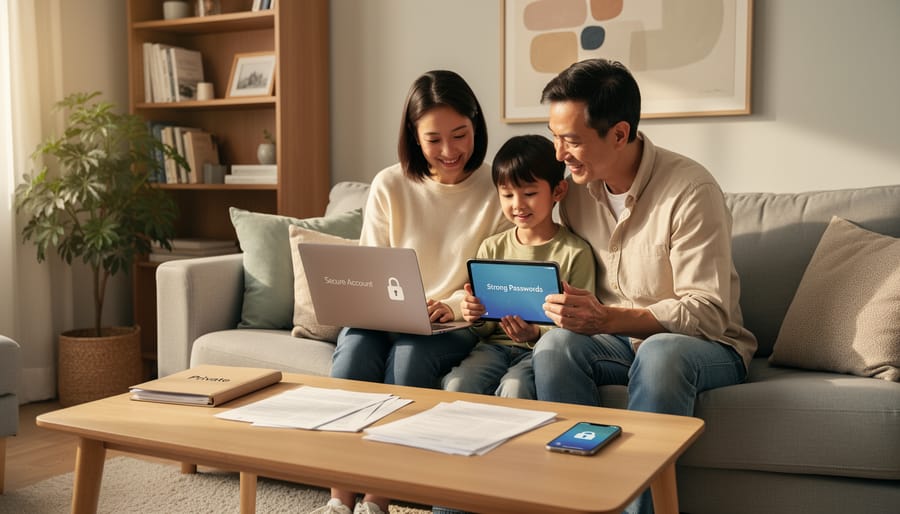
Healthcare Settings and HIPAA Protection
When your child sees a therapist or psychiatrist, HIPAA, the Health Insurance Portability and Accountability Act, protects their mental health information just as strictly as any other medical record. In fact, mental health records often receive even more careful handling because of their sensitive nature.
Here’s what this looks like in practice. When your eight-year-old begins therapy for anxiety, the therapist can’t discuss session details with anyone, including you, without proper authorization. However, as the parent of a minor, you typically have the right to access those records. The therapist will ask you to sign a release form specifying exactly what information can be shared and with whom.
A common scenario: your child’s psychiatrist wants to coordinate with their therapist. You’ll need to sign a consent form allowing these providers to communicate. This protects your child while ensuring quality care. The form usually specifies the timeframe (often one year) and can be revoked anytime.
Requesting records is straightforward. Contact your provider’s office, most have a medical records department, and complete their authorization form. Under HIPAA, they must respond within 30 days. You might receive therapy notes, diagnoses, treatment plans, and medication records. Keep in mind that therapists’ personal process notes (used only for their own treatment planning) aren’t included in standard medical records.
If your pediatrician refers your child to a mental health specialist, they’ll need your written permission to share relevant information. This prevents your child’s mental health history from being discussed or transmitted without your knowledge.
Schools and Educational Records
When your child sees the school counselor or receives mental health services through their IEP, those records fall under the Family Educational Rights and Privacy Act (FERPA), not HIPAA. This matters because FERPA gives you different, and often broader, access rights.
School counselor session notes, psychological evaluations, behavioral intervention plans, and mental health accommodations in IEPs are all educational records you can request to review. Schools must comply within 45 days, though many respond faster. One mother shared how reviewing her son’s counselor notes revealed anxiety triggers at lunch that weren’t obvious at home, allowing her to advocate for specific supports.
Schools cannot share these records with outside parties without your written consent. However, they can share internally among staff with “legitimate educational interest”, teachers implementing accommodations, for example. They’re also required to share information when there’s an immediate safety threat.
What surprises many parents: schools can share “directory information” (name, grade) and general discipline records without consent, but detailed mental health notes require your permission. If your child transfers schools, you can request their complete mental health file be sent to the new district, don’t assume it happens automatically.
Digital Mental Health Tools and Apps
When your child uses mental health apps, mood trackers, or telehealth platforms, their most personal thoughts and feelings become digital data. A teen using a mood journal app shares daily emotions and triggers. A telehealth therapy session through a video platform captures spoken words and facial expressions. These tools can provide valuable support, but understanding where privacy meets security becomes essential.
Many mental health apps aren’t covered by HIPAA if they’re direct-to-consumer products. That meditation app your teen downloaded might share usage patterns with advertisers. Before allowing your child to use a mental health tool, check its privacy policy. Look for clear statements about data encryption, whether information is sold to third parties, how long data is retained, and what happens if the company is sold. Apps connected to your child’s healthcare provider typically offer stronger protections.
Ask specific questions: Does the app require parental consent for minors? Can you request data deletion? Where are the servers located? One mother discovered her daughter’s anxiety tracking app was sharing anonymized data with researchers without explicit consent. Reading those privacy policies, though tedious, protects your child’s mental health information from becoming a commodity.
Who Can Access Your Child’s Mental Health Information

Access to your child’s mental health information isn’t always straightforward. While parents generally have broad rights to review and manage their child’s healthcare records, several factors, including custody arrangements, your child’s age, and specific state laws, shape who can see what.
Parents and Custody Arrangements
If you share joint legal custody, both you and your co-parent typically have equal rights to access your child’s mental health records under HIPAA, regardless of who takes your child to appointments. Even non-custodial parents usually retain these rights unless a court order specifically restricts them. However, you’ll need to provide documentation of your legal status if the provider hasn’t worked with you before. Sole legal custody gives one parent exclusive rights to make healthcare decisions and access records, but again, a court order must clearly establish this arrangement.
Therapists and doctors can find themselves in difficult positions when separated parents disagree. Some providers ask both parents to sign consents at the start of treatment to clarify expectations and avoid conflicts down the road.
Your Child’s Age and Emerging Privacy Rights
As children mature, the balance shifts. The table below outlines typical access patterns, though your state’s specific laws may vary:
| Age Range | Parent Access Rights | Child Consent Role | Common Exceptions |
|---|---|---|---|
| Under 12 | Full parental access | Child assent encouraged, not required | Court orders may restrict |
| 12-15 | Generally full, provider discretion emerging | Child input considered | Sensitive services (substance abuse, reproductive health) may have teen privacy protections |
| 16-17 | May be limited by state mature minor laws | Teen consent may be sufficient for certain treatment | Immediate safety concerns override privacy |
| 18+ | No automatic rights; adult child controls access | Adult provides or withholds consent | Emergency situations, incapacity |
Many states recognize “mature minor” rights, allowing teenagers, often around age 14 or 15, to consent to certain mental health services without parental involvement. Substance use treatment, sexual health counseling, and crisis intervention frequently fall into this category. Even when parents technically have access rights, providers may encourage teens to share what they’re comfortable with, building trust while respecting your role.
Dr. Sarah Chen, a child psychologist specializing in adolescent development, explains: “Around middle school, children benefit from knowing some conversations with their therapist stay private. This doesn’t shut parents out, it teaches healthy boundaries. I always help teens decide what to share with parents, but having a confidential space often makes them more willing to get help in the first place.”
Other Parties With Legitimate Access
Courts can order release of mental health records in custody disputes, abuse investigations, or juvenile proceedings. Schools may receive information if it’s necessary for your child’s IEP or 504 plan, but you’ll sign specific consents for that exchange. In genuine emergencies, when a child poses imminent danger to themselves or others, providers can share information without consent to prevent harm.
Consent in practice means signing authorization forms that specify exactly what information goes to whom and for how long. You can limit these authorizations and revoke them in writing whenever you choose.
How to Request, Review, and Protect Your Child’s Mental Health Records
Requesting your child’s mental health records starts with a simple written request. Contact the provider’s office, whether that’s a therapist, psychiatrist, or school counselor, and ask for their records release form. Most healthcare providers require requests in writing to create a clear paper trail. You can usually submit these by email, fax, or in person. Include your child’s full name, date of birth, the specific records you want (such as “all therapy session notes from January 2025 to present”), and your contact information.
Providers typically have 30 days to respond under HIPAA, though many move faster. Schools under FERPA must provide access within 45 days. If you need records urgently, say, for an upcoming evaluation or a custody hearing, mention that in your request. Most offices will prioritize time-sensitive situations.
When you receive the records, review them carefully for accuracy. Errors happen. I’ve seen files where a child’s diagnosis was listed incorrectly or session dates were wrong, which can affect treatment planning and insurance coverage. If you spot mistakes, submit a written correction request to the provider. Explain specifically what’s inaccurate and provide any supporting documentation you have. The provider must either make the correction or add your statement of disagreement to the file.
To authorize information sharing between your child’s therapist and psychiatrist, or between a mental health provider and school, you’ll complete a release of information form. These forms specify exactly what information can be shared, with whom, and for how long. Be precise. “Release all mental health records to Dr. Smith for coordination of care” is clearer than “share information as needed.” Most releases expire after one year, though you can set a shorter timeframe.
You can revoke consent at any time by submitting a written revocation to the provider. This stops future sharing but doesn’t undo information already released. Keep copies of all revocation notices for your records.
Document everything. Maintain a folder with copies of all requests, authorizations, revocations, and responses. Note dates and the names of people you spoke with by phone. This documentation protects your rights if disputes arise and helps you track what information goes where.
Teaching your child about digital privacy tips and responsible online data habits complements managing their healthcare privacy. Both involve understanding who sees personal information and why that matters.
If a provider refuses your request or ignores it entirely, escalate. Contact their privacy officer in writing, citing the specific law (HIPAA or FERPA) that grants you access. Most issues resolve at this level, but if not, you can file a complaint with the Office for Civil Rights or your state’s education department.
Your Rights and Responsibilities as a Parent
As a parent, you have significant rights under federal privacy laws, but those rights come with important responsibilities and limitations, especially as your child grows older.
Under HIPAA, you generally have the right to access your minor child’s mental health records and make healthcare decisions on their behalf. This includes reviewing therapy notes, requesting copies of evaluations, and authorizing information sharing between providers. FERPA gives you similar access to school mental health records, including counselor notes and psychological assessments, until your child turns 18 or attends college.
However, these rights aren’t absolute. Many states recognize the mature minor doctrine, which allows teens to consent to mental health treatment without parental involvement, particularly for issues like substance abuse or suicidal ideation. When a teen has legally consented to their own care, their privacy rights may override your access to information. Your child’s therapist might legally withhold certain details from you, even if you’re paying for treatment.
Your responsibilities extend beyond just accessing records. Once you receive your child’s mental health information, you’re obligated to protect it. Don’t share details unnecessarily, keep documents secure, and be mindful of discussing sensitive information where others might overhear. This applies to digital spaces too, think carefully before posting about your child’s mental health challenges on social media, even in closed groups.
Balancing transparency with your child’s developing autonomy requires ongoing communication. As children approach adolescence, involve them in decisions about who sees their information and why. Ask what they’re comfortable with you knowing. A teen who feels their privacy is respected is more likely to stay engaged in treatment and maintain open dialogue with you.
You might need to shift from full access to collaborative conversations. Instead of reading every therapy note, consider asking your child’s therapist for general updates on progress and areas where you can support treatment goals at home. This approach honors your teen’s growing independence while keeping you meaningfully involved. The same principles that guide raising responsible kids online apply here, teach judgment, model trust, and provide guidance while respecting their emerging capacity for privacy.
Remember that your rights exist to protect your child’s wellbeing, not to control every aspect of their healthcare. When teens know their online manners and privacy boundaries are respected in mental health care, they’re more likely to seek help when they need it most.
Where to Get Help With Data Privacy Questions and Concerns
When you have questions or concerns about your child’s mental health data privacy, you don’t have to figure everything out on your own. Several specific resources and professionals can provide guidance, answer questions, and help you protect your child’s information.
Start with the people and organizations already involved in your child’s care. Your child’s healthcare provider, whether a therapist, psychiatrist, or pediatrician, employs a privacy officer responsible for answering questions about how they handle protected health information. You can find this person’s contact information on the provider’s website, in the Notice of Privacy Practices you received at your first appointment, or by calling the main office and asking to speak with the privacy or compliance officer. They can explain what information is collected, how it’s stored, who can access it, and how to request copies or corrections.
If your concerns involve school records, contact your school district’s records coordinator or student services director. Every public school district has designated staff who handle educational records requests and FERPA compliance. They can walk you through the process of reviewing your child’s counseling records, understanding what’s documented in an IEP related to mental health, and knowing what information the school can share without your consent.
For broader questions or formal complaints, these organizations provide expert help:
- Office for Civil Rights (OCR), handles HIPAA complaints about healthcare providers, processes violations, and offers guidance on your rights; file complaints online at or call 1-800-368-1019
- U.S. Department of Education Family Policy Compliance Office, addresses FERPA questions and school records disputes; reach them at FPCO@ed.gov or 1-800-USA-LEARN
- State health department privacy offices, provide state-specific guidance on mental health records laws that may offer stronger protections than federal rules; find yours through your state’s health department website
- Mental health advocacy organizations like NAMI (National Alliance on Mental Illness) and Mental Health America, offer parent support, explain your rights in plain language, and connect you with local resources; both have helplines and online resource centers
Sometimes you need legal advice, particularly if you’re navigating custody disputes involving mental health records, suspect a serious privacy violation, or face denial of access to your child’s information. Consider consulting a healthcare attorney or family law attorney experienced in medical privacy issues when your situation involves legal rights disputes, potential litigation, or complex custody arrangements. The American Bar Association’s lawyer referral service and state bar associations can help you find qualified attorneys in your area, and many offer initial consultations at reduced rates.
Remember that asking for help shows you’re taking your child’s privacy seriously. These resources exist because data privacy can be complicated, and parents shouldn’t have to become experts overnight. Whether you have a simple question or a serious concern, reaching out is always the right first step.
How to Apply or Complete the Process
Requesting and managing your child’s mental health records involves a straightforward process, though specific steps vary by provider and state. Start by contacting your child’s healthcare provider or school directly, most have a designated privacy officer or records coordinator. Submit a written request (email often works) clearly stating which records you need and the date range. Under HIPAA, healthcare providers must respond within 30 days, though many act faster. Schools typically operate on similar timelines under FERPA.
If you’re authorizing information sharing between your child’s therapist and pediatrician, for example, you’ll need to complete a release form specifying exactly what information can be shared, with whom, and for how long. Keep copies of all forms and correspondence. When your child uses mental health apps or telehealth platforms, review privacy settings together and adjust sharing preferences. This is an excellent opportunity to protect your child’s privacy while teaching them about data control. Most providers offer patient portals where you can track requests and download records securely. If you encounter delays or denials, contact the provider’s privacy officer first before escalating to state or federal oversight agencies.
Common Questions About Children’s Mental Health Data Privacy
Can my ex-spouse access our child’s therapy records?
If your ex-spouse has legal custody or decision-making authority regarding healthcare, they typically have the right to access your child’s mental health records unless a court order specifically restricts this access. Contact your child’s provider with any custody documentation to clarify what information can be shared.
What if my teen doesn’t want me to know about their counseling?
Many states recognize mature minor rights, allowing teens to consent to mental health treatment without parental involvement, especially for sensitive issues like substance use or sexual health. Your teen’s therapist can explain what’s protected by confidentiality and what might need to be shared for safety reasons, helping you find a balance between respecting privacy and staying involved.
Can schools share mental health information without my permission?
Schools generally need your written consent before releasing mental health records to outside parties, but they can share information internally among staff who have legitimate educational interests. Emergency situations or court orders are exceptions where schools may disclose information without consent.
What happens if there’s a data breach involving my child’s mental health information?
Healthcare providers and covered entities must notify you if a breach compromises your child’s protected health information. You have the right to file a complaint with the Office for Civil Rights, and you may want to monitor for identity theft or misuse of the information.
These questions reflect what many parents face when navigating privacy rules alongside their child’s mental health care. Understanding your rights helps you advocate effectively while respecting your child’s developing autonomy.
Another frequent concern is whether insurance companies can use mental health history against your family. The Mental Health Parity and Addiction Equity Act prohibits insurers from imposing stricter limits on mental health coverage compared to medical coverage, and the Affordable Care Act prevents denial of coverage based on pre-existing conditions, including mental health diagnoses. However, insurers can still request records to verify medical necessity for treatment, which is why understanding what they can and cannot do with that information matters.
If you’re struggling with a privacy issue that feels complicated, remember that asking questions is always appropriate. Your child’s therapist, school counselor, or the provider’s privacy officer can walk you through specific scenarios. You’re not expected to be an expert in healthcare law, just an informed parent who knows where to turn for help.
Understanding your child’s data privacy rights isn’t just about paperwork and regulations, it’s about being an informed advocate who can protect their wellbeing while respecting their growing autonomy. You now know what information is protected, who can access it, and how to exercise your rights under HIPAA and FERPA.
The most important next step? Don’t hesitate to ask questions. Whether you’re talking with your child’s therapist, reviewing school records, or evaluating a mental health app, you have every right to understand how information is collected, used, and shared. Keep documentation of your requests and authorizations, and remember that privacy officers and school administrators are there to help you navigate these processes.
As your child grows, privacy conversations will evolve. What feels protective when they’re young becomes a delicate balance with teenagers who deserve appropriate confidentiality in their mental health care. That tension is normal, and navigating it thoughtfully, with support from providers and legal guidance when needed, is part of good parenting.
Protecting your child’s privacy and supporting their mental health aren’t separate goals. They work together, building the trust and safety that allow children to seek help when they need it most.