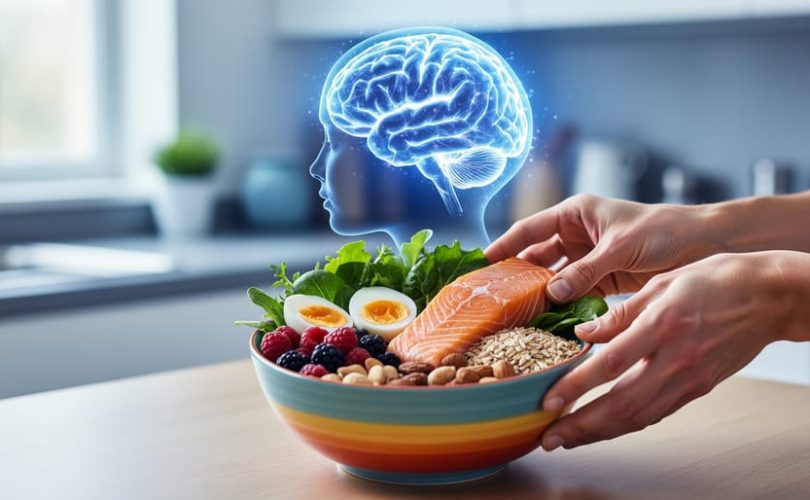
Nutrition brain development is the biological process by which the nutrients a child consumes directly influence the growth, structure, and function of their brain from conception through adolescence. What your child eats doesn’t just fuel their body. It builds the neural pathways that shape how they learn, regulate emotions, and connect with the world around them.
The stakes are higher than most parents realize. During the first three years of life, a child’s brain forms more than one million neural connections every second. Each of these connections requires specific building blocks, vitamins, minerals, and fats that can only come from food. When children miss out on key nutrients during these critical windows, the effects can persist for years, influencing everything from academic performance to mental health resilience.
Dr. Sarah Chen, a pediatric neurologist at Toronto’s Hospital for Sick Children, puts it plainly: “We used to think genetics determined brain development. Now we know nutrition acts as a switch that turns genes on or off. A well-nourished brain doesn’t just grow bigger. It grows smarter, more adaptable, and better equipped to handle stress.”
This connection matters deeply for parents navigating concerns about their child’s attention, mood, or behavior. While we often look to therapy or educational support, which remain valuable, we sometimes overlook the foundation beneath it all. The same way play and brain rewiring strengthen neural circuits through experience, proper nutrition provides the raw materials those circuits need to exist in the first place.
Understanding which nutrients matter most, when they matter, and how to realistically incorporate them into daily meals can feel overwhelming. This article breaks down the science into practical guidance you can use today.
What Nutrition Brain Development Means
Nutrition brain development refers to the way the foods children eat directly shape their growing brains. Every bite provides raw materials that either support or limit how brain cells form, connect, and communicate during the most rapid growth period of a child’s life.
When we talk about nutrition influencing brain development, we mean something quite literal. The brain doesn’t just benefit from good nutrition, it’s physically built from it. Omega-3 fatty acids become part of brain cell walls. Proteins break down into amino acids that form the chemical messengers regulating mood and attention. Iron carries oxygen that fuels the energy-hungry process of creating new neural pathways. These aren’t abstract benefits; they’re construction materials.
The relationship between nutrition and brain development becomes especially clear when we understand a few key concepts:
- Neuroplasticity
- The brain’s ability to form and reorganize connections throughout life, with childhood representing the most flexible period. Adequate nutrition supports this adaptive capacity.
- Synaptic Pruning
- The process where the brain strengthens frequently used connections and eliminates unused ones, requiring specific nutrients to proceed efficiently.
- Myelination
- The development of protective fatty layers around nerve fibers that speed up signal transmission, heavily dependent on essential fats and B vitamins.
- Neurotransmitters
- Chemical messengers like serotonin and dopamine that regulate mood, attention, and learning, all created from amino acids found in protein foods.
- Critical Periods
- Specific windows when the brain is particularly sensitive to nutritional input, making adequate nutrition especially important during these phases.
This biological reality means nutrition affects more than just physical growth. The same nutrients that build brain tissue also influence how children think, learn, regulate emotions, and interact with their world. Just as we see with brain science behind play and neuroplasticity through play nutrition creates the foundation that makes all other development possible.
Understanding this connection helps parents see feeding their children as an act of brain building, not just body nourishment.
How Nutrition Brain Development Works

The Building Blocks: Nutrients at Work
Think of your child’s brain as a construction site where billions of tiny workers build connections, pathways, and structures every single day. These workers need specific materials to do their jobs, and those materials come directly from the foods your child eats.
Omega-3 fatty acids, particularly DHA, form the actual walls of brain cells. About 60% of your child’s brain is made of fat, and DHA makes up a significant portion of that structure. Without enough of these fats, brain cells can’t maintain their shape or communicate efficiently with neighboring cells. It’s like trying to build a house with brittle, cracked bricks instead of strong ones.
Proteins break down into amino acids, which the brain uses to create neurotransmitters, the chemical messengers that carry signals between brain cells. Tryptophan becomes serotonin, which regulates mood and sleep. Tyrosine transforms into dopamine, which helps with attention and motivation. When your child doesn’t get enough protein, their brain literally runs short on these essential communication chemicals.
Iron acts as the delivery truck for oxygen. Brain cells are energy-hungry and need constant oxygen to function. Iron carries oxygen through the bloodstream to every corner of the developing brain. Even mild iron deficiency can slow cognitive processing and affect memory formation.
Vitamins serve as the construction crew’s protective gear and power tools. B vitamins help produce energy inside brain cells. Vitamin E protects delicate brain tissue from damage. These nutrients don’t build structure themselves, but they make sure every other construction process runs smoothly and safely.
Critical Windows and Timing
The developing brain doesn’t grow at a steady pace. Instead, it experiences distinct periods of rapid growth when specific nutrients become absolutely essential. Missing these windows can have lasting effects, though it’s important to know that the brain retains some ability to catch up with proper support.
The most critical period begins before birth. During pregnancy, particularly the third trimester, the brain adds about 250,000 neurons every minute. Folic acid, iron, and omega-3 fatty acids are crucial during these prenatal months for forming basic brain architecture. Deficiencies at this stage can affect everything from neural tube formation to the foundation of learning and memory systems.
The first three years after birth represent another explosive growth phase. The brain triples in weight and forms trillions of neural connections. During this time, inadequate protein, iron, or healthy fats can slow myelination, the process that insulates nerve fibers and speeds brain signaling. Children experiencing severe malnutrition during this window may struggle with attention, processing speed, and emotional regulation later.
Adolescence brings a final major remodeling period. The teenage brain refines its neural networks, especially in areas governing decision-making and impulse control. While often overlooked, teenagers still need robust nutrition, particularly iron, zinc, and B vitamins, to support this sophisticated pruning and strengthening process.
The encouraging news is that the brain shows remarkable resilience. Improving nutrition at any age supports better function, even if earlier windows were compromised.
Essential Nutrients and Their Brain Functions
Omega-3 Fatty Acids and Brain Structure
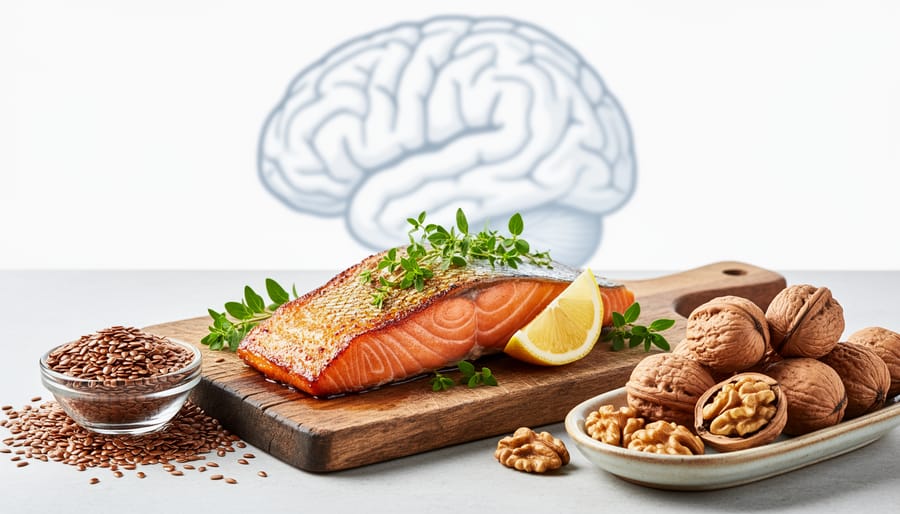
Omega-3 fatty acids, particularly DHA (docosahexaenoic acid) and EPA (eicosapentaenoic acid), make up a significant portion of the brain’s structure. DHA alone accounts for about 40% of the polyunsaturated fats in the brain and 60% in the retina, which is why DHA supports neurodevelopment and visual function throughout childhood.
These fats literally build the membranes of brain cells, making them more flexible and allowing neurons to communicate efficiently. Without adequate omega-3s, brain cell membranes become rigid, slowing down the transmission of signals between cells. This affects everything from how quickly children process information to how well they regulate their emotions and attention.
The brain accumulates DHA most rapidly during pregnancy and the first two years of life, but it continues to need omega-3s through adolescence as it refines and strengthens neural pathways. Children get DHA and EPA primarily from fatty fish like salmon, sardines, and mackerel. For families whose children won’t eat fish, smaller amounts appear in omega-3 enriched eggs, grass-fed meat, and algae-based supplements designed for kids.
Protein and Amino Acids for Brain Communication
Proteins do more than build muscle, they supply the amino acids your child’s brain uses to create neurotransmitters, the chemical messengers that carry signals between brain cells. Amino acids make neurotransmitters like serotonin, which helps regulate mood and sleep, dopamine, which supports motivation and attention, and GABA, which calms nervous system activity. When children don’t get enough protein, their brains can’t produce adequate amounts of these crucial chemicals, which may show up as difficulty concentrating, mood swings, or trouble settling down.
Different proteins provide different amino acids. Tryptophan from turkey, eggs, or cheese becomes serotonin. Tyrosine from chicken, fish, or beans transforms into dopamine and norepinephrine. Children need protein throughout the day because neurotransmitters get used up constantly during thinking, learning, and emotional regulation. A breakfast with eggs, a lunch with chicken or chickpeas, and a dinner with fish or lentils gives the brain steady access to these building blocks. Even picky eaters can usually find a few protein sources they’ll accept, nut butters, yogurt, or cheese often work when other options don’t.
Iron, Zinc, and Other Minerals
While omega-3s and proteins often steal the spotlight, minerals work behind the scenes to keep a child’s brain functioning at every level. Iron carries oxygen to rapidly dividing brain cells, without enough, those cells can’t produce energy or grow properly. Iron deficiency harms brain development particularly affecting memory, attention, and processing speed. Babies and toddlers need iron-rich foods like meat, beans, and fortified cereals during their fastest growth spurts.
Zinc supports the formation of new neural connections and protects developing brain tissue from damage. It plays a crucial role in how neurons communicate and how the brain regulates mood. Children who don’t get enough zinc may struggle with attention and emotional control. Good sources include poultry, whole grains, and dairy products.
Other minerals matter too. Iodine is essential for producing thyroid hormones that control brain development, especially before birth and in early childhood. Magnesium helps calm neural activity and supports learning. Selenium protects brain cells from oxidative stress during rapid growth.
These minerals work as a team, iron absorption improves with vitamin C, while calcium can interfere with iron uptake if consumed at the same time.
How Nutrition Brain Development Is Applied in Daily Life
Supporting Brain Nutrition at Different Ages
Children’s nutritional needs shift dramatically as they grow, and what supports brain development at two months looks very different from what a twelve-year-old requires. Understanding these changes helps you provide the right fuel at the right time.
Infants (0-12 months) need breast milk or formula as their primary nutrition source, providing essential fatty acids like DHA that literally build brain tissue during this explosive growth period. Around six months, iron-rich foods become critical, pureed meats, fortified cereals, and mashed beans, because babies’ iron stores from birth deplete just as their brains demand more for cognitive development.
Toddlers and preschoolers (1-5 years) present feeding challenges as independence emerges and appetite fluctuates wildly. Focus on nutrient-dense options during willing moments: whole milk or full-fat yogurt for brain-building fats, soft-cooked eggs for choline, nut butters for protein. Small, frequent meals work better than forcing three big ones. This stage establishes eating patterns that support cognitive growth throughout childhood.
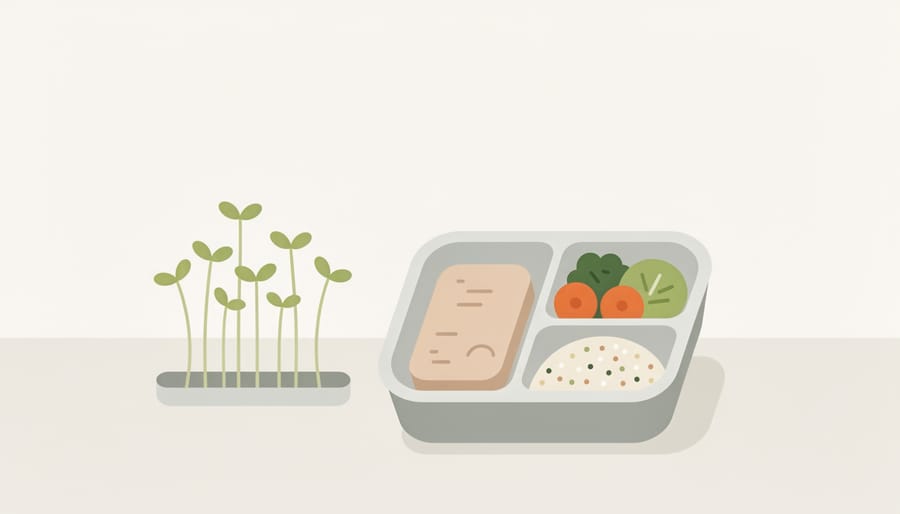
School-age children (6-12 years) need consistent protein and complex carbohydrates to fuel longer attention spans and more demanding cognitive tasks. Breakfast becomes especially important, skipping it directly impacts concentration and memory formation. Pack lunches with variety: whole grain bread, lean proteins, colorful vegetables, and fruit.
Adolescents (13-18 years) experience a second wave of intense brain development, particularly in areas governing decision-making and emotional regulation. Their increased calorie needs tempt reliance on processed foods, but this is precisely when zinc, B vitamins, and omega-3s matter most for mental health stability.
When Professional Support Helps
Sometimes nutrition support needs a professional’s perspective. While many feeding challenges are typical parts of childhood, certain patterns suggest it’s time to reach out.
Consider consulting your pediatrician if your child consistently refuses entire food groups, loses weight or stops gaining weight appropriately, or shows signs of nutritional deficiency like persistent fatigue, pale skin, or slow wound healing. These warrant a medical evaluation to rule out underlying health issues.
A pediatric dietitian becomes valuable when your child has complex medical conditions affecting nutrition absorption, multiple food allergies requiring careful meal planning, or extreme pickiness severely limiting their diet. They create personalized nutrition plans that work with your family’s reality, not against it.
Mental health professionals should join the team when feeding difficulties connect with anxiety, control issues, or trauma. A child who panics at mealtimes, uses food refusal to exert control during family stress, or has sensory processing challenges affecting eating benefits from therapeutic support alongside nutrition guidance.
Children with ADHD, autism spectrum disorder, or mood disorders often need coordinated care between mental health providers and nutrition specialists. These conditions frequently involve both neurochemical factors and eating patterns that affect each other.
Trust your instincts. You know your child best. If mealtimes consistently feel like battles causing everyone distress, that stress itself warrants professional input. Getting help early prevents small concerns from becoming entrenched patterns.
The Connection Between Nutrition Deficiencies and Mental Health

When a child doesn’t get enough of the right nutrients, the effects can show up in ways that look a lot like mental health challenges. Iron deficiency, for instance, can cause fatigue, irritability, and trouble concentrating, symptoms often mistaken for attention difficulties or mood problems. A child struggling to focus in school might not have ADHD; they might simply need more iron-rich foods to carry oxygen to their developing brain.
The connection runs deeper than most parents realize. Research consistently links inadequate nutrition with increased rates of anxiety, depression, and behavioral issues in children. Omega-3 deficiencies have been associated with mood regulation difficulties. Low B-vitamin intake can affect neurotransmitter production, influencing everything from sleep patterns to emotional resilience. Zinc deficiency has been connected to symptoms that mirror ADHD, including impulsivity and distractibility.
These aren’t just physical problems with mental side effects, they’re fundamental disruptions to how the brain builds itself and functions. A brain trying to grow without sufficient building materials can’t form neural connections as efficiently. It can’t produce adequate amounts of serotonin, dopamine, and other chemicals that regulate mood and behavior.
The relationship works both ways. Children experiencing stress, trauma, or existing mental health conditions often have altered appetites or digestive issues that make it harder for their bodies to absorb nutrients properly. This creates a challenging cycle: poor nutrition affects mental health, which then makes proper nutrition more difficult to achieve.
What makes this especially complicated is that families facing food insecurity or limited access to fresh foods aren’t choosing inadequate nutrition, they’re doing their absolute best within real constraints. A parent working multiple jobs can’t always prepare elaborate meals. A family on a tight budget may rely on less expensive, processed foods that provide calories but fewer brain-supporting nutrients. Children with sensory sensitivities or autism spectrum disorders may have extremely restricted diets through no fault of their caregivers.
The good news is that improving nutrition often leads to noticeable changes in mood, attention, and behavior. Small, consistent improvements matter more than perfection. Even when combined approaches are needed, like the diet and play synergy that supports overall development, better nutrition provides a foundation that makes other interventions more effective. Every nutritious meal is an investment in your child’s mental wellbeing.
Common Questions About Nutrition and Brain Development
Parents often worry whether they’re doing enough to support their child’s brain development through nutrition. These questions come up repeatedly in pediatric offices, parent groups, and school meetings, and they deserve straightforward, reassuring answers.
What if my child is a picky eater? Will their brain development suffer?
Most picky eaters get adequate nutrition when offered a variety of foods consistently without pressure. Focus on what they do eat rather than what they refuse, and keep offering nutritious options alongside accepted foods. The brain has some flexibility to work with available nutrients, and most children’s diets become more varied over time.
Should I give my child supplements for brain health?
Whole foods are generally better than supplements because nutrients work together in complex ways. However, supplements can help if your child has diagnosed deficiencies, restricted diets, or specific health conditions. Talk with your pediatrician before starting any supplement routine.
Does it matter if I buy organic foods for brain development?
The most important factor is eating enough fruits, vegetables, whole grains, and proteins, whether organic or conventional. Both provide the nutrients developing brains need. Choose what fits your budget, and don’t let concerns about organic versus conventional prevent you from serving nutritious foods.
Is it too late to make changes if my child is already school-age?
The brain continues developing well into the twenties, so improving nutrition at any age provides benefits. While earlier intervention helps more, positive changes in diet can still support cognitive function, emotional regulation, and academic performance throughout childhood and adolescence.
What if I can’t afford the “best” brain-healthy foods?
Brain-healthy eating doesn’t require expensive specialty foods. Eggs, beans, frozen vegetables, canned fish, whole grain bread, peanut butter, and fortified cereals provide essential nutrients at reasonable prices. Focus on affordable nutrient-dense options rather than pricey superfoods.
Many parents also wonder whether one missed meal or a week of poor eating during illness causes lasting harm. The answer brings relief: the brain is remarkably resilient to short-term nutritional variations. What matters most is the overall pattern of eating over weeks and months, not perfection at every meal.
If your child refuses entire food groups for extended periods, has significant developmental concerns, or you notice changes in behavior or learning that might relate to diet, consulting a pediatrician or registered dietitian provides personalized guidance. They can assess whether testing for deficiencies makes sense and help create realistic strategies that work for your family’s specific circumstances and challenges.
Supporting your child’s brain development through nutrition isn’t about achieving perfection at every meal. It’s about making thoughtful choices when you can and being gentle with yourself when circumstances make that difficult.
Many families face real obstacles: tight budgets, limited access to fresh foods, picky eaters who refuse anything green, or simply the exhaustion of daily life. These challenges don’t make you a bad parent. They make you human. What matters is the overall pattern of nutrition over weeks and months, not any single snack or skipped vegetable.
Small changes truly do add up. Adding an egg to breakfast, choosing whole grain bread instead of white, or keeping frozen berries on hand for smoothies, these aren’t dramatic overhauls, but they contribute to your child’s cognitive growth. Even one additional serving of brain-supporting foods per day makes a measurable difference over time.
If you’re worried about your child’s nutrition or development, reach out to your pediatrician. Many communities also offer nutrition assistance programs, school meal support, and feeding therapy resources for children with significant difficulties.
Your awareness that nutrition matters for brain health already puts you ahead. Trust that the effort you’re making, whether it’s researching better options, trying new foods, or simply reading this article, reflects your deep care for your child’s wellbeing. That commitment is what truly nourishes development, even when the path isn’t perfectly smooth.