
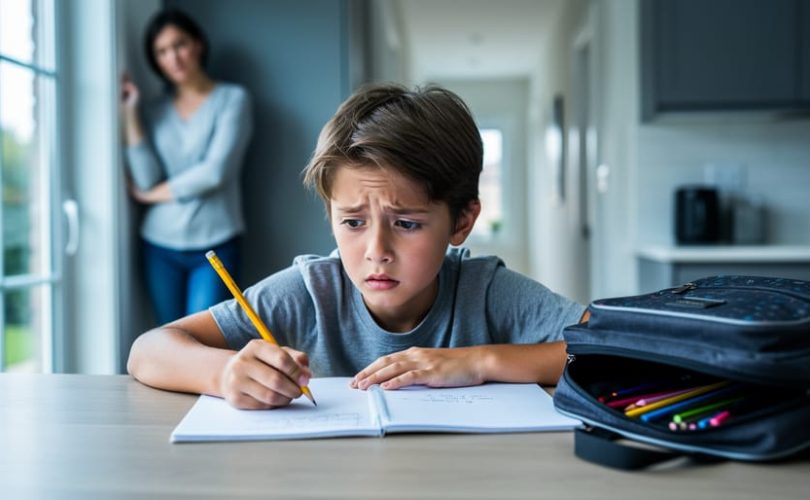
Chronic anxiety symptoms are persistent, excessive worry and physical tension that last for six months or longer and interfere with daily life, relationships, and a child’s ability to learn and grow. Unlike the occasional nervousness before a test or a new social situation, chronic anxiety doesn’t fade when the stressor passes. It lingers, reshapes how a child sees the world, and can show up as stomachaches before school, constant “what if” questions, or refusal to try new things.
If you’re reading this, you’ve likely noticed something that worries you. Maybe your child melts down every morning about going to school, complains of headaches with no clear medical cause, or seems unable to relax even during fun activities. You’re not imagining it, and you’re not alone. Chronic anxiety affects nearly one in eight children, yet it often goes unrecognized because kids don’t always have the words to say “I feel anxious.” Instead, they show you through their behavior, their bodies, and their avoidance.
This article will walk you through what chronic anxiety actually looks like in children, how it differs from normal developmental fears, and which symptoms warrant a conversation with your pediatrician or a mental health professional. You’ll learn to recognize the emotional, physical, and behavioral signs, understand how anxiety operates beneath the surface, and gain clarity on when worry crosses the line from typical to concerning. Our goal is to give you the knowledge and confidence to support the child in your care with compassion and informed action.
What Are Chronic Anxiety Symptoms?
Every child worries. Before a test, meeting new people, or when they hear a strange noise at night. That’s normal. But anxiety in children becomes chronic when worry doesn’t ease once the moment passes. Instead, it lingers, grows, and starts controlling their daily life.
The difference between typical worry vs anxiety matters. Worries are specific and temporary. Chronic anxiety symptoms are persistent, excessive, and often vague. A child might feel terrified without knowing exactly why, or fixate on unlikely disasters that haven’t happened and probably won’t.
- Chronic Anxiety
- A persistent pattern of worry and fear that continues for months, interferes with daily activities, and doesn’t resolve on its own even when circumstances improve.
- Generalized Anxiety Disorder
- A clinical diagnosis characterized by persistent, excessive, and unrealistic worry about everyday things that the child finds difficult to control.
- Excessive Worry
- Worry that is disproportionate to the actual situation, happens most days, and focuses on multiple areas of life rather than a single concern.
- Persistent Symptoms
- Signs of anxiety that occur consistently over time rather than appearing only during stressful events or specific situations.
Clinically, generalized anxiety disorder has specific markers. Excessive worry is central to the diagnosis. That worry must feel uncontrollable to the child and attach itself to multiple aspects of their life, whether school performance, friendships, family safety, or their own health.
Time matters for diagnosis. The DSM-5 requires six months of consistent symptoms before a formal diagnosis. This duration threshold separates temporary stress reactions from a chronic condition requiring professional attention.
Children experiencing chronic anxiety can’t just “snap out of it” or “calm down” on command. Their nervous system has learned to treat ordinary situations as threats. Recognizing these symptoms early allows parents and teachers to respond with understanding rather than frustration, and to seek appropriate support when needed.
How Chronic Anxiety Works in Children

The Worry Cycle
The worry cycle in children with chronic anxiety operates like a feedback loop that reinforces itself. A child encounters a trigger, often something minor like an upcoming test or a parent being late, and responds with excessive worry that feels impossible to control. This worry generates uncomfortable physical sensations: racing heart, tight chest, or upset stomach. The child then interprets these physical feelings as confirmation that something truly is wrong, which intensifies the worry further.
What makes this cycle chronic is that children begin worrying about worry itself. They start anticipating situations that might trigger anxiety, which creates anxiety before anything has actually happened. A child might lie awake at night worrying about worrying during tomorrow’s presentation. This anticipatory anxiety narrows their world as they increasingly avoid anything that might set off the cycle.
The brain reinforces this pattern because worry temporarily feels like problem-solving. When a child worries obsessively about a scenario and it doesn’t happen, their brain mistakenly credits the worry as protective rather than recognizing the scenario was unlikely to begin with. This false reward system keeps the cycle spinning, making the worry persist for months beyond what would be considered normal childhood concern.
Physical and Emotional Responses
When a child experiences chronic anxiety, their body remains on high alert even when there’s no real danger. This constant state of activation triggers the same stress response that would normally protect them from genuine threats, but instead of switching off after the danger passes, it keeps running. The result is a collection of physical symptoms that can be confusing and exhausting for children who don’t understand what’s happening.
The physical responses show up in predictable patterns. Many children feel restless or jumpy, unable to sit still or relax their muscles. Their hearts might race, or they may notice their hands trembling during ordinary activities. Sweating, headaches, and stomachaches become frequent complaints, often appearing before school or social events. Sleep problems are particularly common: children may struggle to fall asleep because their minds won’t quiet down, or they wake repeatedly through the night.
These aren’t imagined symptoms or attempts to avoid responsibilities. They’re genuine physical reactions to the brain’s misinterpretation of everyday situations as threats. When worry becomes excessive and persistent, the body responds as if it’s constantly preparing for danger, releasing stress hormones, tensing muscles, and maintaining heightened vigilance. Over time, this takes a real toll. Chronic anxiety can leave children feeling perpetually exhausted, even after a full night’s sleep, because their bodies never truly rest.
Types of Chronic Anxiety Symptoms in Children
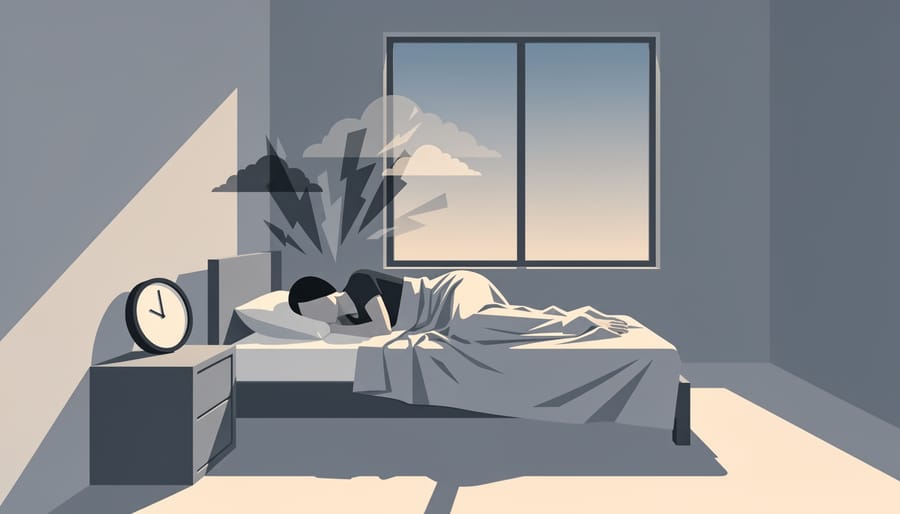
Emotional and Mental Symptoms
The emotional landscape of a child with chronic anxiety looks different from typical childhood worries. Excessive worry sits at the center, these children anticipate worst-case scenarios across multiple areas of life, from schoolwork and friendships to family health and world events. The worry feels uncontrollable and out of proportion to the actual situation, occupying their thoughts for hours each day.
Fear becomes a constant companion, even in safe environments. A child might feel terrified about upcoming tests weeks in advance, panic about being called on in class, or experience overwhelming dread about social gatherings they normally enjoyed. This persistent fear doesn’t respond to logical reassurance.
Irritability surfaces frequently, often catching parents off guard. Children snap at siblings over minor issues, resist simple requests, or become tearful without clear triggers. They’re not trying to be difficult, their nervous systems are chronically overwhelmed, leaving little capacity for everyday frustrations.
Concentration suffers noticeably. Teachers report that anxious children stare blankly during lessons, forget instructions immediately after hearing them, or read the same paragraph repeatedly without comprehension. Their minds are too busy managing worry to focus on learning, even when they desperately want to succeed.
Physical Symptoms
Children with chronic anxiety often experience a range of physical symptoms that can be confusing for both the child and their caregivers. Restlessness is one of the most common signs, a child might fidget constantly, seem unable to sit still, or appear physically wound up even during quiet activities. This restlessness stems from the body’s prolonged stress response.
Exhaustion frequently accompanies chronic anxiety, even when a child hasn’t been particularly active. The mental effort of managing constant worry drains physical energy, leaving children tired throughout the day. Sleep problems compound this fatigue. Many anxious children struggle to fall asleep, wake frequently during the night, or experience nightmares, creating a cycle where poor sleep worsens anxiety symptoms.
Physical manifestations like sweating and trembling may occur without an obvious trigger. A child’s hands might shake during routine tasks, or they may perspire during normal classroom activities. Some children develop persistent bodily complaints, recurring headaches, stomachaches, or muscle tension, that have no clear medical cause. These aren’t imagined; they’re real physical responses to emotional distress. When anxiety activates the body’s stress system repeatedly, it produces genuine physical discomfort that deserves attention and compassionate support.
Behavioral Symptoms
When a child experiences chronic anxiety, their behaviors often change in ways that reveal their internal struggle. You might notice your child suddenly refusing to attend activities they once enjoyed, making excuses to skip school, or backing out of social events at the last minute. This avoidance stems from their attempt to escape situations that trigger worry, even when those situations pose no real danger.
Watch for withdrawal patterns too. An anxious child may isolate themselves in their room, stop participating in family conversations, or abandon hobbies that previously brought them joy. They’re not being difficult, they’re overwhelmed and seeking safety in solitude.
Reassurance-seeking becomes another telltale sign. Your child might ask the same questions repeatedly (“Are you sure I’ll be okay?” “Will you be there?”), need constant checking-in throughout the day, or struggle to make simple decisions without your input. They may also develop perfectionist tendencies, spending excessive time on homework or redoing tasks that are already complete.
Some children show the opposite, procrastination and task avoidance when anxiety makes starting anything feel impossible. You might also observe physical fidgeting, nail-biting, hair-pulling, or other nervous habits that weren’t present before. These behaviors aren’t choices; they’re coping mechanisms for managing persistent fear.
When Chronic Anxiety Symptoms Require Attention
Not every worried child needs professional help, but recognizing when symptoms cross the line from typical childhood fears to chronic anxiety can make the difference between early intervention and years of struggle.
Anxiety becomes a concern when it interferes with daily functioning. If your child regularly avoids school, can’t participate in age-appropriate activities, or experiences physical symptoms that disrupt sleep or eating, it’s time to seek guidance. The persistence matters too, symptoms that continue for six months or longer signal a pattern rather than a temporary reaction to stress.
Context is crucial. A child who worries before a big test is normal. A child who experiences persistent stomach aches, can’t concentrate in class despite anxiety management in class and refuses to attend school for weeks needs evaluation. When worry becomes excessive and unrealistic, affecting multiple areas of life, professional support becomes necessary.
The numbers tell us this isn’t rare. An estimated 19.1% of U.S. adults had an anxiety disorder in the past year, and the WHO: most common mental disorder designation reflects anxiety’s global reach. Many of these cases began in childhood, which makes early recognition vital.
Identifying symptoms serves multiple purposes beyond diagnosis. It helps parents understand what their child is experiencing, guides teachers in providing appropriate classroom support, and allows healthcare providers to develop targeted treatment plans. Early intervention often means access to proven anxiety strategies that can prevent symptoms from worsening.
Trust your instincts. You know your child better than anyone. If something feels wrong, if the worry seems disproportionate, the physical complaints are constant, or the behavioral changes persist, reach out to your pediatrician or a mental health professional. Asking for help isn’t overreacting; it’s advocating for your child’s wellbeing.
Recognizing Chronic Anxiety in Daily Life
Spotting chronic anxiety in everyday moments requires tuning into patterns rather than isolated incidents. A child who occasionally worries before a test isn’t necessarily showing chronic anxiety, but one who consistently refuses breakfast every school morning while complaining of stomachaches might be.
At home, watch for children who need repeated reassurance about the same concerns. Sarah, a second-grade teacher, noticed her daughter asking every evening, “Are you sure you’ll pick me up tomorrow?” even though Sarah had never been late. This nightly ritual, combined with difficulty falling asleep and morning headaches, signaled anxiety that needed attention. Other home indicators include children who become unusually distressed by minor changes in routine, avoid trying new foods or activities, or follow parents from room to room.
In school settings, chronic anxiety often appears as perfectionism that interferes with learning. Teachers might observe students erasing answers repeatedly, taking significantly longer to complete assignments than peers, or avoiding participation even when they know the material. One parent shared that her son would spend three hours on homework designed to take thirty minutes, paralyzed by fear of making mistakes.
Social situations reveal anxiety through persistent withdrawal or avoidance. Children with chronic anxiety might consistently decline birthday party invitations, eat lunch alone despite wanting friends, or develop physical complaints before playdates. They’re not just shy, they’re trapped by worry about judgment, rejection, or embarrassment.
The key distinction is consistency across settings and time. If your child shows multiple symptoms that persist for weeks or months, interfere with daily activities, and don’t improve with reassurance or environmental changes, trust that observation. You’re not overreacting. You’re noticing a pattern that deserves professional evaluation, and that awareness is the foundation for getting your child the support they need.

Frequently Asked Questions About Chronic Anxiety Symptoms
How long must symptoms persist for a formal diagnosis?
Symptoms must be consistent and ongoing for at least six months before a formal diagnosis of generalized anxiety disorder can be made. This duration requirement helps distinguish chronic anxiety from temporary stress responses to specific life events.
What’s the difference between normal childhood worries and chronic anxiety?
Normal worries come and go with specific situations and don’t interfere significantly with daily life. Chronic anxiety involves persistent, excessive, and unrealistic worry about everyday things that continues even when there’s no clear reason to worry, with excessive worry as the central feature.
When should I be concerned about my child’s anxiety?
Be concerned when anxiety interferes with school, friendships, family life, or daily activities, or when physical symptoms like restlessness, trouble sleeping, exhaustion, irritability, sweating, or trembling persist for weeks or months. Trust your instincts, if something feels off, it’s worth discussing with your child’s doctor.
What should I do if I recognize these symptoms in my child?
Schedule an appointment with your child’s pediatrician or a mental health professional who specializes in children. They can conduct a proper assessment and guide you on what to do next whether that’s therapy, coping strategies, or other support options.
These questions reflect the concerns parents express most often when they first recognize chronic anxiety patterns. Remember that seeking answers is a sign of good parenting, not overreacting. Anxiety disorders are the world’s most common mental disorders according to the World Health Organization, affecting an estimated 19.1% of U.S. adults in any given year. While these statistics focus on adults, they underscore how widespread anxiety is, and how important early identification and support are for children who show these symptoms.
Recognizing chronic anxiety symptoms in your child can feel overwhelming, but understanding what to look for is genuinely empowering. You’re not searching for problems where none exist. You’re paying attention, gathering information, and taking the first step toward helping your child feel better.
The symptoms we’ve explored, persistent worry, physical complaints, behavioral changes, are signals, not verdicts. Many children experience anxiety that responds well to support, whether that’s professional therapy, family adjustments, or a combination of strategies. Early recognition matters because it opens doors to help before patterns become deeply entrenched.
Trust what you’re observing. Parents and teachers often sense when something isn’t right, even before they can name it precisely. If your child’s anxiety is interfering with daily life, lasting weeks or months, or causing significant distress, those instincts are worth following. Reaching out to a pediatrician or mental health professional isn’t overreacting. It’s responsible care.
Remember that chronic anxiety is treatable. Children learn, adapt, and grow remarkably well when given the right tools and support. Your willingness to understand these symptoms, to read articles like this one, and to consider your child’s experience thoughtfully already demonstrates the kind of engaged care that makes a difference. You’re not alone in this, and neither is your child.