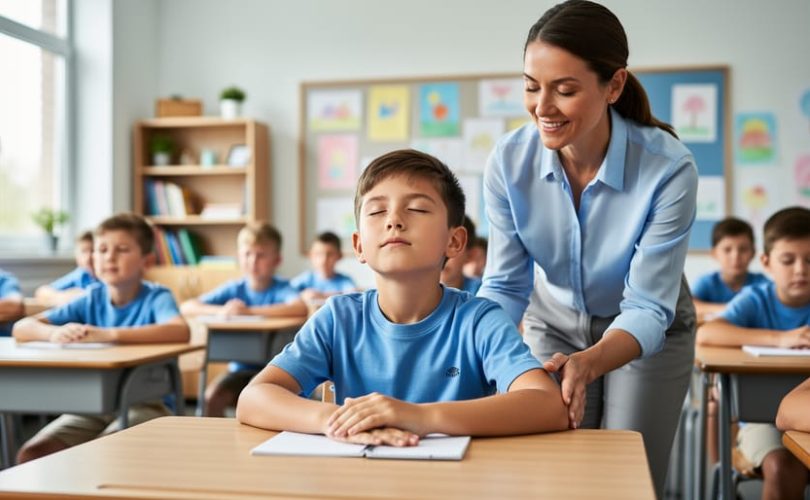
Notice when your child pauses before a difficult test, takes a deep breath, and says “I can handle this.” That moment of self-awareness represents resilience in action, and increasingly, schools are teaching these skills deliberately through mindfulness programs. Education has always been about more than academics. It’s about equipping children with tools to navigate challenges, recover from setbacks, and grow stronger through adversity.
Today’s students face unprecedented pressures: academic competition, social media stress, uncertain futures, and for many, trauma that follows them into the classroom. Traditional education focuses on filling minds with knowledge, but resilience-focused approaches teach children how to steady those minds when stress threatens to overwhelm them. Research shows that students who develop resilience skills don’t just cope better with difficulties; they actually perform better academically, form healthier relationships, and experience fewer mental health challenges.
School-based mindfulness programs sit at the intersection of education and emotional wellness. These programs teach practical techniques like focused breathing, body awareness, and emotional regulation. They’re not about eliminating stress or pretending problems don’t exist. Instead, they give children a framework for understanding their internal experiences and responding thoughtfully rather than reactively.
For parents and educators wondering whether these programs truly make a difference, the evidence is compelling. Students participating in mindfulness programs show measurable improvements in attention, emotional control, and stress management. Perhaps most importantly, they develop a foundational belief that they possess the inner resources to face whatever comes their way.
This article explores how education and resilience connect through mindfulness programs, what the research reveals about their effectiveness, and practical ways you can support these skills whether your child’s school has a formal program or not.
What Resilience Really Means in Education
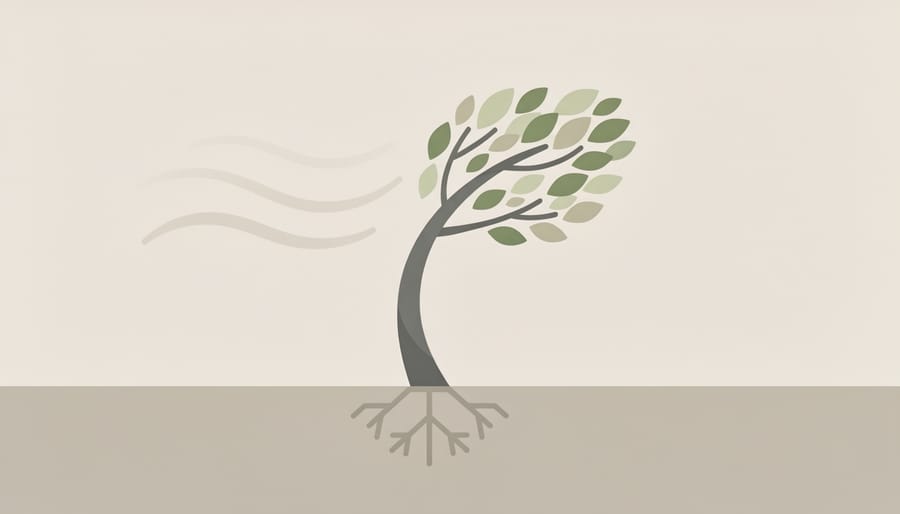
When we talk about resilience with children, we’re not asking them to become tough or to simply “push through” difficult feelings. Instead, resilience is more like a mental and emotional flexibility—the ability to bend without breaking, to experience setbacks and gradually find your way forward again.
Think of resilience as a set of skills rather than a personality trait. Just as children learn to ride a bike through practice and occasional falls, they develop resilience by facing age-appropriate challenges with support and guidance. It’s not about never falling down; it’s about learning how to get back up, dust yourself off, and try again with new knowledge about what works.
Dr. Ann Masten, a leading resilience researcher, describes resilience as “ordinary magic”—not something rare or extraordinary, but a natural capacity that emerges when children have the right support systems and learn healthy coping strategies. This perspective is encouraging because it means every child has the potential to develop resilience.
What resilience isn’t is equally important to understand. Resilience doesn’t mean suppressing emotions or “toughening up.” A resilient child isn’t someone who never cries, never feels anxious, or never asks for help. Rather, it’s a child who can recognize their feelings, express them appropriately, and work through them in healthy ways.
In educational settings, resilience connects directly to several key skills. Emotional regulation helps children notice and manage their feelings rather than being overwhelmed by them. Problem-solving abilities allow them to approach challenges methodically rather than giving up immediately. Healthy coping strategies—like taking deep breaths, talking to a trusted adult, or engaging in physical activity—provide tools for managing stress.
The beautiful truth about resilience is that it can be taught and strengthened over time. Through mindful education programs, children learn these skills explicitly, practicing them in safe environments before applying them to real-world challenges. This foundation serves them not just in school, but throughout their entire lives.
The Growing Mental Health Crisis in Our Schools
If you’ve noticed your child seems more anxious about school lately, or you’re a teacher watching students struggle with stress in ways that feel different than years past, you’re not imagining it. The mental health challenges facing our children today are real, significant, and deserving of our attention and compassion.
Recent studies paint a sobering picture. Approximately one in five children now experiences symptoms of anxiety or depression, with rates rising steadily over the past decade. The pressures our kids face have multiplied: academic expectations that begin earlier and feel more intense, social media creating constant comparison and connection, and the lingering effects of pandemic-related disruptions that upended their routines and relationships.
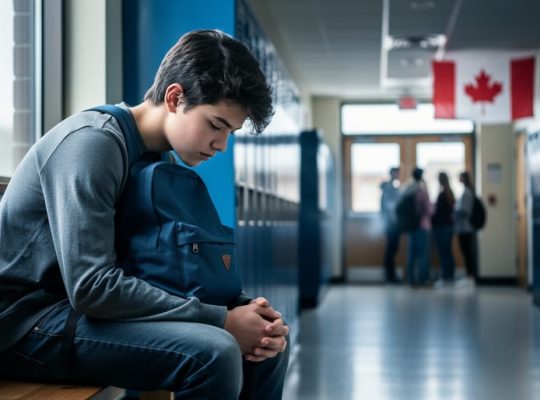
For many children, the school day brings a cascade of stressors. There’s the pressure to excel academically while managing demanding schedules. Social dynamics have grown more complex, with traditional bullying now extending into digital spaces where hurtful interactions can happen around the clock. The pandemic added another layer, leaving some children struggling with learning gaps, social anxiety after extended isolation, or grief from losses experienced during those difficult years.
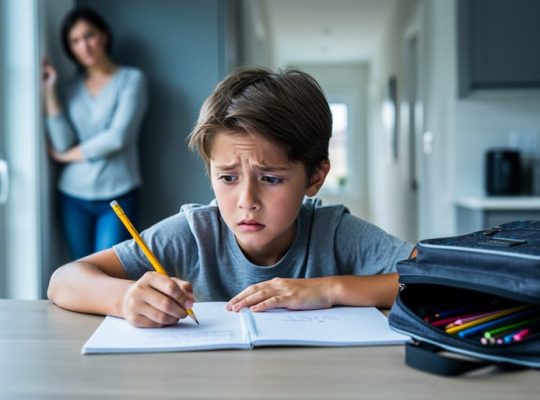
What makes recognizing early mental health signs particularly challenging is that children express distress differently than adults. A child dealing with anxiety might complain of stomachaches before tests. Depression might show up as irritability rather than sadness. Some children become perfectionists, while others withdraw from activities they once loved.
Here’s the hopeful part: we’re finally talking openly about these challenges. Schools are recognizing that supporting mental health isn’t separate from education—it’s fundamental to it. Parents are learning that emotional wellbeing matters just as much as academic achievement. Healthcare professionals are developing age-appropriate interventions that truly help.
This growing awareness has sparked innovation in how we support children. Mindfulness programs, social-emotional learning, and resilience-building initiatives are emerging as practical tools that give kids skills to navigate their feelings and challenges. These aren’t just feel-good additions to the school day—they’re evidence-based approaches that address the real struggles children face while building their capacity to thrive despite difficulties.
How School-Based Mindfulness Programs Actually Work
What Mindfulness Looks Like in the Classroom
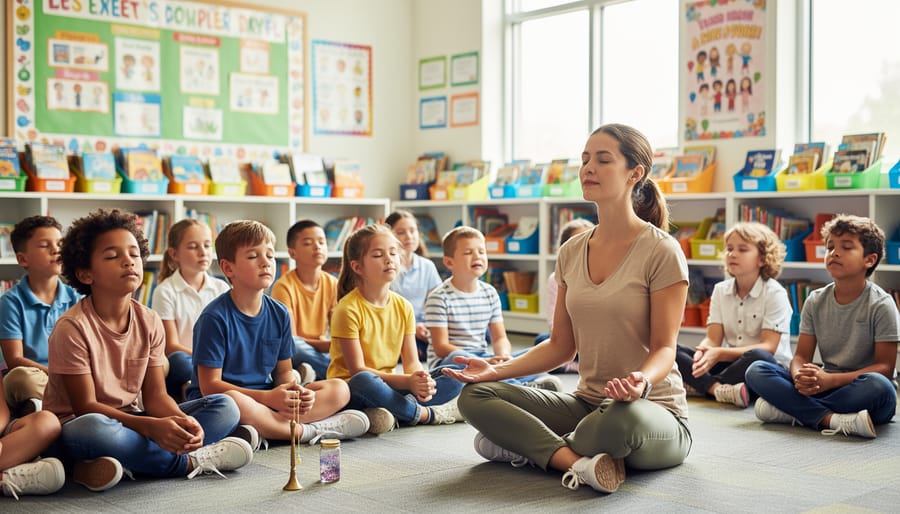
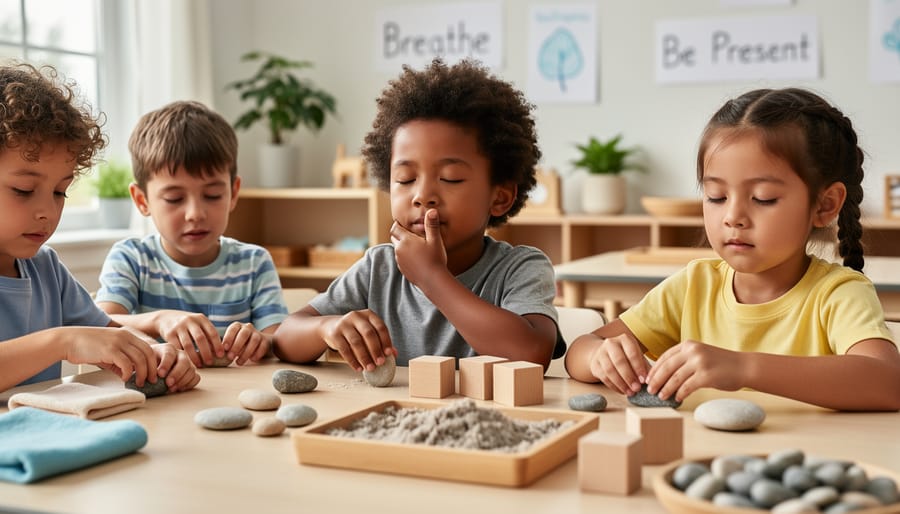
Mindfulness in the classroom doesn’t require special equipment or dramatic changes to the school day. Instead, teachers weave brief, age-appropriate practices into existing routines, creating moments of calm that help students reset and refocus.
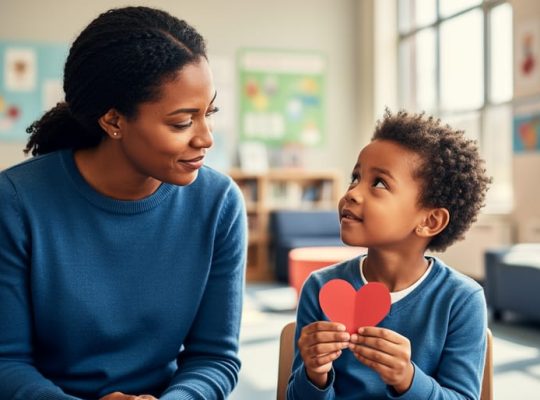
For younger elementary students, teachers often start with simple breathing exercises. A kindergarten teacher might guide her class through “balloon breathing,” where children imagine inflating a balloon in their belly as they breathe in and slowly letting the air out. These exercises typically last just two to three minutes but can transform the energy in a room. One second-grade teacher shares, “After recess, my students were always wound up. Now we do ‘bunny breaths’—three quick sniffs in, one long breath out—and within minutes, they’re ready to learn again.”
Middle schoolers often respond well to body scans, where they systematically notice sensations from head to toe. A sixth-grade teacher incorporates this before tests, helping students recognize and release physical tension. “I watch their shoulders drop and their faces soften,” she explains. “It’s like giving them permission to settle.”
High school students appreciate mindful movement practices like stretching sequences or walking meditation in the hallway. Guided imagery also resonates with teens, particularly visualizations about achieving goals or finding their calm place during stressful moments.
The key is consistency and brevity. Most teachers dedicate three to five minutes at the beginning of class, after transitions, or before challenging activities. Dr. Chen, a school psychologist, notes, “When mindfulness becomes as routine as taking attendance, students internalize these tools and begin using them independently.” Teachers report that students eventually request these practices themselves, recognizing when they need support.
The Core Components of Resilience Training
Resilience training programs teach children a set of interconnected skills that work together like building blocks, creating a strong foundation for both emotional wellbeing and academic achievement. These aren’t abstract concepts but practical tools that children can use every day.
At the heart of these programs is emotional awareness—helping children recognize and name what they’re feeling. When a child can identify that tight feeling in their chest as anxiety or that warm sensation as excitement, they gain control over their emotional experiences. This awareness naturally leads to self-regulation, where children learn techniques like deep breathing, counting strategies, or taking short breaks to manage overwhelming emotions before they escalate.
Positive self-talk transforms how children respond to challenges. Instead of thinking “I’m terrible at math,” resilience training teaches them to reframe this as “I’m still learning this, and I can improve with practice.” This connects directly to developing a growth mindset—the understanding that abilities aren’t fixed but can grow through effort and persistence. Research shows that children with a growth mindset perform better academically because they view mistakes as learning opportunities rather than failures.
Stress management techniques give children age-appropriate ways to handle pressure, from test anxiety to social conflicts. They might learn visualization exercises, progressive muscle relaxation, or mindfulness breathing—simple practices they can use anywhere, anytime.
Finally, relationship building skills help children communicate their needs, resolve conflicts respectfully, and develop supportive friendships. Strong relationships act as protective factors during difficult times, and these social-emotional skills serve children throughout their lives.
Together, these components create resilient young people who can navigate both classroom challenges and life’s inevitable ups and downs with confidence and hope.
The Research Behind Mindfulness and Resilience
The connection between mindfulness practices and resilience in children isn’t just hopeful thinking—it’s backed by a growing body of research that shows genuine, measurable benefits. Studies from universities and research institutions around the world have documented improvements in multiple areas of children’s lives when mindfulness becomes part of their daily routine.
A comprehensive review of school-based mindfulness programs found that students who participated showed significant improvements in attention span and focus. They were better able to stay on task during class and showed increased ability to shift their attention when needed. These cognitive benefits translated into academic gains, with some studies reporting improved test scores and classroom participation.
The emotional benefits are equally impressive. Research has shown that children who practice mindfulness techniques demonstrate better emotional regulation—they’re more able to recognize their feelings, pause before reacting, and choose healthier responses to stress. Dr. Sarah Mitchell, a child psychologist who has studied these programs for over a decade, explains: “What we’re seeing is that mindfulness gives children the mental space to respond rather than react. It’s like creating a buffer zone where they can catch themselves and make better choices.”
Behavioral improvements have also been documented, with schools reporting decreases in classroom disruptions, conflicts between students, and disciplinary incidents. Teachers note that children become more cooperative and show increased empathy toward their peers.
However, it’s important to maintain realistic expectations. As educator James Chen observes, “Mindfulness isn’t a magic solution. We see the best results when it’s practiced consistently, supported at home and school, and integrated into a broader approach to student wellbeing.” Research typically shows modest to moderate effects rather than dramatic transformations overnight.
The benefits also tend to increase over time. Children who practice regularly for several months show more sustained improvements than those in shorter programs. Additionally, younger children and those facing higher levels of stress often show the most significant gains, though children at all developmental stages can benefit from age-appropriate mindfulness practices.
Real Stories: What Parents and Teachers Are Seeing
When Ms. Rodriguez introduced mindfulness breathing exercises to her fourth-grade classroom last year, she wasn’t sure what to expect. “Within three weeks, I noticed something remarkable,” she shares. “Two students who frequently argued at recess started using the calm-down techniques we practiced. Instead of yelling, they’d take space and come back to talk it through.”
Parents are witnessing similar changes at home. Sarah, mother of eight-year-old Marcus, recalls how her son struggled with test anxiety. “He’d get stomachaches every Monday morning,” she explains. After his school started a weekly mindfulness program, Marcus learned to recognize his worried thoughts without letting them take over. “He still gets nervous sometimes, but now he has tools to manage it. That’s huge for a kid his age.”
For some children, the impact goes beyond emotional regulation. Ten-year-old Amira’s teacher noticed she was increasingly withdrawn and struggling to concentrate. The school counselor recommended mental health screening tools and incorporated her into a small mindfulness group. “Amira started participating more in class discussions,” her teacher observed. “She seemed more present, like she’d found a way to quiet the noise in her head.”
It’s important to note that these programs aren’t magic solutions. Not every child responds immediately, and some need additional support. However, educators consistently report that even small shifts matter. “I’ve seen kids who couldn’t sit still for five minutes gradually build up to ten, then fifteen,” says Mr. Chen, a middle school counselor. “They’re learning that they have more control over their responses than they realized.”
These stories reflect what research shows: when children learn resilience skills early, they develop a foundation for navigating life’s challenges with greater confidence and self-awareness. The changes may be subtle at first, but they often ripple outward, affecting relationships, academic performance, and overall wellbeing.
Supporting Your Child’s Resilience Journey at Home
Simple Mindfulness Activities for Families
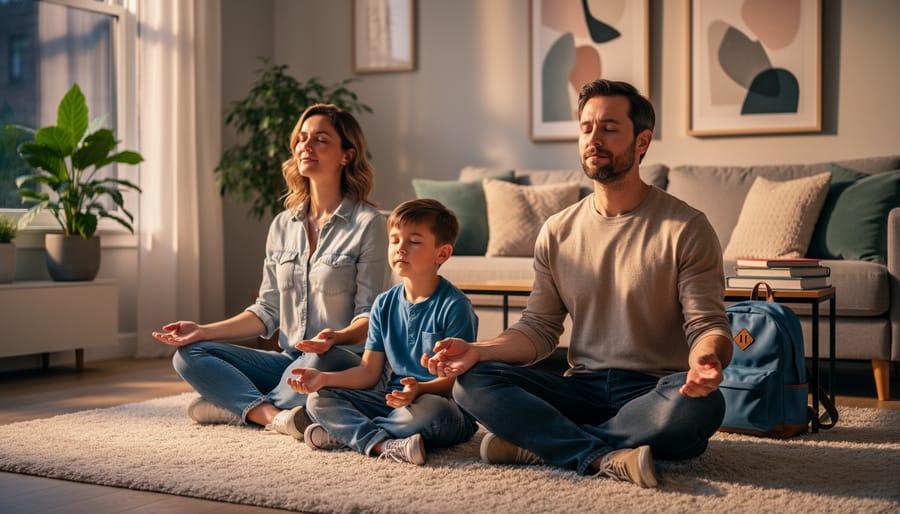
Introducing mindfulness into your family routine doesn’t require special equipment or extensive training. These simple activities can help children develop emotional awareness and coping skills while strengthening your connection with them.
Start with mindful eating during snack time. Choose something with texture, like a raisin or piece of orange. Encourage your child to notice the color, smell, and feel before eating slowly and describing the taste. Even preschoolers enjoy this sensory exploration, while older children can discuss how paying attention changes their experience.
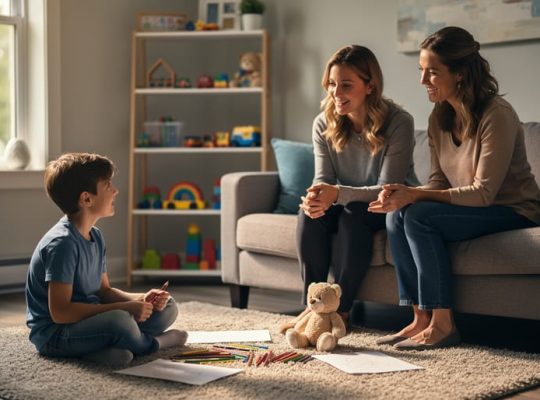
Gratitude practices work beautifully at dinner or bedtime. Take turns sharing one good thing from the day, no matter how small. A parent I spoke with shared that her anxious seven-year-old began noticing positive moments throughout the day once this became routine. The practice helped shift his focus from worries to appreciation.
Bedtime breathing offers a calming transition to sleep. Try “belly breathing” where children place a small stuffed animal on their stomach and watch it rise and fall. For older kids, counting breaths or imagining worries floating away like clouds can be effective. Keep it short, just two to three minutes.
Daily emotion check-ins help children identify and name their feelings. Use a simple scale, emotion faces, or weather metaphors. Ask “What’s your weather today? Sunny, cloudy, or stormy?” This normalizes all emotions and opens dialogue without pressure. Remember, consistency matters more than perfection. Even practicing once or twice weekly builds important emotional skills over time.
Creating a Resilience-Supporting Environment
Building resilience in children doesn’t mean shielding them from every difficulty—it means equipping them with tools to navigate challenges successfully. As parents and caregivers, we play a crucial role in creating environments where resilience can naturally develop.
One of the most powerful ways to support resilience is by allowing age-appropriate struggles. When your seven-year-old wrestles with a tricky homework problem or your teenager navigates a friendship conflict, resist the urge to immediately solve it for them. Instead, offer gentle guidance and emotional support while letting them experience the satisfaction of overcoming obstacles independently. These small victories build confidence and problem-solving skills that serve them throughout life.
Children learn more from what we do than what we say. When you face stress, model healthy coping strategies aloud: “I’m feeling overwhelmed right now, so I’m going to take five deep breaths and then tackle one task at a time.” This transparency teaches children that difficult emotions are normal and manageable.
Recognizing emotional changes in your child means validating their feelings without minimizing them. Replace “Don’t worry about it” with “I can see you’re really upset. That sounds hard. Let’s talk about it.” This validation helps children understand their emotions and feel safe expressing them.
Maintaining consistent routines provides stability that helps children feel secure, especially during uncertain times. Regular mealtimes, bedtimes, and family rituals create predictable anchors in their day.
Finally, encourage problem-solving by asking open-ended questions: “What do you think might help?” or “What could you try differently next time?” This approach empowers children to trust their own judgment and develop the critical thinking skills essential for lifelong resilience.
Advocating for These Programs in Your Child’s School
If you’ve seen the positive impact mindfulness and resilience programs can have on children, you might be wondering how to bring these opportunities to your child’s school. The good news is that many schools are receptive to programs that support student wellbeing, especially when approached with clear information and community support.
Start by scheduling a meeting with your child’s teacher, school counselor, or principal. Come prepared with specific information about evidence-based programs like MindUP, Inner Explorer, or Zones of Regulation. Share research findings showing that these programs improve focus, reduce anxiety, and create calmer classroom environments. Teachers often appreciate hearing that mindfulness can decrease disruptive behavior and increase instructional time.
Address common concerns upfront. Some administrators worry about adding to already packed schedules. Emphasize that many programs integrate seamlessly into existing curriculum, taking just 10-15 minutes daily. Others may question effectiveness, so bring data from similar schools showing improved test scores and reduced disciplinary incidents. If there are concerns about religious connections, clarify that school-based mindfulness is entirely secular and rooted in neuroscience.
Consider forming a parent committee to demonstrate community interest. When schools see multiple families advocating together, they’re more likely to prioritize the initiative. Connect with like-minded parents at PTA meetings or through social media groups.
Funding doesn’t have to be a barrier. Many evidence-based programs offer free or low-cost resources. Look into grants from local foundations, wellness organizations, or PTAs. Some districts allocate mental health funding that can cover training costs. Explore partnerships with community mental health programs that may provide implementation support.
Offer to help with implementation. Schools are more likely to adopt new programs when parents volunteer to coordinate logistics, attend training sessions, or help gather resources. Your involvement shows commitment and reduces the workload for staff.
Remember that change takes time. If your school isn’t ready for a full program, suggest starting small with a pilot classroom or after-school club. Sometimes seeing results in one setting creates momentum for broader adoption. Your advocacy matters, and every conversation moves your school community closer to prioritizing children’s emotional wellbeing alongside academic achievement.
Building resilience in children through education isn’t just beneficial—it’s essential. Just as we wouldn’t send our kids into the world without teaching them to read or count, we shouldn’t send them forward without the emotional tools to navigate life’s inevitable challenges. The good news is that resilience can be learned, practiced, and strengthened over time.
Remember that this journey looks different for every child and every family. Some days will feel like major breakthroughs, while others might seem like small steps backward. That’s completely normal. What matters is consistency, patience, and the willingness to show up—even when it feels hard.
Start where you are. Maybe that means practicing one mindful breath with your child before bed. Perhaps it’s acknowledging their feelings more intentionally during tough moments. Or it could be advocating for mindfulness programs at your child’s school. Every action, no matter how small, plants seeds of resilience.
If you’re looking for ways to support your child’s mental health journey, explore additional support resources available in your community. Connect with other parents, talk to teachers, and don’t hesitate to reach out to mental health professionals when needed.
Building resilience is a lifelong journey, not a destination. By prioritizing these skills alongside traditional academics, we’re giving our children something invaluable: the confidence and tools to thrive, no matter what comes their way.