
Advocacy for mental health means speaking up for change, supporting those who struggle, and creating communities where emotional wellbeing matters as much as physical health. You don’t need a degree or a platform to be an advocate. You simply need to recognize that one in six children experiences a mental health challenge, and that your voice, whether whispered in a school board meeting or shared across a dinner table, can shift how we care for young minds.
Start by educating yourself beyond headlines and social media snippets. Read current research, listen to families navigating these challenges, and understand that mental health conditions aren’t character flaws or parenting failures. When you grasp the science and the lived reality, you become a credible voice who can counter myths with facts.
Next, identify where your influence already exists. Teachers shape classroom policies that can accommodate anxious students. Parents can request mental health education at PTA meetings. Healthcare professionals might advocate for better referral networks in their practices. You’re already positioned somewhere that matters.
Dr. Sarah Chen, a child psychiatrist in Portland, reminds us that “the most powerful advocacy often happens in ordinary moments, when someone refuses to let stigmatizing language slide or asks ‘how can we support this child better?’ in a team meeting.” These small interventions compound.
In 2026, opportunities abound. Local school districts are revising wellness policies. State legislatures are debating mental health parity laws. Community organizations need volunteers for peer support programs. Choose one entry point rather than trying to fix everything at once.
This year, your advocacy matters more than you think.
What Mental Health Advocacy Really Means for Kids
Mental health advocacy for children is about using your voice and influence to create a world where kids get the support they need. At its core, it means speaking up when systems fall short, pushing for better policies, and ensuring that children have access to mental health care without shame or barriers. It looks like a parent questioning why their school has one counselor for 500 students, a teacher creating space for emotional check-ins, or a pediatrician asking legislators to fund early intervention programs.
Advocacy is not about being the loudest voice in the room. It’s about being a consistent voice for children who can’t yet speak for themselves in spaces where decisions are made.
Many people think advocacy requires professional credentials or political connections, but that’s a misconception that keeps caring adults on the sidelines. You don’t need a degree in public health or a seat on a committee to advocate effectively. What you need is willingness to notice when something isn’t working for a child and the courage to say so.
It’s also important to understand what advocacy is not. Advocacy differs from providing direct mental health treatment. A therapist works one-on-one with a child to address specific symptoms and build coping skills. An advocate works to change the conditions that affect all children, whether that’s reducing wait times for appointments, challenging stigma in their community, or making sure schools recognize trauma’s impact on learning. Both roles matter equally. Without treatment, individual children suffer. Without advocacy, the systems that should support them remain broken.
The mental health advocacy movement has grown stronger precisely because parents, educators, and professionals realized they could create change from wherever they stood. You already advocate when you validate a child’s feelings, share resources with another struggling parent, or ask hard questions about how your workplace supports employees with kids facing mental health challenges. Recognizing these actions as advocacy is the first step toward doing more.
The Challenges Children Face When Mental Health Goes Unsupported
When seven-year-old Emma started complaining of stomachaches every school morning, her parents assumed she was faking to avoid tests. When twelve-year-old Marcus grew quieter and withdrew to his room, his teacher figured he was just being a typical moody preteen. These everyday scenarios play out in homes and classrooms across the country, where genuine mental health struggles get misread as behavioral issues, developmental phases, or simple avoidance.
The reality is that kids face substantial obstacles long before they ever reach a therapist’s office. Stigma remains one of the most powerful barriers. Children worry that admitting they’re struggling means they’re weak, broken, or different from their peers. Parents fear judgment from other families or worry that seeking help will label their child permanently. This fear of being seen as “less than” keeps families silent even when they recognize something’s wrong, perpetuating cycles where children suffer alone rather than risk social consequences.
Access to care presents another significant challenge, particularly in rural areas and underserved communities. Even when families are ready to seek help, they often encounter months-long waitlists, insurance denials, or a complete absence of pediatric mental health providers in their region. Research has identified several common perceived barriers that prevent families from accessing the support their children need, including cost concerns, lack of knowledge about available services, and cultural factors that influence help-seeking behaviors.
Perhaps most troubling is the dismissal of children’s emotional experiences as less serious than adult struggles. When a child says they feel anxious or sad, adults sometimes respond with “you’re too young to be stressed” or “just think positive.” This invalidation teaches kids that their feelings don’t matter, making them less likely to speak up as symptoms intensify.
These barriers don’t exist in isolation. They compound and reinforce each other, creating a landscape where far too many children navigate mental health challenges without adequate support. Understanding these obstacles is the first step toward dismantling them. When we recognize how stigma, limited resources, and dismissive attitudes work together to shatter stigma we begin to see why mental health advocacy isn’t optional, it’s essential for creating systems where every child can access the care they deserve.


How You Can Become an Advocate (Starting Today)
Everyday Advocacy in Your Home and School
Advocacy doesn’t require a megaphone or a policy degree. It starts in the moments you’re already living with children.
When your child struggles with anxiety before school, the way you respond matters. Instead of dismissing their feelings with “you’ll be fine,” try validating what they’re experiencing: “I see this is really hard for you. Let’s figure out what might help.” That conversation models emotional awareness and teaches kids their mental health deserves attention.
At school, advocacy might mean asking a question during a parent-teacher conference that others are thinking but won’t voice. When you notice your child’s teacher seems overwhelmed or a classmate is withdrawing, speaking up creates space for school mental health to become a visible priority rather than an afterthought.
IEP meetings offer powerful advocacy opportunities. Come prepared with specific observations about what your child needs, not just what isn’t working. Bring a support person if the process feels intimidating. Strong family-professional partnerships often begin when one parent asks direct questions and holds the team accountable.
Creating safe spaces means more than putting up motivational posters. It’s checking in without interrogating, noticing changes in behavior without jumping to judgment, and making it clear that asking for help is strength, not weakness. Small, consistent actions shape the culture around mental health, at home and in classrooms.
Joining Larger Movements and Organizations
When you’re ready to expand your impact beyond individual conversations, connecting with established organizations can multiply your efforts and surround you with people who share your commitment to children’s mental health.
National advocacy groups offer structured ways to get involved that match different schedules and comfort levels. Mental Health America, NAMI (National Alliance on Mental Illness), and the National Federation of Families for Children’s Mental Health maintain local chapters where you can attend meetings, participate in awareness campaigns, or simply learn alongside others. You don’t need to become a full-time activist, showing up to one event or signing a petition aimed at improving school mental health funding counts as meaningful participation.
Conferences provide concentrated learning and networking opportunities that can transform how you think about advocacy. The 2026 Mental Health America Conference, taking place October 8-9, 2026, brings together the country’s leading voices around the theme “More Good Days, Together.” It’s a chance to hear from experts, share strategies with other advocates, and return home with concrete ideas you can implement. Similarly, The Children’s Mental Health Summit: Hope Starts Here, scheduled for July 15-17, 2026, focuses specifically on youth mental health and offers perspectives tailored to parents and professionals working directly with children.
Community initiatives often provide the most accessible entry points. Local mental health coalitions, parent support groups, and school district wellness committees welcome new members who bring firsthand experience raising or teaching kids. These smaller networks let you contribute your unique perspective while learning the landscape of advocacy work in a supportive environment. The relationships you build in these spaces often become your greatest resource when navigating challenges or celebrating victories.
Mental Health Advocacy Events and Opportunities in 2026
This summer and fall offer two standout opportunities to deepen your understanding and connect with other advocates who share your commitment to children’s mental health.
The Children’s Mental Health Summit: Hope Starts Here takes place July 15-17, 2026, bringing together parents, educators, and professionals around actionable strategies for supporting kids. This summit creates space for learning practical approaches and hearing from people who’ve navigated similar challenges in their own communities. Whether you attend in person or follow the conversations online, you’ll walk away with fresh ideas you can apply immediately in your home or school.
Later in the year, the 2026 Mental Health America Conference runs October 8-9, 2026, centered on the theme More Good Days, Together. As the leading national mental health conference, it gathers advocates from across the country to share research, policy updates, and grassroots success stories. The collaborative focus of this year’s theme emphasizes what many advocates already know: sustainable change happens through community, not isolation.
| Event Name | Dates | Focus/Theme | Why It Matters for Advocates |
|---|---|---|---|
| The Children’s Mental Health Summit: Hope Starts Here | July 15-17, 2026 | Practical strategies for supporting children’s mental health | Learn actionable approaches and connect with other parents, teachers, and professionals |
| 2026 Mental Health America Conference | October 8-9, 2026 | More Good Days, Together | Access national research, policy insights, and grassroots success stories from leading advocates |
You don’t need to attend every session or take extensive notes. Even following event highlights on social media or reading post-conference summaries can spark new advocacy ideas. These gatherings remind you that thousands of people are working toward the same goals, often facing the same frustrations and celebrating similar small wins. That sense of shared purpose fuels the persistence advocacy requires.
Real Stories: Parents and Professionals Making a Difference
When Sarah’s eight-year-old son received an anxiety diagnosis in 2024, she felt overwhelmed and alone. The school suggested he “just needed more discipline,” and finding appropriate support felt impossible. After a diagnosis Sarah began educating herself and realized other parents faced the same dismissive responses. She started attending school board meetings, sharing research about childhood anxiety, and connecting with other families. Within a year, her district implemented a new mental health accommodation policy that trained staff to recognize and support students with anxiety disorders. Sarah didn’t set out to change policy. She just refused to accept that her son’s needs didn’t matter.
Marcus taught fourth grade for twelve years before he noticed a pattern. Kids were struggling emotionally, but they had no vocabulary to express what they felt, and no safe time during the school day to process difficult experiences. He proposed a simple idea to his principal: fifteen minutes every morning for a feelings check-in circle. Some colleagues doubted its value, but Marcus persisted. He created a basic framework, taught students emotion words, and made the circle a judgment-free zone. Other teachers noticed the difference in his classroom and asked to learn his approach. Now, six teachers in his school run morning circles, and students have a daily opportunity to be heard. Marcus advocates through consistency, showing that small structural changes create space for children’s emotional lives.
Dr. Patel, a pediatrician in a rural community, kept hearing the same frustration from parents: they knew their children needed mental health support, but they didn’t know where to start or what questions to ask. She began hosting free monthly community sessions at the local library, covering topics like recognizing warning signs, navigating insurance, and finding appropriate providers. She invited school counselors and therapists to speak alongside her. The sessions grew from eight families to over forty. Dr. Patel doesn’t provide therapy at these gatherings, but she breaks down the barriers of confusion and isolation that keep families from seeking help. Her advocacy removes the mystery from mental health care and replaces it with practical knowledge parents can use immediately.
These advocates didn’t wait for perfect conditions or exceptional qualifications. They saw a gap and took one step to fill it.
Overcoming Common Obstacles in Advocacy Work
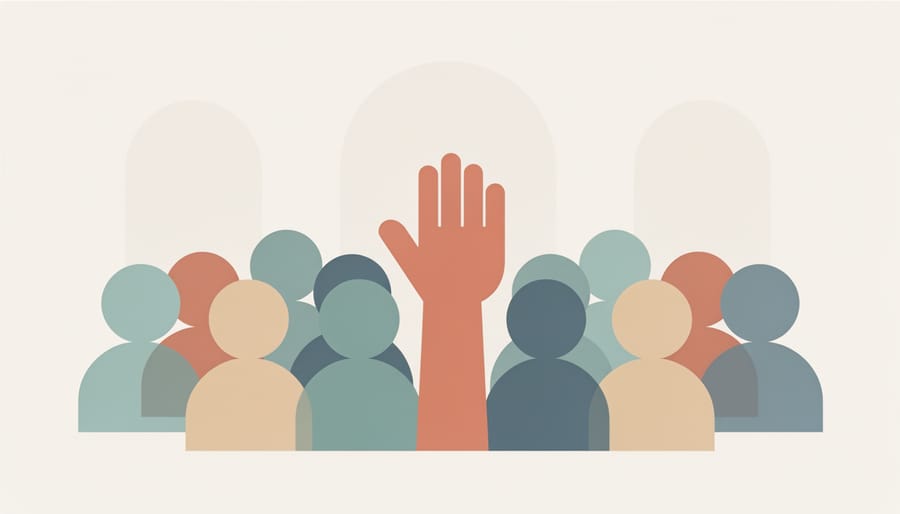
You don’t need a PhD in psychology or a platform of thousands to make a difference in children’s mental health advocacy. The obstacles you face are real, but they don’t disqualify you from this work, they make you human, and being human is exactly what advocacy needs.
The feeling of being unqualified stops many caring adults before they start. You might think you lack credentials, research knowledge, or the right connections. Here’s the truth: your lived experience as a parent, teacher, or someone who cares about kids holds tremendous value. You’ve witnessed the signs to act in children who needed support. You understand the gaps in the system because you’ve navigated them. Advocacy isn’t about being the loudest voice in the room, it’s about bringing your authentic perspective to conversations that desperately need it.
Common obstacles often sound like this in our heads:
- “I’m not an expert” becomes “My lived experience matters just as much as credentials”
- “I’m too busy” becomes “Even small actions create ripples of change”
- “People don’t listen to me” becomes “Persistence and consistency eventually break through resistance”
- “I might say the wrong thing” becomes “Imperfect action beats perfect silence every time”
Burnout poses a real risk when you care deeply about this work. The key is treating advocacy as a marathon, not a sprint. Set boundaries around your involvement, decide how much time you can realistically commit each week. Choose one or two focus areas instead of trying to fix everything. Connect with other advocates who understand the emotional weight of this work, whether through online communities or local groups. Remember that taking breaks doesn’t mean abandoning the cause; it means sustaining yourself so you can continue contributing over the long term.
When you face pushback from school administrators, family members, or community leaders who dismiss mental health concerns, it stings. But resistance often signals that you’re touching something that needs to change. Document your efforts, gather allies who share your concerns, and return to conversations with specific examples rather than abstract arguments. One parent’s persistent questions at school board meetings may feel futile until suddenly policy shifts. Change happens slowly, then all at once.
You’ve read about the challenges, the opportunities, and the real people who’ve already started making a difference. Now it’s your turn, not because you have to, but because you can.
Mental health advocacy for children doesn’t require a degree, a platform, or a perfect plan. It starts with awareness, the recognition that something needs to change. It grows through action, however small. Maybe that’s one honest conversation with your child’s teacher, showing up to a school board meeting, or simply validating a young person’s feelings when others dismiss them. And it multiplies through community, when your courage inspires someone else to speak up, too.
You don’t need to attend every conference or join every organization to make an impact, though events like The Children’s Mental Health Summit: Hope Starts Here this July offer powerful ways to connect and learn. What matters most is taking that first step, whatever feels manageable for you right now.
The barriers children face around mental health won’t disappear overnight. But they do shift, one advocate at a time. You’re not solving this alone. Thousands of parents, teachers, and professionals are already doing this work, and there’s room for you among them.
Your voice matters. Your actions ripple further than you realize. And the children who benefit from your advocacy may never know your name, but they’ll feel the difference you made.