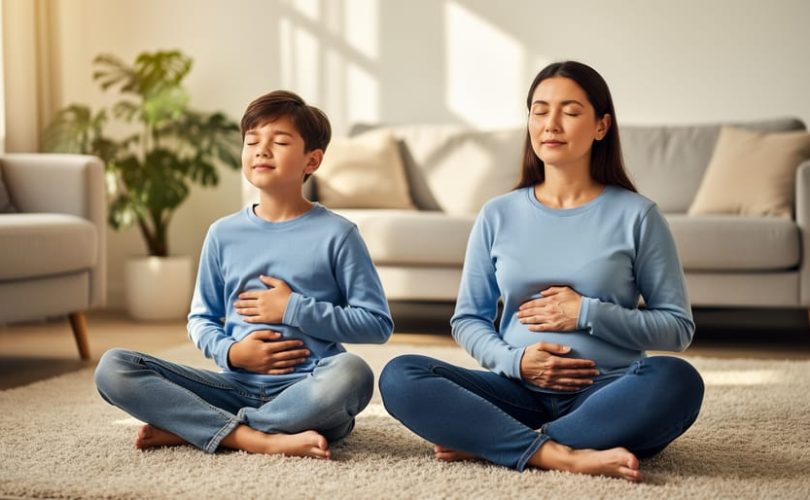
A two-minute anxiety meditation is a brief breathing and grounding exercise that helps calm an anxious child’s nervous system in real time. When your child is spiraling with worry, racing thoughts, or physical tension, this practice works because it triggers the body’s relaxation response through intentional breath control and present-moment awareness. You don’t need special equipment, a quiet room, or prior meditation experience. Just two minutes of guided breathing can shift a child from fight-or-flight mode to a calmer state.
As a parent watching your child struggle with anxiety, you’ve likely felt that desperate need for something that works right now. Maybe it’s the morning meltdown before school, the bedtime panic that stretches on for hours, or the sudden fear that hits in the middle of a grocery store. You need a tool you can deploy anywhere, immediately. That’s exactly what this meditation offers.
The beauty of a two-minute practice is its accessibility. Children as young as four can learn the basic framework, and even teenagers who roll their eyes at longer meditation sessions will often engage with something this brief. Research consistently shows that even short meditation practices reduce cortisol levels and activate the parasympathetic nervous system, the body’s natural brake system.
This guide walks you through exactly how to teach and use this technique with your child, what to prepare beforehand, when it’s appropriate to use, and how to know if it’s working. You’ll learn the step-by-step process, common obstacles parents face, and ways to adapt the practice for different ages and anxiety levels.
What You Need to Get Started
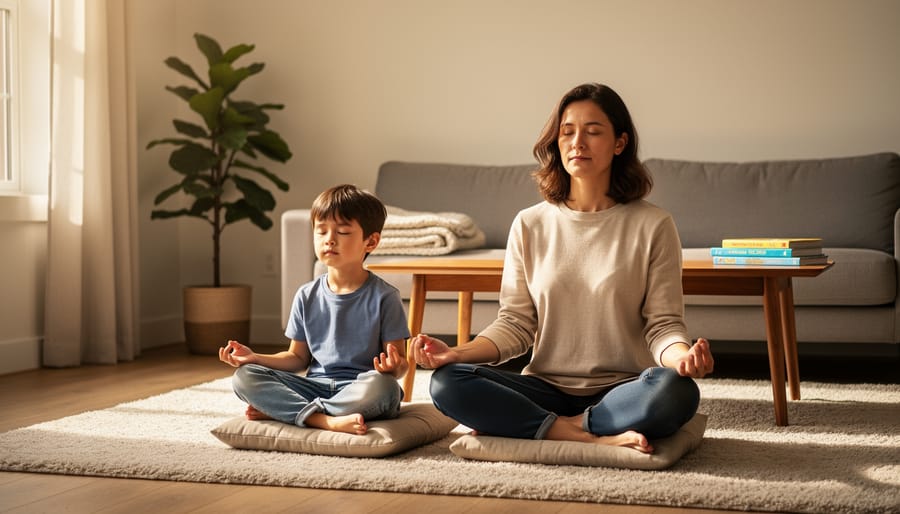
The beauty of 2-minute anxiety meditation is that you don’t need special equipment or training. If you’re worrying that you’ll have to buy cushions, apps, or meditation guides, you can relax, this practice works with what you already have.
Here’s what you need:
- A quiet space where your child won’t be interrupted (a bedroom corner, a spot in the garden, even a parked car works)
- A timer, your phone, a kitchen timer, or a watch with a second hand
- Optional: a comfort item your child loves, like a stuffed animal or blanket
- A place to sit or lie down comfortably, the floor, a chair, a bed, wherever feels right
That’s genuinely it. You don’t need a meditation app, though you’re welcome to use one if it helps. You don’t need silence, background noise is fine as long as you can hear each other. You don’t need your child to sit cross-legged or close their eyes if that feels uncomfortable.
The simplicity matters because anxious children need techniques that work in real life, not just ideal conditions. You can practice this in a school bathroom before a test, on the sofa before bed, or in the waiting room at the dentist. The fewer barriers between your child and the practice, the more likely they’ll actually use it when anxiety strikes.
When to Use (and When to Skip) Quick Meditation
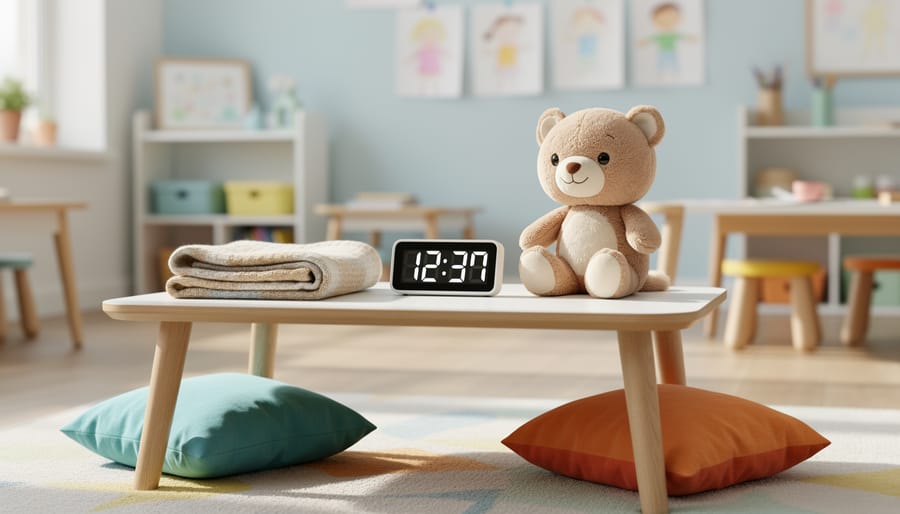
Two-minute meditation works beautifully for everyday anxiety, the nerves before a test, the jitters of a new social situation, or the restless feeling at bedtime. It’s most effective for children aged five and up who can follow simple instructions and sit relatively still for brief periods. You’ll find it particularly useful during transitions (before school, after homework, between activities) or when you notice early signs of building worry.
Skip the meditation and reach for deeper support when your child is in acute distress. If they’re hyperventilating, having a panic attack, or showing severe physical symptoms of anxiety, focus first on immediate comfort and grounding. Breathing exercises for stress can help in these moments, but they should complement, not replace, your calm presence and reassurance.
You’ll also want to pause meditation practices if your child finds them distressing rather than calming. Some anxious children feel worse when asked to “sit with” their feelings without additional coping tools. Watch their response. If meditation increases agitation, try mindfulness gaming approaches instead, or work with a therapist to build tolerance gradually. Two-minute meditation is one helpful tool in a larger toolkit, not a cure-all, and recognizing when it fits, and when it doesn’t, keeps your child safe while building their resilience.
The 2-Minute Anxiety Meditation Process
Preparing Your Child (0-15 seconds)
Those first fifteen seconds set the tone for everything that follows. Your job isn’t to force stillness, it’s to help your child find a position where their body can rest while their mind settles.
Start by offering choices. “Would you like to sit on the floor or in a chair? Should we do this together or would you prefer me nearby?” Giving children agency reduces resistance and builds ownership of the practice.
Keep the language simple and calm: “We’re going to take a two-minute break to help your body feel calmer. All you need to do is get comfortable.” Avoid words like “relax” or “calm down”, these often backfire when a child is already anxious.
Let them adjust their position. Some children need to fidget briefly before settling. That’s normal. A wiggling child who then finds stillness has learned something valuable about their own body.
Guiding the Breath (15-45 seconds)
Once your child is settled, guide them to notice their breathing without trying to change it. Say something like: “Let’s pay attention to how the air feels coming in through your nose and going out through your mouth.”
After a few natural breaths, introduce a simple rhythm they can follow. Try: “Breathe in slowly while I count to three… one, two, three. Now breathe out while I count to four… one, two, three, four.” This slightly longer exhale activates the body’s natural calming response.
Keep your voice calm and steady. If your child struggles with counting, use imagery instead: “Breathe in like you’re smelling a flower. Breathe out like you’re blowing bubbles.” Young children often respond better to concrete images than abstract instructions.
Watch their shoulders and chest. If they’re breathing rapidly or shallowly, gently remind them there’s no rush. “We’re taking slow, easy breaths together.”
Quick Body Awareness (45-90 seconds)
Between 45 and 90 seconds into the practice, guide your child through a quick body check. Keep it simple and playful rather than overly structured.
Start at the head and work down: “Notice your forehead. Is it scrunched up or relaxed? Now your shoulders, are they up by your ears or hanging loose?” Use language that makes sense to kids. You’re not asking them to deeply analyze sensations; you’re just helping them tune in briefly.
For younger children, make it concrete: “Imagine your body is a robot. Check if your robot arms are tight or floppy.” For older kids, you can be more direct: “Scan down from your head to your toes, noticing any spots that feel tense.”
If your child notices tension, acknowledge it without making it a problem: “That’s okay. Just breathe into that spot and see if it softens a little.”
Move through the body quickly. This isn’t a full relaxation session. You’re simply creating brief awareness that helps anxious energy find a release point before transitioning to the final grounding step.
Finding a Calm Focus (90-120 seconds)
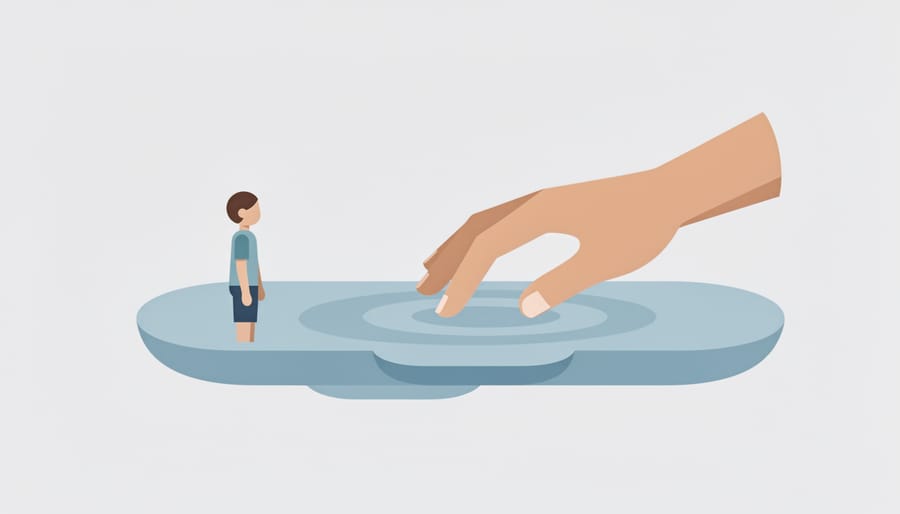
Now guide your child to find something peaceful to focus on. This is the part that helps anxious thoughts lose their grip.
Ask them to notice one thing they can see, like a spot on the wall or their hands. Or suggest imagining a favorite place, maybe the beach, their bedroom, or grandma’s garden. Keep it simple: “Picture yourself there. What do you see?”
Some children respond better to sound. You might say, “Listen for the quietest sound in the room,” or hum a soft note together.
The key is gentle redirection, not perfection. If their mind wanders to worries, that’s normal. Just bring them back: “Let’s look at that spot again” or “What color is the sky in your special place?”
This anchoring pulls attention away from anxiety and toward something neutral or pleasant, giving their nervous system a chance to settle.
Closing the Practice
Bring your child back gradually to avoid jarring them out of their calm state. Use a soft voice to signal the transition: “When you’re ready, wiggle your fingers and toes.” Give them 5-10 seconds before continuing: “Now gently open your eyes and notice how you feel.”
Acknowledge their effort with simple validation, “You did great focusing”, rather than asking how they feel right away. Some children need quiet space after meditation. Let them return to their activity naturally, carrying that sense of calm with them.
How to Tell It’s Working
Looking for proof that two minutes made a difference? You won’t always see dramatic transformations, but there are reliable signs your child is benefiting from the practice.
Immediate Signs During and After Practice
Watch your child’s body language in the moments following meditation. If their shoulders drop, their breathing slows and deepens, or their facial muscles relax, the technique is doing its job. Some children become noticeably quieter or calmer, while others might suddenly have the energy to tackle whatever was overwhelming them before.
Pay attention to these positive indicators:
- Breathing becomes slower and more even, without you having to remind them
- Hands unclench, jaw relaxes, or they settle more comfortably into their seat
- They ask to do it again later or suggest it themselves when feeling anxious
- They can describe feeling “better,” “lighter,” or “not as worried”
- The intensity of physical anxiety symptoms (stomach aches, tension, restlessness) decreases
What Progress Looks Like Over Time
Don’t expect perfection on day one. Real progress shows up gradually, your child might fidget less during the practice, stay focused for longer stretches, or need fewer verbal prompts. After a few weeks, you might notice they bounce back from anxious moments faster or mention feeling worried less often overall.
If you’re not seeing any change after two to three weeks of regular practice, try adjusting your approach. Some children respond better to different anchor points (focusing on sounds instead of breath, for example) or need shorter 60-second sessions to start. Trust your instinct about what resonates with your specific child.
Connecting to Mindfulness Gaming
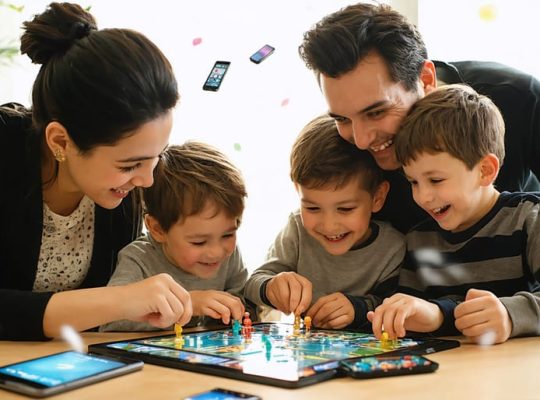
The two-minute meditation you’ve just learned pairs naturally with mindfulness gaming, creating a powerful one-two approach for anxious children. Think of meditation as the reset button and gaming as the practice field, your child uses the brief meditation to calm their immediate anxiety, then applies that awareness during structured gaming sessions that build emotional regulation skills over time.
Here’s how they work together: when your child feels overwhelmed, guide them through the two-minute practice first. Once they’re calmer, they can transition to a mindfulness-focused game that reinforces breath awareness, present-moment focus, or emotional recognition. Games designed around these principles can strengthen the connection between video games & emotional intelligence making the meditation skills stick.
The transition is simple. After completing the meditation, say something like, “Your mind is nice and calm now. Want to play that breathing game we tried yesterday?” This creates a natural flow from passive calming to active skill-building.
You can also reverse the order. If your child resists formal meditation, start with five minutes of a mindfulness game, then suggest a quick two-minute breathing break. The game warms them up to the practice without the pressure.
This combined approach supports digital balance too, you’re using screen time intentionally for mental health rather than as mere distraction. Your child learns that technology can be a tool for wellness, not just entertainment.
Making It a Habit: Next Steps
The secret to making 2-minute meditation stick isn’t forcing a rigid schedule, it’s weaving it into moments that already exist. Try anchoring the practice to existing routines: two minutes after breakfast while everyone’s still at the table, in the car before school drop-off, or as part of the bedtime wind-down. Some families keep a small “calm corner” with a cushion and timer, signaling that this is meditation space. Others practice right at the kitchen table or on the couch.
If your child’s anxiety spikes at predictable times, Sunday night before school, transitions between activities, after screen time, those are ideal practice windows. You might also introduce the technique to teachers or after-school caregivers who can offer a quick reset during overwhelming classroom moments. A simple note explaining “my child is learning a 2-minute breathing practice for anxiety” opens the door for support across settings.
As your child becomes comfortable with the basic format, you can expand in small ways. Add nature sounds or gentle music. Extend the session to three or four minutes. Connect the practice to other calming activities like cooperative play or a digital detox challenge building a broader toolkit for emotional regulation. Some children enjoy tracking their practice with stickers or a simple chart, not as pressure but as gentle reinforcement that they’re building a skill. The goal is confidence, not perfection.
Common Questions About Quick Meditation for Kids
Parents often have practical concerns when starting meditation with their child. These questions come up again and again in parenting forums and pediatric offices.
What if my child can’t sit still for 2 minutes?
That’s completely normal, especially for younger children or those with ADHD. Try standing meditation, walking slowly in a circle, or letting them hold a comfort object while they breathe. Movement and stillness can coexist, the goal is focused attention, not perfect posture.
Is 2 minutes really long enough to help with anxiety?
Yes. Research shows that even brief mindfulness practices can activate the parasympathetic nervous system and reduce stress hormones. For children, shorter sessions done consistently often work better than longer practices they’ll resist or abandon.
What age can children start this practice?
Most children around age 5 can engage with simplified versions of this meditation. Younger kids might manage 30-60 seconds, while older children and teens can easily handle the full 2 minutes. Adjust the language and length to match your child’s developmental stage.
Can this replace therapy or medication for anxiety?
No. Think of 2-minute meditation as a helpful tool in your child’s anxiety toolkit, not a replacement for professional treatment. If your child has been diagnosed with an anxiety disorder or their anxiety significantly impacts daily life, they need appropriate clinical support alongside these practices.
How often should we practice?
Daily practice builds the skill most effectively, but even 3-4 times per week shows benefits. Try anchoring it to existing routines, after breakfast, before bed, or during the car ride to school. Consistency matters more than frequency.
Remember that every child responds differently. Some take to meditation immediately, while others need weeks of gentle encouragement. If your child resists despite your best efforts, that’s feedback worth listening to. You might explore other anxiety management approaches, including mindfulness gaming, movement-based practices, or creative activities that achieve similar calming effects through different pathways.
Two minutes might not seem like much, but when your child is struggling with anxiety, those 120 seconds can become a lifeline. You’ve now got a practical tool that doesn’t require special equipment, extensive training, or a significant time commitment. It fits into rushed mornings, tense afternoons, and restless bedtimes.
Will it solve everything? No, and that’s okay. Think of 2-minute meditation as one valuable strategy in your anxiety management toolkit, sitting comfortably alongside mindfulness gaming, regular routines, and open conversations. Some days it’ll work beautifully. Other days your child won’t be able to focus, and that’s completely normal. The goal isn’t perfection, it’s giving your child a skill they can return to throughout their life.
Start small. Try it once today, without pressure or expectation. Notice what happens. Adjust the language to fit your child’s personality. Make it your own.
Remember that while these brief practices can make a real difference for everyday anxiety, they don’t replace professional support when it’s needed. If your child’s anxiety is interfering with daily life, school, or relationships, reach out to a qualified mental health professional. You’re not alone in this journey, and asking for help is a sign of strength, not failure.