
Culturally competent mental health services respect and integrate your family’s cultural values, language, and traditions into treatment, ensuring your child receives care that honors who they are. These services go beyond translation to address how culture shapes the way families understand mental health, express distress, communicate with providers, and approach healing. When a therapist understands that some cultures view mental health challenges through a community lens rather than an individual one, or that certain families may prefer to involve extended relatives in treatment decisions, care becomes more effective and your child feels truly seen.
For many parents, standard mental health care can feel disconnected from their lived experience. A Vietnamese mother might struggle to explain her son’s symptoms when the intake form doesn’t account for how her culture describes emotional pain. A Somali father may feel dismissed when a provider doesn’t understand his community’s healing practices. These gaps aren’t just uncomfortable, they can prevent children from getting the help they need.
The good news is that you have the right to seek providers who understand your cultural context, and building mental health literacy within your cultural framework strengthens your ability to advocate for your child. Whether you’re navigating language barriers, religious considerations, immigration experiences, or simply want a therapist who gets what it means to raise children between two worlds, culturally competent care exists. Understanding what it looks like, how to access it, and what to expect helps you make informed choices for your family’s mental health journey.
What Culturally Competent Mental Health Services Are

Culturally competent mental health services recognize that a child’s cultural background shapes how they understand emotions, express distress, seek help, and respond to treatment. These services go beyond simply translating materials or hiring bilingual staff. They actively integrate a family’s cultural values, communication styles, religious beliefs, and traditional healing practices into every aspect of care, from initial assessment through ongoing treatment.
The difference becomes clear when you compare approaches. Standard mental health care might diagnose a quiet, withdrawn child with depression without considering that some cultures value reserved behavior and discourage emotional expression outside the family. A culturally competent provider, however, would explore the cultural context first, asking about family norms, community expectations, and whether the child’s behavior represents a departure from what’s typical in their cultural setting.
Four core components form the foundation of culturally competent care. Cultural awareness means providers recognize their own biases and understand how cultural differences affect the therapeutic relationship. Cultural knowledge involves learning about specific cultural groups, their health beliefs, family structures, and migration experiences. Cultural skills refer to the ability to conduct culturally sensitive assessments, communicate across language barriers, and adapt treatment approaches. Cultural encounters are the direct, respectful interactions with diverse families that deepen understanding over time.
In practice, this might look like a therapist who works with a Vietnamese American family incorporating the concept of “face” and family honor into treatment goals, rather than pushing Western ideals of individual autonomy that conflict with the family’s values. For a Mexican American child struggling with anxiety, a culturally competent provider might explore the role of susto (fright) in the family’s understanding of the symptoms and work with a curandera (traditional healer) alongside conventional therapy if the family wishes.
It could mean a therapist asking a Muslim family about prayer times and Ramadan fasting when scheduling appointments and planning coping strategies. Or a provider working with a Native American child consulting with tribal elders and incorporating traditional ceremonies into the treatment plan with the family’s guidance. The provider adapts their approach to fit the family’s worldview rather than expecting families to adapt to fit the clinical model.
How to Apply or Complete the Process
Unlike formal government programs, there isn’t a single standardized application for culturally competent mental health services. Instead, the process typically starts with identifying providers who offer culturally tailored care.
Begin by contacting your child’s pediatrician or school counselor for referrals to culturally responsive mental health professionals. If your child receives school-based services, you can request cultural accommodations during the IEP or 504 plan meeting, or ask about school mindfulness programs that incorporate diverse practices.
When scheduling an initial appointment, mention your cultural preferences upfront. Ask whether the practice offers interpreters, has providers from your cultural background, or can accommodate specific cultural or religious practices. Most clinics will note these preferences in your file.
During intake, you’ll complete standard paperwork, but you have the right to request forms in your preferred language. Be prepared to share relevant cultural information that might affect treatment, such as family structure, cultural attitudes toward mental health, religious practices, or traditional healing approaches your family values.
If using insurance, verify that your chosen provider is in-network and ask about coverage for interpreter services or extended family sessions, which some cultures prefer.
Who Can Access These Services: Eligibility and Availability
The good news: culturally competent mental health services aren’t restricted to specific demographics or income levels. Every family has the right to care that respects their cultural background, language, and values. In practice, though, availability varies by location and provider capacity.
Most pathways to mental health care for children can include culturally competent services if you know how to identify and request them:
- Private insurance plans typically cover culturally competent care the same as standard mental health services, though finding in-network providers with specific cultural expertise may require extra research
- Medicaid and CHIP programs must provide language access and culturally appropriate services by law, often through managed care networks that include diverse providers
- School-based mental health services increasingly incorporate cultural competence training and may connect families with community resources through digital outreach initiatives
- Federally Qualified Health Centers and community clinics specifically serve diverse populations and usually offer sliding-scale fees based on income
- University training clinics often provide culturally informed care at reduced cost while serving as teaching sites for graduate students
Geographic availability presents the biggest challenge. Urban areas generally have more providers with specific cultural backgrounds and language capabilities. Rural and suburban families may need to get creative, combining video therapy with culturally matched providers from other regions, using digital screening tools to guide conversations with local providers, or requesting cultural consultation alongside primary treatment.
You don’t need to prove your cultural background or meet specific criteria to request culturally competent care. If your family’s culture, language, immigration experience, religion, or traditions matter to how you want your child treated, that’s reason enough. The question isn’t whether you qualify but rather which providers in your area can actually deliver what your family needs.

How to Find and Access Culturally Tailored Mental Health Programs
Questions to Ask Potential Providers
When interviewing potential mental health providers for your child, ask direct questions that reveal their actual cultural competency rather than just stated intentions. Start with practical matters: “Do you offer services in our family’s preferred language, and if so, by whom?” Follow up by asking about their training: “What specific cultural competency training have you completed, and how recently?” Don’t hesitate to ask about their experience with your community: “How many families from [your cultural background] have you worked with, and what did you learn from those experiences?”
Understanding their treatment approach is crucial. Ask, “How do you incorporate cultural values and family structures into your treatment plans?” and “Can you give me an example of how you’ve adapted evidence-based practices, like breathing exercises or cognitive strategies, to fit a family’s cultural context?” Also inquire about their willingness to collaborate: “Are you open to involving extended family members or community leaders in my child’s care if we feel that’s important?”
Finally, ask what happens if cultural misunderstandings arise: “How do you handle situations where you’re unfamiliar with a cultural practice or belief?” A truly competent provider will acknowledge gaps in their knowledge and demonstrate genuine openness to learning from your family.
Navigating the Referral and Intake Process
Once you’ve chosen a provider, the intake process is your opportunity to set the foundation for culturally responsive care. Start by requesting any needed accommodations before your first appointment. Most practices can arrange interpreters, though you may need to call a few days in advance. Some providers also work with cultural liaisons who can help bridge communication gaps beyond just language.
When completing intake forms, answer cultural background questions thoughtfully rather than quickly. These aren’t just demographic boxes. If forms don’t capture relevant cultural information, such as your family structure, spiritual practices, or immigration experiences, bring a written summary to share. Many families find it helpful to prepare a brief cultural context document explaining traditions, values, or experiences that might affect their child’s care.
During the initial assessment, expect the provider to ask about your family’s cultural beliefs regarding mental health, discipline, family roles, and help-seeking. These questions aren’t intrusive when asked respectfully. They help the provider understand your child within your family’s context. Share what feels comfortable, but know you can also set boundaries about what you’re ready to discuss.
If something feels culturally misunderstood during intake, address it directly. A competent provider will welcome the feedback and adjust their approach. This early conversation sets expectations for how cultural considerations will be integrated throughout treatment.
Your Rights and What to Expect from Your Provider
When you seek mental health services for your child, you have specific rights that protect your family’s cultural and linguistic needs. Understanding these rights empowers you to advocate effectively and ensures your child receives appropriate care.
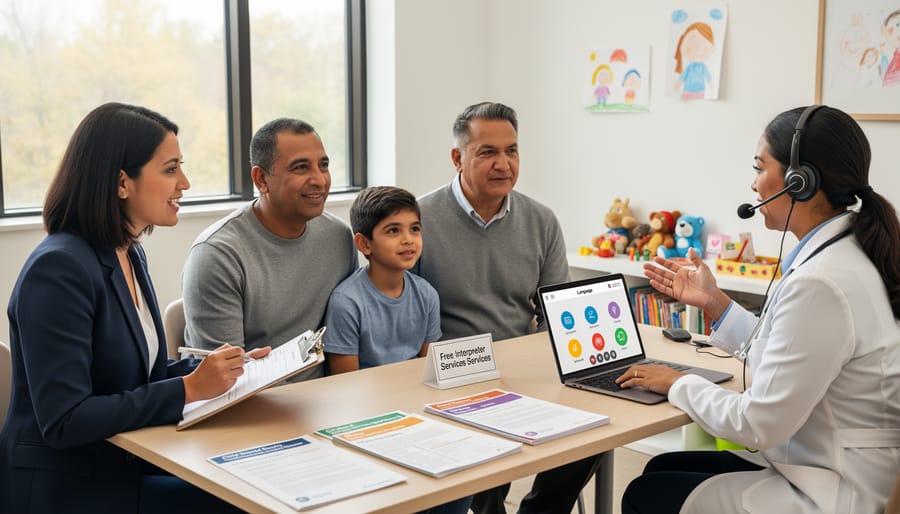
Your language access rights extend beyond basic interpretation. You can request all written materials, treatment plans, and consent forms in your preferred language. Providers must offer qualified interpreters, not rely on your children or family members to translate sensitive mental health information. If you’re more comfortable communicating in your native language, especially when discussing complex emotional topics, you have every right to insist on this accommodation.
You also have the right to request a different provider if the current one isn’t meeting your family’s cultural needs. This isn’t rude or demanding. It’s a reasonable expectation. Mental health treatment depends on trust and understanding, and cultural mismatch can undermine both. Most practices understand this and will work with you to find a better fit, whether within their organization or through referrals elsewhere.
Anti-discrimination protections safeguard your family from receiving lesser care based on race, ethnicity, national origin, or religion. These protections apply to both public and private providers. If you feel discriminated against or that cultural concerns are being dismissed, you can file complaints with your state’s health department, the Office for Civil Rights, or your insurance company.
What should you expect from a culturally competent provider? They should ask about your family’s cultural background, acknowledge how culture affects mental health, respect your parenting practices and family structure, and adapt treatment to align with your values. They shouldn’t make assumptions based on stereotypes or dismiss your cultural concerns as irrelevant to treatment.
If your cultural needs aren’t being met, speak up directly first. Many providers are open to feedback and will adjust their approach. Document your concerns in writing. If issues persist, contact the practice manager, file a formal complaint, or seek care elsewhere. Your child deserves treatment that honors who they are.
Why Cultural Competence Matters for Children’s Mental Health

Cultural competence in mental health care directly impacts treatment outcomes for children. Research consistently demonstrates that when young people receive care aligned with their cultural background, they are more likely to engage fully in therapy, stick with treatment plans, and achieve meaningful improvement in their mental health.
The consequences of cultural mismatch between provider and family can be significant. Children from minority backgrounds are more frequently misdiagnosed when providers lack cultural context for understanding behavior. For example, cultural expressions of distress that differ from mainstream norms may be misinterpreted as symptoms of more severe conditions. Similarly, family communication patterns that are healthy within one cultural framework might be labeled as dysfunctional through another cultural lens.
Treatment adherence suffers when families do not feel understood. Parents may struggle to implement recommendations that conflict with their cultural values or family structure. They might disengage from care entirely if they sense judgment about their child-rearing practices or if language barriers prevent them from fully understanding the treatment approach. These breakdowns in the therapeutic relationship lead to children dropping out of treatment before seeing benefits.
One mother shared how her son’s anxiety improved dramatically after they found a therapist familiar with their community’s immigration experiences. The previous provider had focused solely on individual coping skills, missing how the family’s acculturation stress was affecting her son. The new therapist incorporated family sessions that honored their cultural values while teaching practical strategies, leading to progress within weeks.
This connection between cultural competence and outcomes extends beyond individual families. When mental health systems deliver culturally responsive care, they help reduce the persistent disparities in access, diagnosis, and treatment quality that affect minority children. Making cultural competence standard practice represents an essential step toward equitable mental health care for all children.
Where to Get Help and Additional Resources
Finding the right culturally competent mental health services for your child starts with knowing where to look. Several national directories and organizations specialize in connecting families with culturally responsive providers. The Substance Abuse and Mental Health Services Administration (SAMHSA) operates a National Helpline at 1-800-662-4357, available 24/7 in English and Spanish, which can provide referrals to local treatment facilities and support groups. Their online Behavioral Health Treatment Services Locator also allows you to filter by language and cultural specialization.
The National Alliance on Mental Illness (NAMI) maintains state and local chapters that often have connections to culturally specific providers and can guide you through the system. Many chapters offer support groups in multiple languages and have volunteer navigators who understand the challenges of accessing care within specific communities.
| Organization | Service Type | Populations Served | Contact |
|---|---|---|---|
| SAMHSA National Helpline | 24/7 referral and information | All families, English and Spanish | 1-800-662-4357 |
| National Latino Behavioral Health Association | Provider directory and advocacy | Latino/Hispanic families | |
| Asian American Psychological Association | Therapist locator | Asian American families | |
| Association of Black Psychologists | Provider directory | Black/African American families |
Your child’s school can be an excellent starting point. Contact the school counselor or social worker and ask specifically about culturally responsive mental health services available through the district or community partnerships. School staff often have relationships with local providers who understand the cultural makeup of your community.
Your pediatrician can also provide referrals. When asking for a recommendation, be clear about your cultural and language needs so they can connect you with appropriate providers in their network.
If you can’t find a culturally matched provider in your area, consider telehealth services, which expand your access to specialists across the state or region. Some providers offer sliding scale fees or accept Medicaid. Community health centers funded by the Health Resources and Services Administration are required to provide culturally and linguistically appropriate services and often have bilingual staff and cultural liaisons who can help coordinate care.
State mental health departments maintain directories of licensed providers and can direct you to publicly funded programs. Local cultural centers, religious organizations, and immigrant resource centers may also know of trusted providers who serve your community.
Common Questions About Culturally Competent Mental Health Care
Does my child’s therapist need to share our exact cultural background?
Not necessarily. While shared background can be helpful, what matters most is that the provider demonstrates genuine cultural humility, actively learns about your family’s values, and adapts their approach accordingly. Many excellent providers work effectively across cultures through ongoing training and willingness to listen.
What should I do if language barriers are affecting my child’s treatment?
You have the right to request professional interpreter services at no cost through most insurance plans and public programs. Ask your provider’s office to arrange for a qualified medical interpreter rather than relying on family members, which can compromise both accuracy and your child’s privacy.
Can culturally competent care address the needs of mixed-heritage or multiracial families?
Absolutely. Cultural competence includes recognizing and honoring the complexity of mixed-heritage identities. A skilled provider will explore all aspects of your child’s cultural identity and help them navigate belonging to multiple communities without forcing them to choose one over another.
Will culturally competent services cost more than standard mental health care?
No. Insurance companies and public programs cannot charge extra for culturally competent care or language access services. These are considered standard elements of quality care, and providers who offer them typically bill at the same rates as other mental health services.
Beyond these common questions, parents often wonder what to do if their current provider isn’t meeting their family’s cultural needs. Start by having a direct conversation about your concerns and specific ways the care could be more culturally responsive. If the provider is receptive but lacks knowledge, they may be willing to consult with cultural experts or adjust their approach. However, if your concerns are dismissed or your child’s cultural identity is minimized, it’s appropriate to seek a different provider. You can contact your insurance company or local mental health authority to request help finding a more suitable match.
For families living in areas with limited diversity among mental health providers, telehealth has expanded access to culturally matched therapists who can work across state lines in many cases. Community health centers and university training clinics also tend to prioritize cultural competence and may have more diverse staff or supervision arrangements that support culturally tailored care even when perfect matches aren’t available locally.
Culturally competent mental health care is not a luxury or an optional extra, it’s a fundamental part of effective treatment for your child. When mental health services honor your family’s cultural identity, language, and values, they become more than just accessible; they become truly healing.
You have every right to seek providers who understand your child’s cultural context and who will partner with you in ways that feel respectful and authentic. Don’t hesitate to ask questions, request accommodations, or seek out different providers if your family’s needs aren’t being met. Your advocacy matters, and your cultural knowledge is an essential part of your child’s care team.
The steps outlined in this article, researching providers, asking the right questions, understanding your rights, and accessing available resources, are your roadmap. Finding the right fit may take time, but the difference it makes is profound. Children thrive when they feel seen, understood, and supported in all aspects of who they are.
If you’re feeling overwhelmed, remember that you’re not alone. Many families have walked this path before you, and numerous organizations stand ready to help. By seeking culturally responsive care, you’re modeling something powerful for your child: that their identity matters, that their mental health matters, and that they deserve support that honors both.