

Parental involvement is the active participation of parents and caregivers in their child’s education, development, and daily life. It encompasses everything from helping with homework and attending school events to creating emotional safety at home and maintaining open communication about feelings and challenges.
The connection between parental involvement and mental health runs deeper than many realize. When children feel their parents are present, engaged, and supportive, they develop stronger emotional resilience and better coping skills. They’re more likely to talk about worries before they spiral, seek help when struggling, and build the confidence needed to face developmental challenges.
Yet involvement doesn’t mean hovering or controlling every aspect of a child’s life. The most effective parental engagement strikes a balance between being present and allowing independence, between offering guidance and trusting children to learn from their own experiences. A parent who sits with their teenager during a difficult conversation, listens without immediate judgment, and helps them work through emotions is practicing meaningful involvement. So is the parent who notices changes in their child’s mood or behavior and gently opens a door for conversation.
This matters now more than ever. Children face unprecedented stressors, from academic pressure to social media comparison, and the quality of parental involvement directly influences how they weather these storms. Research consistently shows that children with involved parents demonstrate lower rates of anxiety, depression, and behavioral problems.
This article breaks down what parental involvement actually looks like in practice, how it supports mental health, and the different ways parents can show up for their children across ages and circumstances.
What Parental Involvement Means
Parental involvement means actively participating in your child’s life in ways that support their growth, learning, and emotional health. It goes beyond loving your child or living under the same roof. True involvement requires intentional engagement: knowing what’s happening in their world, responding to their needs, and working alongside teachers and other adults who support them.
At its heart, parental involvement is about being tuned in and responsive. It means asking questions about their day and actually listening to the answers. It means noticing when something feels off, celebrating their wins, and helping them work through challenges. This participation happens across multiple settings and takes many forms.
Parental involvement looks different depending on where and how you engage:
- Home-based involvement
- The everyday interactions, routines, and conversations that happen at home, including helping with homework, discussing school experiences, and creating supportive family rituals.
- School-based involvement
- Direct participation in school activities like attending parent-teacher conferences, volunteering in classrooms, or joining school committees.
- Academic socialization
- Communicating expectations, linking schoolwork to real-world goals, and helping children develop strategies for learning and problem-solving.
- Educational partnership
- Collaborating with teachers and school staff to support your child’s learning and address concerns early.
- Supportive presence
- Being emotionally available and creating a safe environment where children feel comfortable sharing struggles and seeking guidance.
What matters most is not the quantity of time but the quality of connection. A working parent who maintains open communication and shows genuine interest in their child’s experiences demonstrates meaningful involvement. A parent who attends every school event but remains emotionally distant or dismissive may be present without being truly involved.
Involvement also means recognizing that your child needs different things at different stages. The hands-on help that works for a seven-year-old becomes hovering when applied to a teenager. Effective parental involvement evolves as children grow, gradually shifting from direct assistance to guidance, from close supervision to supported independence. The goal remains constant: helping your child feel seen, supported, and capable of navigating their world.
How Parental Involvement Works to Support Mental Health

The Connection Between Engagement and Emotional Security
When children know their parents are genuinely interested in their lives, not just monitoring grades but truly listening and showing up, something fundamental shifts in how they experience the world. That consistent presence creates what psychologists call a secure base: a safe emotional harbor children can return to when life feels overwhelming.
This security works like a psychological shock absorber. When a child faces academic pressure, friendship conflicts, or simply the everyday uncertainty of growing up, knowing a parent is reliably available to listen and support doesn’t eliminate the stress, but it changes how manageable that stress feels. Research shows that strong parent connections buffer stress responses in children, helping them regulate emotions more effectively.
The protective effect isn’t about solving every problem or preventing all distress. It’s about what happens in a child’s mind when they encounter difficulty. A securely attached child thinks, “This is hard, but I can handle it,” or “I can talk to Mom about this.” Without that foundation, the same challenge might trigger, “I’m alone in this,” or “No one understands what I’m going through”, thoughts that amplify anxiety rather than contain it.
Parents build this security through small, repeated acts: checking in about their day and actually waiting for the answer, noticing when something seems off, following up on conversations from yesterday. Over time, these moments accumulate into a pattern children can count on, creating resilience that extends far beyond childhood.
Opening Lines of Communication
When parents engage regularly in their children’s lives, through shared meals, homework conversations, or simple check-ins about their day, they establish patterns of communication that children come to expect and rely on. These predictable opportunities to talk don’t require formal sit-downs or therapeutic questioning. A parent asking “What made you laugh today?” while cooking dinner or “Who did you sit with at lunch?” during a car ride creates low-pressure openings for children to share what’s on their minds.
This consistent presence teaches children that their thoughts and feelings matter and that their parents are safe, accessible listeners. A child who knows their parent will ask about their day learns to anticipate sharing both victories and struggles, rather than internalizing worries alone. The habit of talking about small things, a difficult math problem, a playground disagreement, builds the muscle memory for discussing bigger concerns when they arise.
Early sharing also allows parents to spot warning signs before they become crises. When a typically chatty child suddenly goes quiet or a previously enthusiastic student starts making excuses to avoid school, parents who maintain open communication channels notice these shifts more quickly. They can respond with curiosity and support rather than intervention only after a problem has intensified.
The key isn’t interrogating children or forcing conversations, but creating space where talking feels natural and judgment-free. Children who experience their parents as genuinely interested, rather than anxious or critical, develop the confidence to bring their struggles forward instead of hiding them.
Different Forms of Parental Involvement

Parental involvement isn’t one-size-fits-all. It takes many shapes depending on your family’s circumstances, your child’s needs, and what resources you have available. What matters most is finding the forms that work for you and practicing them consistently.
At Home: The Foundation of Daily Support
Home-based involvement happens in the everyday moments that build your child’s sense of security and capability. It includes helping with homework, but it goes far beyond that. You’re involved when you talk about the school day over dinner, when you notice your child seems withdrawn and check in, when you establish bedtime routines that ensure adequate sleep, or when you limit screen time to protect mental space. Reading together, discussing current events at an age-appropriate level, and showing genuine interest in your child’s hobbies all count. These aren’t grand gestures, they’re the small, repeated acts that tell your child their experiences and feelings matter to you.
School Connection: Bridging Two Worlds
School-based involvement strengthens the link between home and educational settings, which reinforces the teacher-student relationship and helps you spot concerns early. This might mean attending parent-teacher conferences, volunteering in the classroom when possible, or joining the parent association. For families with work constraints, involvement can be as simple as reading school newsletters, responding to teacher emails promptly, or attending one key event per term. The goal isn’t perfect attendance at every school function, it’s maintaining an open channel so you know what’s happening in your child’s academic and social world.
Communication Practices: Keeping Channels Open
How you communicate with your child shapes their willingness to share struggles. Active listening, where you focus completely without planning your response, shows respect for their perspective. Asking open-ended questions like “What was challenging today?” invites more than yes-or-no answers. Regular family meetings, even brief ones, create predictable times for everyone to voice concerns. Equally important is how you communicate about your child with teachers, coaches, and other caregivers, sharing relevant information about stressors or changes at home that might affect behavior.
Emotional Support: The Invisible Scaffolding
Emotional involvement means being attuned to your child’s inner world. You validate feelings without immediately trying to fix them, helping your child name emotions and understand they’re normal. You model healthy coping strategies when you’re stressed, letting your child see that everyone struggles sometimes. You celebrate effort and progress, not just outcomes. When mental health concerns arise, you respond with curiosity rather than judgment, asking what support they need rather than assuming you know.
Practical Forms of Involvement
Different approaches work for different families:
- Home learning support: creating dedicated homework spaces, helping with organization skills, discussing what they’re learning
- School communication and volunteering: attending conferences, joining committees, chaperoning field trips when schedules allow
- Advocacy: speaking up for accommodations your child needs, working with school counselors, ensuring appropriate support services
- Emotional coaching: helping children identify and process feelings, teaching problem-solving skills, providing comfort during setbacks
- Routine and structure creation: establishing consistent mealtimes, sleep schedules, and family rituals that provide stability
- Collaborative problem-solving: working with your child to address challenges rather than imposing solutions, building their agency
None of these requires wealth or extensive free time. A single parent working two jobs who texts their teenager “How was your math test?” and really listens to the answer is deeply involved. Involvement is about intention and consistency, not resources or hours logged. It adapts to your child’s age, too, what works for a seven-year-old looks different than what a fifteen-year-old needs, with older children requiring more autonomy alongside continued connection.
Where Parental Involvement Makes a Difference

Parental involvement shifts and adapts depending on where children spend their time and what challenges they face. The settings where engagement matters most evolve as kids grow, but the core principle remains consistent: showing up in ways that build connection and provide support.
In academic settings, involvement extends far beyond attending parent-teacher conferences. It includes helping younger children establish homework routines, asking open-ended questions about what they learned rather than just checking if work is done, and partnering with teachers when struggles emerge. For students managing anxiety or attention challenges, parent-school collaboration ensures consistent strategies across environments. As children move into middle and high school, involvement becomes less about monitoring and more about expressing genuine interest in their academic experiences and helping them advocate for support when needed. When schools shift to digital learning parents play a crucial role in creating structured environments and maintaining screen time balance that protects mental health.
The home environment remains the most consistent setting for involvement throughout childhood. This includes creating predictable routines that reduce anxiety, having regular family meals that provide natural conversation opportunities, and making space for both togetherness and healthy independence. Parents support mental health at home by noticing changes in sleep patterns or mood, validating difficult emotions rather than rushing to fix them, and modeling healthy stress management.
Healthcare contexts require a different type of involvement. Parents serve as vital bridges between children and providers, sharing observations about behavior changes, asking clarifying questions during appointments, and ensuring treatment recommendations get implemented consistently. When mental health concerns arise, involved parents don’t wait for crises, they initiate conversations with pediatricians and seek appropriate support early.
Social situations also benefit from thoughtful parental engagement. This looks different across ages: helping younger children navigate playground conflicts, coaching preteens through friendships that shift and change, and remaining approachable when teenagers face peer pressure or social media stress. Parents who stay connected to their children’s social worlds without micromanaging provide safety nets that catch problems before they escalate.
Making Parental Involvement Work for Your Family
Parental involvement doesn’t look the same in every family, and it shouldn’t. What matters most is finding sustainable ways to stay connected to your child’s world within your real circumstances.
Working parents often worry they can’t be involved enough, but research consistently shows that quality matters more than quantity. Fifteen minutes of focused conversation at dinner can outweigh hours of distracted presence. Set aside small pockets of dedicated time, a regular breakfast check-in, a phone call during your commute home, or a weekly activity that’s just yours together. These predictable moments of connection give children something reliable to count on.
Single parents face unique pressures, but involvement doesn’t require two caregivers. Build a support network that extends your reach: trusted relatives, family friends, or community mentors who can attend school events when you can’t, or simply listen to your child’s day. Communicate openly with teachers about your situation. Most schools understand and can send updates via email or text rather than expecting daytime meetings.
For families managing financial stress, language barriers, or unfamiliar school systems, involvement might mean starting small. Ask your child one specific question about their day. Review one piece of homework together. Attend one school event per semester. These modest steps still send the powerful message that you care about their education and well-being.
Cultural differences in what involvement looks like are valid. Some cultures emphasize respect for teachers’ authority over direct school participation, while others prioritize family-based learning at home. Honor your family’s values while finding bridges to your child’s school environment.
Watch for signs your involvement needs adjusting. If your child seems stressed by your presence at every activity, pull back slightly. If they stop sharing altogether, increase your gentle outreach. Stay alert to harmful teacher signs that might require your advocacy.
Start where you are. Even imperfect involvement beats perfect absence.
Common Questions About Parental Involvement
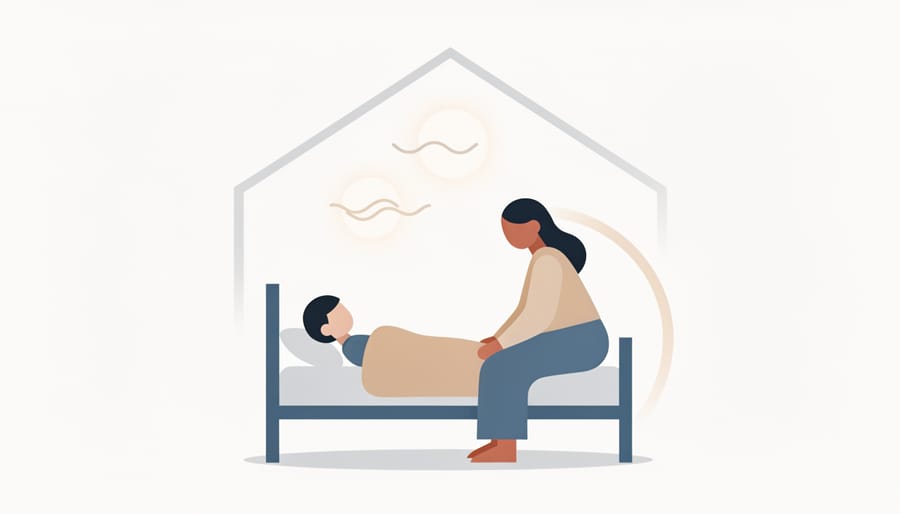
Parents navigating their involvement in their children’s lives often wrestle with questions about what’s helpful versus what’s too much. These concerns are valid, parental involvement isn’t about perfection or constant oversight, but about finding a responsive approach that supports your child’s growing independence while remaining a steady presence they can count on.
How much involvement is too much?
You’ve crossed into overinvolvement when your actions prevent your child from developing independence, solving problems, or experiencing age-appropriate consequences. Signs include doing homework for them, intervening in every social conflict, or making decisions they’re capable of handling themselves.
What if my teen pushes me away?
Pushing for independence is developmentally normal, not a sign you should disengage. Stay present through small, consistent touchpoints, family meals, brief check-ins about their day, showing interest without interrogating. Respect their need for privacy while making it clear you’re available when they need you.
How do I stay involved when I work long hours?
Quality matters more than quantity. Even fifteen minutes of focused, screen-free conversation can be meaningful. Look for pockets of time, morning routines, car rides, bedtime, and protect them as connection opportunities rather than task completion windows.
Can I be involved if I didn’t finish school myself?
Absolutely. Parental involvement is about showing interest, asking questions about what they’re learning, and creating a home environment that values education, not about having all the academic answers. Your curiosity and encouragement matter more than your educational background.
When should I seek professional help?
Reach out to a counselor or therapist if you notice persistent changes in mood, sleep, appetite, or social withdrawal lasting more than two weeks, or if your child expresses thoughts of self-harm. Trust your instincts, if something feels off despite your involvement, professional support can provide valuable perspective.
The key to effective involvement is adjusting your approach as your child grows. What works for a seven-year-old won’t work for a seventeen-year-old. Watch for signs that your involvement is landing well: your child shares things with you voluntarily, seems comfortable bringing problems to you, and shows growing confidence in managing challenges. If they become secretive, anxious about sharing struggles, or unusually dependent on you for basic decisions, it may be time to recalibrate.
Parental involvement isn’t about perfection. It’s about showing up in ways that work for your family, your schedule, and your unique circumstances. The research is clear: consistent, meaningful engagement matters far more than how many school events you attend or whether your approach matches someone else’s ideal.
Start where you are. Maybe that’s five minutes of focused conversation after dinner, or checking in about a tough friendship, or simply letting your child know you’re available when they need you. These small acts accumulate into something powerful, a foundation of trust and security that supports your child’s mental health through challenges big and small.
Your involvement will look different at different stages, and that’s exactly as it should be. What works for a seven-year-old won’t work for a teenager. What’s possible during a calm period may need to shift during stressful times. The key is staying present and responsive, adjusting as you learn what your child needs.
If you’re feeling overwhelmed or uncertain about how to support your child’s mental health, you’re not alone. Our community offers resources, expert guidance, and connection with other parents navigating similar questions. Because supporting your child’s well-being is a journey best taken together.