

The nine emotional needs are essential psychological requirements that every child must have met to develop healthy self-esteem, emotional regulation, and secure relationships. First identified by schema therapy research, these needs include secure attachment, autonomy, realistic limits, freedom to express emotions, spontaneity and play, self-control, approval from others, competence, and a sense of identity and belonging.
When these needs go unmet during childhood, research shows that children may struggle with anxiety, relationship difficulties, or challenging behaviors that can persist into adulthood. Parents and caregivers who understand this framework gain a powerful lens for interpreting their child’s behavior and responding with greater empathy and effectiveness.
Dr. Sarah Chen, a child psychologist specializing in emotional development, explains it this way: “I often meet parents who feel confused when their child acts out or withdraws. Once we map the behavior back to an unmet emotional need, everything clicks. The child isn’t being difficult. They’re communicating something important about what they need to thrive.”
Meeting these needs doesn’t require perfection. Children are remarkably resilient when their core emotional requirements are addressed consistently, even if not flawlessly. The framework also helps adults recognize patterns from their own upbringing and break cycles that no longer serve their families.
This article breaks down each of the nine emotional needs in practical terms, showing you how they appear in everyday moments and how they connect to critical areas like communication skills and social development. You’ll learn to spot signs when a need isn’t being met and discover concrete strategies to respond effectively.
What the 9 Emotional Needs Framework Means
The 9 emotional needs framework is a psychological model that identifies the fundamental emotional requirements all children must have met to develop into emotionally healthy, well-adjusted adults. Rather than focusing solely on physical care or academic achievement, this approach recognizes that children’s emotional development depends on consistently receiving specific types of emotional support and connection.
The concept draws from decades of research in attachment theory, child development, and therapeutic practice. Psychologists and therapists have long observed that certain emotional experiences are universal to human well-being, regardless of culture or background. When these needs are met reliably during childhood, children develop secure attachments, healthy self-esteem, and the ability to regulate their emotions effectively. When they’re consistently unmet, children may struggle with anxiety, behavioral challenges, or difficulty forming relationships later in life.
- Emotional well-being
- A child’s overall mental and emotional health, including their ability to understand feelings, cope with challenges, and form healthy relationships. It develops when core emotional needs are consistently met.
- Core needs
- The fundamental emotional requirements every child must have fulfilled to thrive psychologically, distinct from basic physical needs like food and shelter. Meeting these needs builds the foundation for mental health.
- Attachment
- The deep emotional bond between a child and their caregivers, formed when a child consistently receives responsive, nurturing care. Secure attachment develops when emotional needs are reliably met.
- Autonomy
- A child’s growing sense of independence and ability to make age-appropriate decisions for themselves. Healthy autonomy develops when children have opportunities to practice self-direction within safe boundaries.
For parents and caregivers, this framework offers a practical roadmap. Instead of guessing what might help when your child is struggling, you can assess which specific emotional needs might not be getting enough attention. It shifts the focus from managing behaviors to understanding the underlying emotional hungers driving those behaviors, making it easier to respond with empathy rather than frustration.
The 9 Core Emotional Needs Every Child Has

Security and Safety
Children’s brains are wired to scan constantly for safety. When a child feels secure, knowing their basic needs will be met, their home is stable, and the adults around them are reliable, their nervous system can relax enough to learn, play, and grow. This need isn’t about eliminating all risk or discomfort. It’s about creating an environment where children can predict what happens next and trust that someone capable is in charge.
Physical safety means protection from harm and access to food, shelter, and medical care. Emotional safety means a child can express feelings without fear of rejection or harsh punishment. Predictability comes from consistent routines, clear expectations, and caregivers who follow through. When these elements are present, children develop what psychologists call “secure attachment,” the foundation for confidence and healthy relationships. A child who feels safe explores the world more freely, knowing they have a secure base to return to when things get scary or overwhelming.
Connection and Belonging
Children have a fundamental need to feel they belong and are deeply connected to the people around them. This goes beyond simply being present in a family, it means feeling genuinely loved, accepted for who they are, and secure in their place within their family and community.
When this need is met, children develop a secure attachment style and the confidence to explore relationships outside the home. They learn they matter, that their presence brings joy, and that they don’t have to earn love through achievement or behavior.
You meet this need through everyday moments: family meals together, bedtime rituals, showing interest in their world, physical affection, and making time for one-on-one connection. It’s the warm welcome when they walk in the door and the reassurance that no matter what happens, they always have a place where they belong.
Autonomy and Independence
Autonomy is a child’s need to feel capable of making decisions and influencing their own life. Even toddlers crave this sense of control, it’s why they insist on choosing their own shoes or pouring their own juice, messy as it gets. When kids have opportunities to make age-appropriate choices, they build confidence, problem-solving skills, and a healthy sense of identity separate from their parents.
This doesn’t mean letting children do whatever they want. It means offering bounded choices: “Do you want to wear the red shirt or the blue one?” rather than complete freedom or total control. School-age children might choose their after-school activity or how to organize their homework time. Teens need increasing autonomy over friendships, interests, and daily routines, even when parents still set important limits.
Denying autonomy entirely can lead to power struggles, low self-esteem, or rebellion. Children who never get to practice making decisions struggle with independence later and may become overly dependent on others for direction.
Self-Esteem and Recognition
Children need to know they matter, not just for what they do, but for who they are. Self-esteem grows when kids feel valued for their unique qualities, not only their achievements. Recognition means noticing their efforts, celebrating their strengths, and accepting them during struggles.
This need goes beyond praise. It’s about helping children develop a healthy sense of competence and self-worth. When a child feels genuinely seen and appreciated, they build the inner confidence to try new things, face challenges, and recover from setbacks.
Without consistent recognition, children may become overly dependent on external validation, struggle with perfectionism, or believe they’re only worthwhile when they succeed. Meeting this need means offering specific, sincere feedback that acknowledges both effort and character, helping kids internalize a stable sense of their own value.
Expression and Communication
Every child needs to know their voice matters. The need for expression and communication means children must feel safe sharing what they’re thinking and feeling, and trust that adults will listen without criticism or dismissal.
When children can express themselves freely, they learn that their emotions are valid and manageable. A child who says “I’m scared of the dark” and hears “That’s silly” learns to hide fear rather than work through it. One who hears “Tell me more about that” learns emotions can be talked about and solved together.
This need goes beyond big feelings. Kids need space to share excitement, frustration, boredom, and everyday observations. They’re building vocabulary for their inner world, and they need practice in a judgment-free zone where mistakes and messy explanations are okay.
Boundaries and Limits
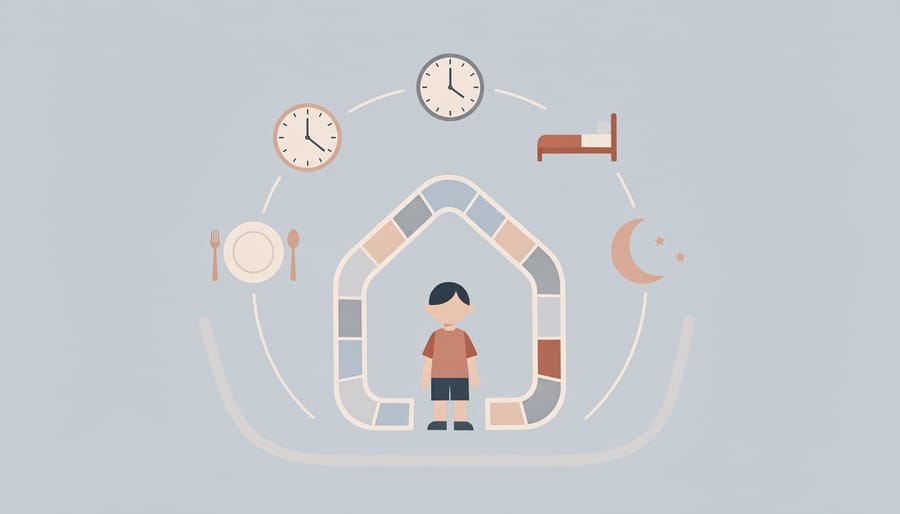
Children need boundaries the same way they need guardrails on a bridge, not to restrict them, but to help them feel secure enough to move forward confidently. Clear, consistent limits provide the structure that teaches self-control and helps kids understand what’s expected of them.
Boundaries aren’t about rigid rules or punishment. They’re about creating a predictable framework where children learn cause and effect, develop impulse control, and understand that their actions have consequences. When boundaries are consistent, children don’t waste energy testing limits constantly. Instead, they can relax into knowing what’s acceptable and focus on learning and growing.
Effective boundaries are firm but kind. They communicate what behavior is okay and what isn’t, while still respecting the child’s feelings. A boundary might sound like, “I can see you’re angry, but hitting isn’t allowed. You can tell me with words or take a break to calm down.” This approach validates emotions while maintaining clear expectations about behavior.
Play and Spontaneity

Children need unstructured time to simply be kids. Play isn’t frivolous, it’s how they process emotions, build creativity, and develop problem-solving skills. When you protect space for spontaneity and fun, you’re not indulging them; you’re meeting a fundamental emotional need that builds resilience and joy.
Understanding the role of play means recognizing that laughter, silliness, and imagination recharge your child’s emotional battery. Boredom often precedes creativity. A child stacking blocks, inventing games, or dancing in the living room is doing important developmental work. Overscheduling or constantly directing their activities can suppress this need, leaving them stressed and emotionally flat.
Make room for playfulness in your daily routine, even if it’s just ten minutes of goofing around together. Follow their lead sometimes, let them choose the game, set the rules, make the mess. This freedom to explore without pressure teaches them that joy matters and that they’re allowed to take up space.
Realistic Expectations
Children thrive when the expectations placed on them match their developmental stage and individual capabilities. Setting the bar too high creates chronic stress and feelings of failure, while expectations that are too low can leave kids feeling unchallenged and undervalued.
Realistic expectations mean understanding what’s truly age-appropriate. A three-year-old can’t sit still through a two-hour dinner, and a seven-year-old won’t remember multi-step instructions without reminders. When parents adjust their expectations to fit their child’s actual developmental level, kids experience more success, build confidence, and develop resilience through manageable challenges.
This doesn’t mean lowering standards, it means tailoring them. A child who struggles with organization might need visual checklists rather than verbal reminders. Another who excels academically might need higher academic challenges but still typical social-emotional expectations for their age.
Watch for signs your expectations might be misaligned: frequent meltdowns, persistent avoidance of tasks, or a child who seems perpetually discouraged or anxious about performance.
Emotional Validation

Emotional validation means acknowledging your child’s feelings as real and understandable, without dismissing or minimizing them. When a child says “I’m scared of the dark” and you respond “That makes sense, the dark can feel scary,” you validate their experience, even if you know there’s nothing dangerous there. This need is about acceptance, not agreement. You don’t have to approve of the feeling or fix it immediately; you simply recognize it exists. Children whose emotions are validated learn their inner world matters, which builds emotional intelligence and trust. They feel safer expressing difficult feelings like anger, sadness, or fear because they know they won’t be shut down or shamed. Simple validation sounds like “You seem really frustrated right now” or “I can see you’re disappointed.” Pair this with playful activities that help children express and process emotions in age-appropriate ways. When validation becomes a habit, children develop healthier coping skills and stronger emotional resilience.
How Meeting Emotional Needs Supports Development
When a child’s emotional needs are consistently met, the impact reaches far beyond day-to-day happiness. Meeting these needs actively shapes brain architecture during critical developmental windows. Responsive caregiving triggers the release of oxytocin and other neurochemicals that strengthen neural pathways responsible for emotional regulation, memory formation, and stress management. Children who feel secure and connected develop stronger prefrontal cortex function, which governs impulse control, planning, and decision-making well into adulthood.
The framework works through repetition and consistency. Each time a parent validates a feeling, sets a clear boundary with warmth, or allows age-appropriate autonomy, they’re reinforcing neural patterns that help children understand and manage their internal experiences. This process builds emotional resilience the capacity to bounce back from setbacks and adapt to challenges. Kids learn that emotions are manageable rather than overwhelming, that relationships can be trusted, and that they have agency in their world.
Social development follows a similar pathway. Children who experience secure attachment and regular emotional validation develop better perspective-taking abilities and empathy. They read social cues more accurately because they’ve learned to recognize and name emotions in themselves first. Research on adverse childhood experiences and mental health demonstrates that unmet emotional needs create lasting vulnerabilities, while responsive parenting builds protective factors that buffer against future stressors.
The developmental benefits compound over time. A toddler whose autonomy needs are respected learns problem-solving skills. A school-age child whose emotions are validated develops self-awareness. A teenager with secure boundaries gains self-discipline. These aren’t separate outcomes but interconnected capacities that emerge when the foundational emotional needs are addressed consistently across childhood.
Recognizing When Emotional Needs Aren’t Being Met
Children often communicate unmet emotional needs through their behavior long before they can put feelings into words. When one or more of the nine emotional needs isn’t being addressed, you’ll see changes in how your child acts, reacts, and interacts with the world around them.
Watch for these common behavioral and emotional signals:
- Withdrawal or becoming unusually quiet and avoiding social interaction
- Increased aggression, defiance, or explosive reactions to minor frustrations
- Persistent anxiety, worry, or fearfulness about everyday situations
- Regression to earlier developmental behaviors like bedwetting or baby talk
- Excessive attention-seeking behaviors, clinginess, or constant need for reassurance
Beyond these obvious signs, you might notice changes in sleep patterns, appetite, or school performance. A child whose need for autonomy isn’t met may become either overly compliant or rebelliously defiant. When security needs go unaddressed, even small separations can trigger disproportionate distress. If the need for emotional validation is consistently ignored, children often shut down emotionally or develop difficulty identifying their own feelings.
Pay attention to patterns rather than isolated incidents. Every child has bad days, but persistent changes in behavior usually point to something deeper. A child struggling with unmet needs may also have trouble developing age-appropriate coping skills which can further compound the problem.
Trust your instincts. You know your child best. If something feels off or you’re seeing concerning changes that last more than a couple of weeks, that’s your cue to dig deeper into which emotional needs might need more attention.
Practical Ways to Meet Your Child’s Emotional Needs
Meeting your child’s emotional needs doesn’t require perfection or grand gestures. Small, consistent actions woven into daily routines often make the biggest difference.
Create predictable routines for security. Children feel safer when they know what to expect. Establish consistent bedtimes, meal times, and transition rituals. A simple “goodnight routine” with the same steps each evening signals safety. When changes are coming, give advance notice: “Tomorrow we’re trying a new daycare, and I’ll stay with you for the first hour.”
Build connection through presence. Put your phone down during conversations. Make eye contact when your child talks to you. Even ten minutes of undivided attention, whether you’re building blocks together or hearing about their day, strengthens belonging. Physical affection matters too, hugs, back rubs, or sitting close while reading.
Offer age-appropriate choices for autonomy. Let your three-year-old pick between two outfits. Allow your seven-year-old to arrange their bookshelf. Give your preteen input on weekend plans. The decisions don’t need to be big; what matters is practicing self-direction within safe boundaries.
Notice and name their strengths. Instead of generic praise like “good job,” be specific: “You kept trying with that puzzle even when it was hard” or “You noticed your sister was upset and shared your toy.” This builds genuine self-esteem rooted in real competence and character.
Validate feelings without fixing them. When your child is upset, resist the urge to immediately solve the problem or dismiss the emotion. Say “You’re really frustrated that didn’t work” before jumping to solutions. Sadness, anger, and disappointment are normal; acknowledging them teaches emotional literacy.
Set clear, calm boundaries. “We don’t hit when we’re angry, but you can stomp your feet or squeeze this pillow” gives structure while honoring the underlying need. Explain the “why” behind rules when possible: “We hold hands in parking lots because cars can’t always see small people.”
Protect unstructured play time. Schedule isn’t the enemy, but children need pockets of boredom and free exploration. Let them dig in dirt, rearrange furniture for a fort, or invent nonsense games. Resist filling every moment with structured activities.
These strategies work together. A child who feels secure is better able to explore autonomy. Validated emotions lead to clearer expression. Start with one or two approaches and build from there.
When Professional Support Can Help
Sometimes, despite your best efforts, a child’s emotional needs remain persistently unmet, and that’s when professional support becomes essential. You’re not failing as a parent by seeking help. In fact, recognizing when outside expertise is needed shows strength and commitment to your child’s well-being.
Consider professional support if your child shows ongoing signs like persistent anxiety or sadness lasting weeks, significant behavioral changes, difficulty forming or maintaining relationships, regression in developmental milestones, or expressed feelings of worthlessness. When challenging behaviors don’t respond to consistent parenting strategies or if trauma has occurred, reaching out is wise.
Child psychologists and therapists specialize in helping children understand and communicate their emotional needs. They use age-appropriate techniques like play therapy, art therapy, or cognitive-behavioral approaches to help children process feelings they can’t yet articulate. Family therapy can also be valuable, addressing how family dynamics may be impacting emotional needs and teaching everyone new ways to connect.
School counselors, pediatricians, and community mental health centers are good starting points for referrals. Many therapists now offer teletherapy, making access easier. Early intervention matters. Emotional needs that go unaddressed in childhood can create patterns that persist into adulthood, affecting relationships, self-esteem, and mental health. Professional support isn’t a last resort. It’s a proactive step toward giving your child the emotional foundation they deserve.
Common Questions About Children’s Emotional Needs
Common Questions About Children’s Emotional Needs
Parents often worry whether they’re doing enough to support their child’s emotional development. Here are answers to some of the most common concerns about meeting emotional needs in everyday life.
Do I need to meet all 9 emotional needs perfectly all the time?
No. The goal is consistent effort and awareness, not perfection. Children are resilient and benefit most from parents who repair mistakes, stay present, and show they care, even when things don’t go smoothly.
Do emotional needs change as children grow?
Yes. While the 9 core needs remain constant, how they’re expressed and met shifts with development. A toddler’s need for autonomy looks like choosing between two snacks, while a teenager’s involves making decisions about friendships and activities.
What if my children have completely different emotional needs?
Every child has all 9 needs, but the intensity and priority vary by temperament and age. One child might crave more connection time while another needs more independence. Observing and responding to each child’s signals helps you tailor your approach.
How do I handle situations where emotional needs seem to conflict?
Sometimes needs compete, like when a child wants autonomy but also needs clear boundaries. Acknowledge both needs openly, explain your reasoning, and look for compromises that honor the underlying emotional requirement even if you can’t grant the specific request.
Remember that understanding these needs is a learning process for everyone in the family. You’ll have moments when you miss the mark, and that’s completely normal. What matters most is creating an environment where emotional needs are recognized as important, where mistakes can be discussed openly, and where everyone feels safe asking for what they need. Your willingness to learn and adjust is already meeting one of your child’s most fundamental needs: the security of having a parent who cares enough to keep trying.
Understanding and meeting your child’s nine emotional needs isn’t about getting everything right every single time. It’s an ongoing practice that unfolds across years, through countless small moments and inevitable missteps. Some days you’ll nail it, other days you’ll miss the mark, and that’s perfectly normal. What matters most is your willingness to keep showing up, learning, and adjusting as your child grows.
Think of this framework as a compass rather than a checklist. It helps you understand what your child needs to thrive emotionally, but it doesn’t demand perfection. When you notice a need going unmet, you have a chance to course-correct with curiosity and compassion, not guilt.
The real strength of focusing on emotional needs is how it transforms your family relationships. When you tune into what your child truly needs, beyond just managing behavior, you build deeper trust and understanding. You create space for honest communication and emotional safety that lasts well beyond childhood.
If you’re feeling overwhelmed, remember that reaching out for support, whether from other parents, educators, or mental health professionals, shows wisdom, not weakness. You don’t have to navigate this alone.