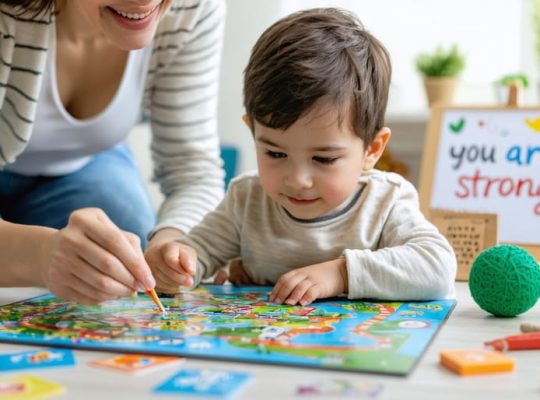

Creating meaningful mental health awareness initiatives for children and youth takes more than posting a few posters or hosting a single assembly. The most effective approach combines education, open conversation, and sustained programming throughout the year, creating safe spaces where young people feel comfortable discussing their emotional wellbeing. Research from 2026 shows that schools and communities implementing year-round mental health initiatives see up to 40% more students seeking support when they need it.
Parents and teachers often worry they lack the expertise to address mental health topics with children. That hesitation is understandable, but you don’t need a clinical degree to make a difference. What matters most is your willingness to listen without judgment and your commitment to normalizing conversations about feelings, stress, and emotional struggles.
The truth is, one in five children experiences a mental health challenge each year, yet many never receive support simply because no one created an opportunity to talk about it. When a middle school teacher in Portland started dedicating 10 minutes each Friday to mental health check-ins, three students disclosed serious anxiety within the first month. Those conversations led to family involvement and professional support that might never have happened otherwise.
This guide walks you through implementing practical mental health awareness activities that work in real-world settings, whether you’re planning a classroom initiative, a community event, or a family conversation at home. You’ll find concrete steps, safety protocols for handling disclosures, and age-appropriate approaches that respect children’s developmental stages while building lasting awareness and resilience.
Why Creative Approaches Matter for Mental Health Awareness
Traditional mental health messaging often misses the mark with families. Pamphlets in waiting rooms, clinical websites filled with medical terminology, and formal presentations can feel intimidating rather than inviting. Parents may worry that showing interest signals their child is “broken,” while kids themselves tune out anything that sounds like a lecture. The result is a frustrating paradox: information exists, but the people who need it most don’t connect with it.
Creative approaches bridge this gap by making mental health conversations feel natural and accessible. Art projects, storytelling events, interactive online programs, and community activities remove the clinical distance that keeps families from engaging. When a parent attends an evening Zoom session like “Substance Use and Your Teen” offered by IWK Health Mental Health and Wellness Coordinators, they’re learning critical information in a supportive, non-judgmental space that fits their schedule. When children participate in drawing workshops or share stories about feelings, they’re building emotional vocabulary without realizing they’re in a “mental health lesson.”
These methods also meet people where they are. Not every parent learns best from reading handouts. Some need to hear another parent’s experience, see their child engage with emotions through art, or join a facilitated discussion that feels more like community support than formal education. Annual awareness efforts like the May 7 awareness day established in 2007 as National Child and Youth Mental Health Day, demonstrate society’s recognition that we need dedicated moments to spotlight these issues. But one day of awareness isn’t enough. Creative, ongoing approaches transform mental health from a once-a-year topic into an everyday conversation that families feel equipped to have.

Tools and Materials for Creative Mental Health Awareness
Starting a creative mental health awareness initiative doesn’t require a massive budget or specialized expertise. Most communities already have free resources and partnerships available, and the materials you’ll need depend on the approach you choose. The key is knowing what’s out there and how to access it.
Digital Tools and Platforms
Online platforms have become essential for reaching busy parents and connecting communities. Programs like the free “Substance Use and Your Teen” session offered by IWK Health Mental Health and Wellness Coordinators use Zoom for Healthcare, making participation possible from anywhere. Social media platforms (Facebook, Instagram, TikTok) let you share stories, infographics, and mental health tips with broad audiences at no cost. Email newsletter services help you maintain ongoing contact with interested families.
Physical Materials and Creative Supplies
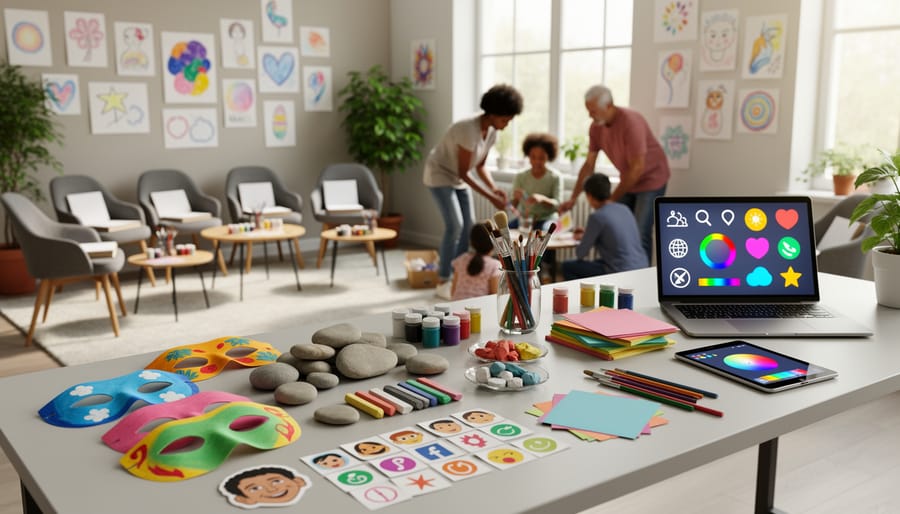
For in-person art-based activities or school programs, you’ll need basic creative materials: markers, poster boards, journals, sticky notes for reflection walls, and printed mental health resources. Many Community Health Teams provide free educational handouts and brochures you can distribute at events. Laminated tip cards, bookmark-sized coping strategy reminders, and age-appropriate mental health storybooks create tangible takeaways participants can use at home.
Community Partnerships and Organizational Support
The most valuable resources often come through partnerships. Consider these essential tools and materials:
- Free programs from Community Health Teams that support mental wellness across the lifespan
- Mental health coordinators and facilitators from healthcare organizations willing to lead sessions
- School counselors and teachers who can help with logistics and student engagement
- Local nonprofits focused on family support that may offer materials or co-hosting opportunities
- Meeting spaces in libraries, community centers, or places of worship that welcome mental health initiatives
- Print shops or businesses willing to donate materials for awareness campaigns
Start by reaching out to organizations already serving your community. A quick phone call to your local health team or family support nonprofit can connect you with ready-made resources, saving you from reinventing the wheel. Many facilitators welcome collaboration and can provide both expertise and materials you wouldn’t have access to alone.
Safety and Ethical Considerations
When you’re working to spread mental health awareness in your community, your first responsibility is to protect the people you’re trying to help. This is especially true when children and youth are involved. Before implementing any creative initiative, you need clear protocols around privacy, consent, and psychological safety.
Start with consent. If you’re sharing personal stories, using photos of participants, or highlighting individual experiences in any awareness effort, you must obtain explicit permission. For children under the age of majority, this means parental consent in addition to the child’s own agreement. Understanding minor consent laws in your jurisdiction helps you navigate these requirements properly. Never assume that participation in a program equals permission to share someone’s image or story publicly.
Confidentiality extends beyond formal consent. Create clear boundaries about what happens in awareness activities. If you’re facilitating a discussion or workshop, establish ground rules at the beginning that what’s shared in the space stays in the space. Make sure participants understand they should not share others’ stories outside the group. This psychological safety encourages honest conversation and prevents breaches of trust.
Language matters profoundly in mental health awareness work. Avoid terms that pathologize or stigmatize. Say “a person with depression” rather than “a depressed person.” Don’t use mental health conditions as adjectives or insults. When developing materials for creative art therapy activities or narrative therapy tools review your language carefully to ensure it’s respectful and person-first.
Know your limits. Awareness efforts are not therapy or crisis intervention. If a participant discloses active self-harm, suicidal thoughts, or abuse during your program, you need a plan for connecting them immediately with a mental health professional. Have local crisis resources readily available, and be prepared to involve trained clinicians when needed. Your role is to raise awareness and reduce stigma, not to provide clinical care.

Step-by-Step Process: Launching Your Creative Awareness Campaign
Step 1: Learn About the Current Landscape
Start by looking at what’s already happening in your community. Call your local school district’s student support services office and ask what mental health resources they currently offer families. Check whether your area has a Community Health Team, these groups typically provide free programs across the lifespan and can tell you what gaps they’re seeing. Look up local nonprofits focused on children and families; organizations like FamilyStart in British Columbia often run awareness initiatives you can learn from or partner with.
Talk to parents you know. Ask what mental health topics worry them most and where they currently turn for information. You’ll often discover that excellent resources exist but families don’t know about them. For example, healthcare organizations may offer programs like “Substance Use and Your Teen” through Zoom, yet parents remain unaware these sessions exist.
Visit community centers, libraries, and pediatrician offices to see what mental health materials they display. Notice what’s missing. Are resources only available in English? Do they address diverse family structures? Are they accessible to parents without internet access?
Contact your area’s children’s hospital or mental health services. Facilities with dedicated wellness coordinators can share data about the most common concerns families bring to them. This frontline perspective reveals which topics need more awareness and which demographics feel underserved.
Document everything you learn. You’re building a foundation that ensures your creative efforts address actual needs rather than assumptions.
Step 2: Choose Your Creative Method
The right method depends on who you’re trying to reach and what you want them to take away. A creative approach that resonates with elementary students might not connect with parents of teens, and a campaign that works on social media may not translate to a community center setting.
Consider these options based on your specific goals and audience:
- Art-based activities: Drawing, painting, or collage workshops that help children express emotions nonverbally. Works well for younger kids and therapeutic settings.
- Storytelling and personal narratives: Sharing real experiences from families or young people (with consent) to normalize struggles and reduce isolation. Effective for building empathy across all ages.
- Online programs and workshops: Structured sessions via Zoom covering specific topics like the “Substance Use and Your Teen” program offered by IWK Health coordinators. Ideal for reaching busy parents who need evening access.
- School-based activities: Classroom discussions, assemblies, or student-led awareness days that integrate mental health into the school culture. Best for sustained impact with youth.
- Community events: Health fairs, movie screenings with discussions, or awareness walks that bring families together around mental health themes. Useful for creating visible community support.
Think about your comfort level and available time. If you’re a parent volunteer, a simple social media post sharing a helpful resource might be your starting point. Teachers might leverage classroom time for guided activities. Organizations like Community Health Teams often combine methods, offering both online programs and in-person support to meet families where they are.
Step 3: Develop Strategies That Promote Honesty and Build Trust
The most effective mental health awareness campaigns share one quality: they feel human, not scripted. Start by centering messages around real concerns parents and families actually express, like worrying whether you’re handling a teen’s mood changes correctly or feeling unsure when to seek help. Programs like the Zoom-based “Substance Use and Your Teen” offered by IWK Health Mental Health and Wellness Coordinators succeed because they address specific fears rather than delivering generic reassurance.
Use language that opens conversations instead of shutting them down. Replace terms like “suffering from” or “struggling with” with “experiencing” or “living with.” Avoid positioning mental health challenges as failures or weaknesses. When you’re creating content for social media, workshops, or printed materials, include voices from multiple perspectives: a parent who navigated their child’s anxiety, a teacher who adapted classroom approaches, a young person describing what actually helped them.
Trust builds when your messaging acknowledges complexity. Don’t promise simple fixes or suggest that awareness alone solves mental health challenges. Instead, normalize the reality that supporting mental health involves ongoing learning, mistakes, and adjustments. Community Health Teams demonstrate this approach in their programs by creating spaces where questions are welcomed and uncertainty is treated as valid rather than something to hide.

Step 4: Plan the Logistics
Once you’ve chosen your creative method, translate your vision into concrete logistics. Start by selecting dates and times that work for your target audience. Evening programs, like the 6:00-7:30 PM slot used by IWK Health Mental Health and Wellness Coordinators for their parenting program, accommodate working parents without cutting into family dinnertime. Weekend mornings can work well for family-focused activities, while after-school times suit programs targeting older children directly.
Decide whether your initiative will be in-person, online, or hybrid. Online formats via Zoom offer accessibility for families who face transportation barriers or scheduling conflicts, while in-person events create stronger community connections and work better for hands-on creative activities. Consider your audience’s comfort with technology and the nature of your creative method when choosing.
Arrange facilitators early. This might be a mental health professional, trained volunteer, educator, or community coordinator who understands both your topic and your audience. Clarify their role, provide any needed background materials, and ensure they’re comfortable handling sensitive questions.
Finally, create a simple registration process. Online forms work for tech-savvy communities, but always offer a phone option for those who prefer speaking with a person. Collect only essential information, send confirmation details promptly, and include clear instructions like Zoom links for virtual programs.
Step 5: Promote and Register Participants
Once you’ve planned your creative mental health awareness initiative, getting the word out effectively determines how many people you’ll reach. Start by partnering with schools to share information through newsletters, parent portals, and teacher announcements. Healthcare providers, including pediatricians, family doctors, and Community Health Teams, can mention your program during appointments and display flyers in waiting rooms. Community centers, libraries, and youth organizations often welcome mental health resources on bulletin boards or in their weekly email updates.
Social media extends your reach quickly. Create simple, shareable graphics that highlight what participants will gain, when the activity takes place, and how to register. Parents often find programs through Facebook community groups and Instagram posts from local organizations.
Make registration as simple as possible. Offer both online forms (Google Forms work well) and phone registration for families who prefer speaking with someone directly. For online programs, collect email addresses so you can send Zoom links a day before the event, participants appreciate this confirmation and rarely need to search for details. Send a brief reminder email the morning of the program that includes the link, start time, and what to expect. This small step dramatically improves attendance and helps parents feel prepared to participate.
Step 6: Execute Your Creative Initiative
When your awareness initiative begins, focus on creating a warm, welcoming environment from the first moment. Whether you’re facilitating an online Zoom program or an in-person art workshop, start by acknowledging participants’ courage in showing up and clearly explaining what to expect. Set ground rules early: emphasize confidentiality, respect for diverse experiences, and the right to participate at one’s own comfort level.
During the session, watch for signs that participants feel safe enough to engage. In storytelling events, invite rather than pressure people to share. In creative activities like art-making, circulate to offer encouragement without critique. For social media campaigns, monitor comments closely and respond quickly to questions or concerns with empathy.
Stay flexible and read the room. If energy drops, pause for a brief check-in or shift to a different activity. If someone shares something deeply personal, acknowledge it with compassion and redirect to professional resources if needed. Keep the focus on connection and understanding rather than “getting through” your planned agenda.
End with clear next steps: share resources, explain how to access ongoing support, and thank participants for contributing to a more open conversation about mental health in your community.
Verification: How to Know Your Efforts Are Working
Measuring the impact of your awareness efforts helps you understand what’s working and where to adjust. You don’t need expensive evaluation tools, simple, thoughtful observation can tell you whether you’re making a difference.
Start by gathering feedback in multiple ways:
- Collect immediate reactions during or right after your event through brief verbal check-ins or simple comment cards asking what resonated most
- Track participation numbers including initial registrations, actual attendance, and repeat participation in follow-up sessions
- Monitor engagement signals like questions asked, conversations started, and resources requested or downloaded
- Conduct follow-up surveys two to four weeks later asking whether participants have had mental health conversations they wouldn’t have had before
- Watch for community ripple effects such as teachers reporting students using new language around mental health or parents reaching out for additional resources
Qualitative feedback often reveals the most meaningful impact. A parent sharing that they finally felt comfortable asking their teen about mental health, or a teacher mentioning students opening up more freely, these stories matter as much as attendance numbers. Pay attention to the language people use after your initiative. Are they replacing stigmatizing terms with more compassionate ones? That’s a clear sign awareness is growing.
For online programs like the free “Substance Use and Your Teen” sessions offered via Zoom by organizations such as IWK Health Mental Health and Wellness Coordinators, engagement metrics like camera-on participation and chat activity provide additional insight. Community Health Teams offering programs across the lifespan often track whether participants access additional support services afterward, which indicates genuine awareness translating into action.
If you’re addressing youth populations and applying for youth mental health funding these verification methods become documentation of your program’s effectiveness. Don’t expect overnight transformation. Stigma reduction happens gradually, conversation by conversation.
Real Examples of Creative Mental Health Awareness in Action
Seeing creative mental health awareness in practice brings these strategies to life. Across communities in 2026, organizations and individuals are finding innovative ways to connect with families and normalize mental health conversations.
Healthcare organizations have embraced accessible formats that meet parents where they are. IWK Health Mental Health and Wellness Coordinators facilitate online programs like “Substance Use and Your Teen,” scheduled for Wednesday, May 27, 2026, from 6:00-7:30 PM via Zoom. The evening timing accommodates working parents, while the online format removes transportation barriers. Parents who’ve attended similar sessions report that discussing difficult topics in their own homes feels safer and more comfortable than institutional settings.
Community Health Teams continue expanding their reach by offering free programs across the lifespan to support mental wellness and parenting. These teams understand that mental health awareness isn’t one-size-fits-all, a program for parents of toddlers looks vastly different from one supporting families with teenagers.
Grassroots organizations bring creativity and heart to awareness efforts. Non-profits like British Columbia-based FamilyStart develop community-specific initiatives that reflect the families they serve. One parent shared how attending a storytelling workshop helped her realize other families faced similar struggles: “Hearing another mom talk about her son’s anxiety made me feel less alone. That’s when I knew we needed help, and it was okay to ask for it.”
These real-world examples demonstrate how creative approaches shatter stigma and create meaningful connections that traditional pamphlets and lectures simply can’t achieve.
Common Questions About Spreading Mental Health Awareness Creatively
What if I don’t have any budget for mental health awareness activities?
Many effective awareness efforts cost nothing. Community Health Teams provide free programs across the lifespan to support mental wellness and parenting, and social media platforms offer zero-cost ways to share stories and resources. Start with conversation-based activities, leverage existing community spaces like schools or libraries, and partner with organizations that already have resources.
How do I handle it if someone shares a mental health crisis during an awareness event?
Prepare a crisis response plan before your event begins. Have local crisis hotline numbers readily available, know which mental health professionals or organizations you can refer to immediately, and never promise confidentiality when safety is at risk. If you’re facilitating awareness activities with children or teens, always have a licensed mental health professional you can contact.
What if parents in my community resist talking about mental health?
Resistance often stems from stigma, fear, or past negative experiences. Lead with empathy rather than statistics, use personal stories that feel relatable rather than clinical language, and frame mental health as part of overall wellness everyone deserves. Sometimes offering programs like the free “Substance Use and Your Teen” online sessions through organizations such as IWK Health helps parents engage without feeling singled out.
How can I sustain awareness efforts when I’m already overwhelmed?
You don’t need to create something elaborate or ongoing. A single well-executed event, one honest social media post, or connecting families to existing resources makes a real difference. Focus on consistency over perfection, sharing one mental health resource monthly matters more than launching an ambitious campaign you can’t maintain.
Should I share my own mental health story as part of awareness efforts?
Sharing your experience can reduce stigma and build trust, but only share what feels safe and appropriate for your role and audience. Consider your boundaries carefully, focus on recovery and hope rather than graphic details, and remember that you can support awareness efforts effectively without personal disclosure if that doesn’t feel right for you.
These questions reflect what parents, teachers, and community members genuinely worry about when they want to help but feel uncertain. The truth is that most barriers to mental health awareness aren’t about expertise or resources. They’re about fear of saying the wrong thing, doing harm, or taking on more than we can handle.
Remember that imperfect action beats perfect inaction. Your willingness to start conversations, share resources, or simply create space for families to talk about mental health matters more than having all the answers. Communities build mental health awareness one honest conversation at a time, and that work doesn’t require a professional degree or a large budget. It requires compassion, consistency, and the courage to acknowledge that mental wellness deserves the same attention we give physical health.
Starting a creative mental health awareness initiative doesn’t require a massive budget or professional expertise. What it requires is intention, compassion, and a willingness to open conversations that matter. Whether you organize an art workshop for five kids or simply share a personal story on social media, you’re contributing to a cultural shift that makes mental health something families can discuss openly rather than hide in shame.
The resources exist to support you. Community Health Teams across the country offer free programs designed to strengthen mental wellness and parenting skills. Healthcare organizations like IWK Health provide expert-facilitated sessions on topics ranging from teen substance use to anxiety management. These aren’t distant, inaccessible services, they’re practical tools available right now, often delivered online to fit into your evening schedule.
Your creative efforts, no matter how modest they feel, plant seeds. A parent who attends one Zoom program might share what they learned with their child. A teacher who displays student artwork about emotions creates a classroom where feelings have names and validity. These small acts accumulate into communities where seeking help becomes normal, not frightening.
Start where you are. Use what you have. The awareness you spread today shapes the conversations children will have tomorrow.