Learning gamification transforms lessons into game-like experiences using points, levels, badges, and challenges to boost engagement and motivation. For children who face anxiety, attention difficulties, or simply feel overwhelmed by traditional learning, this approach can make education feel less intimidating and more rewarding. The method works because it taps into our natural desire for achievement and progress, releasing dopamine that reinforces positive learning behaviors.
The promise is compelling. A child who freezes at the sight of a math worksheet might eagerly tackle the same problems when they’re framed as a quest to “defeat the dragon of decimals.” One who struggles to focus during reading time may stay engaged when each chapter completed earns them a badge toward becoming a “master storyteller.” But here’s what matters most for parents and educators concerned with mental health: gamification is not about screens, tricks, or manipulation. Done thoughtfully, it’s about meeting children where their motivation lives and building confidence through small, visible wins.
The difference between effective gamification and hollow gimmicks comes down to intentionality. When we design learning experiences that genuinely respect a child’s emotional needs, we create scaffolding that supports growth without added pressure. A seven-year-old who earned “courage points” for attempting difficult spelling words told her teacher, “I’m not scared of mistakes anymore because they help me level up.” That shift in mindset, that willingness to try despite uncertainty, is the real prize.
This guide will walk you through creating gamified learning experiences that prioritize emotional safety alongside academic progress. You’ll learn which elements work best for different age groups and learning challenges, how to avoid common pitfalls that increase anxiety rather than reduce it, and how to measure whether your approach is truly helping or just adding noise.
What You’ll Need to Get Started with Learning Gamification
You don’t need fancy equipment or a big budget to get started with learning gamification. Most parents already have the basics at home, and the rest can be gathered gradually as you figure out what resonates with your child.
Digital and Analog Tools
The toolkit depends on your child’s age and where they learn. For younger children (ages 5-8), simple physical materials often work best: a poster board for tracking progress, colorful stickers or stamps, small toys or trinkets as rewards, and timer apps for timed challenges. Older elementary kids (ages 9-12) might respond better to digital platforms like Khan Academy Kids, Duolingo, or ClassDojo, combined with a points notebook or dry-erase board for tracking achievements. Teens typically engage more with sophisticated apps, online learning platforms with built-in gamification, or even virtual reality games designed for education.
Here’s what you might need based on your setup:
- Home environment: reward chart, stickers, small prizes, timer, optional tablet or computer with age-appropriate learning apps
- Classroom setting: point system (digital or paper), team badges, class leaderboard, achievement certificates, collaborative challenge boards
- Hybrid approach: shared digital platform accessible at home and school, physical tokens children can collect in both environments
The Mindset Shift Matters More
Beyond materials, you need emotional readiness. This means accepting that progress won’t be linear, celebrating effort over perfection, and staying curious about what motivates your specific child rather than forcing a system that worked for someone else’s kid. You’ll need patience to observe, adjust, and sometimes scrap an approach that isn’t landing. Most importantly, prepare to prioritize your child’s emotional safety over academic gains. If a gamification strategy creates anxiety or shame, you’ll need the flexibility to pull back, even if it seemed promising on paper.
Important Considerations Before You Begin
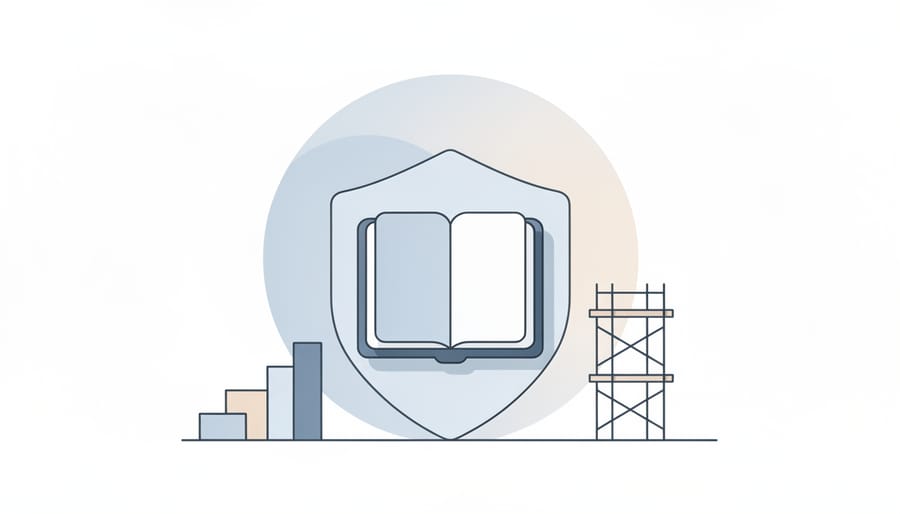
Before you introduce gamification into your child’s learning routine, it’s crucial to understand the emotional and psychological boundaries that keep this approach healthy. While game-like elements can spark motivation and ease anxiety around schoolwork, they can also backfire if implemented without thoughtful safeguards. The difference between helpful and harmful often comes down to how you balance engagement with your child’s individual needs and vulnerabilities.
One of the most significant risks is creating dependency on external rewards. Research shows that extrinsic rewards undermine intrinsic motivation when overused, meaning children may lose their natural curiosity about learning if every task requires points or prizes. If your child starts refusing to read, practice math, or explore new topics unless there’s a badge or treat involved, the system has crossed into unhealthy territory. The goal is to use gamification as temporary scaffolding that eventually fades as genuine interest grows.
Competitive elements deserve careful consideration, especially for children already struggling with anxiety or perfectionism. Leaderboards, timed challenges, and head-to-head contests can trigger stress rather than motivation in sensitive kids. Watch for signs like increased irritability around learning tasks, tears when they don’t “win,” or reluctance to try new things for fear of losing. If competition creates more tension than excitement, focus instead on personal progress tracking and collaborative challenges where everyone succeeds together.
Digital gamification tools raise additional concerns around screen time balance. While apps and platforms can be engaging, they shouldn’t replace active play, face-to-face interaction, or offline learning experiences. The AAP screen time guidelines still apply, even when the content is educational. Consider analog alternatives like sticker charts, physical tokens, or paper-based progress maps for younger children or those who need screen breaks.
Finally, recognize when gamification isn’t the right fit. Children in acute mental health crises, those recently traumatized, or kids so overwhelmed they can barely manage basic tasks may need simpler, gentler support first. Trust your instincts. If adding game elements feels like piling on rather than lightening the load, strip things back to what feels manageable.
Step-by-Step: Implementing Learning Gamification That Supports Mental Health
Step 1: Assess Your Child’s Learning Style and Emotional Needs
Before you introduce any points, badges, or challenges, spend time really watching how your child learns. Notice when they light up and when they shut down. Do they thrive on solving puzzles alone, or do they need someone cheering them on? Does timed work make them anxious, or does it help them focus?
Pay attention to their stress signals. Some kids get quiet and withdrawn when overwhelmed. Others become fidgety or defiant. Watch how they react to mistakes, do they bounce back quickly or spiral into self-criticism?
Ask open questions: “What makes homework feel hard?” “When do you feel proud of your learning?” “What would make practicing math more fun?” Listen without jumping to solutions.
Look at their current relationship with school. Are they curious or resistant? Confident or defeated? A child who already feels anxious about performance needs a different gamification approach than one who’s simply bored.
This observation phase isn’t wasted time. It’s the foundation that ensures whatever game elements you introduce actually support your child’s well-being instead of adding pressure.
Step 2: Choose Age-Appropriate Gamification Elements
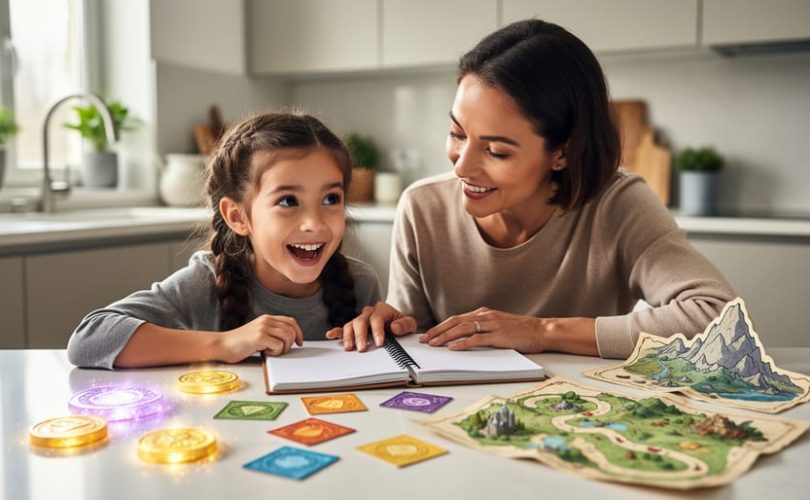
Younger children (ages 5-8) respond best to visual progress markers like colorful sticker charts, simple point systems, and immediate rewards. A marble jar for completed reading sessions or a treasure map where they advance one square per math problem taps into their concrete thinking and need for tangible feedback. Keep rules simple and victories frequent.
Tweens (ages 9-12) can handle more complex systems. Leveling up through different “belts” in spelling mastery or earning badges for demonstrating specific skills appeals to their growing sense of competence. They appreciate storylines where they’re heroes on a mission, which transforms homework into an adventure rather than a chore. Consider combining engagement ideas with physical activities to maintain balance.
Teenagers need autonomy and meaning. Let them choose their own rewards or design their progress tracking system. Competition with personal bests works better than comparing them to peers, especially for anxious teens. Open-ended challenges that allow creative solutions respect their developing identity.
Match the system to temperament too. Highly sensitive children may find leaderboards stressful but thrive with private progress journals. Competitive kids might love team challenges, while introverted learners prefer solo quests. Watch your child’s reactions closely during the first week and adjust accordingly.
Step 3: Set Clear, Achievable Goals Together
Goal-setting with your child isn’t about imposing targets, it’s about creating a shared roadmap that feels doable and exciting. Sit down together and ask what they’d like to get better at or what feels hard right now. Let them name it in their own words, even if it’s “I want math to stop making my stomach hurt” rather than “improve my multiplication skills.”
Once you’ve identified a goal, break it down ruthlessly. If your child wants to finish reading a chapter book, the goal isn’t “read the whole book”, it’s “read three pages tonight.” If they’re anxious about spelling tests, start with mastering five words instead of twenty. These micro-goals create frequent success experiences that rebuild confidence without triggering the shutdown response that comes from facing something overwhelming.
Write the goals down together where your child can see them. Use their language. Let them illustrate the goal or choose the reward milestone. This ownership transforms an external expectation into an internal commitment. When children help set the targets, they’re far more likely to persist when things get challenging, and they learn that they have some control over their own learning journey.
Step 4: Introduce the System Gradually
Starting small is essential when introducing any new learning approach. Begin with just one gamified element, perhaps a simple point system for completing daily reading or a sticker chart for math practice. Resist the urge to launch a complex system with multiple rewards, levels, and challenges all at once.
Explain the approach in language that matches your child’s age and understanding. For younger children, you might say, “We’re going to make homework more like a game where you earn stars for trying your best.” Older kids might appreciate, “I’ve noticed homework feels stressful sometimes. What if we tried making it more interesting by tracking your progress and celebrating small wins?”
Ask for their input: “What would make this fun for you?” This collaboration builds ownership and reduces resistance. Some children love choosing their own reward options or designing their point tracker.
Watch their response carefully during the first week. If you notice increased stress or reluctance, pause and adjust. The system should feel motivating, not like another source of pressure. Gradual introduction allows you to course-correct before frustration takes root.
Step 5: Balance Competition with Collaboration
Competition can fuel motivation, but for children who already struggle with anxiety or self-esteem, it can quickly become overwhelming. The key is designing experiences where your child can shine individually and succeed as part of a team.
Start by offering both solo challenges and collaborative ones. Maybe your child earns points for completing math problems on their own, but can also team up with a sibling or classmate to solve a bigger “quest” together. This gives anxious children a safe space to contribute without the pressure of outperforming peers.
When you do introduce competitive elements, frame them carefully. Instead of “Who can finish first?” try “Can we all beat yesterday’s time?” or “Let’s see if our team can reach 100 points by Friday.” You’re shifting from comparing children against each other to measuring progress against a shared goal or personal best.
Watch for signs of distress, if your child becomes tearful, withdrawn, or overly fixated on winning, pull back on competition and emphasize cooperation. Celebrate effort and teamwork just as enthusiastically as individual wins. Some children thrive on friendly competition; others need collaboration to feel emotionally safe enough to take learning risks.
How to Know If It’s Working: Verification and Next Steps
You’ll know learning gamification is working when you see shifts in both your child’s learning habits and their emotional relationship with school. Start by observing whether they approach homework or study sessions with less resistance than before, anticipation or voluntary engagement, rather than avoidance, signals healthy investment. Notice if they’re talking about their progress spontaneously, asking to work on educational activities during free time, or showing pride in small achievements. These are signs that intrinsic motivation is developing, not just compliance driven by rewards.
Pay close attention to your child’s emotional state during and after gamified learning. Healthy engagement looks relaxed and focused, with your child able to laugh off mistakes or try again without frustration spiraling. They should feel comfortable asking for help and expressing when something feels too hard. In contrast, watch for warning signs like increased anxiety around “losing” points, obsessive checking of progress metrics, sleep disruption from thinking about goals, or meltdowns when they don’t advance as quickly as expected. If learning becomes more stressful than before you introduced gamification, that’s a clear signal to reassess.
Gather direct feedback by asking open-ended questions: “What part of this do you enjoy most?” or “Does this make homework feel easier or harder?” Listen for feelings, not just whether they like earning points. Younger children might need you to observe body language, relaxed shoulders and smiling versus tense postures or tears. Tweens and teens can often articulate whether the system feels motivating or pressuring if you create a judgment-free space for honesty.
Check in with teachers if gamification extends to school. Are they seeing improved participation, better assignment completion, or stronger focus? Academic metrics matter, but prioritize building confidence and reducing learning-related anxiety over test scores alone.
If things aren’t working, don’t abandon the approach entirely, adjust it. Simplify the reward structure, reduce competitive elements, or slow the pace of goal progression. Sometimes children need weeks to adapt before you see positive shifts. However, if gamification consistently increases stress after multiple modifications, it may not be the right fit for your child right now, and that’s okay. The goal is supporting well-being, not forcing a particular method to work.
Real Stories: How Families Have Used Gamification to Support Learning and Well-Being
Sarah’s eight-year-old daughter Maya would spend an hour negotiating before starting homework, often ending in tears and stomachaches. From a parent’s perspective Sarah knew the anxiety wasn’t about capability, Maya simply feared making mistakes. She introduced a simple point system where Maya earned stars for trying, not for perfect answers. Each homework session became a mini-quest with three stars available: one for starting within five minutes, one for attempting every problem, and one for asking for help when stuck. Within two weeks, the pre-homework meltdowns stopped. Maya still got nervous, but she had concrete steps to focus on instead of spiraling. The stars went toward choosing weekend activities together, shifting the emphasis from academic performance to brave effort.
Marcus teaches fourth grade and noticed Jamal withdrawing during math lessons, convinced he was “bad at numbers.” Marcus created a classroom level-up chart where students advanced through ranks, not by test scores, but by demonstrating specific skills like explaining their thinking or helping a classmate. Jamal discovered he was good at finding patterns, even when his calculations were shaky. He earned his first badge for teaching another student a memory trick. That small recognition changed something. Jamal started volunteering answers and staying after class to work through challenging problems. His test scores improved, but more importantly, he stopped hiding in the back row. He began seeing himself as someone who could grow, not someone permanently behind.
Expert Perspective: What Mental Health Professionals Say About Learning Gamification
Dr. Sarah Chen, a clinical child psychologist specializing in learning anxiety, has observed significant shifts in her young clients who engage with well-designed gamification. “When children experience learning as a series of achievable challenges rather than high-stakes tests, we see measurable reductions in performance anxiety,” she explains. The key lies in what she calls “safe failure”, game mechanics that normalize mistakes as part of progress rather than evidence of inadequacy.
Educational therapist Marcus Williams emphasizes the resilience-building potential. “Children who struggle academically often develop learned helplessness. Gamification, done right, breaks that cycle by providing immediate feedback and clear pathways forward.” He’s seen students who previously shut down at the first obstacle begin approaching difficult tasks with curiosity instead of dread.
Both professionals caution against over-reliance on external rewards. “The brain’s reward system responds powerfully to points and badges initially,” Dr. Chen notes, “but if that’s the only motivation, children may lose interest in learning for its own sake.” She recommends gradually shifting emphasis from tangible rewards to intrinsic satisfaction, celebrating problem-solving strategies and effort alongside achievements.
Williams adds that gamification works best when it supports autonomy rather than control. “If parents use it as another tool to push academic performance, it becomes just another source of pressure. The mental health benefits emerge when children feel ownership over their learning journey.”
Common Questions Parents Ask About Learning Gamification
Will gamification make my child too dependent on rewards and lose their natural love of learning?
When done thoughtfully, gamification enhances rather than replaces intrinsic motivation. The key is gradually shifting from external rewards to emphasizing personal growth, mastery, and the satisfaction of overcoming challenges. If you notice your child only engaging when rewards are offered, it’s time to adjust the balance.
How much screen time is too much if I’m using digital gamification tools?
Set clear boundaries from the start. Many effective gamification strategies use analog tools like sticker charts or physical tokens. If using apps, limit sessions to 15-20 minutes for younger children and 30-45 minutes for older kids, always balanced with non-screen learning activities.
My child gets upset when they don’t earn enough points or lose a challenge. Should I stop?
These moments are opportunities to build emotional resilience, not reasons to quit entirely. Adjust the difficulty level, emphasize effort over outcome, and use setbacks as teaching moments about persistence. If distress becomes frequent or intense, take a break and reassess your approach.
Is gamification appropriate for children with anxiety or ADHD?
Yes, but the approach needs careful tailoring. Children with anxiety benefit from low-pressure systems with guaranteed small wins, while kids with ADHD often thrive with immediate feedback and varied challenges. Avoid competitive elements that heighten stress, and consult with your child’s therapist about what mechanics suit their needs.
What should I do when my child loses interest in the gamification system?
Loss of interest is normal and signals it’s time to refresh the approach. Involve your child in redesigning the system, introduce new challenges or rewards, or take a complete break. The goal is sustained engagement over time, not forcing a system that no longer resonates.
Do I need to spend money on apps or special materials?
Not at all. Some of the most effective gamification uses household items: a jar of marbles for tracking progress, hand-drawn achievement certificates, or a simple points chart on the fridge. Start with what you have and only invest in tools if they genuinely add value for your specific child.
Beyond these common questions, remember that every child responds differently to gamification. What works brilliantly for one may fall flat for another. Pay attention to your child’s emotional reactions, energy levels, and willingness to engage. If something feels off, trust that instinct. The beauty of gamification is its flexibility, you can always adjust the rules, change the rewards, or pivot to a completely different approach. Your role is not to be a perfect game designer, but to stay curious about what helps your child feel safe, capable, and excited to learn.
Learning gamification isn’t about turning your child into a point-scoring machine or pushing them toward endless achievements. When done thoughtfully, it’s simply another way to help learning feel less like a battle and more like an adventure they want to take.
You know your child better than any app, expert, or framework ever could. You see when their shoulders relax, when they light up with curiosity, and when they need to step back. That insight matters more than getting the system perfect. Start with one small change: maybe a sticker chart for reading time, or framing math practice as “leveling up” their skills. Watch how they respond, not just in terms of completed tasks but in their mood, their willingness to try, and their talk about learning.
The real victory isn’t a full badge collection or a perfectly completed quest. It’s a child who feels capable, who approaches challenges with a bit more confidence, and who doesn’t carry shame or dread about school. If gamification helps create those feelings, you’re doing it right. If it adds pressure or makes learning feel conditional, you have permission to adjust or stop altogether.
Trust yourself to notice the difference. You’re not implementing someone else’s blueprint; you’re adapting an idea to fit the unique person your child is becoming. That flexibility, that attentiveness to their emotional world, is exactly what they need from you. And it’s more than enough.