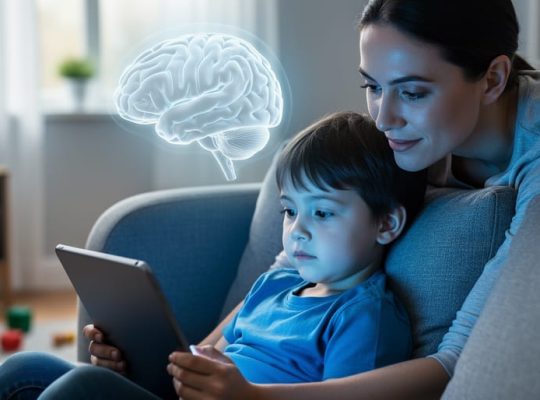
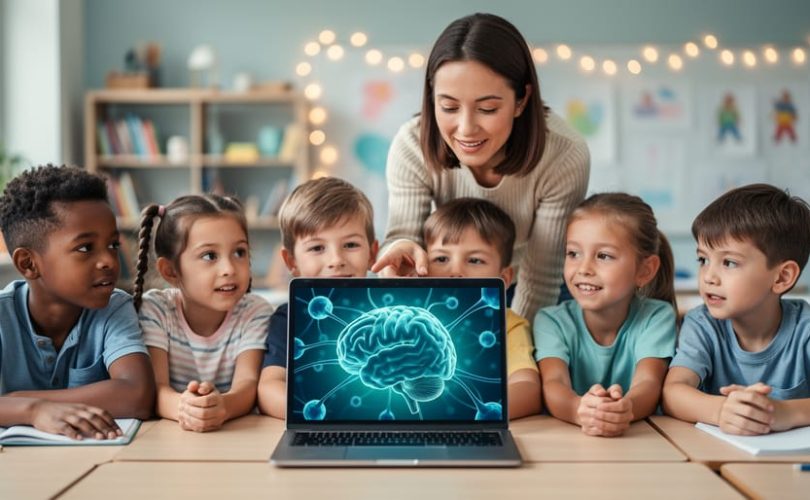
Two-minute neuroscience videos deliver complex brain science to children in digestible, animated segments that build mental health literacy without overwhelming young minds. These short-form educational tools, pioneered by neuroscientist Marc Dingman, break down topics like anxiety, stress response, and emotional regulation into bite-sized explanations that even elementary students can grasp and remember.
The format works because it matches how children actually learn. A second-grader doesn’t need a PhD-level lecture on the amygdala, but she does benefit from understanding why her heart races before a spelling test. These videos meet kids where they are, using simple language and clear visuals to explain what’s happening inside their heads when big feelings take over.
For parents and educators, these videos serve as conversation starters. After watching a clip about the prefrontal cortex, a child might finally have words to describe why homework feels impossible when they’re upset. Teachers report that students who understand the science behind their emotions show more self-compassion and less shame around mental health struggles.
The beauty lies in the brevity. Children won’t sit through a 30-minute documentary, but two minutes? That fits perfectly between math problems or right before bed. The science sticks because it’s relevant, visual, and over before attention wanders.
How We Chose These Applications
We selected these seven applications of 2-minute neuroscience videos by evaluating them against specific criteria that matter most to families and educators supporting children’s mental health.
First, we prioritized age-appropriateness. Each application needed to use language and concepts that children could grasp without oversimplifying the science. We looked for videos that respect young learners’ intelligence while presenting information they can actually use.
Scientific accuracy was non-negotiable. All applications had to be grounded in current neuroscience research, not pop psychology or outdated brain myths. We consulted with pediatric neurologists and child psychologists to verify the underlying science.
Engagement level determined whether children would actually watch and retain the information. Videos needed visual appeal, clear narration, and pacing that holds attention without overwhelming young viewers.
Accessibility mattered too. We focused on free or widely available resources that don’t require specialized equipment or expensive subscriptions, ensuring all families can access these tools.
Finally, we evaluated how directly each application connects to children’s mental health understanding. Does it help kids make sense of their feelings, reduce shame, or build coping skills? That’s what made our list.
1. Building Brain Literacy to Reduce Mental Health Stigma
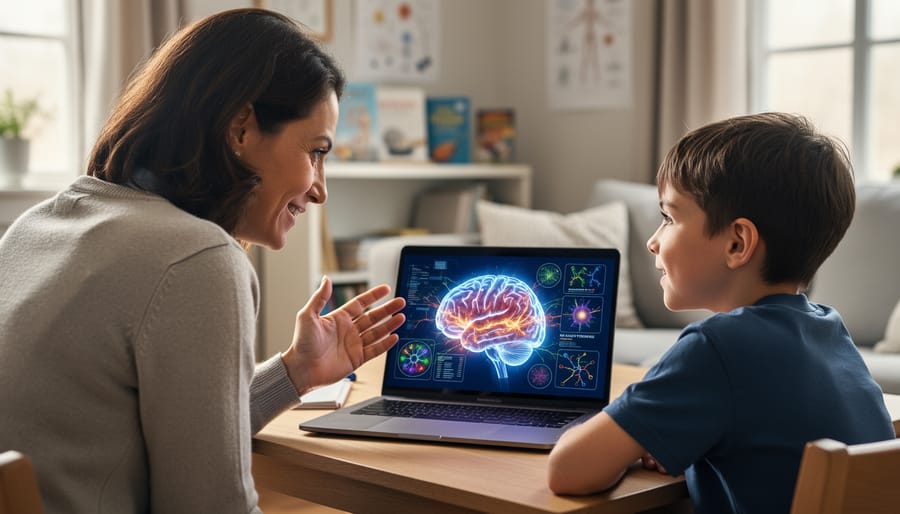
When seven-year-old Maya watched a 2-minute animation showing how different brains process information differently, something clicked. Her teacher, Ms. Rodriguez, noticed Maya’s shoulders relax during the video about ADHD and neural pathways. After class, Maya quietly approached her desk and said, “My brain isn’t broken. It just works a different way.” That moment of recognition, that her struggles with focus weren’t a personal failure but a neurological difference, marked a turning point in how Maya saw herself.
Short neuroscience videos give children a framework for understanding mental health that removes judgment and blame. When kids see colorful animations of neurotransmitters moving between neurons, or learn that anxiety involves an overactive amygdala trying to protect them, these conditions stop being character flaws. They become brain states with biological explanations. A child who understands that depression involves serotonin levels can separate their identity from their symptoms in ways that purely behavioral explanations never achieve.
This biological literacy directly combats stigma at its source. Children who grasp that mental health conditions stem from brain chemistry and structure show more compassion toward peers facing challenges. They’re less likely to use mental health terms as insults or view therapy as shameful. Research on children’s mental health attitudes shows that biological explanations increase empathy while reducing social distance from those with mental health conditions.
The 2-minute format matters here. These videos deliver just enough information to shift perspective without overwhelming young minds. Kids absorb the core message, brains vary, and those variations explain different experiences, which becomes the foundation for both self-acceptance and compassion toward others. This understanding also enhances learning engagement, as children feel safer participating when they know their cognitive differences make sense rather than signaling inadequacy.
2. Supporting Emotional Regulation Through Brain Understanding
When a child understands that their amygdala acts like a brain alarm system, suddenly their big feelings make more sense. Two-minute neuroscience videos give kids the vocabulary to name what’s happening inside their heads during emotional moments, transforming “I don’t know why I’m so upset” into “My amygdala is sending alarm signals right now.”
These brief videos explain how the amygdala detects threats and triggers the body’s stress response before the prefrontal cortex, the brain’s calm decision-maker, can fully evaluate the situation. For children, this knowledge becomes a powerful tool during meltdowns, anxiety, or frustration. A seven-year-old who learns that their thinking brain needs a few extra seconds to catch up with their feeling brain can start using strategies like deep breathing or counting to give their prefrontal cortex time to engage.
The practical applications are remarkable. Teachers report students saying things like “I need a brain break because my amygdala is too active right now” instead of simply acting out. Parents find their children more willing to try calming techniques when they understand why their bodies feel flooded with emotion. One mother shared how her daughter now recognizes her racing heart and tense muscles as signs her stress response has activated, prompting her to use grounding techniques rather than escalating.
Similar to how e-learning games make complex subjects accessible through interactive formats, these short neuroscience videos turn abstract brain concepts into relatable, age-appropriate explanations. When children grasp that everyone’s amygdala can overreact sometimes, they develop self-compassion alongside emotional awareness. This brain-based understanding doesn’t eliminate difficult feelings, but it gives children a framework for navigating them with less shame and more skill.
3. Enhancing Attention Span in the Digital Age
In a world where children switch between apps, games, and videos at lightning speed, the 2-minute format isn’t just convenient, it’s neurologically optimal. Research shows that young children’s sustained attention typically lasts between 3 to 8 minutes depending on age, and even older children struggle to maintain focus beyond 15 minutes without a break. These bite-sized neuroscience videos work with children’s natural cognitive rhythms rather than against them, delivering complete concepts before mental fatigue sets in.
The beauty of microlearning lies in its efficiency. When children watch a focused 2-minute explanation of how their hippocampus stores memories or how sleep clears brain waste, they receive one digestible idea without the cognitive overload that comes from longer educational content. Their brains can process and consolidate this single concept before moving on, which actually strengthens retention. Compare this to a 30-minute documentary where key points get lost in the noise, and the advantage becomes clear.
This format also respects the reality of modern family and classroom schedules. Teachers can seamlessly integrate a 2-minute video into a lesson transition without disrupting flow. Parents can share one during breakfast or before bedtime as a quick brain-building moment. The low time commitment means children don’t feel burdened, yet they’re building genuine knowledge about their nervous systems. When paired with complementary learning tools like AR effects that let children visualize brain structures in 3D, these short videos become part of a broader ecosystem that meets digital-age learners exactly where they are, appreciating brevity while delivering substance.
4. Creating Common Language Between Children and Caregivers
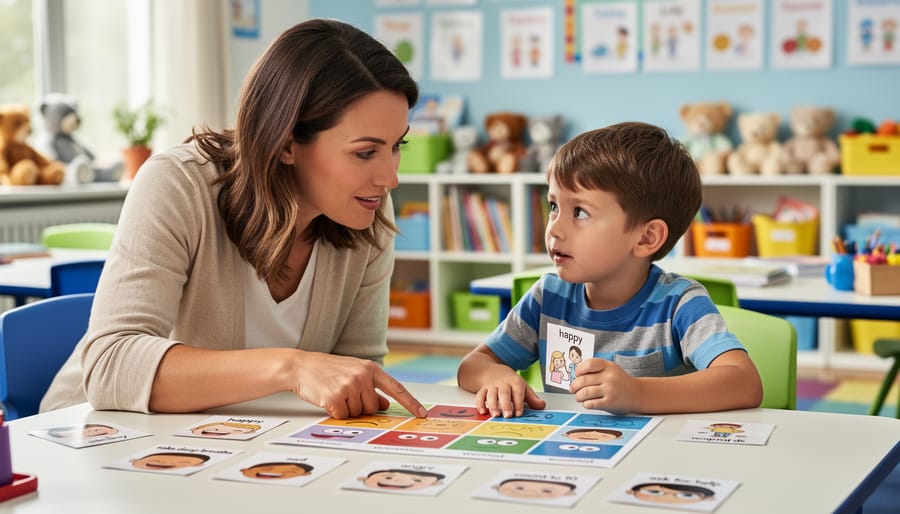
When everyone in a family or classroom speaks the same language about the brain, suddenly difficult conversations become easier. Two-minute neuroscience videos give children and adults a shared framework for discussing what’s happening inside their heads, replacing vague feelings with specific, brain-based terms.
Instead of a child saying “I’m just bad,” they might say “my amygdala was really activated.” Rather than “calm down,” a parent can ask “what might help your prefrontal cortex right back online?” This shared vocabulary removes judgment from the equation. You’re not discussing character flaws, you’re talking about brain processes that everyone experiences.
These videos work because they’re short enough for the whole family to watch together, yet rich enough to spark meaningful dialogue. A third-grade teacher in Portland started her morning routine by showing one video per week, then asking students to identify moments during the day when they noticed that brain function at work. Within a month, children were spontaneously using terms like “fight-or-flight response” to explain playground conflicts, and teachers could reference these concepts when helping students regulate emotions.
At home, one mother reported that after watching a video about the hippocampus and memory formation, her daughter finally felt comfortable explaining why her anxiety made schoolwork harder. “We weren’t talking about her being lazy anymore,” the mother said. “We were problem-solving together about how to support her hippocampus during stressful times.”
The videos create what psychologists call a “third point”, an external reference that takes pressure off direct confrontation. You’re both looking at the brain together, not at each other’s faults.
5. Making Abstract Concepts Concrete and Visual
Children often struggle to understand what’s happening inside their brains because they can’t see it. Two-minute neuroscience videos solve this problem by transforming invisible processes into colorful, moving images that make sense to young minds. When a child watches neurons lighting up like fireflies or sees the amygdala illustrated as an alarm bell in the brain, abstract concepts suddenly become something they can picture and remember.
Visual metaphors work especially well for certain neuroscience ideas:
- Neuroplasticity shown as a path through a forest that gets clearer with repeated use
- Neurotransmitters depicted as messengers carrying notes between brain cells
- The prefrontal cortex illustrated as a control center or command bridge
- Neural pathways represented as highways or electrical circuits
- Stress response visualized as a cascade or alarm system activating
These visual representations create mental anchors that children can reference long after watching. A seven-year-old might not remember the technical definition of neuroplasticity, but they’ll recall the forest path that becomes easier to walk when you practice something new. That image helps them understand why learning to ride a bike or manage big feelings gets easier with practice.
Age-appropriate examples are key. Videos for younger children might show the brain as a busy city with different neighborhoods handling different jobs, while content for tweens can introduce more sophisticated animations of synaptic connections and chemical signals. The brief format ensures children stay engaged without feeling overwhelmed by information density. When paired with other tools that create more engaging learning experiences, these videos become particularly powerful in helping children develop accurate mental models of how their brains work, building a foundation for lifelong mental health literacy.
6. Empowering Self-Advocacy in Healthcare Settings
When children understand the brain science behind their experiences, they become more effective partners in their own healthcare. A ten-year-old who can explain that their “amygdala feels really activated right now” gives their therapist concrete information to work with, far more useful than simply saying “I feel bad.” This vocabulary transforms abstract emotional experiences into observable patterns that professionals can address.
Short neuroscience videos give children the language to describe what’s happening internally. Instead of struggling to communicate during a difficult moment, they might tell a doctor, “I think my prefrontal cortex needs help calming down my worry thoughts.” While the exact neuroscience might be simplified, this framework helps children feel less overwhelmed by sensations they can now name and understand. One child psychologist shared how a patient who’d learned about dopamine and reward pathways could finally articulate why certain situations felt more challenging than others, leading to more targeted treatment strategies.
This knowledge also reduces the power imbalance that children often feel in medical settings. When kids grasp that their brains work differently rather than wrongly, they ask better questions. They want to know how medication affects neurotransmitters, or how therapy exercises might strengthen neural pathways. This curiosity signals engagement rather than passive compliance.
Building this understanding doesn’t require extensive study. A consistent microlearning routine with brief videos creates enough foundation for meaningful self-advocacy. Children gain confidence knowing they’re not mysteries to be solved by adults alone, but active participants who understand their own neurological landscape. That shift from patient to partner makes treatment more effective and helps children develop lifelong self-awareness skills.
7. Fostering Curiosity About Science and Mental Wellness
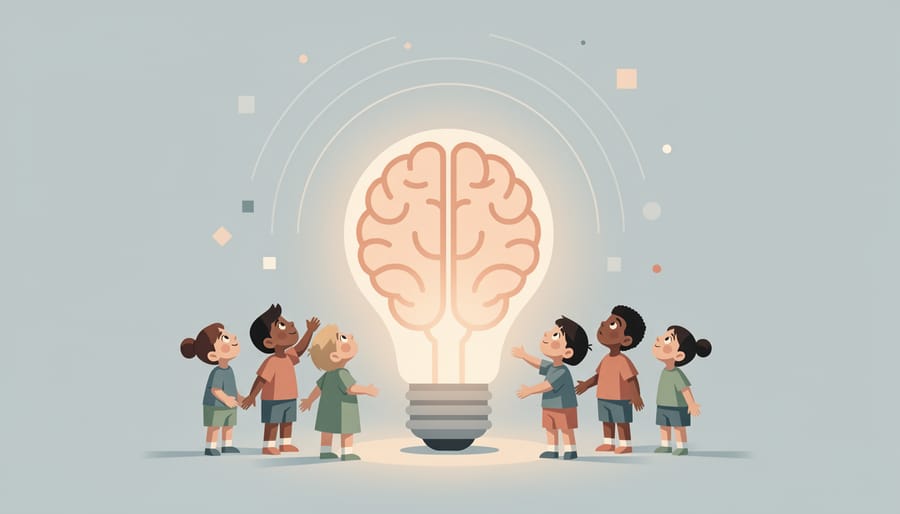
When a child watches a 2-minute video explaining how neurons fire or why sleep matters for memory, something remarkable happens beyond just learning that single fact. They start asking questions. “What else does my brain do?” “Why do I dream?” “Can I make my brain stronger?” This natural curiosity becomes a gateway to broader exploration of science and their own wellbeing.
These brief neuroscience explanations often serve as a child’s first introduction to the idea that scientists study the brain, that mental wellness involves biology, and that we’re still discovering new things about how our minds work. A video about dopamine might lead a ten-year-old to research addiction. An animation about neuroplasticity could inspire interest in psychology careers. One teacher shared how her class started a “brain question of the week” board after watching their first neuroscience video, with students bringing in articles and asking increasingly sophisticated questions about consciousness, learning differences, and emotional health.
The connection to STEM education runs deeper than general science literacy. Children who understand that thoughts have physical correlates in the brain, that emotions involve chemistry, and that mental health has measurable components often develop more analytical, less fearful relationships with their own inner experiences. They begin to see self-care not as abstract advice but as actions that affect real biological systems. This early foundation in neuroscience-informed thinking creates young people who approach mental wellness with both scientific curiosity and personal investment, qualities that serve them throughout their lives.
Tips for Parents and Educators Using 2-Minute Neuroscience Content
Start by previewing videos yourself to ensure they match your child’s developmental stage and existing knowledge. Children as young as five can grasp basic brain concepts through simple animations, while older kids may appreciate more detailed explanations about neural pathways and neurotransmitters. Look for content that uses clear visuals and avoids overwhelming technical language.
After watching together, ask open-ended questions rather than testing comprehension. Try “What did you notice about how your brain works?” or “Does that remind you of anything you’ve felt?” These conversations help children connect abstract neuroscience concepts to their lived experiences. Teachers can build on videos by having students draw their own brain diagrams or share examples from their day.
Integrate these videos strategically rather than binge-watching. A single 2-minute video before a challenging transition, during a morning meeting, or as part of a weekly wellness routine works better than multiple videos in one sitting. The brevity allows for reflection without cognitive fatigue.
What age is appropriate for 2-minute neuroscience videos?
Children as young as 5-6 can benefit from simple, animated brain content, while 8-12 year olds typically grasp more complex concepts like neuroplasticity. Match the video’s complexity to your child’s current understanding rather than strictly to their age.
How often should we watch these videos?
One to three videos per week provides the best balance, allowing time for discussion and real-world application without overwhelming young learners.
Can these videos replace therapy or professional support?
No. While these videos build helpful brain literacy, they complement but never substitute professional mental health care when a child is struggling with emotional or behavioral challenges.
Where can we find reliable neuroscience content for children?
Look for videos created by educational institutions, licensed therapists, or organizations specializing in child development that cite their scientific sources.
Remember that these videos are conversation starters, not complete interventions. If a child shows persistent signs of anxiety, depression, or other mental health concerns, reach out to a qualified professional who can provide individualized support.
Two-minute neuroscience videos offer a powerful entry point for helping children understand their brains and mental health, but they’re most effective as part of a broader conversation. These short, accessible resources give families and educators a shared language for discussing emotions, behavior, and well-being in a way that reduces shame and builds understanding.
The real magic happens when you watch together and talk afterward. Ask your child what surprised them, what questions they have, or how they see the concepts connecting to their own experiences. These conversations plant seeds of self-awareness that can grow throughout their lives.
Start small. Choose one video this week that addresses something your child is curious about or struggling with. Watch it together, pause to discuss, and notice what resonates. You don’t need to have all the answers, sometimes the most valuable learning happens when you explore questions together.
When children understand that their brains are growing, changing organs that can be shaped through practice and care, they develop resilience and hope. They learn that difficult feelings don’t define them, that everyone’s brain works differently, and that asking for help is a sign of strength, not weakness.
By introducing these concepts now, you’re helping raise a generation that approaches mental health with curiosity, compassion, and confidence.