
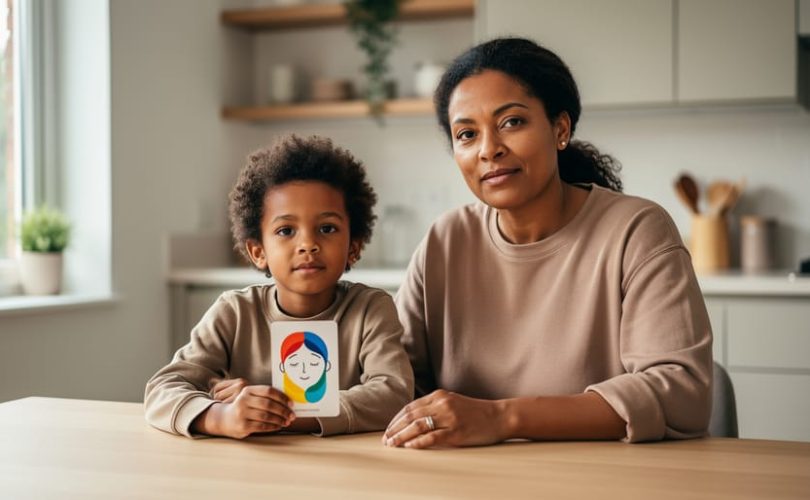
Emotional intelligence at Yale refers to the research-based framework developed by the Yale Center for Emotional Intelligence, most notably the RULER approach, a systematic method for recognizing, understanding, labeling, expressing, and regulating emotions in ourselves and others. Since its founding in 2013, the center has transformed how schools, families, and workplaces teach and practice emotional skills, grounding its work in decades of psychological research and real-world application.
If you’re a parent watching your child struggle to name what they’re feeling, or a teacher managing a classroom where conflicts escalate before anyone can pause, Yale’s framework offers something practical. It’s not abstract theory. The RULER approach breaks emotional intelligence into five concrete skills that children and adults can learn, practice, and use every day to improve relationships, academic performance, and mental well-being.
What makes Yale’s work distinctive is its focus on evidence. The center, led by founding director Marc Brackett, has published peer-reviewed studies showing that schools using RULER see measurable improvements in student behavior, classroom climate, and even academic achievement. Parents have access to these same tools through workshops, apps, and resources designed for home use.
This article walks through what Yale’s emotional intelligence framework actually is, how the RULER approach works step by step, the core components that make it effective, and how you can apply these strategies at home or in the classroom. You’ll learn why emotional vocabulary matters, how to create an emotionally intelligent environment, and what the research tells us about long-term outcomes for children who develop these skills early.
What Emotional Intelligence Means
Emotional intelligence is the ability to notice, understand, and work with emotions, both your own and other people’s. Think of it as a set of learnable skills that help children (and adults) navigate their inner world and social relationships more effectively. Rather than being naturally “good with feelings” or not, emotional intelligence develops through practice and guidance, much like reading or problem-solving.
At its heart, emotional intelligence involves four core abilities that children build over time. First, they learn to recognize emotions as they happen, noticing the flutter of nervousness before a test or the warmth of pride after helping a friend. Second, they develop understanding about what emotions mean and what triggers them, like realizing that frustration often signals a need for a break or that excitement can make it hard to sit still. Third, children learn to manage their feelings constructively rather than being overwhelmed by them, finding ways to calm down when angry or cheer themselves up when disappointed. Fourth, they discover how to use emotions as helpful information that guides choices and actions, such as recognizing when worry is signaling them to prepare more thoroughly or when enthusiasm shows them what they truly care about.
- Self-awareness
- The ability to identify your own emotions as they happen and understand how feelings affect your thoughts and behavior.
- Empathy
- Recognizing and understanding emotions in other people by reading facial expressions, tone of voice, and body language.
- Emotional regulation
- Managing strong feelings in healthy ways rather than being controlled by them, including calming strategies and coping skills.
- Social skills
- Using emotional understanding to communicate effectively, resolve conflicts, and build positive relationships with others.
In children, these skills unfold gradually across development. A preschooler might learn to name basic feelings like happy, sad, or mad. By elementary school, children can often identify more complex emotions like disappointment or jealousy and start connecting feelings to specific situations. Adolescents refine their ability to manage competing emotions and consider how their feelings affect others. Throughout this progression, emotional intelligence supports not just social success but academic growth too, children who understand their emotions can focus better, persist through challenges, and ask for help when they need it.
Yale’s Approach to Emotional Intelligence
The RULER Framework Explained
RULER is a step-by-step process that teaches children to become more skilled at handling their emotional world. Each letter represents a skill that builds on the last, creating a foundation children can use in any situation.
Recognizing comes first. This means noticing emotional cues in yourself and others, a clenched jaw, slumped shoulders, or a friend’s sudden quietness. A third-grader might recognize the tight feeling in their chest before a test. Without this awareness, children move through emotions without understanding what’s happening.
Understanding digs deeper into why emotions arise. That test anxiety might stem from worry about disappointing parents, or from not feeling prepared. A child learns that emotions carry information: frustration during math might signal needing help, not being “bad at math.”
Labeling gives children precise words beyond “good” or “bad.” Instead of just “upset,” they might identify feeling anxious, disappointed, or overwhelmed. This vocabulary matters, when a ten-year-old can say “I’m feeling excluded” rather than just acting out, adults can respond more helpfully.
Expressing teaches appropriate ways to communicate feelings. A kindergartener learns to say “I’m angry you took my toy” instead of hitting. The RULER evidence-based framework shows children how to match their expression to the situation and audience.
Regulating brings it all together, using strategies to manage emotions productively. A frustrated student might take three deep breaths, ask for a break, or talk through the problem. These aren’t about suppressing feelings but working with them skillfully.
Each skill strengthens the next, giving children a reliable process for navigating their emotional lives while learning.
How Emotional Intelligence Works in Children
Children develop emotional intelligence gradually, building on their growing brain development and social experiences. In early childhood, preschoolers begin to name basic feelings like happy, sad, or mad, though they often struggle to understand why they feel a certain way. Their emotional reactions are immediate and intense because the prefrontal cortex, the brain region responsible for impulse control and emotional regulation, is still developing.
As children grow, their emotional skills become more sophisticated. Elementary-age children start recognizing emotions in others through facial expressions and body language. They begin to understand that people can feel multiple emotions at once and that emotions have causes. This is when children benefit most from structured approaches like Yale’s RULER framework, learning to pause before reacting and choose how to express their feelings.
The progression looks different at each stage:
- Preschool (ages 3-5): Names basic emotions, begins to share and take turns, needs adult help to calm down
- Elementary (ages 6-11): Recognizes complex emotions like frustration or pride, uses words instead of tantrums, considers others’ feelings in friendships
- Middle school (ages 12-14): Understands mixed emotions, manages stress with strategies, navigates peer pressure and social hierarchies
- Teen (ages 15-18): Reflects on emotional patterns, regulates intense feelings more independently, makes decisions considering long-term emotional consequences
This developmental timeline matters because Emotion affects attention and learning at every age. When a child feels overwhelmed, anxious, or disconnected, their brain prioritizes survival over learning. The amygdala, which processes emotional threats, can essentially hijack the thinking brain, making it nearly impossible to focus on math problems or reading comprehension.
Conversely, when children feel emotionally secure and capable, their brains are primed for learning. Approaches like play-based learning naturally support emotional development by letting children practice emotional scenarios in low-stakes situations. They learn to negotiate, compromise, handle disappointment, and celebrate success through play.
The good news is that emotional intelligence skills can be taught and strengthened at any age. The brain remains remarkably adaptable, and children who receive consistent support in emotional learning catch up quickly.
Different Components of Emotional Learning
Emotional intelligence isn’t one single skill, it’s a collection of interconnected abilities that develop over time. Understanding these different components helps parents and educators recognize what specific areas a child might need support in, rather than seeing emotional struggles as one undifferentiated problem.
Self-awareness forms the foundation. This is a child’s ability to recognize their own emotions as they’re happening and understand what triggers them. A seven-year-old with strong self-awareness might notice, “I feel anxious when the classroom gets noisy,” while a child still developing this skill might just feel upset without knowing why. This awareness gives children the information they need to communicate their needs and ask for help.
Self-management builds on that awareness. Once children know what they’re feeling, they can learn strategies to handle those emotions constructively. This doesn’t mean suppressing feelings, it means choosing how to respond. A frustrated student might take deep breaths, ask for a break, or use a fidget tool rather than throwing their pencil.
Social awareness turns the focus outward. Children learn to pick up on other people’s emotions through facial expressions, tone of voice, and body language. This skill helps them navigate social situations and develop empathy. A child with strong social awareness notices when a classmate seems sad and might offer comfort.
Relationship skills combine self-awareness and social awareness into action. These are the abilities to communicate clearly, listen actively, cooperate with others, and resolve conflicts respectfully. In group projects, these skills determine whether collaboration flows smoothly or dissolves into arguments.
Responsible decision-making integrates all the other components. Children consider their own feelings, others’ perspectives, and potential consequences before acting. This thoughtful approach supports better choices academically and socially.
Each component strengthens the others, creating a web of emotional competence that supports both learning and development.
How Emotional Intelligence Supports Personalized Learning
Adapting to Individual Emotional Needs
Every child experiences and processes emotions differently, which means a learning approach that works beautifully for one student might overwhelm or underwhelm another. Some children shut down when they sense even mild academic pressure, while others thrive on challenge and need more stimulation to stay engaged. Recognizing these individual patterns is where personalized learning becomes truly powerful.
Teachers and parents can start by observing what triggers stress or frustration in a particular child. Does your daughter become anxious during timed activities but excel when given extra processing time? Does your son lose focus in noisy environments but concentrate deeply when wearing headphones? These observations reveal emotional needs that shape how a child learns best. Once identified, accommodations flow naturally: flexible pacing for the anxious student, quiet corners for the sensory-sensitive learner, movement breaks for the child who regulates through physical activity.
Motivation patterns matter just as much. One child lights up with verbal praise, another finds it embarrassing and prefers private acknowledgment. Some students are driven by curiosity and open-ended exploration, others need clear structure and concrete goals to feel secure. Personalized learning tech can help track these preferences and adapt content delivery accordingly, but the human element remains essential, noticing when a child’s eyes glaze over or when they suddenly lean in with interest tells you whether your approach is connecting.
Creating Emotionally Safe Learning Spaces
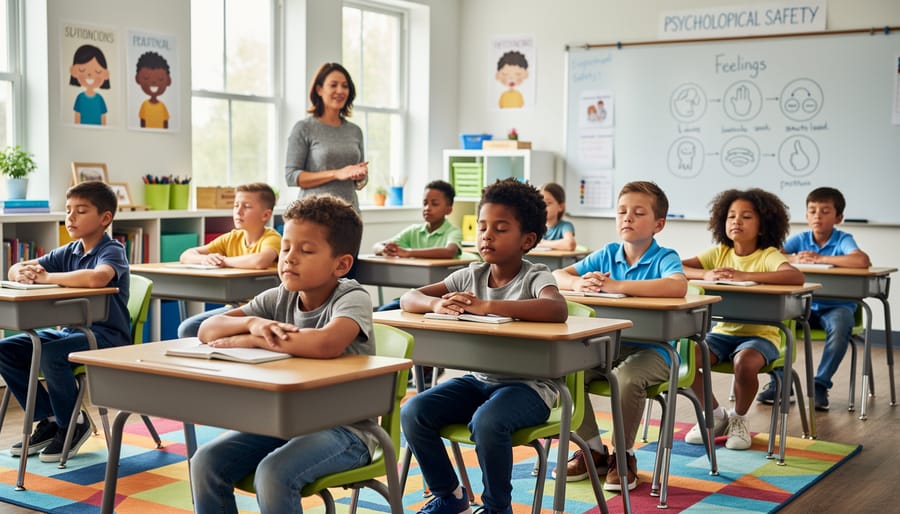
Emotional safety isn’t a nice-to-have, it’s the foundation that makes learning possible. When children feel emotionally secure, their brains can focus on curiosity and problem-solving rather than scanning for threats or managing anxiety.
Yale’s RULER framework recognizes that personalized learning only works when students trust their environment enough to be vulnerable. This means creating spaces where expressing confusion isn’t embarrassing, where mistakes are treated as information rather than failures, and where all emotions have room to exist without judgment.
In practice, emotionally safe classrooms establish clear expectations for how people treat each other, use consistent routines that reduce uncertainty, and give students multiple ways to communicate their needs. Teachers trained in Yale’s approach model their own emotion regulation, showing children that adults also experience and manage difficult feelings.
At home, emotional safety looks like parents responding calmly to big feelings, validating struggles without immediately solving them, and maintaining connection even during conflicts. When children know their emotional experiences won’t be dismissed or punished, they develop the confidence to stretch beyond their comfort zones, the very place where meaningful learning happens.
Using Emotional Intelligence Tools at Home and School
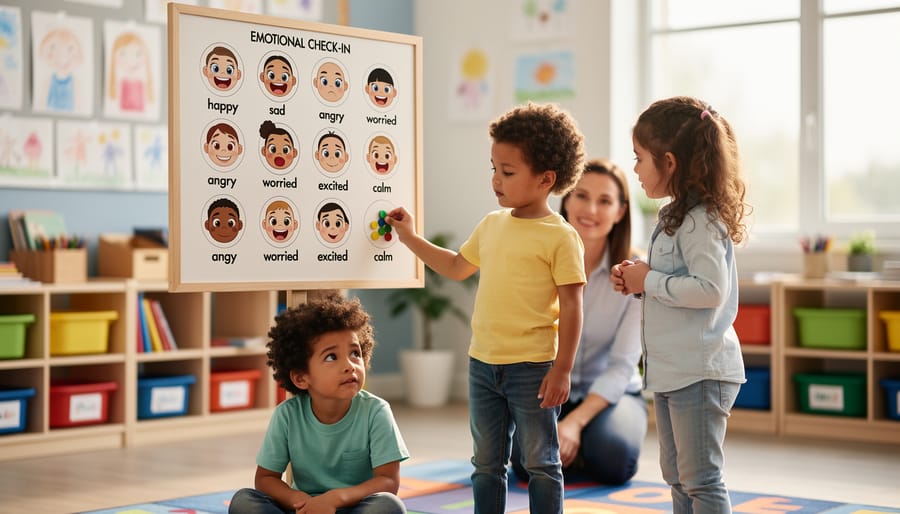
Yale’s emotional intelligence research translates into simple, powerful practices you can use every day. The beauty of the RULER approach is that it doesn’t require special materials or dramatic changes, just consistent attention to emotions as they arise.
Start with the Mood Meter, Yale’s signature tool. This color-coded chart helps children identify how they’re feeling by plotting their emotions on two dimensions: pleasantness and energy. Print one for the refrigerator and check in during breakfast or after school. Ask, “Where are you on the Mood Meter right now?” rather than a generic “How was your day?” This gives kids specific language and visual support for naming their internal state. Teachers can use classroom Mood Meters for group check-ins, creating a shared emotional vocabulary.
Build in Meta-Moments throughout your routine. When you notice yourself getting frustrated, maybe homework battles are escalating, pause and name it: “I’m feeling stressed right now. I need a Meta-Moment.” This models the pause-and-reflect skill Yale research shows is crucial for emotional regulation. Children learn that even adults need breaks to reset. At school, teachers can designate a calm-down corner with breathing prompts or fidget tools where students practice their own Meta-Moments.
Use emotion-rich conversation starters at transitions. During car rides or dinner, try: “What made you feel proud today?” or “When did you notice someone else feeling left out?” These questions practice the Recognizing and Understanding components of RULER without feeling like a lesson. Technology can extend these practices, VR emotion practice and digital emotion tools offer engaging ways for children to explore feelings in safe scenarios.
Create a Feelings Vocabulary wall or journal. Yale emphasizes moving beyond “good” and “bad” to nuanced words like frustrated, overwhelmed, content, or excited. Add new emotion words weekly. When your child uses one accurately, celebrate it: “You said you felt ‘disappointed’ instead of just ‘sad.’ That’s exactly right.”
For quick brain breaks that support emotional awareness, try 2-minute neuroscience videos that help kids understand what’s happening inside their heads during big feelings. Understanding the “why” behind emotions makes them less scary.
The key is consistency, not perfection. Pick one or two strategies and practice them daily until they become natural parts of your family or classroom culture.
When to Seek Additional Support

While emotional intelligence skills help most children manage their feelings and thrive in learning environments, some kids face challenges that require additional professional support. Recognizing these signs early helps children get the care they need.
Consider reaching out to a mental health professional if your child’s emotional struggles persist despite consistent support, or if they’re significantly impacting daily life. Warning signs include persistent sadness or withdrawal lasting more than two weeks, extreme mood swings that seem disproportionate to situations, or intense anxiety that prevents participation in normal activities. Physical complaints like frequent stomachaches or headaches without medical cause often signal emotional distress.
Pay attention to changes in learning and behavior. A sudden drop in academic performance, complete avoidance of school or social situations, aggressive outbursts that escalate in frequency or intensity, or statements about self-harm all warrant professional evaluation. Trust your instincts. You know your child best, and if something feels off, it’s worth exploring.
Start with your pediatrician, who can rule out medical causes and provide referrals. School counselors often know local resources and can coordinate support. Licensed therapists specializing in children can teach coping strategies and address underlying issues that emotional intelligence tools alone can’t resolve.
Remember, seeking help isn’t a failure of parenting or teaching. It’s an extension of supporting your child’s growth, just as you’d consult a specialist for a persistent physical concern.
Frequently Asked Questions
At what age should I start teaching my child emotional intelligence skills?
You can begin fostering emotional awareness as early as toddlerhood by naming feelings and modeling healthy responses. The RULER framework adapts to different developmental stages, so there’s no “too early” to start simple conversations about emotions.
How long does it take to see changes in my child’s emotional skills?
Most families notice small shifts within weeks, like children starting to name their feelings or pause before reacting. Deeper changes in self-regulation and empathy typically unfold over months as skills become habits through consistent practice.
What if my child’s school doesn’t use Yale’s RULER approach?
You can still apply these principles at home by using mood check-ins, teaching feeling vocabulary, and practicing regulation strategies together. Many parents find that even without formal school programs, home-based emotional learning makes a meaningful difference in their child’s ability to handle challenges.
Can emotional intelligence skills help with academic struggles?
Yes, because strong emotional regulation helps children manage frustration, stay focused, and persist through difficult tasks. When kids can recognize stress or confusion and use healthy coping strategies, they’re better equipped to engage with learning material and ask for help when needed.
These questions reflect what parents and teachers encounter as they begin incorporating emotional intelligence practices into daily routines. Remember that every child develops at their own pace, and what matters most is creating consistent opportunities to practice these skills in real moments. If you’re seeing signs of significant emotional distress that interfere with daily functioning or learning despite your best efforts, that’s when reaching out to a mental health professional becomes important. The goal isn’t perfection but progress, building your child’s emotional toolkit one interaction at a time.
The most encouraging truth about emotional intelligence is that it grows with practice. Your child’s ability to recognize, understand, and manage emotions isn’t something they’re born with or without. It’s a collection of skills they can learn and strengthen over time, just like reading or riding a bike.
Yale’s research shows that even small, consistent efforts make a real difference. A daily check-in about feelings. Pausing to name an emotion when it surfaces. Modeling how you handle frustration or disappointment. These moments accumulate. They build the neural pathways that help children navigate their inner world and connect with others.
You don’t need to be perfect at this. Children benefit when the adults around them are simply trying, noticing, and growing alongside them. When you acknowledge your own emotional struggles openly, you teach your child that everyone has feelings and that managing them is a lifelong process, not a destination.
The foundation you’re building now reaches far beyond test scores or report cards. Children who develop emotional intelligence carry those skills into relationships, careers, and their own parenting someday. They learn to ask for help when they need it. They recover from setbacks. They treat themselves and others with compassion.
Every conversation about feelings, every deep breath taken together, every moment you help your child understand what’s happening inside them matters more than you might realize. You’re giving them tools they’ll use for the rest of their lives.