Art therapy gives children a safe, wordless way to process big feelings and build emotional resilience through creative expression. When everyday stress, school challenges, or life changes overwhelm a child’s ability to talk about what’s happening inside, creative activities like drawing, painting, and sculpting offer an alternative language for emotions that don’t yet have words.
You don’t need special training to bring therapeutic art into your home. Simple materials and a calm, judgment-free space can help your child move through difficult moments, develop healthy coping strategies, and feel more in control of their emotional world. The key is creating opportunities for expression without pressure for the art to look a certain way or mean something specific.
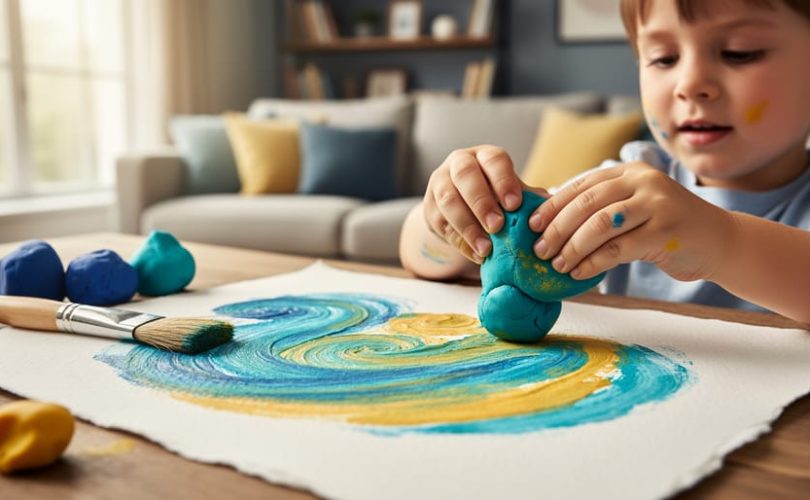
Research shows that creative activities can help reduce stress responses in children while activating areas of the brain associated with reward and emotional regulation. When a child squeezes clay during a frustrating day or paints swirling colors to show how they feel, they’re not just making art. They’re building neural pathways that support emotional flexibility and self-awareness.
This guide walks you through practical ways to use art therapy techniques at home. You’ll learn which materials work best for different emotional needs, how to set up activities that feel safe and supportive, what to say (and what not to say) while your child creates, and when to recognize that professional support might be helpful.
What Art Therapy Can Do for Your Child’s Resilience
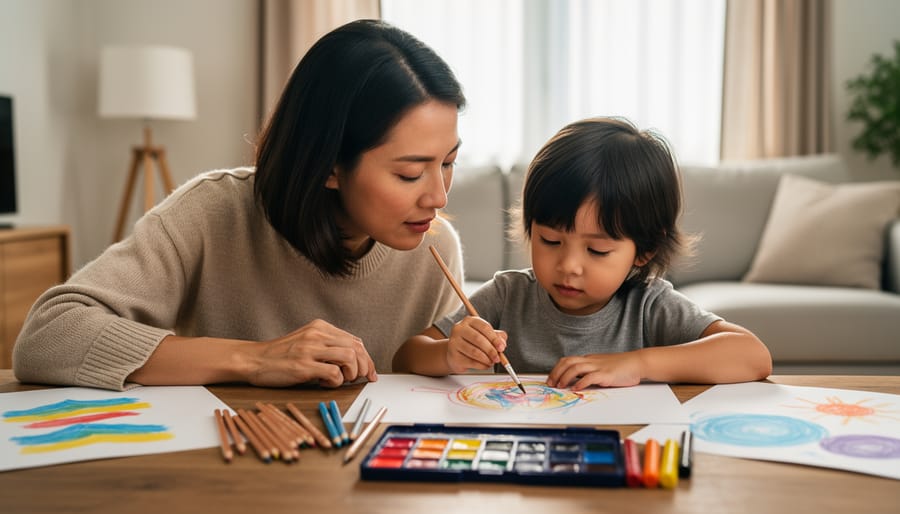
Art therapy gives children a safe way to work through difficult emotions without needing the right words. When your child draws, paints, or sculpts, they’re processing feelings that might feel too big or confusing to talk about. This creative outlet helps them make sense of overwhelming experiences and builds their capacity to handle future challenges.
Through regular art activities, children develop stronger emotional regulation skills. The focused, repetitive motions of coloring, painting, or molding clay can calm an anxious mind and provide a healthy distraction during stressful moments. Your child learns to redirect intense feelings into something tangible they can control, which builds confidence in their ability to manage emotions.
Self-expression through art helps children understand themselves better. As they create, they discover what makes them happy, what worries them, and what they value. This self-awareness is foundational to resilience because children who understand their emotional landscape can better navigate it. They learn to recognize early warning signs of stress and develop personalized coping strategies.
Art activities also build problem-solving skills that extend beyond the canvas. When your child figures out how to mix colors, fix a mistake in their drawing, or bring an idea to life with limited materials, they’re practicing flexible thinking. They learn that mistakes can become part of the creative process rather than failures, which changes how they approach challenges elsewhere in life.
Perhaps most importantly, art therapy builds confidence through achievement. Every completed project, no matter how simple, proves to your child that they can start something and see it through. This sense of competence strengthens their belief in their own abilities, making them more willing to try new things and bounce back when life gets hard.
Art Supplies and Materials You’ll Need

Age-Appropriate Material Considerations
Toddlers and preschoolers (ages 2-5) do best with large, easy-to-grip materials like jumbo crayons, washable markers, and finger paints. At this stage, focus on sensory exploration rather than creating recognizable art. Avoid small items that pose choking risks, and choose non-toxic supplies since young children often put things in their mouths. Large sheets of paper, play dough, and safe collage materials like torn paper or fabric scraps work well for developing fine motor skills alongside emotional expression.
Elementary-age children (ages 6-11) can handle standard art supplies like colored pencils, watercolors, and child-safe scissors. This age group benefits from materials that allow more control and detail as they begin creating more representational work. Clay, beads for jewelry making, and simple printmaking materials engage their growing problem-solving abilities. They’re ready for activities with multiple steps but still need supervision with potentially messy or sharp materials.
Teens (ages 12+) can use adult art supplies safely and often prefer materials that feel “real” rather than childish. Acrylic paints, charcoal, ink pens, and digital art tools match their desire for sophisticated expression. Offer choices so they feel ownership over their creative process. Teens dealing with intense emotions may gravitate toward materials that allow bold, physical expression like large canvases or sculpture, while others prefer detailed, controlled work like zentangle patterns or digital design.
Safety Considerations and When to Seek Professional Help
Art materials can pose physical risks, especially for younger children. Paints, markers, and glues should be labeled non-toxic and AP Certified by the Art and Creative Materials Institute. Keep choking hazards like small beads, buttons, or tiny collage pieces away from children under three. If your child has known allergies, check ingredient labels carefully, some clays contain wheat, and certain paints include latex. Store sharp tools like scissors and craft knives safely, and supervise their use based on your child’s age and coordination.
Emotional safety matters just as much. Art can bring up intense feelings your child isn’t ready to process alone. If your child becomes distressed during an activity, pause and offer comfort without forcing them to explain. Let them stop whenever they need to. Parent-led art activities work well for everyday stress, building confidence, and learning to name emotions. They’re a supportive tool, not a replacement for professional care.
Recognize when home activities aren’t enough. Seek professional help if your child experiences ongoing nightmares, refuses school repeatedly, withdraws from friends and family, talks about death or suicide, or shows extreme mood swings. The Cleveland Clinic outlines additional signs your child needs therapy that parents should watch for. Licensed art therapists have specialized training in both mental health and creative expression. They know how to guide children through complex emotional territory safely and can address deeper issues that require clinical expertise.
Your role as a parent is to create space for healthy expression and growth, not to diagnose or treat mental health conditions. Trust your instincts. If you’re worried about your child’s emotional state, reaching out for professional guidance is always the right choice.
Step-by-Step: Starting Art Therapy Activities at Home
Specific Art Activities That Build Resilience

Here are five evidence-backed activities you can start today, each targeting specific resilience skills:
Emotion Color Wheel: Give your child a circle divided into segments and ask them to fill each section with a color representing different feelings they’ve experienced recently. This simple activity builds emotional awareness and vocabulary, helping children identify and name what they feel instead of being overwhelmed by big emotions. Once complete, keep the wheel visible so your child can point to colors when they’re struggling to express themselves verbally.
Worry Stones or Anxiety Rocks: Have your child paint smooth stones with images or words representing their worries, then place them in a “worry jar” or special box. This externalizes anxious thoughts, giving children a sense of control. When worries feel manageable, they can remove stones from the jar. The physical act of containing worries helps kids understand that difficult feelings don’t have to consume them.
Gratitude Art Journal: Set aside time weekly for your child to draw, collage, or paint one thing they’re grateful for. This builds optimism and positive thinking patterns, core elements of resilience. You don’t need fancy supplies, construction paper and markers work perfectly. The consistency matters more than artistic skill.
Self-Portrait Series: Every few months, ask your child to create a self-portrait showing how they see themselves. Over time, these portraits reveal growth in self-concept and confidence. Children often include details reflecting their developing coping skills and interests, making this a powerful tool for recognizing personal progress.
Mindfulness Coloring: Use simple mandala or pattern coloring sheets paired with deep breathing. This combines focused attention with calming repetitive motion, teaching self-regulation skills. Set a timer for ten minutes and color alongside your child to model the practice.
Start with whichever activity most appeals to your child’s interests and emotional needs right now.
How to Talk With Your Child During Art Activities
Your words during art time shape how your child learns to understand their own emotions. The goal is to create space for them to process feelings through their art without directing what they should think or feel.
Start with open-ended questions that invite exploration rather than yes-or-no answers. Try “Tell me about what you’re making” or “What does this color make you feel?” instead of “Is that a happy picture?” These questions let your child lead the conversation and discover their own insights.
Practice reflective listening by noticing out loud what you see without judgment. “I see you used a lot of red here” or “You’re pressing really hard with that crayon” acknowledges their choices without imposing meaning. If they share something, reflect it back: “It sounds like that situation made you feel frustrated.”
Avoid rushing to fix, interpret, or praise. When a child draws a storm, resist saying “But look, there’s sunshine too!” This dismisses their current emotional truth. Similarly, “That’s so pretty!” can make them focus on pleasing you rather than expressing themselves. Instead try “You really focused on that detail” or simply sit with them in comfortable silence.
Watch for opportunities to name emotions together. “Some kids feel worried when that happens. I wonder what you felt?” This builds emotional vocabulary without putting words in their mouth. You might also gently address patterns like negative self-talk if it emerges: “I notice you said you’re bad at this. What would you tell a friend who made something like yours?”
The most powerful thing you can say is often “Thank you for sharing this with me.” It validates their courage in expressing difficult feelings.
Recognizing Progress and When to Adjust Your Approach

Progress looks different for every child, and resilience builds gradually rather than overnight. You might not see dramatic shifts right away, but small changes over weeks and months signal that art activities are making a difference.
Watch for these signs that your child is developing stronger emotional resilience:
- They name feelings more precisely instead of just saying “fine” or “bad”
- They recover more quickly from disappointments or setbacks
- They ask to do art activities when they’re upset or anxious
- Their artwork shows more varied themes and emotions rather than repetitive patterns
- They talk more openly about challenges while creating
- They show increased willingness to try new techniques or materials
- Their body language appears more relaxed during and after art sessions
- They connect their artwork to real-life situations without prompting
Keep a simple record of your observations. Take photos of finished pieces with dates and brief notes about your child’s mood or any comments they made. After a month, review these together. You might notice patterns neither of you spotted day-to-day.
If certain activities consistently frustrate your child or they seem stuck in repetitive themes without any shift, try something different. A child who resists painting might thrive with clay. Someone overwhelmed by blank pages might prefer collage or structured prompts. Adjust the difficulty level too. Activities that are too simple bore children; ones that are too complex create stress instead of relieving it.
When progress stalls after initial gains, that’s normal. Resilience develops in waves, not straight lines. Continue regular sessions but introduce fresh materials or themes. Sometimes stepping back to easier, more playful activities helps before tackling deeper emotional work again.
If your child’s distress increases, they show concerning behavioral changes, or you feel out of your depth, seek a licensed art therapist or child mental health professional. Home art activities complement professional support beautifully but aren’t a replacement when a child needs specialized intervention.
Common Questions Parents Ask About Art Therapy
Does my child need to be good at art for this to work?
Not at all. Art therapy focuses on the process of creating, not the final product. The goal is emotional expression and building coping skills, which happens regardless of artistic talent or technique.
How often should we do art therapy activities?
Start with 15-20 minutes two to three times per week, then adjust based on your child’s interest and response. Consistency matters more than duration, and daily brief sessions can work better than weekly long ones for some children.
Can art therapy replace professional counseling?
Home art activities complement but don’t replace professional therapy when a child is struggling with significant trauma, mental health conditions, or persistent behavioral concerns. Think of creative activities as one tool in your resilience-building toolkit alongside other supports.
How do I adapt activities for different ages?
Toddlers need simple sensory experiences like finger painting, while school-age children can handle emotion wheels and narrative drawings. Teens often respond better to mixed media, photography, or digital art that feels less childish while still providing emotional outlets.
Parents also wonder whether art therapy works alongside other approaches their child might be using. Creative activities integrate well with talk therapy, medication, school counseling, and other interventions. The role of play and creative expression in child development means art activities support rather than conflict with other therapeutic work.
If your child has sensory sensitivities, ADHD, autism, or other neurodevelopmental differences, you can absolutely modify art therapy activities to fit their needs. Choose materials that match their sensory preferences, keep sessions shorter if needed, offer movement breaks, and let them guide the pace. Some children with processing differences find art therapy particularly helpful because it bypasses verbal expression demands while still building emotional skills.
You’ve now got a simple toolkit and practical steps to help your child build emotional resilience through art. The beauty of this approach is that you don’t need special training or expensive materials to start, just a willingness to create space for your child’s feelings and a few basic supplies.
Start with one activity that feels manageable. Maybe that’s ten minutes of drawing together after school, or setting out clay when your child seems overwhelmed. There’s no perfect way to do this, and your child doesn’t need to create masterpieces. What matters is the process: the chance to express what’s hard to say, to experiment with feelings in a safe format, and to know you’re there without judgment.
Be patient with both your child and yourself. Building resilience takes time, and progress often shows up in small moments, a calmer response to frustration, a new way of describing feelings, increased willingness to try difficult things. Trust your instincts about what your child needs, and don’t hesitate to adjust activities based on their response.
Remember that home art activities are a valuable part of supporting your child’s emotional growth, but they’re not a replacement for professional help when it’s needed. If you’re concerned about your child’s emotional wellbeing or if challenges persist, a licensed therapist can provide specialized support.
Your role in your child’s emotional development is profound. By creating opportunities for creative expression, you’re teaching them that their feelings matter, that they have tools to cope with difficulty, and that they’re not alone in navigating hard emotions.