
Neurodiversity in education recognizes that differences in how students think, learn, and process information (including ADHD, autism, dyslexia, and other variations) are natural forms of human diversity rather than deficits to be fixed. This shift means schools focus on adapting teaching methods and environments to support each child’s strengths, rather than forcing every student into a single mold of “normal” learning.
For parents discovering their child learns differently, this approach offers hope and practical pathways forward. Teachers committed to reaching every student gain concrete strategies to make classrooms genuinely inclusive. The framework matters because roughly one in five children shows some form of neurodivergence, yet traditional educational systems were built assuming everyone learns the same way.
Understanding neurodiversity changes everything about how we structure support. Instead of viewing a child who fidgets as disruptive, we might recognize their need for movement to focus. A student who struggles with busy classrooms isn’t being difficult; they’re managing sensory input differently. These aren’t problems to eliminate but differences to accommodate.
Maria, a third-grade teacher in Portland, watched this perspective transform her classroom. “When I stopped trying to make my autistic student maintain constant eye contact and instead let him listen while drawing, his participation soared,” she shares. “He was always capable. I just needed to remove the barrier I’d created.”
The practical question becomes: how do schools, families, and communities actually implement neurodiversity-affirming practices? What rights do students have, and where can families turn when systems fall short?
What Neurodiversity in Education Means
Neurodiversity recognizes that human brains naturally develop and function in diverse ways, and that neurological differences like ADHD, autism, dyslexia, and dyspraxia represent normal variations rather than defects to be fixed. This perspective, coined by sociologist Judy Singer in the 1990s, shifts the conversation from “what’s wrong with this child” to “how can we create environments where different kinds of minds thrive.” In educational contexts, embracing neurodiversity means acknowledging that there’s no single “normal” way to learn, process information, or demonstrate knowledge.
Common neurodivergent profiles you’ll encounter in classrooms include ADHD (affecting attention regulation and impulse control), autism (impacting social communication and sensory processing), dyslexia (affecting reading and language processing), dyscalculia (involving mathematical reasoning), and dysgraphia (impacting writing). Some students have multiple overlapping conditions. Others might not fit neatly into diagnostic categories yet still learn differently from their peers.
What makes education truly neurodiversity-inclusive isn’t just accommodating diagnosed conditions. It’s designing learning experiences that work for varied brains from the start. Instead of a one-size-fits-all lecture followed by a written test, inclusive classrooms offer multiple ways to access information (visual, auditory, hands-on) and demonstrate understanding (presentations, projects, discussions, traditional tests). A student with ADHD might benefit from movement breaks, but many neurotypical students learn better with them too.
The shift from deficit-based to strength-based thinking changes everything. Traditional approaches pathologize differences: “This student can’t sit still” or “This child doesn’t make eye contact.” Strength-based educators reframe: “This student thinks while moving” or “This child processes conversations better without the cognitive load of eye contact.” When educators develop neuro knowledge about how different brains work, they stop trying to force square pegs into round holes and start building classrooms with openings for many shapes.
This doesn’t mean lowering standards. It means recognizing that a dyslexic student struggling with reading might excel at spatial reasoning, or that an autistic student’s intense focus could drive remarkable depth of knowledge in their interest areas. Neurodiversity-inclusive strategies honor these differences while teaching all students the skills they need.
Which Students Qualify for Neurodiversity-Inclusive Support
Understanding who qualifies for neurodiversity-inclusive support requires recognizing that there’s a spectrum of support levels, from formal legal accommodations to universal design strategies that benefit everyone.
Formal Accommodations: Who Qualifies
Two primary legal pathways provide formal accommodations in US schools. An Individualized Education Program (IEP) serves students with disabilities that significantly impact educational performance, requiring specialized instruction under the Individuals with Disabilities Education Act (IDEA). Qualifying conditions include autism, ADHD, specific learning disabilities like dyslexia, intellectual disabilities, and other impairments that affect learning. Students receive an IEP after comprehensive evaluation by the school’s multidisciplinary team.
A 504 plan, under Section 504 of the Rehabilitation Act, covers students whose disability substantially limits one or more major life activities, including learning. This broader definition means students who don’t need specialized instruction but do need accommodations can qualify. Many students with ADHD, anxiety disorders, or mild processing differences receive 504 plans rather than IEPs.
| Support Type | Eligibility | What It Provides |
|---|---|---|
| IEP | Disability impacting educational performance; needs specialized instruction | Individualized goals, specialized services, accommodations, legal protections |
| 504 Plan | Disability limiting major life activities; needs accommodations but not specialized instruction | Classroom accommodations, modifications, equal access protections |
| Universal Design | All students, no diagnosis required | Flexible learning environments, multiple means of engagement, proactive classroom supports |
Beyond Formal Diagnoses
Here’s what many parents and educators miss: neurodiversity-inclusive strategies aren’t limited to students with formal diagnoses. Universal Design for Learning (UDL) and inclusive classroom practices benefit all learners, regardless of whether they have an IEP, 504 plan, or any identified condition.
Students who struggle with focus, organization, sensory processing, or social communication but don’t meet diagnostic thresholds still benefit from flexible seating, visual schedules, movement breaks, and multi-modal instruction. Teachers can implement these approaches schoolwide without waiting for evaluations or documentation. A student doesn’t need a label to benefit from being allowed to fidget, take notes in different formats, or have instructions presented visually and verbally.
This matters because many neurodivergent students go undiagnosed, particularly girls with ADHD, students from marginalized communities with less access to evaluations, and kids who compensate well enough to avoid triggering formal assessments. Creating universally inclusive classrooms means no child falls through the cracks while waiting for paperwork.
How to Implement Neurodiversity-Inclusive Strategies in Your Classroom or School
For Parents: Starting the Conversation
Starting a conversation with your child’s school about neurodiversity can feel daunting, but you’re your child’s most important advocate. Begin by documenting specific observations: When does your child struggle? What helps them succeed? Concrete examples carry more weight than general concerns.
Schedule a meeting with your child’s teacher first. Come prepared but collaborative. You might say, “I’ve noticed Maya has trouble staying organized with multi-step assignments. Have you observed similar challenges?” This opens dialogue rather than putting educators on the defensive.
If initial conversations don’t lead to support, request a formal evaluation in writing. Send an email or letter to the school principal stating: “I am formally requesting an educational evaluation for [child’s name] to determine eligibility for special education services or accommodations under Section 504.” Schools must respond within a specific timeframe once you make a written request.
Bring data to meetings. Share observations from home, samples of your child’s work, and notes from healthcare providers if available. But remember, you don’t need a diagnosis to request accommodations. If your child is struggling academically or socially, that’s enough reason to explore support.
Expect the process to take time. Initial evaluations typically require 60 days. Meanwhile, ask what informal supports the teacher can provide immediately. Most educators want to help but may need specific suggestions.
Document everything. Keep copies of emails, meeting notes, and any plans developed. This creates a record and helps you track what’s working.
For Educators: Practical Classroom Adaptations

Teachers already juggling full classrooms and packed curricula often worry that neurodiversity-inclusive strategies require complete overhauls. The reality is simpler: small, intentional changes create disproportionate benefits for neurodivergent students while improving the learning environment for everyone.
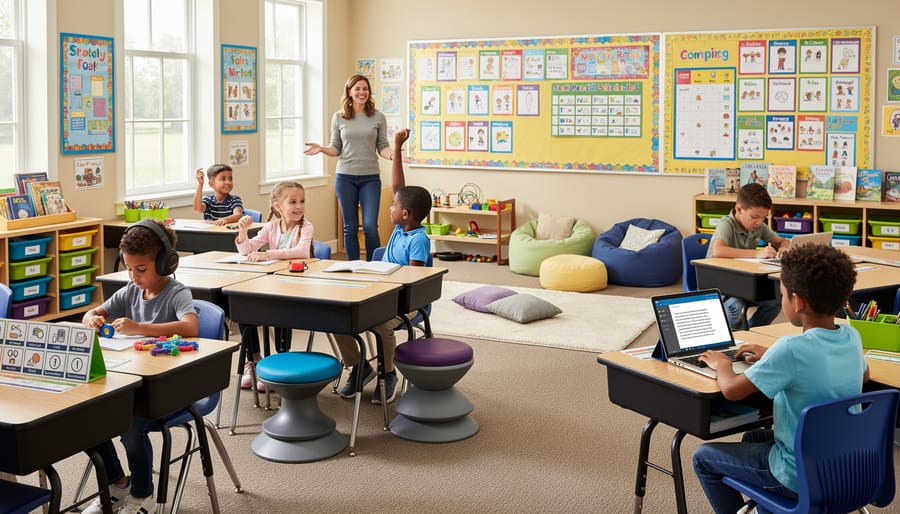
Start with flexible seating, which costs little but addresses varied sensory and attention needs. Wobble cushions, standing desks, floor cushions, or simply allowing students to move between spaces lets learners self-regulate. A student with ADHD might focus better standing at the back during direct instruction, while an autistic student may prefer a consistent corner seat away from fluorescent lights. Rather than assigning seats permanently, create zones students can choose based on task demands and their current needs.
Multi-modal instruction ensures information reaches students through multiple channels. When teaching a concept, combine verbal explanation with visual diagrams, hands-on manipulation, and written text. Record lessons so students who need extra processing time can revisit them. This isn’t about doing four times the work, it’s about presenting core content in varied formats simultaneously. An audio recording of your lecture takes minutes to create but transforms access for students with reading difficulties or those who process auditory information more effectively.
Here are immediately implementable strategies organized by what they address:
- Sensory supports: Offer noise-canceling headphones during independent work, allow fidget tools that don’t distract others, provide alternative lighting options like desk lamps
- Executive function scaffolding: Break assignments into smaller checkpoints with individual deadlines, use visual timers for transitions, provide checklists that make implicit steps explicit
- Social accommodations: Offer alternative participation methods (written responses instead of raising hands), create structured partner selection rather than self-selection, teach social expectations explicitly rather than assuming students infer them
- Academic flexibility: Allow typed responses for students who struggle with handwriting, provide sentence starters or graphic organizers, offer choice in how students demonstrate mastery (presentation, written report, video, model)
The key is removing barriers without lowering expectations. A student who types an essay instead of handwriting it still demonstrates writing skill, you’ve simply eliminated a motor challenge that obscured their actual knowledge. Similarly, giving a student with autism extra processing time before calling on them doesn’t reduce rigor; it creates equitable access to show what they know.
Track what works through simple observation rather than complex data systems. Notice which students gravitate toward which accommodations and whether focus, participation, or work completion improves. Many teachers find that strategies intended for neurodivergent students become classroom favorites, everyone benefits from clear instructions, flexible deadlines, and choice in demonstration methods.
Rights, Responsibilities, and What Schools Must Provide

Understanding your rights and the school’s obligations is crucial when advocating for neurodivergent students. Three main legal frameworks protect these students in the United States: the Individuals with Disabilities Education Act (IDEA), Section 504 of the Rehabilitation Act, and the Americans with Disabilities Act (ADA). IDEA requires schools to provide a free appropriate public education (FAPE) to students with disabilities, including individualized education programs (IEPs) tailored to each child’s needs. Section 504 and the ADA mandate reasonable accommodations for students whose disabilities substantially limit major life activities, including learning.
Schools must provide specific supports once a student qualifies. For students with IEPs, this includes specialized instruction, related services (like speech therapy or occupational therapy), and accommodations that allow them to access the curriculum. These might involve extended time on tests, preferential seating, breaks for movement, or assistive technology such as learning technology or e-learning games that match different learning styles. Schools must also allow parents to participate meaningfully in the evaluation and planning process, provide written notice before making changes to services, and offer dispute resolution mechanisms if disagreements arise.
Parents carry the responsibility to communicate openly with schools about their child’s needs, attend meetings, and follow through on agreed-upon strategies at home. Schools must implement the accommodations and services outlined in IEPs or 504 plans with fidelity, train staff appropriately, and monitor progress regularly. Students, depending on their age and ability, should learn to self-advocate by understanding their own learning profiles and communicating what helps them succeed.
The system works best when everyone views accommodations not as special treatment but as necessary tools for equal access. Schools can integrate supports like VR for emotions training or emotional intelligence programs that benefit all learners while addressing specific needs. If schools fail to meet their legal obligations, parents can file complaints with the state education agency or request mediation and due process hearings, though maintaining collaborative relationships typically yields better outcomes for students.
Common Neurodiversity-Inclusive Strategies That Work
Universal Design for Learning (UDL) forms the foundation of effective neurodiversity-inclusive education. Rather than retrofitting accommodations for individual students, UDL builds flexibility into lesson design from the start. This means offering multiple ways to present information (visual slides, verbal explanation, hands-on demonstration), multiple ways for students to engage with material (discussion, independent work, partner activities), and multiple ways to demonstrate learning (written tests, oral presentations, projects, portfolios).
Executive function scaffolding helps students who struggle with planning, organization, and task initiation. Break assignments into smaller steps with clear deadlines for each component rather than one distant due date. A middle school teacher might chunk a research project into: topic selection (Monday), three sources found (Wednesday), outline completed (Friday), first draft (next Tuesday). Visual timers, written schedules, and checklists reduce the cognitive load of remembering what comes next. One fifth-grade classroom uses individual “launch pads” where students keep today’s materials and a simple checklist of morning tasks, eliminating the overwhelm of figuring out where to start.
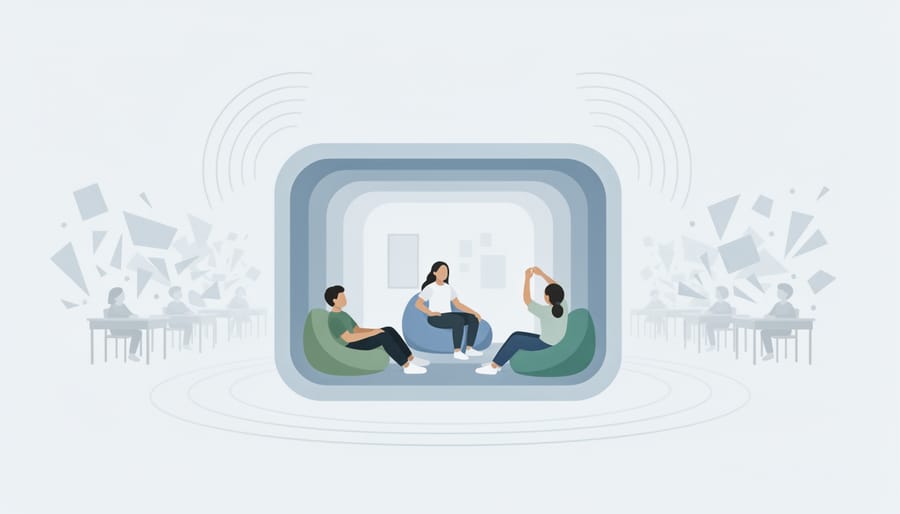
Sensory supports address the reality that traditional classrooms can be overwhelming or under-stimulating. Flexible seating options (wobble stools, standing desks, floor cushions, traditional chairs) let students choose what helps them focus. Noise-canceling headphones, fidget tools, and designated movement breaks honor different sensory needs. A high school implemented “sensory stations” in each classroom with items students can access freely: stress balls, textured objects, gum, earplugs. Behaviour incidents dropped while engagement increased.
Flexible assessment methods recognize that a student’s knowledge isn’t limited by their ability to perform in one format. Allow students to show understanding through written essays, oral explanations, visual presentations, demonstrations, or creative projects. Digital supports like speech-to-text, graphic organizers, and video recording tools expand how students can express their learning.
Social-emotional learning adaptations include explicit teaching of skills that neurotypical students might pick up implicitly. Use social scripts, visual cues for transitions, and clear behavioural expectations posted visually. One elementary teacher created a “feelings check-in” chart where students move their name clip to show their current state (focused, wiggly, frustrated, tired), helping both teacher and student recognize when a break or strategy shift is needed.
Where to Get Help and Additional Resources
Finding the right support can make all the difference when implementing neurodiversity-inclusive strategies. Start with your school’s special education department, which coordinates evaluations, IEPs, and 504 plans. School psychologists can conduct assessments and recommend accommodations, while guidance counselors often help navigate the process and connect families with external resources.
For formal evaluations outside of school, contact your state or county’s child study team or educational services commission. Many communities have neuropsychologists and developmental pediatricians who specialize in learning differences, though waiting lists can be long and costs vary widely. Some universities with psychology or education programs offer low-cost assessments through their clinics.
- Parent advocacy organizations: Parent Training and Information Centers (PTIs) in every state provide free guidance on special education rights and processes
- National support networks: offers comprehensive resources for learning differences; CHADD supports families and educators dealing with ADHD; Autism Speaks and the Autistic Self Advocacy Network provide autism-specific guidance
- Professional development for educators: provides free UDL training modules; regional educational service agencies offer workshops on inclusive practices
- Legal assistance: explains special education law in plain language; local disability rights organizations offer advocacy support
- Community connections: Local chapters of Learning Disabilities Association of America (LDA) and similar groups host support meetings and resource fairs
Many pediatricians can provide initial evaluations and referrals to specialists. Your health insurance’s behavioral health line can identify covered providers, though not all neuropsychologists accept insurance. Check if your employer offers an Employee Assistance Program, which sometimes covers assessment costs.
Online communities like Reddit’s r/specialed and various Facebook groups connect parents and educators navigating similar challenges. While these aren’t substitutes for professional guidance, they offer practical wisdom and emotional support from people who truly understand the journey. Your school district’s website should list contact information for special services, and state education department websites maintain directories of approved evaluators and support agencies.
How to Apply or Complete the Process
If your child needs formal support, the process typically starts with a written request to your school’s special education department or principal. Be specific: “I’m requesting an evaluation for special education services under IDEA” or “I’m requesting a 504 plan evaluation.” Schools have timelines, usually 60 days, to respond and complete initial assessments.
The school will assemble a team that includes you, teachers, specialists, and administrators. They’ll review evaluation results and determine eligibility. If your child qualifies, you’ll collaborate on an IEP (Individualized Education Program) or 504 plan that documents specific accommodations and goals.
You’ll sign consent forms at multiple points: for the evaluation, for services to begin, and annually when reviewing the plan. These aren’t just formalities, read them carefully and ask questions before signing.
IEPs require annual reviews and re-evaluations every three years. You can request changes anytime if something isn’t working. Keep copies of all documents, emails, and meeting notes. If you disagree with decisions, the process includes dispute resolution options, from informal meetings to formal mediation.
Schools must follow the plan once it’s in place, that’s the law, not a suggestion.
Frequently Asked Questions About Neurodiversity in Education
Will accommodating neurodivergent students hold back the rest of the class?
No. Research shows that strategies like flexible seating, multi-modal instruction, and clear routines benefit all learners, not just neurodivergent students. Many accommodations improve engagement and learning outcomes across the entire classroom.
How much does it cost to implement neurodiversity-inclusive strategies?
Many effective strategies cost nothing beyond teacher time, such as changing seating arrangements, providing written instructions alongside verbal ones, or offering movement breaks. Schools are legally required to provide necessary accommodations at no cost to families, though some families choose to pay for private evaluations to speed up the process.
How long does it take to get accommodations in place?
Informal classroom adaptations can start immediately. Formal IEP or 504 processes typically take 60-90 days from initial request to implementation, though timeline varies by district and complexity of needs.
What if a teacher resists making accommodations?
If accommodations are part of an IEP or 504 plan, they’re legally required, not optional. Parents can request a meeting with the teacher and special education coordinator to clarify obligations. For informal resistance, documenting concerns and involving administrators or parent advocates often helps.
Do students need a formal diagnosis to receive support?
Not always. While IEPs and 504 plans require documented disabilities, Universal Design for Learning approaches and many classroom accommodations can be offered to any student who needs them. Teachers can implement supportive strategies without waiting for formal evaluations.
Will my child be stigmatized if they receive accommodations?
This depends on how accommodations are implemented. When teachers normalize different learning needs and make supports available to multiple students, accommodations blend into classroom routines rather than singling anyone out. Many students feel relief rather than embarrassment when they finally get support that helps them succeed.
These questions reflect real concerns that come up repeatedly in parent-teacher conferences and staff meetings. The fear that supporting some students disadvantages others is perhaps the most persistent myth, but classrooms that embrace neurodiversity tend to be more engaging and effective for everyone. A student who needs fidget tools isn’t taking anything away from classmates who prefer sitting still, just as offering audiobooks alongside print versions gives all students more ways to access content.
Cost concerns are valid but often overestimated. Yes, some specialized equipment or services require funding, but the most transformative changes happen when educators shift their mindset and teaching approaches. A teacher who posts the daily schedule visually, allows students to stand while working, and breaks assignments into smaller steps has created a more neurodiversity-friendly classroom without spending a penny.
Creating a neurodiversity-inclusive classroom isn’t just about supporting students with formal diagnoses. When you design learning environments that accommodate different ways of thinking, processing, and expressing knowledge, every student benefits from more flexible, engaging, and personalized education.
The strategies we’ve explored, from flexible seating and multi-modal instruction to executive function support and sensory accommodations, make learning more accessible for all learners. A classroom that works for a student with ADHD also helps the student who’s simply having a distracted day. Visual schedules support autistic students and reduce anxiety for everyone adjusting to new routines.
If you’re a parent, start by having a conversation with your child’s teacher. Share what you’ve noticed about how your child learns best. If you’re an educator, pick one small change to implement this week. Maybe it’s offering flexible seating options or providing instructions both verbally and visually. You don’t need to overhaul everything at once.
Remember that implementation is a journey, not a destination. You’ll learn what works through trial and adjustment, and that’s completely normal. The fact that you’re reading this article means you’re already committed to creating more inclusive learning spaces.
Return to the resources section whenever you need support, connect with the parent and educator communities linked throughout this article, and celebrate small wins along the way. Every step toward neurodiversity-inclusive education makes school a better place for more students.