
The cycle of anxiety is a pattern in which worry about a situation leads to avoidance or unhelpful coping, which brings short-term relief but strengthens the worry the next time around. Anxiety itself is a normal, often useful response to stress or a perceived threat, marked by apprehension, worry, or unease. The cycle is what happens when that response gets stuck on repeat.
It usually starts small. A situation feels uncomfortable or threatening, and worry follows. Then the loop tightens. Think of a student who’s anxious about a big assignment and puts it off. The delay feels better for an hour, then the deadline looms closer, the pressure builds, and the anxiety grows. The anxiety-procrastination cycle is described as a complicated failure of self-regulation, which is a clinical way of saying that managing big feelings is hard work, for kids and adults alike.
This matters because anxiety is common. About 1 in 4 people in Canada will experience an anxiety disorder in their lifetime. Understanding the cycle gives parents, teachers, and professionals a kinder way to read a child’s behaviour. What looks like laziness is often fear in disguise.
This article explains how the cycle works, step by step, and why it keeps returning.
What the Cycle of Anxiety Means in Plain Language
Why This Matters: Anxiety Is Common, and You Are Not Alone
If you’ve been wondering whether you’re the only one dealing with this, you aren’t. Approximately 1 in 4 people in Canada will experience an anxiety disorder in their lifetime. Anxiety disorders are most common among the mental health conditions Canadians face, which means this is a shared human experience, not a rare or shameful one.
That matters when you’re a parent watching your child struggle, or a teacher noticing a student who seems stuck. Occasional worry is a normal part of life. When it grows heavy enough to get in the way of daily routines, it deserves attention and kindness, not blame. If you’d like a wider view of anxiety in children that guide is a good place to continue.
How the Cycle of Anxiety Works, Step by Step
Why Anxiety Keeps Coming Back
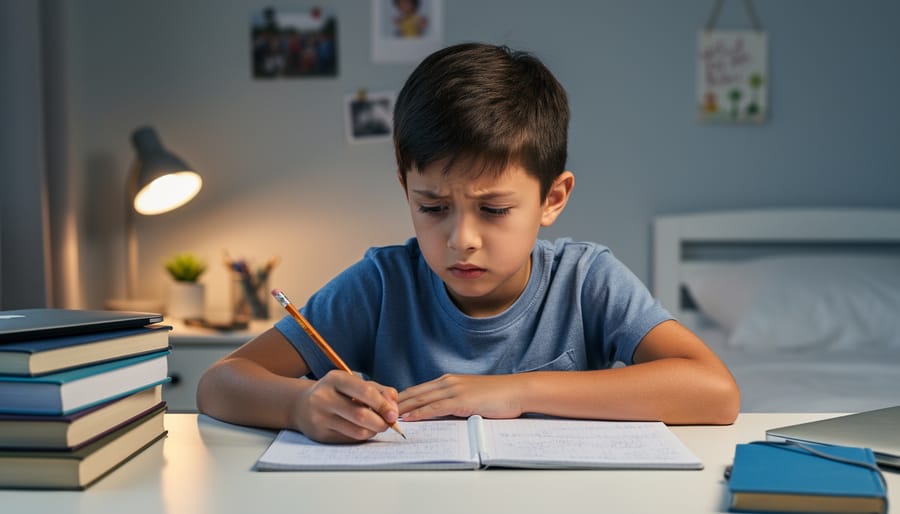
So why does anxiety keep coming back, even when a child seems to “handle” it by steering clear of what scares them? Because the relief is real, but it doesn’t last. When a child avoids a hard situation or puts off a dreaded task, the worry eases for a moment. That quiet feels good, and the brain takes note: avoiding worked. The trouble is that it also teaches the brain the situation was something to fear, so the worry tends to return, often stronger.
Over time, this pattern can become harder to break. The task still needs doing, the pressure builds, and the unease grows alongside it.
Here’s what matters most for parents and teachers to hear: a child caught in this loop is not being lazy, dramatic, or difficult. They’re doing what feels safest in the moment, and that’s a very human response. Anxiety is a normal part of how we react to stress, and getting stuck in a pattern says nothing about a child’s character or effort. It simply means the pattern has become a bit tangled, and patterns can be understood.
Common Forms the Cycle Can Take: Procrastination, Avoidance, and Worry
Spotting the Anxiety-Procrastination Loop in Kids and Teens
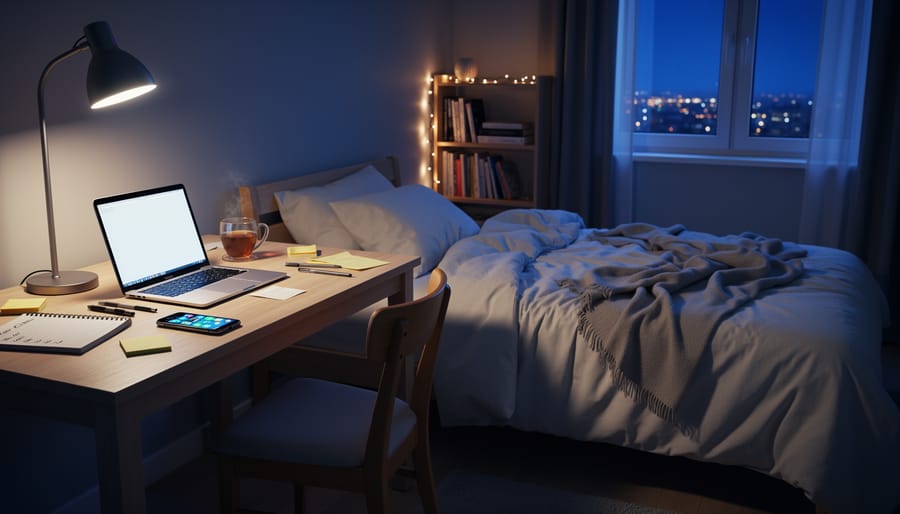
Picture a typical weeknight. A child sits down to start a book report, then needs a snack, then a pencil, then suddenly has to reorganize their backpack. Hours later, the report is untouched, and everyone is frustrated.
It can look like defiance, but it’s often a sign that worry is steering the ship. Common signs include putting off homework, “forgetting” assignments, stalling at bedtime, or dragging their feet before school. Each delay brings a little relief, which quietly teaches the brain that avoiding was the right call. Then the pressure builds and the loop tightens.
Here’s a story to illustrate (a composite, not a statistic). A teacher I’ll call Ms. Reyes noticed one of her students never handed in his big projects, though he was bright and capable. She assumed he didn’t care. When she finally asked, kindly, what felt hardest about starting, he said, “I’m scared it won’t be good enough, so I wait until I can’t do it right anyway.” That one sentence changed how she saw him. She began breaking projects into small, low-stakes steps and checking in early, treating it as a matter of anxiety management rather than discipline.
So when you see avoidance, try asking “What feels scary about this?” before “Why won’t you just do it?”
How Understanding the Cycle Helps Families, Classrooms, and Care Teams

Expert Perspective: Naming the Pattern Takes Away Some of Its Power
Many child psychologists and mental health professionals describe the same shift: when a child learns to see anxiety as a pattern rather than a personal flaw, the shame often eases. A child who thinks “something is wrong with me” tends to hide the worry. A child who can say “my worry loop is back” has something to point to, and a way to ask for help.
Naming the pattern also gives adults a shared, blame-free language. Instead of asking why a child is being difficult, a parent or teacher can gently ask where the loop might be starting. That curiosity often opens the door to learning how to cope with anxiety together, with a qualified professional when needed.
[Editorial note: please source and attribute a real child psychologist or mental health professional here, with their permission, before publishing. The viewpoint above is a general summary, not a direct quote.]
Frequently Asked Questions About the Cycle of Anxiety
Parents and teachers often ask the same handful of questions once they start noticing this pattern, so here are the most common ones, answered simply.
What is anxiety?
Anxiety is a normal and often necessary response to stress or perceived threats, marked by worry, apprehension, or unease. Feeling anxious now and then is a common part of life, but anxiety that is excessive or lasts a long time and gets in the way of daily functioning may point to an anxiety disorder.
What is the cycle of anxiety?
It’s a pattern where a situation feels threatening, worry builds, avoidance or delay brings short-term relief, and the worry then comes back stronger. Over time, that loop can become harder to break.
Why does anxiety keep coming back?
Relief from avoiding something is real, but it doesn’t last. Because the feared situation never gets faced, the worry tends to return, and the pattern can feel more stubborn each time.
How do you break the anxiety-procrastination cycle?
Start by noticing the pattern without blaming yourself or your child. Taking one small step toward the dreaded task, and staying curious rather than critical, can ease the pressure that delay creates.
If you’re wondering what else can help with coping, the same gentle approach applies: be patient, keep steps small, and talk openly about what feels hard. When anxiety is interfering with a child’s sleep, school, friendships, or everyday routines, reaching out to a family doctor or mental health professional is a caring and worthwhile next step. You don’t have to figure it out alone.
The cycle of anxiety is a common, understandable pattern, not a personal failing. A situation feels uncomfortable, worry builds, avoidance or procrastination brings a little relief, and the worry comes back a bit stronger. Seeing that loop for what it is can be a real turning point, because it shifts the question from “What’s wrong with this child?” to “What is this child’s anxiety asking for?”
To the parents, teachers, and professionals reading this: noticing the pattern in the first place is a sign of care. You don’t need to have every answer today. Staying curious and patient with a struggling child goes a long way.
If anxiety is getting in the way of a child’s sleep, school, friendships, or everyday routines, it’s worth reaching out to a doctor or qualified mental health professional. Asking for help isn’t a sign that something has gone wrong. It’s one of the most hopeful steps a family can take.