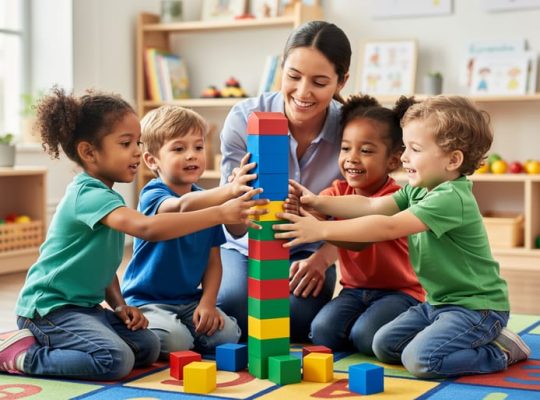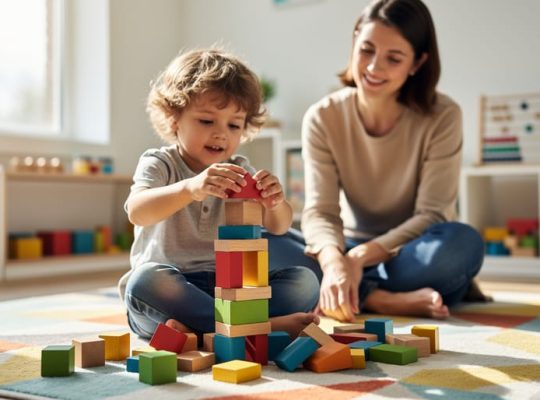
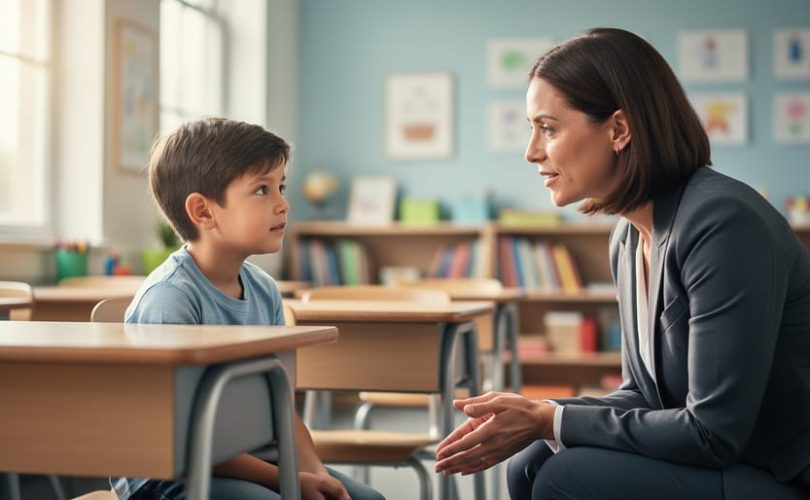
A teacher-student relationship is the connection between an educator and a child that extends beyond academics to include trust, communication, respect, and emotional support. This bond shapes how safe a child feels in the classroom, how willing they are to take risks in learning, and ultimately, how they see themselves as students and people.
For parents and teachers navigating children’s mental health in 2026, these relationships matter more than ever. Research consistently shows that children who feel connected to their teachers experience lower rates of anxiety and depression, demonstrate better emotional regulation, and achieve more academically. When a child knows their teacher sees them, hears them, and believes in them, school becomes a place of possibility rather than pressure.
But what does a healthy teacher-student relationship actually look like in practice? How do you know if your child’s teacher is building the kind of connection that supports wellbeing? And what can you do when something feels off?
This article unpacks the essential elements of teacher-student relationships from a mental health perspective. We’ll explore the different forms these relationships take, the specific ways they influence emotional development, and the signs that a relationship is either nurturing or concerning. You’ll also find practical guidance on partnering with teachers to strengthen these connections and supporting your child when challenges arise.
Whether your child is thriving in school or struggling, understanding the power of teacher-student relationships gives you a clearer lens for advocating, collaborating, and creating the conditions where every child can flourish.
What a Teacher-Student Relationship Really Means
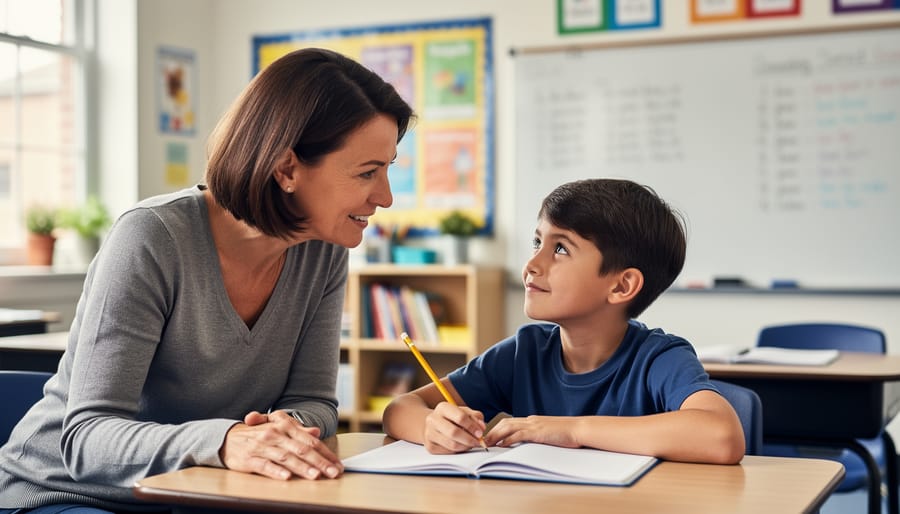
At its core, a teacher-student relationship is the emotional bond and pattern of interactions that develop between an educator and a child. It’s more than just delivering lessons or completing assignments together, it’s the sense of trust, understanding, and mutual respect that shapes how a child experiences school every day.
This relationship exists on a spectrum. On one end, there’s purely transactional instruction: a teacher presents information, a student receives it, and that’s where the connection ends. While children can certainly learn this way, they miss out on the relational benefits that truly support their development. On the other end, there’s a genuine relationship built on warmth, consistency, and emotional attunement. Teachers in these relationships know their students as whole people, their strengths, struggles, interests, and fears, not just as names on a roster.
To understand this concept more clearly, here are some key relationship terms:
- Relational Trust
- The confidence children feel that their teacher will be fair, consistent, and supportive even when things are difficult. It develops over time through repeated positive interactions.
- Emotional Safety
- A classroom atmosphere where children feel comfortable expressing themselves, asking questions, and making mistakes without fear of ridicule or harsh judgment.
- Teacher Warmth
- The friendly, caring, and approachable demeanor that helps children feel valued and seen as individuals, not just students.
- Secure Attachment in the Classroom
- A relationship pattern where children view their teacher as a reliable source of comfort and encouragement, similar to how they might depend on a trusted caregiver.
What makes these relationships powerful is their relational dimension, the human connection that goes beyond curriculum. When a teacher greets your child by name each morning, notices when they seem upset, or celebrates their small victories, they’re building something far more valuable than academic knowledge. They’re creating a foundation of trust and belonging that supports everything else your child learns and experiences at school.
How Teacher-Student Relationships Work in Practice
The Building Blocks of Connection

Strong teacher-student relationships don’t happen by accident. They rest on specific, observable elements that teachers cultivate intentionally and children respond to over time.
Consistency forms the foundation. When teachers show up predictably, in mood, expectations, and follow-through, children learn they can rely on this adult. A teacher who greets students warmly each morning, maintains steady routines, and responds calmly even on difficult days builds trust through dependability.
Emotional availability means being present and attuned. Teachers who notice when a child seems withdrawn, who make eye contact during conversations, and who validate feelings (“I can see you’re frustrated with this assignment”) help children feel seen. This doesn’t require being a therapist; it simply means treating emotions as legitimate and worthy of acknowledgment.
Clear boundaries provide safety within the relationship. Effective teachers set fair limits, explain the reasoning behind classroom rules, and enforce them consistently without harshness. Children thrive when they understand what’s expected and know boundaries come from care, not control.
Respect flows both directions. Teachers who listen to student perspectives, pronounce names correctly, and honor children’s dignity, even during corrections, model the mutual regard that defines healthy relationships.
Cultural responsiveness recognizes that children bring diverse backgrounds, communication styles, and family values into the classroom. Teachers who educate themselves about students’ cultures, avoid assumptions, and incorporate varied perspectives make all children feel they belong.
How These Relationships Change Over Time
A preschooler who runs to hug their teacher each morning will relate very differently to that same adult by third grade, and that’s exactly how it should be. Teacher-student relationships aren’t static. They shift as children grow, reflecting new developmental needs at each stage.
In early childhood, relationships center on attachment and security. Young children need teachers who provide physical comfort, consistent routines, and warm reassurance. The bond often looks parental, with lots of touch, eye contact, and immediate emotional support.
As children move into elementary years, the relationship becomes more collaborative. Teachers shift from caretakers to guides who encourage independence, problem-solving, and peer relationships. The emotional connection remains important, but children start testing boundaries and developing their own identities separate from adult approval.
By middle school, respect and autonomy take center stage. Adolescents pull back from overt affection but still desperately need adults who see them as individuals, not just students. The strongest relationships at this age balance structure with choice, offering guidance without control.
High schoolers want teachers who treat them as emerging adults: mentors who challenge them intellectually, respect their opinions, and acknowledge the complexity of their lives beyond the classroom.
Different Types of Teacher-Student Relationships
Not every teacher-student relationship looks the same, and that’s normal. Children experience a spectrum of connections with their educators, ranging from distant and transactional to warm and deeply supportive. Understanding these different patterns helps parents recognize what’s happening in their child’s classroom and when to take action.
Warm and supportive relationships are the gold standard. In these connections, teachers know their students as individuals, they remember what excites them, notice when something’s off, and create space for children to be themselves. These teachers offer specific praise, validate feelings, and maintain consistent emotional availability. Children in these relationships feel safe asking questions, sharing struggles, and taking academic risks.
Neutral or functional relationships are common and often perfectly adequate. The teacher is professional, fair, and responsive to academic needs, but there’s limited personal connection. Children in these relationships generally do fine, especially if they have strong bonds with other adults. These relationships aren’t harmful; they simply lack the depth that provides extra mental health benefits.
Distant or detached relationships happen when teachers seem disengaged or overwhelmed. There’s minimal warmth, little individual recognition, and interactions stay strictly transactional. Children in these relationships may feel invisible or unimportant, which can affect their confidence and sense of belonging at school.
Conflicted relationships involve tension, frequent correction, or a pattern of negative interactions. The child and teacher seem mismatched, leading to frustration on both sides. These relationships can harm a child’s self-esteem and school experience if they persist without intervention.
Most children experience different types of relationships across their school years. A neutral relationship in third grade doesn’t predict what fourth grade will bring. What matters is that children have at least some warm, supportive connections with adults at school, even if not every teacher becomes a close ally.
Why Teacher-Student Relationships Matter for Mental Health
Emotional Safety and Belonging
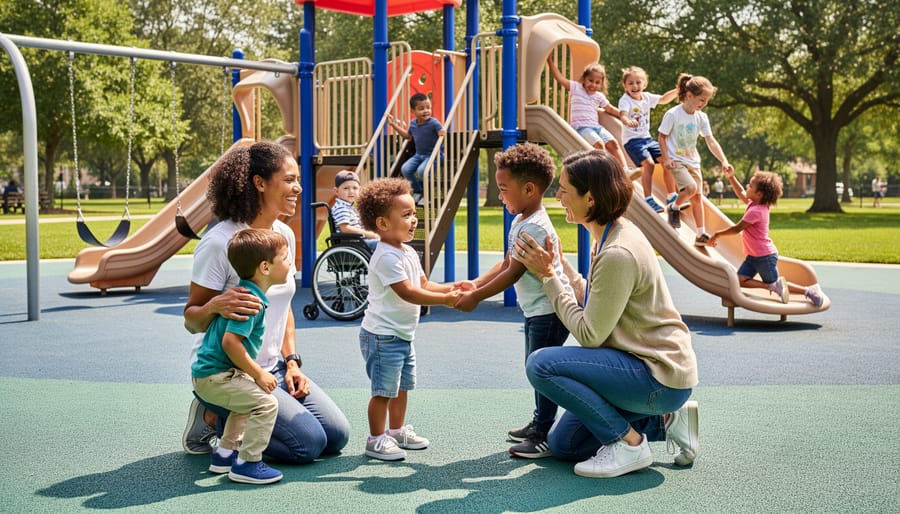
When children feel genuinely seen and valued by their teacher, something fundamental shifts. They relax enough to try new things, ask questions without fear of judgment, and share struggles they might otherwise hide. This sense of psychological safety doesn’t happen overnight, it builds through consistent warmth, predictable responses, and genuine interest in who the child is beyond their test scores.
A teacher who remembers what excites a student, notices when they seem withdrawn, and responds with empathy rather than impatience creates a classroom where children can be themselves. This environment buffers stress and builds resilience particularly for children navigating challenges at home or struggling with anxiety and self-doubt. When students trust their teacher won’t shame them for mistakes, they’re more willing to take academic risks, raising their hand even when unsure, trying a challenging problem, or experimenting with creative ideas.
This foundation of safety extends beyond the classroom. Children who experience secure relationships with teachers often apply those lessons to peer connections, building strong friendships and developing a clearer sense of their own worth and capabilities.
Early Identification and Support
Teachers who share a strong relationship with their students often become the first adults to notice when something feels off. Because they observe children daily in social settings, interacting with peers, responding to challenges, managing frustration, they can spot subtle shifts that parents might miss at home. A child who suddenly withdraws from group activities, struggles to concentrate after previously staying focused, or shows unexpected emotional outbursts may be signaling distress.
When teachers see early red flags their existing rapport makes it easier to approach families with care rather than alarm. A teacher who knows your child well can say, “I’ve noticed Maya seems quieter lately, has anything changed at home?” This gentle opening creates space for honest conversation. They might share specific observations: difficulty following routines that used to be easy, tearfulness without clear triggers, or comments about feeling worried or sad.
This early identification matters enormously. Teachers can guide families toward school counselors, suggest outside evaluations, or adapt classroom support while you seek help. They become partners in your child’s mental health journey, not just observers. The relationship you’ve built with them makes these difficult conversations possible, and potentially life-changing.
What Parents Can Do to Support These Relationships
You don’t need to wait on the sidelines hoping your child connects with their teacher. There are concrete steps you can take to strengthen these relationships and ensure they support your child’s mental health.
Start by viewing yourself as a partner, not an observer. Teachers appreciate when parents share information that helps them understand a child’s needs, especially around mental health. A quick note or brief conversation at the start of the year about your child’s strengths, challenges, or what helps them feel safe can set the tone for a collaborative relationship.
Here are practical ways to support these connections:
- Attend parent-teacher conferences prepared to share what you notice at home and ask how your child is doing socially and emotionally, not just academically
- Send brief notes or emails when something at home might affect your child’s day, like a family stress, sleep trouble, or medication change
- Ask teachers about social-emotional learning happening in the classroom and how you can reinforce it at home
- Discuss mental health openly, using clear language about your child’s needs rather than vague concerns
When challenges arise, approach teachers with curiosity rather than blame. Frame conversations around finding solutions together: “I’ve noticed Maya seems anxious about school lately. Have you seen anything on your end?” This invites collaboration rather than defensiveness.
Remember, teachers see your child through a different lens than you do, offering a parent perspective that values multiple viewpoints. That classroom perspective can reveal strengths or struggles you might miss at home. Stay connected throughout the year, not just when problems surface. Brief positive check-ins build trust that makes harder conversations easier when they’re needed.
When Teacher-Student Relationships Become Strained
Not every teacher-student relationship clicks, and that’s a reality parents need to understand without shame or panic. Sometimes personalities don’t mesh, communication styles clash, or a child’s needs exceed what one teacher can reasonably provide. Your child might come home repeatedly upset, withdraw from participation, or complain that their teacher “doesn’t like them.” These aren’t always signs of a serious problem, but they deserve your attention.
Look for patterns rather than isolated incidents. A child who consistently feels misunderstood, dismissed, or singled out may be experiencing a genuine mismatch. Signs include declining grades despite effort, increased school avoidance, somatic complaints on school mornings, or visible anxiety about specific classes. Trust your instincts if something feels persistently off.
Start by talking with your child without leading questions. What happens in class? How do they feel when interacting with this teacher? Then reach out to the teacher directly with curiosity, not accusation. Share what you’re noticing at home and ask for their perspective. Many conflicts stem from misunderstandings that a calm conversation can resolve.
If direct communication doesn’t improve things, involve school counselors or administrators. Document specific concerns with dates and examples. Request a meeting to discuss strategies or, if necessary, a classroom change. In rare cases where you suspect harmful teacher relationships involving inappropriate behavior or emotional harm, escalate immediately through proper channels.
Most strained relationships can improve with intervention, patience, and advocacy. Your child needs to know you believe them and will help them navigate difficult situations constructively.
Frequently Asked Questions
What if my child doesn’t bond with their teacher?
Not every child clicks with every teacher, and that’s normal. Focus on whether your child feels safe and respected rather than expecting a close friendship. If the relationship is neutral but respectful, that’s often enough for learning to happen.
How do I know if the relationship is healthy?
A healthy teacher-student relationship makes your child feel seen and supported, even during difficult moments. Watch for signs your child trusts their teacher enough to ask questions, share concerns, or admit mistakes without fear of harsh judgment.
Can a good teacher relationship replace therapy?
No. While supportive teachers provide enormous emotional benefit and can notice warning signs early, they aren’t trained mental health professionals. If your child is struggling significantly, a strong teacher relationship works best alongside proper therapeutic support, not instead of it.
Do these relationships still matter in middle and high school?
Absolutely. Teens often need these connections even more as they navigate identity formation and increased academic pressure. The relationship may look different, less open affection, more mentorship, but it remains a crucial protective factor during adolescence.
How does remote learning affect these bonds?
The shift to digital learning can make forming genuine connections harder since teachers miss the subtle cues they’d catch in person. The mental health impact means parents may need to advocate more actively for one-on-one check-ins and ensure their child isn’t falling through the cracks.
Should I tell my child’s teacher about their mental health diagnosis?
Sharing relevant information helps teachers understand your child’s needs and respond appropriately. You don’t need to disclose everything, but basic context about anxiety, ADHD, or other conditions lets teachers provide better support and recognize when your child is struggling.
Remember that teacher-student relationships exist on a spectrum. Some will be warm and close, others professional but caring, and a few may require your gentle intervention. What matters most is creating the conditions where your child feels safe enough to learn and grow, whether that happens through one exceptional teacher or a network of supportive adults throughout their school years.
The teacher-student relationship stands as one of the most powerful protective factors in a child’s life. When children feel seen, valued, and understood by their teachers, they develop resilience that extends far beyond the classroom. These connections create safety nets during difficult times and launch pads during periods of growth.
As a parent, you play an irreplaceable role in supporting these relationships. Your communication with teachers, your willingness to share what you know about your child, and your partnership in problem-solving all strengthen the network of care surrounding your child. Even when relationships feel strained or imperfect, small steps toward connection can create meaningful change.
Remember that healing and growth happen in relationship. A teacher who listens, a consistent routine, a moment of genuine care, these seemingly small interactions accumulate into something profound. Your child doesn’t need perfect relationships with every teacher, but having at least one educator who truly sees them can make all the difference.
Trust that investing in these connections matters. The emotional foundation built through positive teacher-student relationships shapes not just academic success, but lifelong mental health and wellbeing.