

E-learning readiness refers to the combination of cognitive, emotional, technical, and environmental factors that determine whether a child is prepared to succeed in digital learning environments. As schools continue to integrate online and hybrid education models in 2026, understanding these foundational elements has become essential for every parent and educator who wants to support children through the transition.
Research shows that children who struggle with online learning rarely face a single barrier. A child might have reliable internet access but lack the self-regulation skills to manage distractions. Another might be motivated to learn but overwhelmed by an unfamiliar learning platform. These overlapping challenges underscore why digital learning mental well-being requires attention to multiple dimensions at once.
The nine dimensions framework offers a practical way to identify where children need support and where they already show strength. These dimensions span technology access, self-directed learning skills, motivation, online communication abilities, digital literacy, technical competency, time management, emotional readiness, and family support. When even one dimension falls short, academic performance and mental health can suffer. Children may feel isolated, anxious, or disengaged from their education.
This article walks you through all nine dimensions in clear terms, explaining what each one means for your child’s success and well-being. You’ll discover concrete ways to assess readiness, recognize warning signs of struggle, and build skills in areas that need attention. Whether your child thrives in digital classrooms or finds them challenging, understanding these dimensions helps you provide the right support at the right time.
What E-Learning Readiness Means for Children
E-learning readiness for children means having the right mix of skills, resources, and support to learn effectively in digital environments while maintaining their emotional well-being. It’s not simply about whether a child can use a tablet or log into a video call. True readiness encompasses their ability to manage the unique challenges of online learning, from staying focused during a virtual lesson to asking for help when they feel overwhelmed by an assignment.
When we talk about readiness in the context of children’s mental health, we’re looking at the whole child. A student might be tech-savvy but struggle with the isolation of learning from home. Another child might have strong self-motivation but lack a quiet space to concentrate, leading to frustration and stress. These gaps matter because they directly affect how children experience digital learning and how they feel about themselves as learners.
- E-Learning Readiness
- A child’s overall preparedness to succeed in digital learning environments, including technical abilities, emotional regulation, and environmental support.
- Digital Well-Being
- The state of physical, mental, and emotional health while engaging with technology and online learning platforms.
- Self-Directed Learning
- The ability to take initiative in one’s own education, manage time independently, and persist through challenges without constant supervision.
- Learning Environment
- The physical and emotional space where a child engages in digital learning, including access to technology, a quiet workspace, and family support.
Understanding readiness through this broader lens helps us recognize that a child who appears to struggle with online school might not be unmotivated or incapable. They might simply need support in one or more dimensions of readiness that we haven’t yet addressed. When children have gaps in their readiness, they often experience increased anxiety, lower confidence, and a sense that they’re failing when they’re actually just missing specific supports. By identifying these gaps compassionately, parents and educators can provide targeted help that protects both learning success and mental health.
How E-Learning Readiness Affects Mental Well-Being

When children lack the readiness they need for digital learning, the emotional toll can be significant. A child who doesn’t understand how to navigate their online classroom might sit frozen at their screen, anxiety building with each passing minute. Another who struggles with time management may fall behind on assignments, leading to shame and self-criticism. These aren’t just temporary frustrations, repeated experiences of feeling lost, confused, or inadequate in digital learning environments can erode a child’s confidence and contribute to ongoing stress.
The connection between how digital learning affects mental health becomes especially clear when we consider readiness gaps. Children who lack necessary skills or support often experience heightened worry about making mistakes, fear of asking questions in virtual settings, or overwhelming feelings when technical problems arise. Over time, this chronic stress can manifest as school avoidance, physical complaints like headaches or stomach aches, changes in sleep patterns, or withdrawal from learning altogether.
Conversely, when children feel prepared and supported, digital learning becomes an opportunity rather than a threat. A child with strong readiness across multiple dimensions approaches online school with confidence. They know how to troubleshoot basic problems, ask for help when needed, and regulate their emotions when challenges arise. This sense of competence protects their mental well-being and allows them to engage meaningfully with their education.
If you’re worried about your child’s readiness, remember that it develops over time. No child masters all dimensions instantly, and struggles don’t mean failure. What matters most is recognizing where your child needs support and taking gradual steps to build their skills and confidence. Meeting children where they are, with patience and understanding, creates the foundation for both successful digital learning and positive mental health.
The 9 Dimensions of E-Learning Readiness
1. Technology Access and Infrastructure
Technology forms the foundation of e-learning readiness, yet access remains uneven. Children need reliable internet that doesn’t cut out during lessons, appropriate devices (not just a shared family phone), and a quiet learning space. When these basics aren’t in place, learning suffers, and so does mental well-being.
A child who repeatedly loses connection during class may feel embarrassed, isolated, or left behind. They might blame themselves for technical failures beyond their control. Similarly, a teenager trying to complete assignments on a small phone screen while siblings watch TV nearby faces both practical barriers and mounting frustration.
These aren’t just inconveniences. Inadequate technology access creates chronic stress, undermines confidence, and can trigger anxiety about schoolwork. Children may avoid participating in class to hide their technology struggles, leading to disengagement that looks like lack of motivation but reflects something entirely different.
If your family faces technology barriers, start with what you have. Public libraries often provide free internet and computers. Schools may loan devices or hotspots. Creating even a small designated learning area, a corner with headphones, a cardboard “desk”, signals that learning matters. Many children adapt remarkably well when they feel supported rather than judged for circumstances outside their control.
2. Digital Literacy and Technical Skills

Digital literacy encompasses more than knowing how to turn on a device. Children need foundational skills that match their developmental stage, starting with basic navigation and progressing to more complex tasks like file management and online communication.
Younger children (ages 5-8) typically master pointing, clicking, and simple typing. They learn to recognize icons, open familiar applications, and follow basic digital instructions. Around ages 9-12, most children develop skills like searching effectively, evaluating source credibility, and using multiple applications simultaneously. Teenagers generally handle more sophisticated tasks, creating digital content, managing passwords, and troubleshooting common problems.
When children lack age-appropriate digital skills, the impact extends beyond academics. A child who cannot navigate their learning platform may feel anxious before each class, worried about looking incompetent in front of peers. Technical struggles drain emotional energy, leaving less capacity for actual learning. Some children interpret these difficulties as personal failures rather than skill gaps, damaging self-confidence.
The good news: digital literacy develops through practice and patient guidance, not innate ability. Children who struggle now can build these skills with appropriate support. Parents can reduce stress by normalizing technical difficulties, demonstrating problem-solving rather than just providing answers, and celebrating small wins. Remember that every child develops at their own pace, comparison with peers adds unnecessary pressure. Focus instead on progress from where your child started.
3. Self-Directed Learning Abilities
Self-directed learning abilities determine how well children can manage their own learning without constant supervision. In digital environments, this means setting goals, organizing tasks, tracking progress, and knowing when to seek help, all while navigating the independence that online learning demands.
These abilities rest on executive function skills: working memory, cognitive flexibility, and inhibitory control. Research on executive function developmental trajectories shows these capacities develop gradually throughout childhood and adolescence, with significant individual variation. Younger children naturally need more scaffolding and parental guidance, while older children and teens can handle increasing autonomy, though many still benefit from check-ins and structure.
Time management presents a particular challenge. Without a teacher physically present to redirect attention or signal transitions, children must monitor their own pacing. Some thrive with this freedom; others struggle with procrastination, task initiation difficulties, or feeling overwhelmed by open-ended timelines.
When children lack these skills, the mental health impact can be significant. Missed deadlines create stress and shame. Disorganization leads to incomplete work and declining grades, which erode confidence. Children with ADHD or processing differences may face especially steep challenges, sometimes internalizing failure as personal inadequacy rather than recognizing they need different supports.
Building self-directed learning is developmental work, not a character issue. It requires patience, appropriate expectations for age and ability, and teaching these skills explicitly rather than assuming children will figure them out.
4. Motivation and Engagement
Motivation in digital learning environments works differently than in traditional classrooms. Without the physical presence of peers and teachers, children must rely more on internal drive to stay engaged. Intrinsic motivation, learning because something is genuinely interesting, tends to sustain children better than external rewards like grades or praise.
Screen fatigue presents a real challenge. After 30 to 40 minutes, attention naturally wavers, especially for younger children. The constant visual stimulation and lack of movement can drain mental energy faster than in-person learning. Some children experience what feels like motivation loss when they’re actually just exhausted from extended screen time.
Maintaining interest requires variety and connection to real-world meaning. When children understand why they’re learning something and can see its relevance beyond the screen, engagement deepens. Interactive elements help, but they can’t replace genuine curiosity.
For children struggling with motivation, consider breaking learning into shorter blocks with movement breaks. Let them pursue topics they find genuinely interesting, even within structured assignments. Watch for signs that low engagement stems from anxiety or overwhelm rather than laziness, a child avoiding assignments might be feeling lost or anxious about making mistakes in the digital space where everything feels permanent and recorded.
5. Communication and Collaboration Skills
Communication is more than typing words into a chat box, it involves reading tone, understanding context, and building relationships through screens. In e-learning environments, children need to express confusion clearly in virtual discussions, respond thoughtfully to classmates’ posts, and navigate group projects where body language disappears. These skills become especially challenging for children who experience social anxiety or are still developing confidence in social situations.
When children struggle to ask questions in video calls or feel invisible in online group work, isolation can deepen. Unlike in-person classrooms where a teacher might notice a quiet child, digital spaces make withdrawal easier. Many children worry about looking “dumb” in front of peers when asking for help virtually, and this hesitation can snowball into disengagement and falling behind academically.
Strong communication and collaboration skills protect mental well-being by helping children feel connected despite physical distance. Children who can effectively express their needs, contribute ideas, and work cooperatively online maintain social bonds that buffer against loneliness and stress. They learn that seeking help is normal, not shameful.
Parents can support development by practising video calls with relatives, encouraging participation in moderated online groups for their interests, and role-playing how to ask teachers for clarification. Reassure children that everyone feels awkward communicating online sometimes, it’s a skill learned through practice, not something they should already know perfectly.
6. Emotional Regulation and Resilience
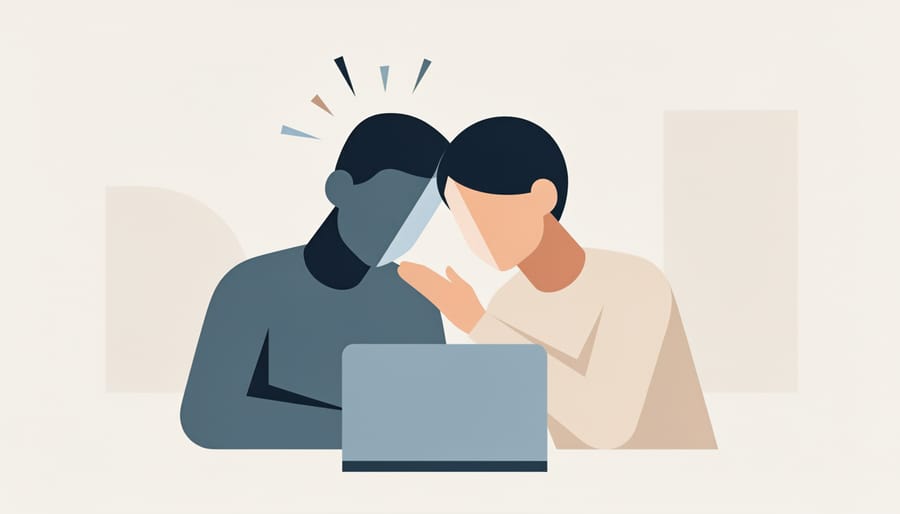
Digital learning challenges can trigger intense emotional responses in children. When a video freezes during a presentation or an assignment disappears before saving, the frustration feels magnified because the child often sits alone without immediate comfort. These moments reveal whether a child has developed strategies to recover and continue.
Emotional regulation in online learning means recognizing rising stress before it becomes overwhelming. Children need to notice their physical signals, tight shoulders, faster breathing, the urge to throw a device, and pause rather than react. This skill doesn’t come naturally to most young learners. They benefit from explicit teaching: name the feeling, take three deep breaths, step away from the screen for two minutes.
Perfectionism becomes particularly visible in digital environments. Children can endlessly revise work, compare themselves to polished online examples, or freeze completely rather than submit something imperfect. Some need permission to embrace “good enough” and understand that learning involves mistakes.
Resilience here means bouncing back from technical failures, confusing instructions, or lower grades without internalizing these setbacks as personal inadequacy. Children who can say “that was hard, but I’ll try a different approach” rather than “I’m terrible at this” maintain healthier relationships with digital learning.
Parents can model healthy responses to digital frustration, validate their child’s feelings without rushing to fix everything, and celebrate effort over outcomes. Building this dimension protects against the anxiety that derails many capable students in online settings.
7. Online Safety and Digital Citizenship
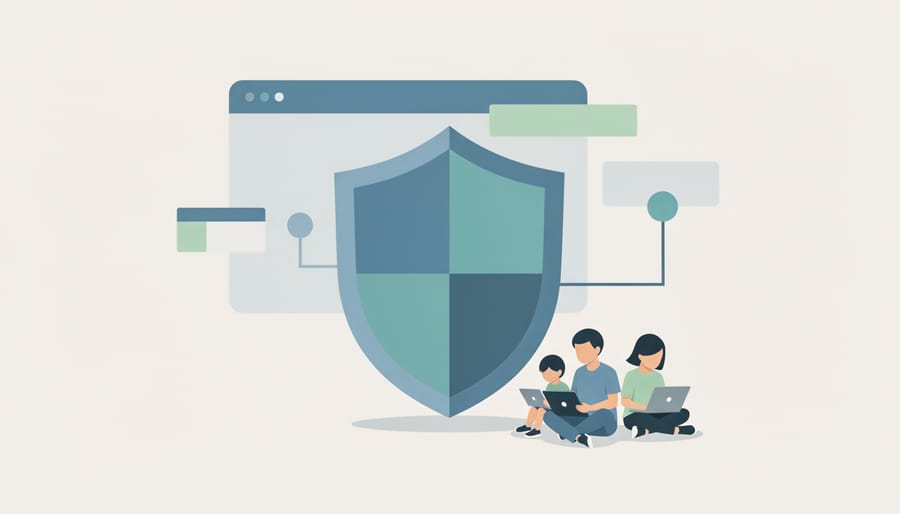
Children need more than parental controls to navigate digital learning safely, they need to understand why certain behaviors matter and how their actions affect others online. This awareness forms the foundation of psychological safety in digital classrooms.
Digital citizenship covers three interconnected areas. First, recognizing harm: children must understand what cyberbullying looks like, including subtle forms like exclusion from group chats or screenshot-sharing. Second, protecting themselves: knowing which information stays private, why accepting unknown requests risks safety, and how digital footprints persist. Third, acting responsibly: treating classmates with respect in discussion forums, thinking before posting, and understanding that screens don’t make unkind words acceptable.
When children feel unsafe online, anxiety can make them withdraw from participation altogether. A child who fears mockery may stop asking questions in virtual class. One who has experienced harassment might develop sleep problems or school refusal. Conversely, children who understand digital citizenship feel more confident engaging, knowing they can navigate challenges and seek help when needed.
Age-appropriate conversations work better than scare tactics. With younger children, focus on treating online friends the same as playground friends. Older children benefit from discussions about consent, digital reputation, and how to respond when witnessing harmful behavior. This dimension directly affects whether children see their learning environment as trustworthy or threatening.
8. Learning Style Compatibility
Every child processes information differently, and digital learning environments can either amplify or hinder these natural learning preferences. Some children thrive watching video demonstrations, while others need hands-on practice or written instructions they can revisit at their own pace. E-learning platforms vary widely in how they present information, and a mismatch between a child’s learning style and the digital format can create unnecessary frustration and disengagement.
Visual learners often benefit from video content, infographics, and color-coded materials that many e-learning platforms provide. Auditory learners may prefer podcast-style lectures or discussion forums where they can process information through listening and conversation. Kinesthetic learners, who learn best through movement and tactile experiences, sometimes struggle most in digital environments that limit hands-on interaction. For these children, interactive simulations, virtual labs, and frequent breaks for physical activity become essential.
Neurodivergent children face unique considerations in e-learning contexts. Children with ADHD may find it harder to maintain focus without the physical structure of a classroom, benefiting from shorter lesson segments, built-in movement breaks, and minimal on-screen distractions. Autistic children might appreciate the reduced social demands of online learning but struggle with sudden format changes or unclear expectations. Sensory sensitivities matter too. Bright screens, notification sounds, or busy visual layouts can overwhelm some children, making sensory-friendly settings and customizable interfaces important accommodations.
9. Family and Environmental Support
Even the most capable child needs a supportive foundation at home. Family and environmental support encompasses parental involvement, physical learning space, household routines, and the emotional climate surrounding digital learning.
Parents don’t need to become tech experts, but engaged caregivers who monitor progress, communicate with teachers, and show interest in online learning help children feel supported. This involvement matters enormously for mental well-being, children who sense their family values their education experience less anxiety and greater motivation.
The home learning environment significantly affects focus and stress levels. A quiet, dedicated space with minimal distractions, adequate lighting, and ergonomic seating helps children concentrate and reduces physical discomfort that can trigger frustration. For families without spare rooms, even a consistent corner with headphones can provide necessary boundaries.
Caregiver stress directly impacts children’s digital learning experience. When parents feel overwhelmed managing technology, coordinating schedules, or balancing work-from-home demands, children absorb that tension. Acknowledging these challenges and seeking support, whether through school resources, parent networks, or flexible arrangements, protects the whole family’s mental health.
Establishing consistent routines around screen time, breaks, and tech-free periods creates structure that supports emotional regulation. Children thrive when families set clear expectations while remaining flexible enough to adjust when approaches aren’t working.
Supporting Your Child’s E-Learning Readiness
Supporting your child’s e-learning readiness isn’t about ticking boxes, it’s about gradually building confidence and skills while keeping stress levels manageable. You don’t need to address all nine dimensions at once or expect overnight transformation.
Start by observing where your child already feels comfortable and where they struggle. Does technology frustration trigger meltdowns? Do they thrive with independence or need more structure? Understanding their unique profile helps you prioritize which dimensions need immediate attention and which can develop over time. Watch for warning signs like withdrawal, sleep changes, or persistent anxiety about digital learning, these signal you may need to slow down and adjust your approach.
Build skills incrementally rather than all at once. If your child struggles with self-directed learning, start with short, supervised sessions before expecting hour-long independent work. For communication challenges, practice digital interactions in low-pressure settings before tackling collaborative projects. Set realistic expectations based on developmental stage rather than comparing your child to peers.
- Schedule regular check-ins about how online learning feels emotionally, not just academically
- Create a designated learning space that minimizes distractions and signals “work mode”
- Establish consistent routines around digital learning to reduce decision fatigue
- Model healthy digital habits yourself, including breaks and boundary-setting
- Celebrate small wins in any dimension, progress matters more than perfection
Collaboration matters tremendously. Share observations with teachers and maintain open communication about what’s working and what isn’t. The teacher-student relationship remains crucial even in digital spaces, and educators often have insights about peer interactions or engagement patterns you don’t see at home.
Remember that readiness isn’t static. A child confident in spring might struggle after summer break, or new technology might temporarily shake their self-assurance. That’s normal development, not failure.
When to Seek Additional Support
Most children experience some difficulty adjusting to digital learning, but persistent struggles may signal a need for professional support. If your child shows ongoing signs, such as intense anxiety before online classes, complete withdrawal from virtual learning, dramatic changes in sleep or appetite, or statements about feeling worthless or hopeless, trust your instincts and reach out.
Distinguishing normal adjustment from concerning patterns involves looking at duration and intensity. Temporary frustration with technology or occasional reluctance is expected. However, if difficulties persist beyond several weeks, intensify over time, or begin affecting other areas of life (friendships, physical health, family relationships), professional guidance can help. Many children benefit from working with school counselors, educational psychologists, or therapists who specialize in digital learning challenges and can support mental health during this transition.
Early intervention makes a real difference. Reaching out for help shows strength, not failure, and removes the stigma that prevents many families from getting support. Start with your child’s school, many have resources specifically for e-learning challenges. Your pediatrician can also provide referrals to mental health professionals experienced with children’s digital learning needs.
Remember that supporting e-learning readiness sometimes means acknowledging when the online format isn’t working for your particular child right now. That’s perfectly okay, and professionals can help you explore alternatives.
How E Learning Readiness Understanding the 9 Dimensions for Works
E-learning readiness works as a dynamic, interconnected system rather than a simple checklist. Think of the nine dimensions as parts of a web: when you strengthen one area, it often supports growth in others. For example, when a child develops stronger emotional regulation skills, they’re better equipped to persist through technical difficulties and communicate needs effectively. Similarly, when families create supportive home learning environments, children build confidence that helps them take on self-directed tasks.
The process unfolds gradually. A child doesn’t need mastery in all dimensions before starting e-learning. Instead, readiness develops through experience and support. As children engage with digital learning, they identify which dimensions need attention. A child who struggles with time management might benefit from structured routines, while one facing social isolation might need help finding ways to build strong friendships through collaborative online projects.
Assessment and adjustment happen continuously. Parents and educators observe which dimensions present challenges, provide targeted support, and monitor mental well-being throughout. This responsive approach recognizes that readiness isn’t static, it shifts with developmental stages, life circumstances, and changing technology.
Common Questions About E-Learning Readiness
At what age should my child be ready for e-learning?
There’s no single “right” age for e-learning readiness. Children develop the necessary skills across all nine dimensions at different rates, typically showing more independence and self-regulation around age 10-12, though younger children can succeed with appropriate support and scaffolding.
How can I tell if my child is struggling with e-learning or experiencing mental health challenges?
Look for persistent changes lasting more than two weeks: withdrawal from activities they once enjoyed, significant changes in sleep or appetite, frequent meltdowns about school, physical complaints before logging on, or statements about feeling hopeless. Occasional frustration with technology or missing friends is normal adjustment; prolonged distress warrants professional support.
Should I push my child to improve their e-learning readiness, or wait until they’re naturally ready?
Neither extreme serves children well. Instead, meet them where they are and build skills gradually across all dimensions, celebrating small wins while prioritizing their mental well-being. Gentle, consistent support works better than pressure or complete hands-off approaches.
Can too much focus on e-learning readiness harm my child’s mental health?
Yes, if it creates performance pressure or replaces essential offline experiences like physical play, face-to-face interaction, and downtime. Balance matters, developing digital skills shouldn’t come at the expense of sleep, outdoor time, family connection, or activities that bring joy.
Remember that assessing readiness isn’t about labeling your child as “ready” or “not ready.” It’s an ongoing conversation about which dimensions need more support right now and which are developing well. Some children excel at self-directed learning but struggle with emotional regulation in digital spaces. Others have strong technical skills but need help with motivation. This variability is completely normal.
If your child has learning differences, ADHD, anxiety, or other neurodivergent traits, standard readiness expectations may not fit. Work with their teachers and healthcare providers to identify accommodations that honor how they learn best while building skills in areas where they need support. E-learning can actually work beautifully for some children who struggled in traditional classrooms, once the right supports are in place.
E-learning readiness isn’t something your child either has or doesn’t have. It’s an ongoing process that unfolds differently for every learner. Some children adapt quickly to digital environments, while others need more time to build confidence across the nine dimensions we’ve explored. Both paths are completely normal.
What matters most is that your child feels supported, not pressured. Mental well-being should always come before academic performance or technological proficiency. When children feel safe to struggle, ask questions, and learn at their own pace, they develop not just e-learning skills but also resilience that serves them far beyond the screen.
You don’t need to address all nine dimensions at once. Start where your child needs the most support, celebrate small wins, and remember that setbacks are part of learning. Whether you’re a parent, educator, or mental health professional, your patience and understanding make all the difference.
Every child can thrive in digital learning environments when given the right support and time. Trust the process, trust your child, and prioritize their emotional health above all else. You’re doing better than you think.