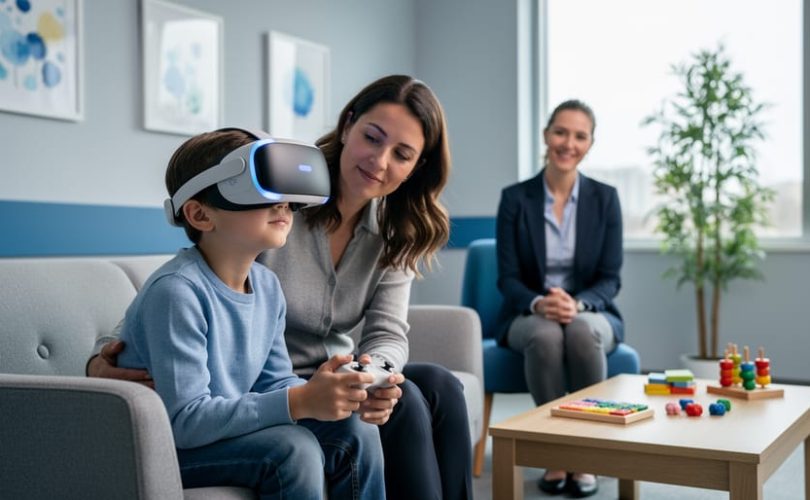
PTSD virtual reality therapy is a treatment approach that uses immersive computer-generated environments to help children and adolescents process traumatic experiences under the guidance of a trained mental health professional. Instead of simply talking about a traumatic event, young patients gradually confront trauma-related scenarios in a controlled, safe virtual setting while learning coping strategies.
For parents and teachers watching a child struggle with trauma symptoms, this technology-assisted approach can feel both promising and uncertain. You’re likely wondering whether strapping a headset on an already anxious child is helpful or harmful, and whether the research supports this relatively new intervention for young people specifically.
This article explains what PTSD virtual reality therapy actually involves when used with children, how mental health professionals adapt it for younger patients, and what the current evidence tells us about its potential benefits and limitations. We’ll walk through the practical realities: what happens in a typical session, which children might be appropriate candidates, and the critical questions to ask before considering this option with your child’s treatment team.
Understanding this approach matters because trauma doesn’t wait for adulthood. When children experience or witness violence, accidents, natural disasters, or other overwhelming events, their developing brains and bodies respond in ways that can affect school performance, relationships, and daily functioning. Traditional talk therapy remains effective for many young people, but some children find it difficult to verbalize traumatic experiences or engage with conventional exposure techniques. Virtual reality offers another pathway, one that some clinicians are integrating into evidence-based treatment protocols.
The goal here is to give you the information you need to have informed conversations with healthcare providers about whether this treatment fits your child’s specific situation.
What PTSD Virtual Reality Therapy Means for Children
PTSD virtual reality therapy is a treatment approach that uses computer-generated, three-dimensional environments to help children and adolescents process traumatic experiences under the guidance of a trained mental health professional. Rather than only talking about what happened, children work through their trauma by engaging with controlled, simulated scenarios that gradually expose them to trauma-related memories and triggers while learning coping skills in a safe therapeutic setting.
To understand this approach, it helps to know a few fundamental terms:
- PTSD (Post-Traumatic Stress Disorder)
- A mental health condition that can develop after a child experiences or witnesses a frightening, dangerous, or shocking event, causing persistent distress and difficulty with daily life.
- Exposure Therapy
- A type of treatment where individuals gradually face trauma-related memories, situations, or reminders in a safe, controlled way to reduce fear and avoidance over time.
- Virtual Environment
- A computer-generated, three-dimensional space that can simulate real-world settings or scenarios, allowing users to interact with the scene through headsets and sometimes controllers.
- Gradual Exposure
- The process of slowly increasing contact with distressing memories or situations in small, manageable steps rather than all at once.
This therapy is designed for children and teens who’ve experienced trauma and are struggling with symptoms like intrusive thoughts, nightmares, emotional numbness, or avoidance of reminders. It differs from traditional talk therapy because the child isn’t just describing their experiences through words alone. Instead, they’re immersed in carefully designed virtual scenarios while the therapist guides them through processing their feelings and reactions in real time.
The key distinction is that VR serves as a therapeutic tool that enhances what the clinician can do, not a replacement for human connection and professional judgment. The technology creates opportunities for exposure work that might be difficult, impractical, or impossible to replicate in an office setting, but the therapist remains essential in controlling the experience, providing support, and teaching skills the child needs to heal.
How Virtual Reality Therapy Works for Childhood Trauma
The Role of the Therapist

A trained mental health professional directs every aspect of virtual reality therapy. The therapist doesn’t just observe, they actively control what the child experiences, adjusting the VR scenarios in real time based on the child’s responses. This therapist-guided personalization means the pace, intensity, and content adapt to each child’s comfort level and therapeutic needs.
Throughout the session, the clinician watches for signs of distress, listens to the child’s verbal feedback, and sometimes monitors physiological indicators. If a child becomes overwhelmed, the therapist can immediately pause or modify the experience. Between VR exercises, the professional processes what happened with the child, teaching coping strategies and ensuring the experience serves therapeutic goals.
This hands-on involvement distinguishes VR therapy from quick child assessments or self-help apps. The technology is a tool the therapist uses, not a replacement for clinical expertise. Parents should verify that any provider offering VR therapy has proper credentials in child trauma treatment and specific training in therapeutic VR applications.
Safety and Comfort Measures

Therapists who offer VR therapy for childhood PTSD build multiple safeguards into every session. Before putting on the headset, the clinician explains exactly what will happen and confirms that the child wants to proceed. The child always has the power to pause or remove the headset at any moment, no questions asked.
The pacing starts very gradually. Rather than jumping into distressing scenarios, therapists typically begin with neutral or calming virtual environments to help the child acclimate to wearing the headset and understand how the controls work. As sessions progress, any exposure to trauma-related content happens in small, carefully controlled increments that the child helps decide.
Throughout the session, the therapist remains present in the room, continuously monitoring the child’s verbal and physical responses. Many therapists check in frequently, asking how the child is feeling and adjusting the experience based on their comfort level. Some VR systems allow the therapist to see what the child is seeing on a separate screen, making it easier to gauge reactions and provide support.
Between sessions, the therapist and child discuss what felt manageable and what didn’t, ensuring the child maintains a sense of control over their own treatment journey.
Different Approaches to VR-Based Trauma Treatment
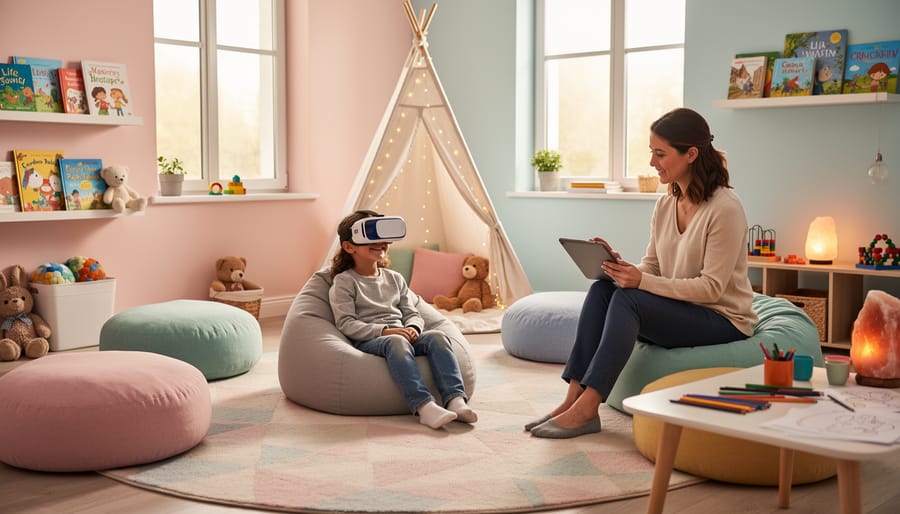
Virtual reality therapy isn’t a single, one-size-fits-all approach. Therapists draw from several virtual trauma intervention types and customize the treatment to match a child’s specific trauma history, developmental stage, and comfort level. The goal is always to create a therapeutic experience that feels manageable and supportive rather than overwhelming.
The most commonly discussed approaches include:
- Graded exposure scenarios that allow children to gradually face trauma-related triggers in a controlled, safe environment
- Calming relaxation settings such as peaceful beaches or forests where children practice coping skills
- Interactive skills practice modules that teach and reinforce anxiety management techniques
- Narrative therapy integration where children build and reshape their trauma story within the virtual space
Exposure-based VR typically involves carefully designed scenarios that relate to a child’s specific trauma. A therapist might start with a very mild version of a triggering situation, then gradually increase intensity only as the child feels ready. This gradual pacing lets children process traumatic memories while feeling genuinely in control.
Relaxation-focused VR takes a different angle. These environments immerse children in soothing spaces where they can practice breathing exercises, mindfulness techniques, or simply experience a sense of calm. Some therapists use these sessions to help children build a mental “safe space” they can return to when feeling anxious.
Skills-building modules teach concrete coping strategies through interactive activities. A child might practice identifying physical signs of anxiety or rehearse calming techniques in scenarios that feel like games rather than traditional therapy exercises.
How a therapist combines these approaches depends entirely on the individual child. A six-year-old who experienced a car accident will need something quite different from a teenager processing complex trauma. The child’s therapist assesses readiness, monitors responses during each session, and adjusts the approach as treatment progresses.
When VR Therapy Might Be Considered
VR therapy typically enters the conversation when a child has been diagnosed with PTSD and traditional approaches haven’t provided sufficient relief, or when the nature of their trauma makes gradual, controlled exposure particularly important. Mental health professionals might consider this option for children who struggle to verbally articulate their experiences, who freeze up when discussing traumatic events, or who need a more structured way to practice coping skills in scenarios that feel similar to what they’ve experienced.
The therapy isn’t a first-line treatment. It becomes part of the discussion after a thorough assessment by a qualified mental health professional who specializes in childhood trauma. Clinicians evaluate whether a child is developmentally ready for exposure-based work, whether they can distinguish between virtual scenarios and reality, and whether they have sufficient emotional regulation skills to engage safely with the process.
Treatment goals vary based on each child’s needs. For some, VR sessions help them gradually approach trauma-related memories without becoming overwhelmed. For others, the technology provides a safe space to practice relaxation techniques or rehearse coping strategies before applying them in real situations. The therapy might address specific fears related to the traumatic event, such as a child who developed anxiety about cars after a motor vehicle accident.
VR therapy works as one component of a broader treatment plan, not a standalone solution. A child receiving VR-based treatment typically continues with other therapeutic interventions, such as individual counseling, family therapy, or medication management when appropriate. The virtual reality sessions complement these approaches rather than replace them, fitting into an overall strategy designed by the child’s treatment team.
What Research Currently Shows
Virtual reality therapy for PTSD in children represents an evolving area of clinical research, and it’s important to understand what we currently know, and what we don’t yet know, about its effectiveness.
Most of the robust research on VR therapy for PTSD has focused on adult populations, particularly military veterans and trauma survivors. The results in these groups have been promising enough to spark interest in pediatric applications. However, research specifically examining VR therapy for children and adolescents with PTSD is still in relatively early stages. While initial studies suggest potential benefits, the evidence base remains limited compared to well-established treatments like trauma-focused cognitive behavioral therapy.
The smaller number of pediatric studies available often involve small sample sizes or focus on specific trauma types, which means we can’t yet draw broad conclusions about how effective VR therapy is across different childhood trauma presentations or age groups. Researchers continue to investigate important questions about optimal treatment protocols, which children might benefit most, and how VR therapy compares to or complements existing approaches. This is similar to the current research landscape for other emerging interventions like neurofeedback for kids where initial findings generate interest but larger-scale studies are needed.
Child psychiatrists and psychologists emphasize that while VR technology offers intriguing possibilities for trauma treatment, families should view it as one potential tool rather than a proven breakthrough. The current state of knowledge supports continued investigation and careful, individualized assessment rather than widespread adoption ahead of stronger evidence. Any decision about VR therapy should involve thorough discussion with qualified mental health professionals who can weigh the emerging research against your child’s specific needs and circumstances.
What Parents Should Know Before Considering VR Therapy
Before exploring VR therapy as a treatment option, you’ll want to equip yourself with the right questions and considerations to make an informed decision alongside your child’s healthcare team.
Start by asking potential providers about their credentials and experience. Look for licensed mental health professionals, psychologists, licensed clinical social workers, or counselors, who have specialized training in childhood trauma and specific certification in the VR platform they use. Ask how many children they’ve treated with VR therapy, what age ranges they work with, and what their typical treatment protocol looks like.
You’ll also want to understand how VR fits into the bigger picture. Effective trauma treatment rarely relies on a single approach. Ask whether VR sessions would complement other therapies your child is receiving, such as cognitive-behavioral therapy, play therapy, or QEEG training. Clarify how many sessions are typically needed and what indicators the therapist uses to measure progress.
Practical considerations matter too. Find out whether your insurance covers VR therapy sessions and what out-of-pocket costs you might face. Ask about the equipment requirements, whether sessions happen only in the therapist’s office or if home-based options exist. If your child has vision issues, motion sensitivity, or physical disabilities, discuss whether accommodations can be made or if VR therapy is appropriate.
Preparing your child is equally important. Talk with them about what VR therapy involves in age-appropriate terms, emphasizing that they’ll be in control and can stop at any time. Let them know a therapist will be right there with them throughout each session. Some providers offer a chance to try the headset in a non-therapeutic setting first, which can help ease anxiety about the technology itself.
Common Questions About VR Therapy for Childhood PTSD
Parents and educators often have practical questions about VR therapy for childhood PTSD. While every child’s situation is unique, understanding the basics can help you have more informed conversations with your child’s healthcare team.
What age is appropriate for VR therapy?
Most clinicians consider VR therapy for children aged eight and older, though some programs work with younger children depending on developmental readiness and comfort with the technology. Your child’s therapist will assess whether they’re ready for this approach.
How long are sessions and how often do they occur?
Sessions typically last 45 to 60 minutes, with the VR component often comprising 15 to 30 minutes of that time. Frequency varies based on the treatment plan, but weekly sessions are common initially.
What happens if my child feels uncomfortable during a session?
Children can remove the headset at any time, and the therapist monitors them throughout. The clinician controls the pace and can adjust the experience immediately if your child shows signs of distress.
Does VR therapy replace traditional counseling?
No, VR is typically one component of a comprehensive treatment plan that includes traditional therapeutic approaches. It’s a tool therapists use alongside other evidence-based interventions, not a standalone replacement.
Finding a qualified provider requires some research. Look for licensed mental health professionals with specific training in both trauma-focused therapy for children and the use of VR in clinical settings. Ask potential providers about their experience treating pediatric PTSD, how many children they’ve worked with using VR, and what training they’ve completed in this modality. Just as AI diagnosis tools require skilled interpretation by trained professionals, VR therapy demands specialized clinical expertise to be effective and safe.
Insurance coverage varies widely. Some policies may cover VR therapy sessions under standard mental health benefits if provided by a licensed clinician, while others may not. Contact your insurance provider before starting treatment to understand what’s covered and whether pre-authorization is needed. Some providers offer sliding scale fees or payment plans if cost is a barrier. Your child’s school counselor or pediatrician may also know of local resources or clinics that offer VR therapy.
Virtual reality therapy represents one of several innovative approaches being explored in the treatment of childhood trauma. While the technology shows promise, it remains an emerging field with ongoing research, particularly in pediatric applications. What works best for one child may not suit another, which is why decisions about any treatment approach should always involve consultation with qualified mental health professionals who can assess your child’s unique needs and circumstances.
If you’re considering VR therapy for a child in your care, approach the conversation with openness and curiosity. Ask questions, seek second opinions, and trust your instincts alongside professional guidance. There’s no single right answer when it comes to treating childhood PTSD, but there are caring professionals and evolving resources available to help you navigate the options.
Remember that seeking help and information is itself an important step. By educating yourself about emerging treatments like VR therapy, you’re better equipped to advocate for the children who depend on you. Every child deserves compassionate, evidence-informed care, and reducing the stigma around mental health treatment starts with conversations like these.