

Online gambling can offer entertainment, but without proper mental health awareness and boundaries, it can quickly shift from a casual pastime into a source of anxiety, financial stress, and family conflict. Responsible online casino play begins with understanding the psychological triggers that make gambling compelling, recognizing early warning signs of problematic behavior, and creating protective strategies for yourself and your family.
The rise of accessible platforms means anyone can claim at moonbet or similar sites within seconds, and while many people gamble recreationally without issues, the convenience can mask risks. Dr. Sarah Chen, a clinical psychologist specializing in behavioral health, explains that gambling activates the brain’s reward system in ways similar to substance use, releasing dopamine that reinforces the behavior regardless of whether you win or lose. For parents, the stakes are particularly high: children in households where gambling occurs are more likely to develop their own gambling behaviors later in life.
This isn’t about judgment. If you’re concerned about your own relationship with online casinos or worried about a family member’s behavior, you’re taking an important first step by seeking information. Mental health education around gambling means understanding why these platforms are designed to keep you engaged, recognizing the difference between entertainment and compulsion, and knowing when casual play crosses into territory that affects your emotional well-being, relationships, or financial stability. The good news? With awareness, clear boundaries, and the right support resources, families can protect themselves while having honest conversations about risk.
The Growing Presence of Online Casinos in Family Life
Online casinos have shifted from isolated websites to an omnipresent digital ecosystem that reaches into family life in ways many parents don’t fully realize. Gambling platforms now operate as sleek mobile apps that live on the same devices children use for homework and social connection. These apps advertise aggressively across social media platforms like Instagram, TikTok, and YouTube, where algorithms don’t distinguish between adult viewers and curious teens scrolling through their feeds.
The advertising itself has become increasingly sophisticated and normalized. Celebrity endorsements, sports sponsorships, and influencer partnerships present gambling as entertainment rather than risk. A parent might watch a football match with their children and encounter multiple betting ads during commercial breaks, or a teen might see their favorite streamer casually mention an online casino site. This constant exposure creates familiarity and erodes the perception of gambling as something requiring caution.
Beyond direct advertising, the lines between gaming and gambling have blurred significantly. Many popular video games now incorporate gambling-like mechanics that condition young players to the psychology of betting without them ever visiting a casino site.
Free-to-play casino games marketed as entertainment serve as gateways, allowing children to experience slot machines and poker without real money stakes. These apps collect data, create habits, and sometimes prompt transitions to real-money platforms once players reach legal age. Parents who wouldn’t dream of taking their children to a physical casino may unknowingly have gambling simulations running on devices in their homes.
This accessibility matters because exposure during childhood and adolescence shapes attitudes and behaviors. When gambling becomes as ordinary as streaming a movie, families need heightened awareness about the mental health vulnerabilities these platforms can exploit and the protective conversations that need to happen early.
Understanding the Mental Health Connection

Why Mental Health Matters in Gambling Behavior
The connection between mental health and gambling isn’t always obvious, but it’s crucial for parents to understand. Research shows that certain mental health conditions significantly increase vulnerability to addictive behaviors, and gambling is no exception.
People living with depression or anxiety often turn to gambling as an escape from emotional pain. The temporary excitement and distraction can feel like relief, even though it typically worsens their underlying condition. Similarly, individuals with ADHD face heightened risk due to impulsivity and difficulty thinking through long-term consequences. The instant gratification of online casinos can be particularly appealing to those whose brains are wired for immediate rewards.
Emotional regulation plays a central role here. When someone struggles to manage difficult feelings in healthy ways, gambling can become a coping mechanism. The adrenaline rush of placing a bet or the hope of a win temporarily masks stress, loneliness, or frustration. Unfortunately, this creates a dangerous cycle where losses trigger more negative emotions, leading to more gambling in an attempt to feel better.
The relationship between family functioning and gambling demonstrates how pre-existing mental health challenges within the household can create conditions where problematic gambling takes root. If you’re struggling with your mental health, you’re not weak or flawed, you’re simply facing additional risk factors that require extra awareness and support.
The Impact on Family Mental Health
When a parent struggles with gambling, the ripples extend far beyond their own behavior. Children absorb the emotional climate of their home, even when adults believe they’re shielding them from the problem.
Financial instability creates persistent anxiety in households affected by gambling. Children notice when bills go unpaid, when promised activities get canceled, or when tension erupts over money. They may not understand the root cause, but they internalize the stress. Research shows that children in financially unstable homes experience higher rates of depression and anxiety, regardless of whether they know gambling is the underlying issue.
The emotional absence of a preoccupied parent takes its toll as well. When gambling becomes consuming, parents have less mental and emotional energy for their children. Kids may feel neglected or develop the belief that they’re not important enough to deserve attention.
Perhaps most concerning is the modeling effect. Children learn coping strategies by watching their parents. When they observe a parent turning to gambling to manage stress, escape problems, or regulate emotions, they internalize that pattern. They may not replicate gambling specifically, but they learn that avoidance and risky behavior are acceptable responses to difficult feelings.
Recognizing Warning Signs of Problem Gambling
Recognizing when casual online casino play becomes problematic isn’t always obvious, especially when it happens gradually. Many people convince themselves they’re still in control even as warning signs accumulate. Understanding these indicators with compassion, whether you’re concerned about yourself or someone you love, is the first step toward addressing a developing problem.
One of the earliest signs is preoccupation with gambling. If thoughts about betting, wins, losses, or your next chance to play dominate your thinking throughout the day, this indicates the activity has taken an unhealthy hold. You might find yourself mentally reliving past sessions, planning future ones, or calculating how to recoup losses.
Financial warning signs often appear next. Chasing losses by betting more to recover money you’ve already lost is a major red flag. So is gambling with money meant for bills, groceries, or savings. If you’re borrowing money, selling possessions, or lying about spending to hide gambling expenses, the behavior has crossed into dangerous territory.
Emotional patterns shift noticeably. Needing to gamble with increasing amounts to feel excitement suggests building tolerance. Feeling restless, irritable, or anxious when you try to cut back indicates dependence. Using gambling to escape problems, relieve stress, or numb difficult emotions, rather than genuinely enjoying it as entertainment, signals unhealthy coping.
Relationship impacts become apparent. Secretiveness about time spent gambling, defensive reactions when questioned, or neglecting family time and responsibilities all point to priorities that have become misaligned. Children may notice a parent’s distraction, mood swings, or unexplained absences.
If several of these patterns sound familiar, it doesn’t mean you’re a bad person or parent. It means you’re dealing with a behavioral health issue that responds well to intervention and support. Recognizing these signs honestly takes courage and opens the door to positive change.
What Responsible Online Casino Play Actually Looks Like
Setting Clear Boundaries
Before you place a single bet, decide exactly how much money and time you can afford to lose. That’s not pessimism, it’s the foundation of responsible play.
Set a monthly gambling budget that won’t affect your rent, groceries, or family needs. Treat this money as gone the moment you deposit it, like buying a movie ticket. Never gamble with money earmarked for bills or savings, and don’t chase losses by adding more funds.
Most legitimate online casinos offer built-in limit tools. Deposit limits cap how much you can add to your account daily, weekly, or monthly. Loss limits stop you automatically when you’ve hit your predetermined threshold. Time reminders nudge you after a set period, and session limits log you out entirely.
Set these controls during a calm moment, not mid-play when emotions run high. Many platforms require a 24-hour cooling period before you can increase limits, which creates a protective buffer against impulsive decisions.
If you find yourself regularly hitting your limits and feeling frustrated rather than accepting them gracefully, that’s a warning sign worth examining.
Emotional Awareness and Self-Monitoring

Before you place a bet, pause and ask yourself a simple question: “How am I feeling right now?” This moment of reflection can be the difference between recreational play and using gambling to numb difficult emotions.
If you’re stressed about work, angry after an argument, or feeling down, these are warning signs. Online casinos shouldn’t be your emotional refuge. When gambling becomes a way to escape problems or manage uncomfortable feelings, you’ve crossed into risky territory. Research consistently shows that people who gamble to cope with negative emotions face significantly higher rates of developing gambling problems.
Keep a mental or written log of when you feel drawn to play. Notice patterns. Do you reach for gambling apps after a frustrating day? During lonely evenings? When anxious about finances? These patterns reveal whether you’re seeking entertainment or emotional relief.
Healthy entertainment enhances good moods or provides neutral relaxation. It doesn’t serve as your primary stress management tool. If you find yourself thinking “I need this” rather than “This might be fun,” step back.
Practice checking your emotional temperature regularly during play too. Are you chasing losses because you’re frustrated? Betting more because you’re bored? Continuing past your limits because stopping feels uncomfortable? These emotional cues tell you when to walk away.
If you notice you’re consistently gambling to feel better rather than for enjoyment, it’s time to develop healthier coping strategies and consider speaking with a mental health professional.
Protecting Children and Teens
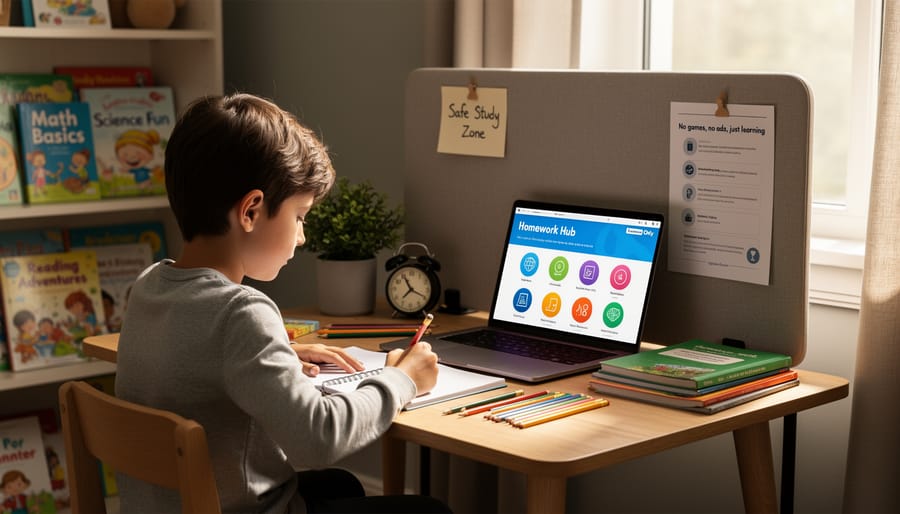
Protecting your children from gambling-related harm starts with creating both digital safeguards and open communication in your family.
Monitor what your children see online. Gambling advertisements appear on social media platforms, YouTube videos, and even within free-to-play games that children use regularly. Review privacy settings together on their devices, use parental controls to block gambling sites, and discuss why certain ads are designed to make gambling look glamorous or exciting. Sponsorships from betting companies appear during sports broadcasts that children watch, be ready to explain what you’re seeing together.
Have age-appropriate conversations that match your child’s developmental stage:
- Ages 5-8: Explain that some games are only for adults and can make people lose money. Keep it simple: “Those games can trick your brain into wanting to play more and more.”
- Ages 9-12: Discuss how gambling works, that the house always wins, and why companies spend billions on advertising. Teach critical thinking about sponsored content and influencers promoting betting.
- Ages 13-17: Have honest discussions about addiction, the mental health risks, family finances, and the specific vulnerabilities teens face. Acknowledge peer pressure and the appeal of quick money while teaching long-term thinking.
These conversations work best when they’re ongoing rather than one-time lectures. Use emotion coaching techniques to help children process what they see in media and understand their own impulses around risk-taking.
Model healthy digital behavior yourself. Children notice if you’re spending significant time on betting apps, chasing losses, or showing distress about gambling outcomes. Your relationship with money, risk, and digital entertainment teaches them more powerfully than any conversation. If you choose to gamble occasionally, demonstrate the boundaries you’ve set, stick to your limits, stop when planned, and talk openly about viewing it as paid entertainment rather than a money-making strategy.
Check in regularly with teens about what they’re seeing online and whether friends are gambling. Some teens access betting platforms using fake IDs or through older siblings. Create a judgment-free environment where they can tell you if they’ve tried gambling or feel pressured to participate.
Where to Find Help
Seeking help for gambling concerns takes courage, and you’re not alone in this journey. Whether you’re worried about your own behavior or supporting a family member, professional support can make a profound difference.
The National Council on Problem Gambling operates a confidential 24/7 helpline at 1-800-522-4700, offering immediate support and referrals to local treatment resources. Their trained counselors understand the complex relationship between gambling and mental health. For those who prefer texting, you can reach them at 800-522-4700 as well.
Gamblers Anonymous provides free peer support groups in communities nationwide and online. These meetings connect you with others who understand the challenges firsthand and offer proven strategies for recovery. Many people find that sharing their experiences in a supportive environment reduces shame and isolation.
For mental health support specifically, Psychology Today’s therapist directory lets you search for counselors specializing in both gambling addiction and co-occurring conditions like anxiety or depression. Many therapists now offer teletherapy options for added convenience and privacy.
If gambling has created family stress, consider reaching out to family counselors who can help everyone process emotions and rebuild trust. Children affected by parental gambling often benefit from their own therapeutic support to address anxiety and other screen time risks they may face.
Your insurance provider can connect you with covered mental health services, and many employers offer free confidential counseling through Employee Assistance Programs. Financial counseling services can also help address debt-related stress.
Remember, asking for help demonstrates strength and commitment to your family’s wellbeing. Recovery is absolutely possible with the right support.
Frequently Asked Questions
Can gambling addiction actually be treated?
Yes, gambling addiction is a treatable condition. Evidence-based therapies like cognitive behavioral therapy (CBT) have proven effective, and many people achieve lasting recovery with professional support, peer groups, and family involvement.
How do I talk to my teen about online betting without sounding preachy?
Start by asking what they’ve seen or heard about gambling rather than lecturing. Share the facts about how betting apps are designed to be addictive, acknowledge the appeal of quick money, and focus on protecting their mental health and financial future rather than just saying “don’t do it.”
Is my partner’s gambling affecting our children even if they don’t know about it?
Children pick up on financial stress, arguments, and emotional distance even when the gambling itself is hidden. The anxiety and instability in the household can affect their sense of security and emotional well-being, making it crucial to address the problem and protect the family environment.
What are the first steps to get help for problem gambling?
Reach out to a gambling helpline for confidential guidance, talk to your doctor who can refer you to appropriate treatment, and consider telling a trusted friend or family member. Taking that first step to acknowledge the problem and ask for support is often the hardest part, but it opens the door to recovery.
These questions reflect real concerns parents face when gambling intersects with family life. Remember that asking for help shows strength and commitment to your family’s well-being. Many parents worry about judgment when seeking support, but counselors and helplines exist specifically to offer compassionate, practical guidance without shame.
Beyond direct treatment for gambling issues, families benefit from broader mental health support. Teaching children cyber safety tips helps protect them from gambling advertising and predatory apps targeting young people. Family therapy can address the trust and communication issues that often accompany problem gambling, while individual counseling supports children processing the stress they’ve experienced.
Recovery is not just possible but common with appropriate support. Thousands of families have navigated this challenge successfully, rebuilding financial stability and emotional closeness. The resources available today are more accessible and less stigmatizing than ever before, making it easier to take that crucial first step toward healing.
Understanding the connection between mental health and gambling behavior empowers you to make informed choices that protect your family’s well-being. If you’re struggling with online casino use, know that it doesn’t reflect a moral failing, it’s often linked to underlying mental health needs that deserve compassionate attention.
Your children are watching how you navigate challenges and manage stress. By prioritizing your own mental health, setting clear boundaries around gambling, and speaking openly about both struggles and solutions, you model the resilience and self-awareness they’ll carry into their own lives.
Recovery is possible, and you don’t have to face this alone. Whether you need help for yourself or want to support a family member, community supports and professional resources exist specifically to guide families through these challenges. Taking that first step toward help is an act of courage and love.