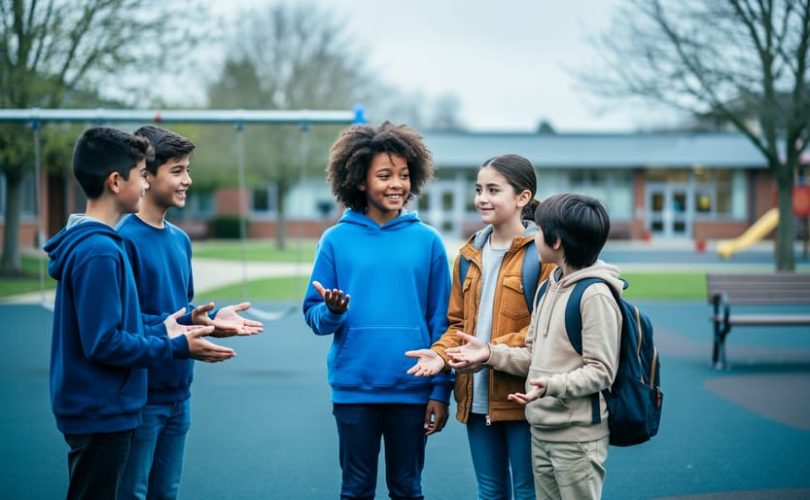
Peer-mediated intervention is an approach that trains children and teens to support their classmates who are struggling with social challenges, emotional difficulties, or experiences like bullying. Instead of relying solely on adults to intervene, this strategy equips selected students with skills to include, befriend, and advocate for peers who need support.
When your child comes home upset about being left out at recess or targeted by classmates, your first instinct is to call the teacher or principal. That’s natural and sometimes necessary. But here’s what research over the past two decades has shown: peers often have more opportunities and influence than adults to shift social dynamics in real time. The moments that matter most happen in hallways, lunchrooms, and group chats where no adult is present.
Peer-mediated interventions work because they tap into something powerful. Children care what their peers think. A kind word from a classmate can mean more than ten adult lectures about being nice. When students see their friends standing up to bullying or reaching out to someone sitting alone, those behaviors become socially valued rather than risky.
This article explains what peer-mediated intervention actually looks like in practice, the different models schools use (from peer mentoring to whole-class approaches), and what the evidence tells us about effectiveness and safety. You’ll learn how these programs are structured, what training peer mediators receive, and the important safeguards that distinguish effective programs from well-intentioned efforts that might inadvertently put students at risk.
Understanding this approach matters whether you’re considering it for your school, evaluating a program your child is participating in, or simply wondering if there are alternatives to traditional adult-led anti-bullying efforts. The goal isn’t to replace adult supervision but to harness the natural social influence students already have.
What Peer-Mediated Intervention Means
Peer-mediated intervention is a structured, adult-supervised approach where trained students actively work to prevent and address bullying within their school community. Unlike casual friendship or someone simply being nice to a classmate who’s struggling, PMI involves specific training, defined roles, and clear protocols. These aren’t just kind kids helping out, they’re students who’ve learned concrete skills like recognizing different forms of bullying, supporting peers in distress, and knowing exactly when a situation needs adult involvement.
The formal nature matters. When a school implements a PMI program, selected students receive training in conflict resolution, active listening, and understanding power dynamics. They learn what bullying actually looks like beyond the obvious physical aggression, the subtle exclusion, the online harassment, the rumors that destroy reputations. They practice responses, discuss scenarios, and understand their boundaries. This preparation separates PMI from informal peer support, which, while valuable, lacks the structure and accountability that make intervention safe and effective.
- Peer mediator
- A trained student who helps classmates resolve conflicts through structured negotiation and communication techniques.
- Bystander intervention
- Actions that witnesses take to interrupt bullying or support targets, shifting from passive observation to active help.
- Social architecture
- The intentional design of peer relationships and school culture to prevent bullying before it starts.
- Peer advocate
- A student who speaks up for vulnerable classmates and works to include those who are isolated or targeted.
- Restorative practices
- Approaches that repair harm and rebuild relationships rather than simply punishing those who caused hurt.
Why does this work where adult-only interventions often fall short? Peers occupy a unique position in the social ecosystem of schools. They witness the hallway exchanges, the lunch table dynamics, and the online conversations that adults never see. A teacher can’t be everywhere, but students are. Beyond visibility, peers shape the social norms that determine what’s acceptable behavior. When respected students make it clear that excluding someone or spreading rumors isn’t okay, that message carries weight that no adult lecture can match.
There’s also the trust factor. A child who’s being bullied often fears that telling an adult will make things worse, that they’ll be labeled a snitch or that clumsy adult intervention will escalate the situation. But accepting help from a trained peer feels different. It’s less formal, less risky, and often more immediately comforting. Peer mediators speak the same language, understand the social context, and can offer solutions that actually fit the reality of student life.
How Peer-Mediated Intervention Works in Practice
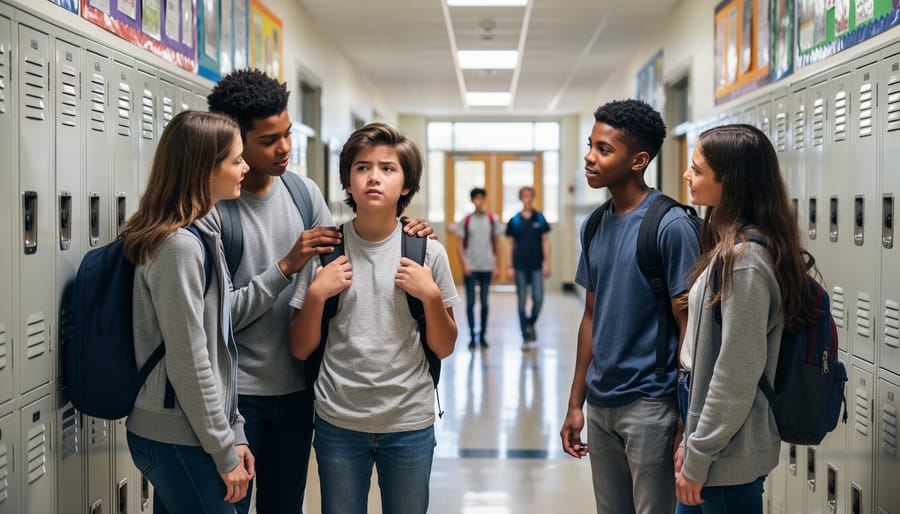
The Training Foundation
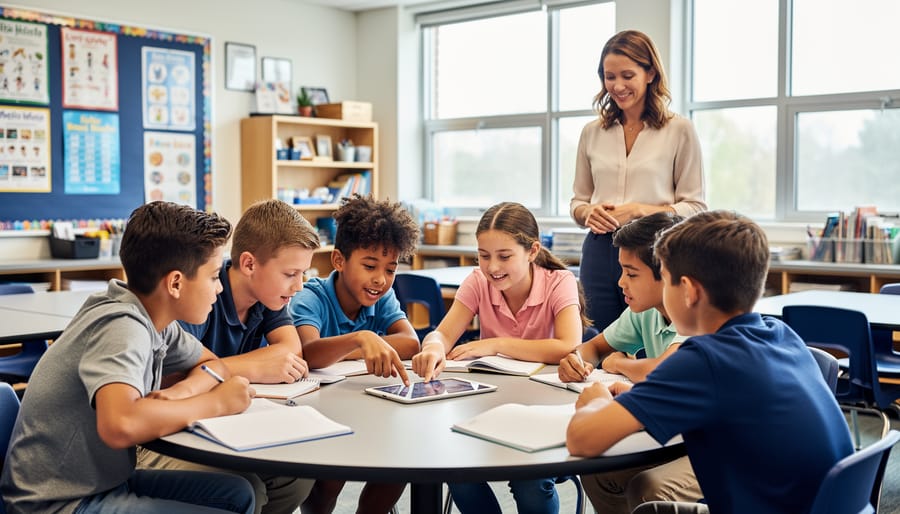
Before students become peer mediators, they go through careful selection and comprehensive training. Schools typically look for students who show empathy, good communication abilities, and trustworthiness, not necessarily the most popular kids, but those their peers respect and feel comfortable approaching. Some programs invite applications while others use teacher nominations combined with student input.
The training itself covers essential skills that transform willing students into effective mediators. They learn active listening techniques, how to hear what someone is really saying beyond their words, and how to reflect feelings back without judgment. Conflict resolution training teaches them to help peers find solutions rather than taking sides or imposing their own ideas.
A crucial component involves recognizing the many faces of bullying: physical aggression, verbal attacks, social exclusion, cyberbullying, and subtle forms like spreading rumors or manipulating friendships. Trainees also explore power dynamics, understanding that bullying isn’t just conflict between equals, but involves an imbalance where one person has more social power, physical strength, or access to embarrassing information.
Programs emphasize emotional regulation skills so mediators can stay calm during tense situations. Perhaps most importantly, students learn clear boundaries: which situations they can handle (minor conflicts, social misunderstandings, early-stage tensions) and when they must immediately involve adults (physical violence, threats, severe distress, or situations beyond their skill level). This “know when to escalate” training protects both mediators and the students they’re trying to help.
The Intervention Process
When a trained peer mediator observes bullying or someone reports it to them, they follow a careful sequence that prioritizes safety while providing immediate support.
The process typically starts with assessment. The peer mediator first evaluates whether the situation is safe for them to approach, if there’s physical violence, weapons, or extreme aggression, they immediately alert an adult rather than intervening directly. For situations they can safely address, they approach calmly and use their training to de-escalate.
The initial intervention often involves interrupting the dynamic without confrontation. A peer mediator might invite the target to join them elsewhere (“Hey, want to come work on the project with us?”), redirect the group’s attention, or simply stand near the target as a visible ally. These subtle actions can stop bullying without direct confrontation that might escalate tension.
If the situation allows, peer mediators talk privately with the target afterward. They listen without judgment, validate the person’s feelings, help identify next steps, and stay connected over following days. This follow-up matters enormously, many targets say that knowing someone noticed and cared made all the difference.
Throughout this process, peer mediators maintain contact with their adult supervisors. They report what happened through established channels, discuss difficult situations during regular check-ins, and recognize when professional help is needed. The program works because peers provide the immediate presence and relatability that adults can’t, while trained professionals maintain oversight and handle serious cases.
The Support System
Behind every effective peer mediation program stands a structured support system that keeps students safe and interventions appropriate. Adult supervisors, typically school counselors or trained teachers, meet with peer mediators at least weekly to review cases, discuss challenges, and process emotionally difficult situations. These check-ins help adults spot warning signs of mediator burnout or situations that have escalated beyond peer-level resolution.
Ongoing training throughout the school year keeps skills sharp and introduces new scenarios as mediators gain experience. Many programs hold monthly refresher sessions covering topics like managing their own stress or handling resistance from peers.
The backbone of any quality program is a clear escalation protocol. Mediators learn specific triggers that require immediate adult involvement: threats of violence, severe emotional distress, suspected abuse, or situations involving weapons or substances. When in doubt, students know the rule: escalate up. This framework protects both the mediators and the students they’re helping, ensuring peer intervention enhances rather than replaces professional support.
Different Types of Peer-Mediated Approaches
Peer Mediation Programs
Peer mediation programs are the most formal structure within the PMI framework. Selected students receive extensive training in conflict resolution techniques, active listening, reframing statements, identifying common ground, and guiding disputants toward mutually acceptable solutions. When conflicts arise (excluding physical violence or serious bullying), the trained mediators facilitate structured sessions where both parties tell their stories, express feelings, and work collaboratively toward resolution. These programs work particularly well for relational conflicts because they help students develop skills in negotiation and perspective-taking that strengthen peer relationships and identity. Adult coordinators supervise the process, maintain confidentiality protocols, and step in when situations escalate beyond peer capacity. The mediators don’t impose solutions, they create space for peers to find their own.
Peer Mentoring and Buddy Systems
Peer mentoring and buddy systems pair older or socially skilled students with classmates who might be vulnerable to bullying, new students, those with social difficulties, or kids who’ve been targeted before. Unlike formal mediation, these relationships focus on ongoing friendship and presence rather than conflict resolution.
The mentor’s role is protective but subtle: sitting with their buddy at lunch, including them in activities, walking with them between classes, and modeling positive social skills. Many programs also include regular check-ins where mentors help their buddies navigate social challenges and build confidence.
Elementary schools often use buddy benches or lunch bunch programs where trained students watch for isolation and extend invitations. Secondary schools typically create structured mentoring pairs with scheduled activities and goals. The relationship itself becomes the intervention, bullies are less likely to target someone who has visible, consistent peer support.
Bystander Intervention Training
Bystander intervention training takes a different approach by equipping every student, not just select mediators, with tools to respond when they witness bullying. These programs recognize that the silent majority who watch bullying unfold hold tremendous power to change outcomes. Students learn simple, safe techniques like making eye contact with the target to show solidarity, using humor to defuse tension without confronting the bully directly, or inviting the target to join them elsewhere. The training emphasizes that even small actions matter: walking away with the person being bullied, speaking up later in private, or telling a trusted adult all count as intervention. By spreading this knowledge school-wide, these programs shift the culture from passive observation to collective responsibility. When enough students understand that doing something is better than doing nothing, bystanders become upstanders, and bullying loses its silent audience.
Peer Support Teams
Peer support teams consist of a diverse group of students, typically eight to twelve per school, who are trained to spot the warning signs of social isolation and bullying, then reach out with genuine friendship and practical help. Unlike peer mediators who wait for conflicts to come to them, support teams proactively scan lunchrooms, hallways, and playgrounds looking for students sitting alone, being excluded, or showing signs of distress. When they notice someone struggling, team members approach naturally, inviting them to join their lunch table, including them in playground games, or simply starting a friendly conversation. They also coordinate efforts to ensure vulnerable students don’t fall through the cracks, communicating regularly with supervising adults about students who need extra support. These teams work particularly well in larger schools where isolation can go unnoticed.
When and How Schools Use Peer-Mediated Intervention
Preventive Applications
Peer-mediated programs work best when they stop bullying before it begins. Trained peer mediators create this preventive effect simply by being visible in hallways, cafeterias, and playgrounds, places where adults can’t always be. Their presence sends a clear message: someone is watching, someone cares, and harmful behavior won’t go unnoticed.
These students actively shape what’s considered acceptable. When respected peers publicly welcome new students, invite isolated classmates to join activities, or calmly redirect mean comments, they establish social norms more powerfully than any adult lecture could. Kids naturally look to their peers for cues about what’s cool and what’s not.
Peer mediators also identify vulnerable students early and create protective relationships before problems escalate. A trained buddy who sits with a lonely child at lunch or includes them in playground games provides both immediate friendship and a shield against potential targeting. This proactive inclusion addresses the isolation that often precedes bullying.
Schools report that strong peer mediation programs gradually shift the entire climate. Students start calling out unkind behavior themselves, bystanders intervene more often, and targets feel safer asking for help, all before serious bullying takes hold.
Intervention Applications
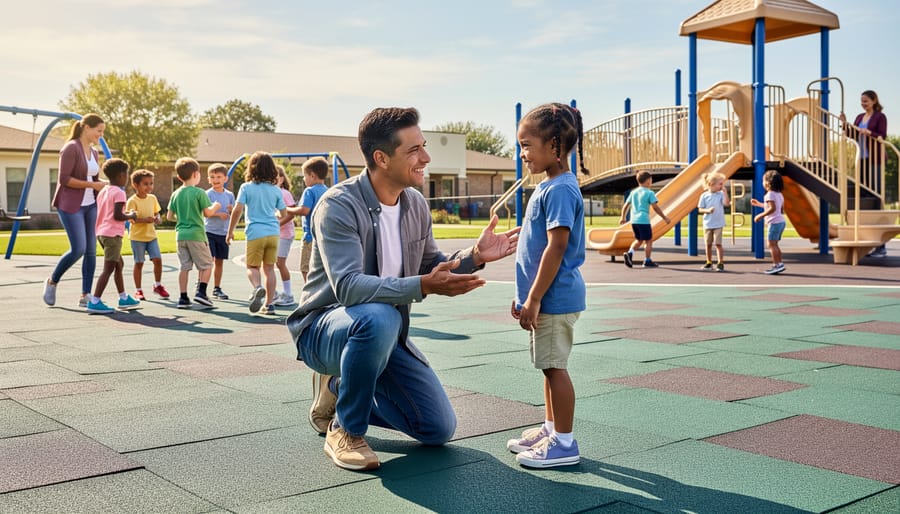
When bullying is happening, trained peer mediators follow clear protocols that balance immediate action with safety. Their first response is often simply being present, standing near the target, making eye contact, or starting a casual conversation that interrupts the dynamic. This visible presence frequently stops the behavior without direct confrontation.
For low-level incidents like exclusion or teasing, peers might invite the targeted student to join them, redirect the conversation to neutral topics, or calmly address the behavior: “That’s not cool” or “We don’t do that here.” They’re trained to use “I” statements and focus on changing the immediate situation rather than lecturing.
However, peer mediators know their limits. Physical aggression, cyberbullying threats, sexual harassment, or situations involving weapons always require immediate adult notification. They learn to recognize when power imbalances are too severe for peer intervention and when emotions are too high for mediation to be safe.
The most critical skill trained peers develop is judgment, knowing the difference between “I can help de-escalate this” and “I need to get an adult now.” Effective programs emphasize that getting help isn’t failure; it’s the responsible response that keeps everyone safe.
Recovery and Reintegration
After formal bullying interventions, the hardest work often begins: helping everyone move forward. Trained peer mediators play a crucial role here, offering what adults can’t, authentic peer connection during a vulnerable time.
For targets, peer supporters provide consistent friendship and social reintegration. They might sit with them at lunch, include them in activities, or simply check in regularly. This visible peer acceptance helps counter the isolation bullying creates and signals to the wider student body that the target has allies.
Those who bullied also need pathways back into the community. Peer mediators can facilitate this carefully, not excusing behavior, but modeling how to rebuild trust through accountability and changed actions. They might help structure apologies, create opportunities for positive interactions, or acknowledge genuine efforts to change.
This reintegration work requires careful adult oversight and ongoing support for the peer mediators themselves, who need help navigating these delicate dynamics without taking on responsibility for outcomes.
What Research Tells Us About Effectiveness
Research on peer-mediated intervention shows genuine promise, though the results depend heavily on how programs are designed and implemented. Multiple studies have found that well-structured PMI programs can reduce bullying incidents by 20 to 30 percent in schools that maintain them consistently. The effects go beyond individual interventions, these programs often improve overall school climate, making students feel safer and more connected to their peers.
One particularly interesting finding is that peer mediators themselves benefit significantly from participating. Students trained in PMI report increased empathy, stronger leadership skills, and a deeper sense of self through friendship and community responsibility. They’re learning conflict resolution skills that serve them well beyond school walls. Research also shows that targets of bullying respond more positively to peer support than they do to some adult-led interventions, likely because peers witness situations adults miss and because children sometimes feel less stigmatized accepting help from classmates.
However, the evidence comes with important caveats. Programs that lack adequate training, ongoing supervision, or clear protocols show minimal impact and can even backfire. One study found that poorly implemented peer mediation sometimes increased stress for student mediators who felt overwhelmed or unsupported. Cultural context matters too, PMI approaches that work well in schools with strong community bonds may struggle in highly competitive or socially fragmented environments.
The research consistently points to quality over quick fixes. Schools that invest in comprehensive training, maintain active adult oversight, and integrate PMI into broader bullying prevention strategies see the best outcomes. Those that treat it as a low-cost substitute for professional intervention typically don’t. The evidence suggests PMI works best when it builds on the natural emotional strength from friends that already exists among students, giving them structure and skills to channel that support more effectively.
Real Stories: Peer Intervention in Action
At Riverside Elementary, fourth-grader Maya noticed a new student named Jordan eating alone every day at lunch. Through her school’s buddy program training, Maya had learned to recognize social isolation as a red flag. Instead of just feeling sorry for Jordan, she had tools to help.
Maya approached Jordan and invited him to join her lunch table. Over the next weeks, she introduced him to other students, included him in playground games, and checked in daily. When she overheard two classmates making fun of Jordan’s accent, Maya spoke up immediately, not confrontationally, but by redirecting the conversation and later privately explaining why their words hurt. She also reported the incident to her teacher, following her training protocol.
Within a month, Jordan had a circle of friends. His mother later told the principal that the buddy program “gave my son back his confidence.” For Maya, the experience taught her that small, consistent actions create real change. She continued as a peer buddy through fifth grade, helping three more students navigate their way into the school community.
At Northgate Middle School, the peer mediation team faced a tougher challenge. Seventh-graders Aisha and Chloe had been best friends until a social media dispute turned ugly. Chloe started spreading rumors, and Aisha retaliated by excluding her from group activities. The conflict was poisoning their entire friend group.
Two trained peer mediators, eighth-graders Marcus and Lily, facilitated a structured mediation session. They created a safe space where both girls could express their hurt without interruption. Through careful questioning, they helped Aisha and Chloe understand each other’s perspectives and identify the actual problem, a misunderstanding about a cancelled plan.
The mediation didn’t instantly restore the friendship, but it stopped the escalation. Both girls agreed to stop the rumors and exclusion. Three months later, they weren’t best friends anymore, but they could coexist peacefully. Their friend group stabilized, and other students saw that conflicts could be resolved without adults imposing solutions.
What Parents and Teachers Should Know
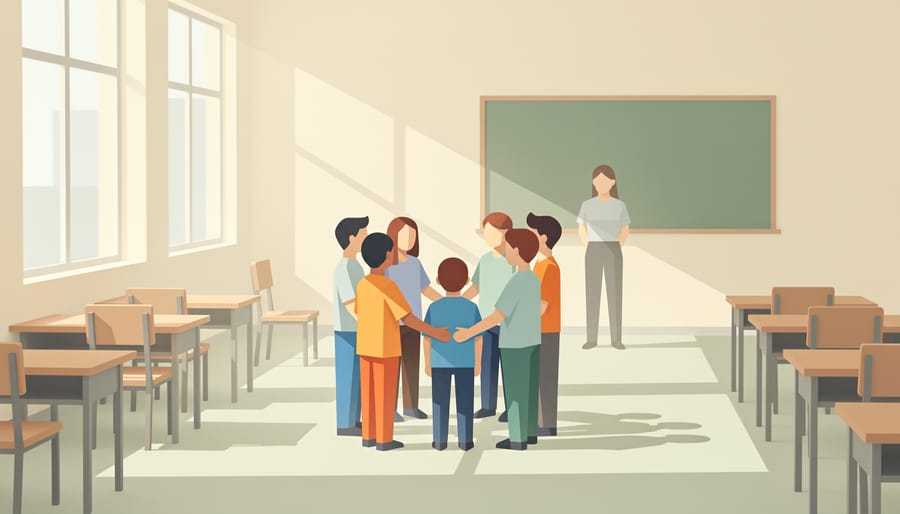
If you’re considering peer-mediated intervention for your school or want to support your child’s participation, here’s what matters most.
Look for Quality Implementation
Not all PMI programs are created equal. Strong programs include ongoing adult supervision, clear protocols for when situations need professional intervention, and regular training updates, not just a one-time workshop. Ask whether peer mediators receive consistent support through debriefing sessions where they can process difficult situations with trained adults. Quality programs also track outcomes and adjust based on what’s working.
The best programs emphasize that peer mediators are helpers, not enforcers or counselors. They should never be left to handle serious incidents alone or feel responsible for “fixing” bullying on their own.
Supporting Your Child as a Peer Mediator
If your child becomes a peer mediator, they’ll likely feel pride in the role but may also carry emotional weight from witnessing peer struggles. Check in regularly without prying, ask open-ended questions like “How did it feel to help today?” rather than demanding details about specific situations.
Help them understand boundaries. Peer mediators aren’t therapists and shouldn’t sacrifice their own well-being or supportive friendships to constantly rescue others. Watch for signs of burnout, including withdrawal, anxiety about school, or feeling overwhelmed by peer problems.
Remind them that asking adults for help isn’t failure, it’s exactly what they’re trained to do in serious situations.
When Your Child Experiences Bullying
If your child is being bullied, peer mediation can be helpful for lower-level conflicts, but don’t rely on it exclusively. Always inform school administrators about ongoing bullying. Peer mediators work best as part of a comprehensive response that includes adult intervention and clear consequences.
Some situations, physical violence, severe emotional abuse, cyberbullying campaigns, require immediate adult action, not peer mediation.
Advocating for PMI Programs
If your school lacks peer-mediated intervention, start conversations with administrators and parent groups. Share research on effectiveness, offer to help organize community interest, and connect leadership with schools that have successful programs. Frame PMI as complementary to existing efforts rather than a replacement for adult responsibility.
Change takes time, but parent advocacy often sparks the initial momentum schools need to explore new approaches.
Common Questions About Peer-Mediated Intervention
Parents and educators often have legitimate concerns when they first encounter peer-mediated intervention programs. Understanding these worries, and the research-based responses, helps adults make informed decisions about implementing or supporting PMI in their schools.
Is it safe to put this responsibility on students?
When properly structured, yes. Quality PMI programs train peers to recognize situations beyond their scope and provide clear escalation protocols. Peer mediators handle social conflicts and minor incidents, never serious bullying involving physical violence, threats, or significant power imbalances, those situations always go to adults immediately.
What if peer mediators become targets themselves?
This is rare in well-run programs because mediators work visibly with adult support, which typically increases their social status rather than making them vulnerable. Programs should monitor this risk closely and provide immediate intervention if any mediator faces retaliation.
How young is too young for peer mediation?
Most experts recommend starting no earlier than third or fourth grade for formal mediation roles. Younger children can participate in simpler buddy systems or friendship programs that don’t require the complex judgment and emotional regulation that mediation demands.
What’s the typical time commitment?
Initial training usually requires 6-12 hours, followed by monthly refresher sessions of one to two hours. Active mediation time varies but typically averages two to four hours per week, scheduled during lunch, advisory periods, or designated times that don’t interfere with academics.
How do you measure whether PMI is working?
Schools track incident reports, climate surveys, observation data, and student feedback. Effective programs show decreasing bullying reports over time, improved feelings of safety in surveys, and positive feedback from both mediators and the students they’ve helped.
What happens when peer mediation doesn’t resolve a situation?
Trained mediators know to escalate unresolved conflicts to counselors, teachers, or administrators. The goal isn’t for peers to solve everything, it’s to address what they can handle while ensuring serious situations get professional attention promptly.
Another common question centers on selection bias: won’t programs just pick the “good kids” who already behave well? Strong PMI initiatives intentionally recruit diverse mediators, including students who’ve made mistakes or struggled socially, because they often bring valuable perspective and credibility with peers who don’t trust authority figures.
Some parents worry their child will take on emotional burdens they’re not equipped to handle. Quality programs address this through regular debriefing sessions where mediators can process difficult situations with counselors, clear boundaries around what peers handle versus what adults manage, and ongoing check-ins to prevent burnout. Mediators learn that their role is to support, not to fix or carry responsibility for outcomes.
The research shows that most concerns stem from poorly implemented programs rather than inherent problems with the peer mediation concept itself. When schools invest in proper training, maintain active adult oversight, and create clear protocols, PMI becomes a safe and effective tool that benefits everyone involved.
Peer-mediated intervention isn’t a silver bullet for bullying, and it was never meant to be. It works best as one part of a broader prevention strategy that includes clear policies, engaged adults, and supportive school culture. What makes PMI uniquely powerful is how it shifts the social dynamics that allow bullying to thrive in the first place.
When students learn to recognize cruelty, speak up safely, and support their vulnerable peers, they’re not just stopping individual incidents. They’re reshaping what’s acceptable in their community. The research backs this up: schools with strong peer intervention programs see not just fewer bullying reports, but genuine changes in how students treat one another day to day.
The ripple effects extend far beyond middle school hallways. Children who learn to be effective advocates and allies carry those skills into adulthood. They become the coworkers who call out harassment, the neighbors who check on struggling families, the citizens who stand up for people targeted by injustice. These aren’t abstract benefits. They’re practical outcomes we can trace.
For parents and educators worried about their children’s safety and well-being, PMI offers something concrete: a way to build protective relationships from the inside out. Yes, it requires investment in training, supervision, and ongoing support. But schools that commit to doing it well consistently report that it transforms not just their bullying problem, but their entire school climate. That’s a return worth pursuing.