
Mental health, for a child, means being able to feel, express, and work through emotions in ways that fit their age, while still learning, playing, and connecting with others. That’s the whole definition in a sentence, and it’s meant for parents, teachers, and professionals who want a clear way to tell healthy emotional development from signs that a child may need extra support.
Here’s the part that surprises many adults: good mental health doesn’t mean a child is happy all the time. Tantrums at four, mood swings at thirteen, and nerves before a first day of school are all part of growing up. What matters is how long a feeling lasts, how strong it is, and whether it gets in the way of daily life.
Getting this right early matters. The Mental Health Commission of Canada says healthy emotional and social development in the early years lays the foundation for mental health and resilience throughout life. It also reports that 70 per cent of people living with a mental illness see their symptoms begin before age 18.
That’s not meant to alarm you. It’s a reason to learn the difference, and this guide will help you do it with confidence and compassion.
Healthy Development vs. Warning Signs: A Quick Side-by-Side
If you only have a minute, this is the short version. Every child has hard days, and a single rough week is not a sign that something is wrong. What matters is the pattern: how long a change lasts, how strong it feels, and whether it keeps getting in the way of ordinary life.
| Area of life | What healthy development often looks like | What may be a warning sign worth discussing |
|---|---|---|
| Mood | Ups and downs that pass, with big feelings after a tough day | Sadness, irritability, or worry that lingers for weeks |
| Behaviour | Tantrums, testing limits, or being clingy now and then | Sudden, lasting changes that seem out of character |
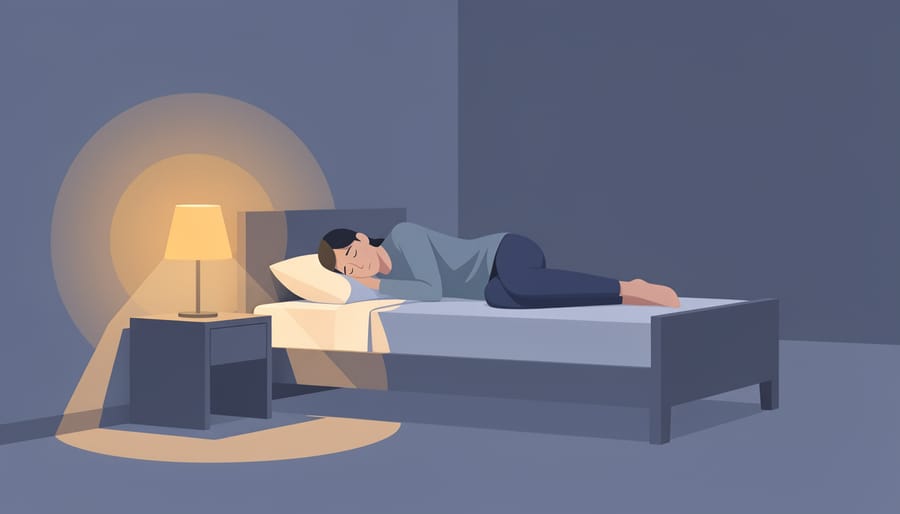
| Sleep | Occasional restless nights or bedtime pushback | Ongoing trouble sleeping, frequent nightmares, or sleeping far more than usual |
| Friendships | Falling out with a friend, then making up | Pulling away from people and activities they used to enjoy |
| School | Nerves before a test or a new teacher | Dread, avoidance, or a steady drop in focus and effort |
| Coping | Seeking comfort, talking it out, bouncing back with support | Struggling to settle at all, even with a caring adult nearby |
Think of this table as a gentle guide, not a checklist for labelling your child. Children grow quickly, and what looks concerning at one age can be perfectly typical at another. The Mental Health Commission of Canada notes that healthy emotional and social development in the early years lays the foundation for mental health and resilience throughout life. Noticing a change is simply a way of paying attention. The sections ahead explain each side in more detail.
What Do We Mean by Children’s Mental Health? Two Ways of Looking at It

Healthy Emotional Development: The Foundation
Healthy emotional development is how a child learns to feel, name, and manage emotions, build relationships, and bounce back when things go wrong. It doesn’t mean a child is calm and cheerful all the time. Big feelings, tantrums, shyness, and worries about the dark or a new school are normal parts of growing up. They’re often signs a child is practising skills they haven’t mastered yet.
This early learning matters. The Mental Health Commission of Canada says healthy emotional and social development in the early years lays the foundation for mental health and resilience throughout life. You’ll see this idea in the commission’s work on early emotional development and building your own mental health literacy can help you respond with confidence.
A few plain-language terms will help throughout this guide:
- Mental health
- How a child feels, thinks, connects with others, and copes with everyday life.
- Emotional development
- The gradual process of learning to understand, express, and manage feelings.
- Resilience
- The ability to recover from setbacks and keep going, which grows with support.
- Mental health concern
- A struggle that lasts, feels intense, or gets in the way of daily life, even without a diagnosis.
Knowing these words makes it easier to talk about what you see, without blame or worry.
Warning Signs: When a Struggle Needs More Support

Every child has hard days. What shifts a behaviour from “typical” to “worth a conversation” usually comes down to a few simple questions. Has it lasted for weeks rather than days? Is it much stronger than you’d expect for your child’s age? Does it show up at home, at school, and with friends, not just in one place? And is it getting in the way of sleep, schoolwork, friendships, or family life?
Take a child who has always been chatty but now eats lunch alone, lies awake for hours, and says their stomach hurts every morning. None of those things is alarming on its own. Together, and lasting a while, they tell you something has changed and your child may need more support.
If you’re wondering what to look for, our guide to critical warning signs walks through the patterns in more detail.
Noticing early is an act of care, not blame. It doesn’t mean you did something wrong, and it doesn’t mean your child is broken. The Mental Health Commission of Canada says 70 per cent of people living with a mental illness see symptoms begin before age 18, so paying attention now can make it easier to get help sooner.
How the Two Compare, Dimension by Dimension
Duration, Intensity, and Impact on Daily Life
Every child has hard days. What helps most is asking three simple questions that mental health professionals often use: how long has this lasted, how strong is it, and how much is it getting in the way of daily life?
Take test anxiety. A child who feels fluttery and a little sleepless the night before a big exam is having a very ordinary reaction. But a child whose worry builds for weeks, brings stomachaches every morning, and ends in tears at the front door because they can’t face going to school is telling us something different. The feeling is the same, but the length, strength, and impact are not. If school is where the struggle shows up, resources on school mental health can help you think through next steps with teachers and staff.
When you’re unsure, a few gentle questions can bring clarity:
- Has this been going on for more than a couple of weeks, or is it tied to one stressful event?
- Is the feeling much bigger than I’d expect for what happened?
- Does it show up in more than one place, like home, school, and with friends?
- Is it affecting sleep, appetite, friendships, or schoolwork?
- Is my child able to bounce back with comfort and support?
Answering “yes” to several of these isn’t a diagnosis. It’s simply a sign that a caring conversation, and perhaps some extra support, is worth having.
Ages and Stages: What Changes From Toddlers to Teens
What counts as typical, and what deserves a second look, shifts as children grow. Knowing the stage helps you read behaviour with more patience and more accuracy.
In toddlers and preschoolers, emotions often show up through play, sleep, and behaviour rather than words. Tantrums, clinginess at drop-off, and a few wobbly bedtimes are part of learning to manage big feelings. It may be worth a conversation if a young child seems unusually fearful, loses skills they had before, struggles to settle for long stretches, or has separation distress that stays intense well beyond the usual adjustment period.
School-age children are building focus, friendships, and confidence. Ordinary ups and downs include nerves before a new teacher or a falling-out with a friend. Look more closely if worry or sadness keeps a child from joining in, concentration drops noticeably, friendships fade, or they often report stomachaches and headaches with no clear cause. Many children say “my tummy hurts” when they can’t yet say “I’m anxious.”
Teenagers naturally want more independence and privacy, and moods can swing. A pattern is different from a phase: pulling away from family and friends, losing interest in things they once loved, lasting changes in mood, or risk-taking that feels out of character can signal that a young person needs support.
Help also doesn’t stop when childhood does. The Government of Canada’s Youth Mental Health Fund is aimed at youth aged 12 to 25, a reminder that mental health needs, and the support for them, stretch well beyond the early years.
In every stage, you know your child best. A change that lasts and feels different from their usual self is reason enough to ask questions.
What the Numbers Tell Us About Starting Early
Here is a fact that surprises many parents: for 70 per cent of people living with a mental illness, symptoms begin before 18, according to the Mental Health Commission of Canada. That means childhood and the teen years are often when a struggle first quietly appears.
The Commission also reports that mental illness affects some 1.2 million children and youth in Canada. By age 25, that number rises to 7.5 million, about one in five Canadians. If you’re worried about your child, you are far from alone, and neither is your child.
These numbers aren’t meant to frighten anyone. They point toward something hopeful. If concerns so often begin early, then early is also the best time to notice, ask questions, and offer support. Healthy emotional and social development in the early years, the Commission says, lays the foundation for mental health and resilience throughout life. Every caring conversation you have now helps build that foundation.
Hearing From the Experts and Families
Picture a Grade 3 teacher who notices a usually chatty student has gone quiet. At first she wonders if it is just a rough patch, because the family recently moved and a new school is a lot. A few weeks later, the quiet hasn’t lifted. The child is also skipping recess and complaining of stomach aches most mornings. That shift, from a short-lived dip to something lasting that touches several parts of the day, is what prompted her to check in with the parents and the school’s support team. This is an illustrative example, not a real case, but many parents and educators will recognize the pattern.
Why does a broad definition matter here? When we think of mental health as only “illness,” it is easy to wait until things feel serious before speaking up. When we see it as how a child feels, connects, and copes, a conversation can start much sooner.
[Expert quote placeholder: Insert a short quote from a child psychologist or paediatric mental health clinician on why defining mental health broadly helps families reach out earlier. To be sourced, with permission, from a qualified professional. Do not publish until a real, named expert has been confirmed.]
The Mental Health Commission of Canada notes that 70 per cent of people living with a mental illness see symptoms begin before age 18, which is a good reason to be curious early.
Who Should Use Which Lens? Guidance for Parents, Teachers, and Professionals

Healthy development and warning signs aren’t rival ideas. They’re two lenses you use together, and which one you reach for first depends on where you sit in a child’s life.
- Parents: start with the healthy-development lens, coaching feelings at home and noticing changes in sleep, mood, or behaviour.
- Teachers: watch classroom patterns over time, then use the warning-sign lens to decide when to bring in school support or a referral.
- Healthcare professionals: use both lenses in screening conversations, asking about strengths and struggles and supporting the whole family.
- Childcare providers: lean on the development lens for daily routines, and share what you observe with parents early and kindly.
Parents often know their child best, which makes them the first to spot a shift from “typical for them.” Teachers see a child among peers, so they can notice what a family might miss. Professionals bring training and a wider view of what’s common at each age.
If you’re unsure which lens fits, that’s normal. A good next step is to find a professional who can help you sort out what you’re seeing. Nobody has to decide alone, and asking early is a sign of care.
Where to Find Trusted Guidance and Programs
If you’re looking for guidance beyond this article, several established Canadian organizations are good places to start. We don’t provide direct services here, so think of these as trusted next steps.
The Mental Health Commission of Canada says it works with partners to advance the mental health of infants, children, youth, and emerging adults. Its Children and Youth page is a helpful place to explore how early emotional development connects to long-term wellbeing. Children’s Mental Health Ontario and Caring for Kids are two more respected sources that parents and professionals often turn to for information and guidance. Check each organization directly to see what resources and programs they currently offer.
For older children and young adults, the Government of Canada says its Youth Mental Health Fund is meant to improve the mental health of youth aged 12 to 25, with flexibility in how that support is delivered. It’s a reminder that help doesn’t stop at childhood.
There’s also a yearly moment to reflect. National Child and Youth Mental Health Day, popularly known as May 7, was established in 2007 by FamilyStart, a British Columbia-based non-profit organization. It’s a good prompt to start a conversation with your child, your students, or your colleagues.
Common Questions About Defining Children’s Mental Health
What is the simplest definition of mental health?
Mental health is how a child feels, thinks, connects with others, and copes with everyday ups and downs. It’s about the whole picture of their emotional wellbeing, not just whether they have a diagnosis.
Is mental health the same as mental illness?
No. Everyone has mental health, and it sits on a spectrum, so a child can be struggling without having a mental illness. A mental illness is one possible concern along that spectrum.
What’s normal behaviour, and what’s a warning sign?
Big feelings, shyness, and the odd tough week are a normal part of growing up. It’s worth a conversation when something lasts a while, feels intense, or starts getting in the way of sleep, school, friendships, or family life.
At what age can children have mental health concerns?
At any age. The Mental Health Commission of Canada says 70 per cent of people living with a mental illness see symptoms begin before age 18, which is why noticing early matters so much.
If you’re worried, a good first step is often a calm chat with your family doctor or someone at your child’s school, such as a teacher or counsellor. You don’t need a perfect answer or a clear label before reaching out. Asking questions is a sign of care, not failure.
Talking openly at home also helps. When we use warm, everyday language about feelings, we help to break the stigma and make it easier for kids to say when something feels off.
So, to bring it back to where we began: children’s mental health is how a child feels, thinks, connects with others, and copes with life’s ups and downs. It isn’t just the absence of a diagnosis, and it shifts over time, from thriving to struggling and back again.
If you’ve been wondering whether what you’re seeing is a phase or something more, please know that noticing is a strength. Asking questions is an act of care, not a sign you’ve failed or overreacted.
You don’t have to figure it out alone. A calm next step might be a conversation with your family doctor, your child’s teacher or school staff, or a trusted mental health professional. Open, honest dialogue is how stigma shrinks and how children get the support they deserve, and every question you ask helps move that conversation forward.