The best online neuroscience textbook is one that matches your reason for reading, not the one with the most chapters. A parent trying to understand a child’s meltdowns needs plain language and everyday examples. A teacher building classroom strategies needs clear explanations of attention, memory, and stress. A clinician needs depth, citations, and trustworthy authorship. One resource rarely serves all three well.
Many families we hear from describe the same moment: a child’s behavior doesn’t make sense, someone mentions “the developing brain,” and a search for answers turns up everything from free university pages to dense academic volumes. It’s overwhelming, and it’s easy to pick something too technical to finish or too shallow to help.
Choosing well comes down to a few things: who wrote it, how recently it was reviewed, how it explains child and adolescent development, and whether the format fits how you actually learn. Developmental neuroscientists and pediatric clinicians often stress that a good resource should leave you feeling more capable, not more confused.
Below, you’ll find the key factors to weigh, a comparison of resource types, recommendations by role, and the mistakes that waste the most time.
Why Parents and Educators Are Turning to Online Neuroscience Textbooks
When my friend Dana’s seven-year-old melted down over a broken cracker last spring, she assumed she was doing something wrong. Then she worked through a short interactive module on the developing prefrontal cortex, the part of the brain that helps us pause, plan, and calm down. It was still under construction in her son. “It stopped being about bad behavior,” she told me. “He wasn’t giving me a hard time. He was having a hard time.”
That shift is why so many adults are turning to online neuroscience textbooks. Knowing that PFC maturation and emotion regulation unfold gradually over many years can soften how we read big feelings. The same lens helps us see why stress can crowd out learning, why sleep matters for memory, and why play is real work for a growing brain.
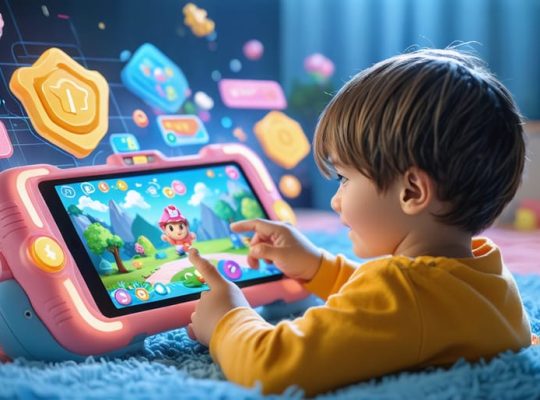
Traditional print textbooks can be dense, and it’s easy to feel lost in them. Interactive tools work differently. You can rotate a labeled 3D brain, watch a two-minute explainer, or test yourself with a quick quiz before moving on. Material arrives in small, friendly pieces, and you can return to it whenever you like.
If you’re a complete beginner, you’re in good company. Most parents, teachers, and even many clinicians started exactly where you are, curious and a little overwhelmed.
Key Buying Factors: What Makes an Online Neuroscience Textbook Worth Your Time
Accuracy, Expert Review, and Credibility
Start with the people behind the book. A trustworthy online neuroscience textbook names its authors and tells you what qualifies them, such as a background in neuroscience, psychology, pediatrics, or education. If you can’t find who wrote it, that’s worth pausing over.
Next, look for signs of editorial review. Does the resource mention that experts check its chapters before publication? Does it show when the material was last reviewed? A visible review process suggests someone is accountable for getting the science right.
Then check how claims are supported. Good resources point to peer-reviewed research, so you can trace a statement back to where it came from. You don’t need to read every study. Simply seeing a reference list tells you the authors are showing their work.
Finally, notice the tone around children. Brain science can describe patterns, but it can’t predict what will happen for any one child. Be cautious with anything that promises to “fix” behavior or claims a single brain region explains everything.
Many child psychologists share a similar view: families are often anxious and short on time, so they may act on whatever sounds confident. Reliable sources matter because a clear, honest explanation can build understanding, while an overstated one can quietly create worry or unrealistic expectations.
Interactive Features That Actually Help You Learn
Not every interactive feature earns its place. The ones that help most make you work with the material instead of just scrolling past it.
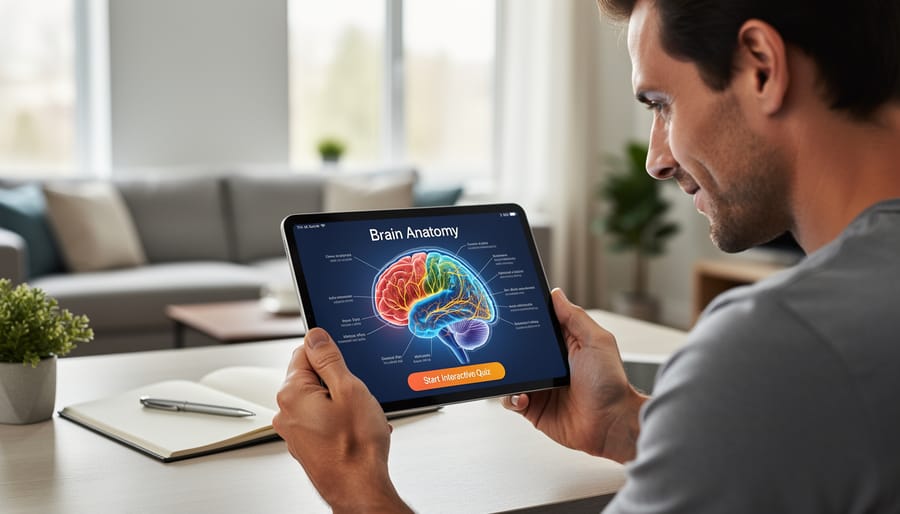
Self-check quizzes are a good example. Pulling an idea out of your memory strengthens it, which is why retrieval practice boosts retention far more than rereading. Look for quizzes that revisit earlier chapters after a few days, since spaced review keeps knowledge from fading.
Labeled or 3D brain diagrams let you see where the prefrontal cortex sits and how it connects to emotional centers, which makes abstract ideas easier to hold. Case scenarios, such as a child who melts down after school, help you apply the science to real moments. Short explainer clips can also help, and 2-minute neuroscience videos are a gentle way to get started. Progress tracking is a quiet bonus, because seeing how far you’ve come keeps you going.
A word of caution: flashy extras can’t replace clear writing. Even the most polished e-learning games won’t help if the explanations underneath are confusing. Judge a textbook by how well it teaches first, then enjoy the extras.
Types Compared: Open-Access, Subscription, and University-Style Online Textbooks
Not every online neuroscience textbook is built the same way, and the differences matter more than the logos on the cover. Most options fall into three families: open-access texts, subscription learning platforms, and university-style digital textbooks. Each one suits a different kind of reader.
| Type | Best for | Reading level | Interactivity | Cost model | Main trade-off |
|---|---|---|---|---|---|
| Open-access | Curious parents, budget-conscious teachers | Beginner to intermediate | Light (diagrams, sometimes self-checks) | Free to read | Less polish and fewer guided features |
| Subscription or app-based | Busy parents and classroom teachers | Beginner | High (quizzes, videos, 3D models) | Recurring fee | Ongoing cost and uneven expert review |
| University-style digital | Clinicians and serious learners | Advanced | Moderate (embedded questions, figures) | Purchase or course access | Dense, technical, and often pricey |
Free open-access textbooks are a wonderful starting point. They’re often written or reviewed by academics, and you can read as much or as little as you like without any commitment. The downside is that they can feel like a digital version of a print book, with fewer prompts to help you practice what you’ve learned.
Subscription and app-based platforms lean into the interactive side. Short lessons, self-check quizzes, and rotating 3D brain models make them easy to dip into during a lunch break or after bedtime. Teachers who want quick, classroom-friendly ideas often like this format. Some platforms also explore newer approaches, such as the AR effects for learning that make brain structures feel less abstract. Since quality varies widely, it’s worth checking who reviews the content before you pay.
University-level digital textbooks go the deepest. They usually include primary-source references and clinically relevant detail, which is exactly what a healthcare professional may want. For a first-time reader, though, they can feel like drinking from a fire hose, so there’s no shame in starting with something gentler.
A simple rule of thumb: match the depth to your goal, not your ambition. If you want to understand why your child melts down after school, a plain-language open-access chapter or an app-based module will likely serve you well. If you’re building clinical knowledge, a university-style text earns its higher price and steeper learning curve. Whichever you choose, try a free sample first and see whether it feels like a conversation or a lecture.
Recommendations: Matching a Textbook to Your Role and Goals
For Parents: Start Small and Stay Curious
If you’re a parent new to brain science, start with one short, plain-language module rather than a full course. Look for lessons that take ten or fifteen minutes and link straight to your daily life: why bedtime battles flare up when a child is overtired, what’s happening during a homework meltdown, or why big feelings can overwhelm a small child before words arrive.
Visual tools help most here. A labeled brain diagram or a short animated explainer can make the idea of an “emotional alarm system” click in a way paragraphs sometimes don’t. It’s also worth seeing how neuro knowledge transforms learning in practical, everyday terms.
Pick one topic that matches what you’re facing this week, try one idea, and notice what changes. Curiosity, not expertise, is the goal.
For Teachers and Childcare Providers: Look for Classroom-Ready Ideas

When you’re responsible for a whole room of children, you need brain science you can use on a Tuesday morning, not just understand in theory. Look for online neuroscience textbooks that move from “here’s how attention works” to “here’s what you might try at circle time.”
The most helpful ones connect research to everyday moments: how short, varied activities can support attention, why spaced practice helps memory stick, and how calm routines help children manage big feelings. Scenario-based examples are especially useful, such as a child who melts down during transitions or a group that can’t settle after recess.
Before you commit, check whether the strategies fit different ages and abilities. Brain science is a starting point, not a script, so choose resources that invite you to adapt ideas to the children in front of you.
For Healthcare Professionals: Depth, Citations, and Continuing Learning
If you work with children in a clinical setting, you’ll want a textbook that goes beyond plain-language explanation. Look for chapters that cite primary research, not just summaries of it, so you can trace a claim back to the original study and judge its quality yourself. Good texts also separate what is well established from what is still emerging, which matters when families ask you what the science can actually tell them.
Check for sections on development across the lifespan, stress and the nervous system, and the neurobiology behind common concerns like attention, anxiety, and mood. Clinically relevant case discussions help connect the mechanisms to what you see in practice.
Because research moves quickly, favor resources with clear revision dates and named expert reviewers. Treat any textbook as a foundation for continuing learning, one that points you toward journals, guidelines, and professional training rather than replacing them.
Mistakes to Avoid When Choosing an Online Neuroscience Textbook
Choosing a resource is a bit like choosing a pair of walking shoes: the fanciest option isn’t always the one that fits. A few common missteps are easy to sidestep once you know them, and nobody expects you to get it right on the first try.
Going too technical, too soon. A graduate-level text can leave you more confused than when you started. If the first chapter reads like a foreign language, it’s fine to set it down and look for something pitched at beginners.
Trusting sources with no named reviewers. If you can’t tell who wrote or checked the material, you can’t judge how reliable it is. Look for real credentials and clear citations.
Expecting brain science to diagnose or treat. Understanding how the prefrontal cortex develops can make a child’s behavior feel less mysterious, but it can’t tell you what’s going on for your particular child.
Mistaking interactivity for quality. Quizzes and 3D models are wonderful when they sit on top of clear explanations. A polished platform with thin content is still thin content.
Overlooking accessibility. Captions, readable fonts, screen-reader compatibility and adjustable pacing matter, especially if you’re learning alongside a child with different needs. Some families even find that a thoughtfully chosen blend of tools, including social media used right supports learning in ways that suit them.
Ignoring update dates. Neuroscience keeps moving, so check when a resource was last reviewed.
If something you read raises questions or worries about your child, reaching out to a qualified provider is always a good step.
Frequently Asked Questions About Online Neuroscience Textbooks
Most readers come to this guide with the same handful of worries. Here are straight, reassuring answers to the ones we hear most.
Do I need a science background to use an online neuroscience textbook?
No. Many resources are written for curious beginners and explain terms as they go. If a page leaves you lost in the first few paragraphs, it’s probably the wrong fit, not a sign you can’t learn this.
Are free textbooks reliable?
Many are, especially open-access texts with named authors and expert reviewers. Check for credentials, citations to peer-reviewed research, and a recent update date before you trust any resource, free or paid.
Can kids use these tools too?
Some can, particularly ones built around simple visuals, short videos, and basic brain diagrams. Preview anything first, and match the reading level to your child’s age so it feels like curiosity rather than homework.
How long does it take to learn the basics?
It varies, but a few short sessions a week can get you comfortable with core ideas like how emotions and memory work. Go at your own pace, since steady, small steps tend to stick better than long cram sessions.
Trustworthiness is the question worth coming back to, so here is a quick way to sort it out. Look for named experts, clear sourcing, and language that is honest about what science can and can’t say about children. And if you ever have concerns about a child’s wellbeing, a qualified professional is always the best next step. A textbook can build your understanding, but it can’t replace that kind of personal care.
The right online neuroscience textbook doesn’t turn you into a scientist. It helps you pause a little longer, respond a little more gently, and see a child’s behavior as communication rather than defiance. When you understand how young brains grow, big feelings start to make more sense, and patience comes more naturally.
You don’t need to master everything at once. Pick one small, credible, interactive resource, ideally one reviewed by named experts and written in plain language. Try a sample chapter or a free preview. Take a quiz, explore a brain model, watch a short video. If it clicks, keep going at your own pace.
And remember, learning alongside a child is itself an act of care. Every question you ask and every moment you spend trying to understand them tells a child they matter.
We’d love to have you keep exploring. Browse our other articles, and join our supportive community of parents, teachers, and professionals who are learning together.