
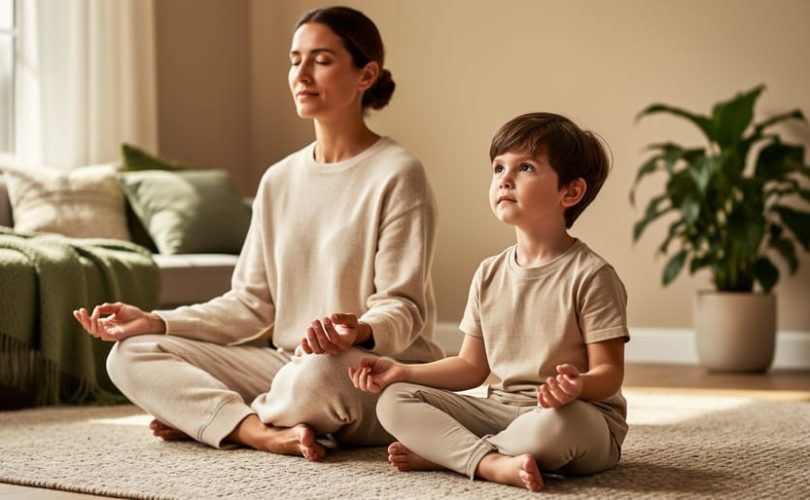
Guided mindfulness practices with children take just 3 to 5 minutes and require no special training or equipment. You can lead them effectively by following simple scripts, watching for a few clear signs that a child is engaged, and adjusting on the spot based on what you observe. The power lies not in perfection, but in consistency and your willingness to adapt each practice to the child in front of you.
If you’ve hesitated to try mindfulness because you’re not “qualified” or don’t meditate yourself, you’re not alone. Many parents and teachers worry they’ll do it wrong or that a child will become upset. The truth is, guided mindfulness is remarkably forgiving. Children respond to your calm presence and gentle guidance far more than technical precision. When you use age-appropriate language, keep sessions short, and offer simple focus points like breathing or listening, most children settle into the practice naturally.
Dr. Elena Martinez, a developmental psychologist specializing in childhood anxiety, often reminds educators that “the adult’s role is to guide, not perform. You’re creating a safe space for exploration, not delivering a flawless meditation.” That reframing helps. You’re not expected to be a mindfulness expert. You’re simply offering a child a few minutes to pause, notice, and settle.
The adaptive piece matters because no two children arrive at mindfulness the same way. One child may love focusing on breath, while another finds it anxiety-inducing. Some need movement, others stillness. This guide walks you through preparing your space, leading core practices step-by-step, recognizing when a child is benefiting or struggling, and troubleshooting common challenges. You’ll finish with practical skills you can use tomorrow.
What You’ll Need to Get Started
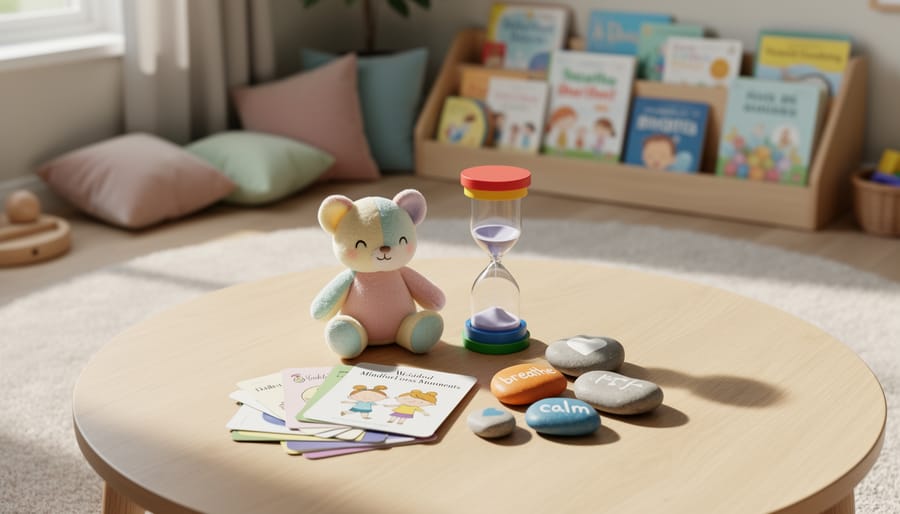
You don’t need fancy equipment or a meditation retreat to guide children through mindfulness. The most important thing you bring to this practice is your own calm presence, children pick up on your energy and follow your lead. Start with what you already have, and keep it simple.
Essential Materials and Setup
Here’s what helps create an effective mindfulness practice with children:
- A quiet space where you won’t be interrupted, even a corner of a room works
- Comfortable seating (cushions, yoga mats, or just carpet) where children can sit or lie down
- A simple timer or bell to signal practice transitions without being jarring
- Age-appropriate “breathing buddies” (small stuffed animals children can place on their bellies)
- Optional: soft background sounds like gentle rain or instrumental music
- For classrooms: a visual signal like a special cushion or calm corner sign
The space doesn’t need to be perfectly silent or isolated. What matters is creating a predictable environment where children know what to expect. A designated spot, whether it’s a cozy corner at home or a calm area in the classroom, helps signal that mindfulness time is beginning.
Digital Resources Worth Exploring
Mindfulness apps designed for children can be helpful guides when you’re starting out. Apps like Headspace for Kids or Smiling Mind offer age-specific sessions with friendly voices and engaging imagery. Short guided videos (3-5 minutes) work well for visual learners. However, screen-based tools are aids, not replacements for your presence, the relationship you build during practice matters more than any app.
Keep your toolkit minimal at first. You can always add specialized resources later as you discover what resonates with each child.
When to Pause: Important Safety and Readiness Considerations
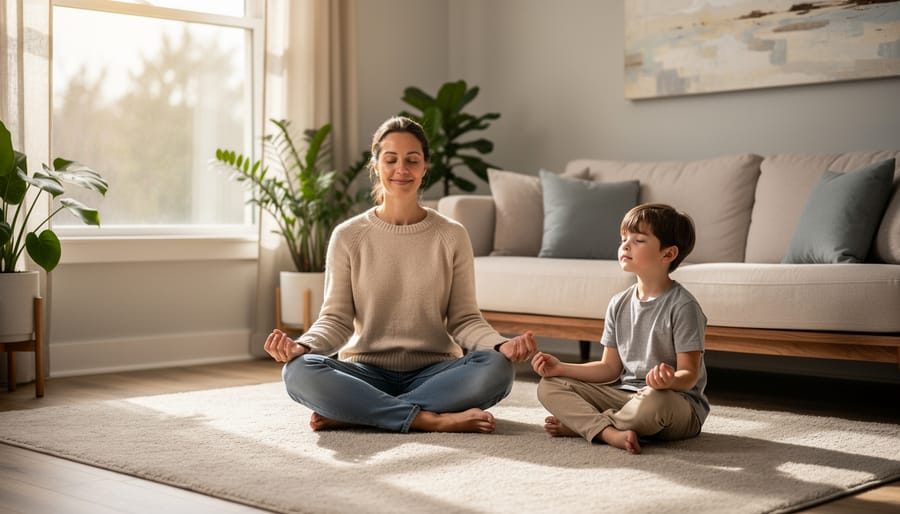
Mindfulness can be deeply beneficial, but it isn’t right for every child in every moment. Before you begin any practice, watch for signs that a child may not be ready or that the approach needs adjustment.
If a child has experienced trauma, mindfulness can sometimes trigger distressing memories or sensations. Trauma-informed practice means giving children control, never insisting they close their eyes, and allowing them to stop at any point without explanation. Watch for signs of dissociation, a glazed look, sudden stillness, or emotional withdrawal. If you notice these, gently redirect to a grounding activity like naming objects they can see or feeling their feet on the floor.
Some medical conditions require consultation with healthcare providers before introducing mindfulness. Children with certain types of epilepsy, dissociative disorders, or severe anxiety may need modified approaches. When in doubt, check with the child’s doctor or therapist.
Neurodivergent children often benefit enormously from mindfulness, but they may need different entry points. A child with ADHD might do better with movement-based practices than seated breathing. Autistic children may prefer concrete, sensory-focused activities over abstract visualization. Inclusive neurodiversity approaches recognize that adapting the practice isn’t diluting it, it’s making it accessible. Research on mindfulness for autism shows that modifications like shorter sessions, visual supports, and sensory tools often lead to better outcomes.
Trust your instincts. If a child consistently resists or seems more agitated after practice, pause and reassess. Mindfulness should feel safe and supportive, not like another demand on an already overwhelmed child.
Step-by-Step: Leading a Child Through Guided Mindfulness
Step 1: Create a Calm, Predictable Space
Children need to know what’s coming. Before you begin any mindfulness practice, choose a consistent spot, a quiet corner at home, a designated area in the classroom, or even just a specific rug or cushion. Familiarity reduces anxiety and helps children transition into a mindful state more easily.
Minimize distractions: turn off screens, dim harsh lighting if possible, and let others know you need a few uninterrupted minutes. In classrooms, a visual cue works well, lighting a battery-operated candle, ringing a small chime, or displaying a “mindfulness in progress” sign tells children it’s time to settle.
Consistency matters more than perfection. If you practice mindfulness at roughly the same time each day, children begin to anticipate it. Morning sessions can set a calm tone for the day; afternoon practices help reset energy. Even using the same phrase to start, “Let’s take three slow breaths together”, becomes a comforting ritual.
At home, involve your child in creating the space. Let them choose a cushion or stuffed animal to hold. In classrooms, assign mindfulness monitors who help prepare the area. When children feel ownership, they engage more readily.
Step 2: Start with Age-Appropriate Grounding
The key to effective grounding is meeting children exactly where they are developmentally. What calms a teenager won’t work for a preschooler, and forcing age-inappropriate techniques creates frustration rather than focus.
For ages 3-5use concrete, playful language. Try “belly breathing” by having them place a small stuffed animal on their stomach and watch it rise and fall: “Let’s give your teddy a gentle ride up and down.” You might guide them to squeeze their hands into tight balls, then release, “Make your hands into little rocks, now let them melt like ice cream.” Keep it to 30-60 seconds.
Ages 6-10 respond well to simple metaphors. “Imagine breathing in like you’re smelling your favorite flower, then blowing out like you’re cooling hot soup.” A brief body scan works here: “Notice if your shoulders feel tight or loose. You don’t need to change anything, just notice.” Two to three minutes is plenty.
For ages 11+you can introduce more awareness: “Take three slow breaths, noticing where you feel the air moving, your nose, chest, or belly.” Invite them to mentally scan from head to toes, acknowledging sensations without judgment.
Watch each child’s response and adjust immediately if they seem restless or uncomfortable.
Step 3: Guide the Core Practice
Now you’ll lead the main mindfulness activity. Choose one simple practice that matches your child’s age and attention span. For younger children (ages 4-7), keep sessions to 3-5 minutes. Older children (ages 8-12) can often manage 7-10 minutes.
Breathing practices work well for most children. Try “balloon breathing”, ask them to imagine their belly is a balloon, breathing in to fill it up and out to let the air go slowly. Count together: “In for three, out for four.” You can place a small stuffed animal on their belly so they can watch it rise and fall.
Visualization helps anxious or restless children. Guide them through a calm scene: “Imagine you’re lying on soft grass, watching clouds drift by. Each cloud carries a thought. You don’t need to grab it, just watch it float away.” Use a gentle, steady voice and pause between phrases.
Sensory exploration engages kinesthetic learners. Pass around a small object like a smooth stone or a piece of fabric. Ask: “What does it feel like? Is it warm or cool? Heavy or light?” This anchors wandering minds in the present moment.
Keep your language simple and concrete. If you notice a child struggling, it’s fine to shorten the practice or switch to another technique mid-session.
Step 4: Gently Transition Back
The end of a mindfulness practice matters just as much as the beginning. Rather than abruptly stopping, give children a gentle bridge back to their day. Start by slowing your voice and gradually increasing volume: “In a moment, we’ll open our eyes and return to our classroom.” Count slowly from one to five, inviting small movements, wiggling fingers, stretching arms, at three or four.
Ask a simple, open question: “What do you notice about how your body feels right now?” Some children will share eagerly; others prefer silence. Both responses are fine. Avoid immediately launching into the next activity. Build in 30 to 60 seconds of quiet transition time.
For children who struggle with endings, try a predictable closing ritual, ringing a small bell, placing hands over heart, or saying a short phrase together. Visual timers help anxious children see the transition coming. If a child appears drowsy or disoriented, encourage gentle movement like walking in place before resuming activities. Never rush this phase, especially with younger children who need more time to shift gears.
Step 5: Reflect and Adapt
After each session, take a moment to notice what seemed to help and what didn’t. Did your child lean into the breathing exercise or fidget through it? Did they prefer the visualization or the body scan? You don’t need formal assessments, just mental notes or a quick sentence in your phone: “Loved the bubble breathing today” or “Got restless after five minutes.”
When appropriate, ask your child what they noticed. Simple questions work best: “What part felt good?” or “Was anything confusing?” Their answers reveal which practices build emotional intelligence and which need tweaking. A child who says “I liked the quiet” might benefit from longer silent pauses, while one who says “It was boring” may need more movement or imagery.
Use these observations to adjust your next session. Shorten practices that lose their attention, repeat favorites, try new techniques when energy shifts. Mindfulness grows through gentle experimentation, not rigid repetition.
Adapting Practices to Each Child’s Learning Style
No child experiences mindfulness the same way, which is why adapting your approach isn’t optional, it’s what makes the practice genuinely helpful. A visual learner may thrive with guided imagery or watching a peaceful glitter jar settle, while an auditory learner responds better to listening to calming sounds or following a spoken breathing rhythm. Kinesthetic learners often need movement-based practices like mindful stretching, walking meditation, or squeezing and releasing a soft object in rhythm with their breath.
For children with ADHD, shorter sessions work better than prolonged stillness. Try three-minute practices with clear start and end signals, incorporate gentle movement like tracing fingers along their arm while breathing, or use a visual timer they can watch count down. Children with anxiety often benefit from grounding techniques that redirect attention to safe, concrete sensations, feeling their feet on the floor, noticing five things they can see, or holding a smooth stone. Don’t push them to “relax”; instead, guide them to simply notice without judgment.
Autistic children may need predictable routines, advance notice before mindfulness time, and explicit permission to keep their eyes open or move slightly during practices. Avoid metaphors that confuse literal thinkers, instead of “imagine your thoughts are clouds,” try “notice when a thought comes into your mind, then let your attention go back to your breathing.” Some autistic children find deep pressure calming, so weighted lap pads or self-hugs can support their practice.
Developmental stage matters as much as individual differences. Preschoolers need playful, sensory-focused activities lasting two to three minutes. Elementary-aged children can handle five to seven minutes and respond well to storytelling woven into visualization. Teens often appreciate understanding the science behind mindfulness and connecting practices to real goals like sports performance or test anxiety, linking it to the 5 EI components can help them see practical benefits.
Cultural background shapes how children perceive stillness, introspection, and emotional expression. Some families view quiet reflection as natural; others see it as unfamiliar or uncomfortable. When introducing mindfulness in diverse settings, frame it in culturally relevant ways, invite family input on what feels appropriate, and remain open to adapting language and imagery to match children’s lived experiences.
How to Tell If It’s Working (And What to Do If It Isn’t)

Look for subtle shifts rather than dramatic transformations. Most children won’t announce “I’m more mindful now,” but you’ll notice small changes in how they handle difficult moments.
Positive signs typically emerge over several weeks and include:
- The child pauses before reacting when upset, even briefly
- They can name their emotions more accurately (“I’m frustrated” instead of just “I’m mad”)
- Recovery time after meltdowns or disappointments shortens
- They reference the practices independently (“I need to do my breathing”)
- Focus during homework or classroom tasks gradually improves
- They show more awareness of body sensations (“My tummy feels tight when I’m nervous”)
Remember that EI isn’t fixed and mindfulness skills develop at different rates for different children. Some show progress within two weeks; others need two months of consistent practice.
If you’re not seeing any change after six to eight weeks, first check your consistency. Are you practicing at least three times weekly? Is the timing predictable? Sometimes the issue is simply that sessions are too sporadic for skills to take root.
Next, consider whether the practice matches the child’s developmental level and learning style. A visualization that works beautifully for one seven-year-old might bore or confuse another. Try switching modalities, if you’ve focused on breathing, experiment with movement-based practices or sensory activities.
When a child actively resists or becomes more dysregulated during mindfulness, stop and reassess. This may signal that the approach feels unsafe, the timing is wrong, or underlying issues need professional attention. Consult a child psychologist or counselor if resistance persists, if the child’s distress increases, or if you suspect trauma that requires specialized support before mindfulness can help.
Common Questions Parents and Educators Ask
How long before we see results?
Most children show small improvements in self-regulation within 2-4 weeks of consistent practice, though meaningful changes often take 6-8 weeks. You might notice subtle shifts first, a child pausing before reacting or asking to practice when stressed.
What if my child refuses to participate?
Never force mindfulness. Instead, model the practice yourself, keep invitations light and playful, or try different approaches like movement-based mindfulness or shorter sessions. Some children need time to observe before joining in.
Can mindfulness replace therapy?
No. Mindfulness is a valuable support tool, but it doesn’t replace professional mental health care for children dealing with trauma, anxiety disorders, depression, or other clinical concerns. Think of it as complementary, not a substitute.
How often should we practice?
Brief daily sessions (5-10 minutes) work better than longer weekly practices. Consistency matters more than duration, and integrating mindful moments throughout the day, before transitions, during meals, can be just as valuable as formal sessions.
Is mindfulness appropriate for very young children?
Yes, but adapt your expectations. Preschoolers can handle 2-3 minutes of simple practices like belly breathing with a stuffed animal or noticing sounds. Their attention spans are naturally short, and fidgeting doesn’t mean failure.
What if I don’t feel qualified to teach mindfulness?
You don’t need certification to guide children through basic practices. Your calm presence and willingness to learn alongside them matters more than expertise. Start with simple techniques, use guided audio resources, and remember that being imperfect is part of modeling mindfulness authentically.
Beyond these common questions, many parents worry about doing it “wrong” or causing harm. The truth is that approaching mindfulness with gentle curiosity, respect for each child’s readiness, and attention to their responses keeps the practice safe. You’re not expected to have all the answers or create perfect conditions. Children are remarkably forgiving of our missteps when we show up with genuine care.
If you’re working with a child who has experienced trauma or has complex needs, consult with their therapist or counselor before introducing mindfulness. Some children need modified approaches or professional guidance to ensure practices feel safe rather than triggering. This isn’t a sign that mindfulness won’t help, it just means the child deserves thoughtful, individualized support.
Moving Forward with Confidence
You don’t need to be perfect at this. The most effective mindfulness practice is the one you’ll actually do consistently, even if it’s just three minutes before bedtime or a quick grounding exercise when emotions run high.
Start with one simple technique that feels manageable. Maybe it’s teaching belly breathing with a stuffed animal, or doing a brief body scan together. As you gain confidence, you’ll naturally discover what resonates with each child in your care.
Remember that you’re learning alongside the children. Your own calm presence matters more than flawless execution. When you stumble over words or lose focus yourself, it’s a powerful modeling opportunity, showing kids that mindfulness is a practice, not a performance.
If you’re feeling uncertain or a child isn’t responding as expected, reach out. School counselors, pediatricians, and child therapists can offer personalized guidance. Many communities have mindfulness instructors who specialize in working with children and can provide additional training.
The children you’re supporting will benefit not just from the techniques you teach, but from your willingness to meet them where they are and adapt to their needs. That compassionate flexibility is the heart of both mindfulness and effective teaching.