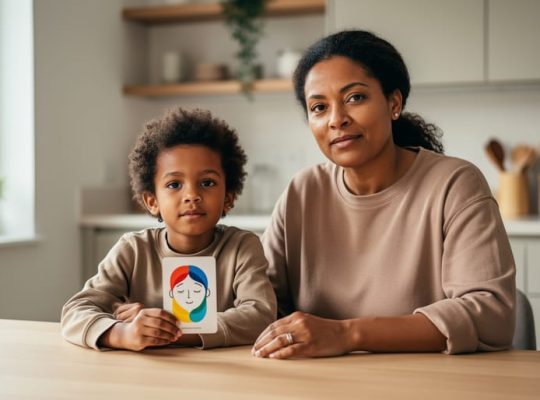

A digital wellbeing app is a software tool designed to monitor, limit, and manage screen time and online activities, often with features that track app usage, set time boundaries, filter content, and provide insights into digital habits. These apps have become increasingly common as families grapple with the mental health impacts of constant connectivity, but whether you actually need one depends entirely on your child’s relationship with technology and your family’s specific challenges.
The short answer? Digital wellbeing apps are necessary when a child shows signs of compulsive device use, when screen time conflicts with sleep or homework, or when you need concrete data to understand usage patterns. They’re not necessary for every family, especially those who’ve successfully established healthy tech boundaries without them. The real question isn’t whether these tools are universally essential, but whether they solve a problem you’re currently facing.
Many parents download these apps hoping for a quick fix, only to discover that technology alone can’t replace conversation, modeling, and clear family agreements about device use. Yet for families struggling with constant battles over phones or tablets, these tools can provide the structure and visibility needed to make real progress. They work best as part of a broader approach that includes digital advocacy tools and open communication about why limits matter.
This guide will walk you through what these apps actually do, when they become truly necessary versus merely helpful, and how to choose one that fits your family’s needs without adding unnecessary complexity to your parenting toolkit.
What Digital Wellbeing Apps Are (and How They Work)
Digital wellbeing apps are software tools designed to help parents and children monitor, understand, and regulate how much time kids spend on screens and which apps they use most. These tools range from simple screen time trackers built into phones and tablets to comprehensive platforms that also monitor mood patterns, sleep quality, and potential mental health warning signs.
At their core, these apps serve a straightforward purpose: giving families visibility into digital habits that otherwise happen invisibly. A child might not realize they’ve spent three hours scrolling social media after school, but a digital wellbeing app captures that data and presents it in a way both parent and child can see and discuss.
- Digital Wellbeing
- A balanced, healthy relationship with technology that supports rather than harms mental and physical health. For children, this means screen use that doesn’t interfere with sleep, relationships, schoolwork, or emotional development.
- Screen Time Management
- Setting limits on how long children can use devices or specific apps each day. Most digital wellbeing tools allow parents to schedule downtime, block apps during homework or bedtime, and set daily usage caps.
- Usage Monitoring
- Tracking which apps children open, how long they spend in each one, and when usage happens throughout the day. This creates a detailed picture of digital habits without requiring constant parental oversight.
- Digital Boundaries
- Rules and limits families establish around technology use, such as no phones at dinner or screens off an hour before bed. Digital wellbeing apps help enforce these boundaries consistently.
Most apps work through a combination of tracking, alerts, and controls. The tracking component runs quietly in the background, logging app opens, screen-on time, and sometimes content interactions. When usage approaches a set limit or happens during a restricted time, the app sends alerts to parents, children, or both. Some tools then automatically restrict access, while others simply notify and trust the child to self-regulate.
Reports typically arrive daily or weekly, showing usage trends over time. Parents can spot patterns like midnight social media sessions or gaming marathons that coincide with mood changes. More advanced platforms ask children to check in about their feelings or track sleep, connecting digital habits to wellbeing outcomes in real time.
Types of Digital Wellbeing Tools for Children
Digital wellbeing tools come in several distinct flavors, each designed to address different aspects of children’s digital lives. Understanding these categories helps you identify which approach best fits your family’s specific needs and concerns.
Screen Time Monitors and App Limiters
These foundational tools track how much time your child spends on devices and specific applications. They generate reports showing usage patterns and allow you to set daily limits. Some send warnings when time is running out, while others lock apps automatically. The primary function is visibility, many parents are genuinely surprised to discover their child is spending three hours daily on TikTok or gaming apps.
Parental Control Apps
These go beyond simple time tracking to actively manage what children can access. They filter inappropriate content, block specific websites or app categories, and often include location tracking features. While they overlap with screen time tools, parental control apps emphasize restriction and safety rather than just monitoring. They’re particularly useful for younger children who need clear boundaries around online exploration.
Mental Health and Mindfulness Apps
This category focuses directly on emotional wellbeing rather than limiting device use. They offer guided meditation, breathing exercises, mood tracking, cognitive behavioral therapy techniques, and sometimes connection to licensed therapists. Some emerging virtual reality tools in this space create immersive environments for anxiety management and emotional skill building. These apps work best when children engage willingly rather than feeling forced.
Comprehensive Digital Wellbeing Platforms
The most sophisticated tools combine multiple approaches into integrated systems. They might track screen time while also offering parent-child communication features, educational content about digital citizenship, and customizable family agreements about tech use. These platforms recognize that healthy digital habits require more than restriction, they need conversation, education, and shared values.
The main categories include:
- Screen time trackers that monitor device and app usage patterns
- Parental control systems that filter content and restrict access
- Mental health apps offering therapeutic exercises and mood support
- Comprehensive platforms combining monitoring, education, and family communication
Each approach reflects different philosophies about children’s digital lives. Some families need the firm boundaries that parental controls provide, while others benefit more from the self-awareness that comes with tracking and mindfulness tools. Your child’s age, maturity level, and specific challenges should guide which category makes the most sense for your situation.
How Digital Wellbeing Apps Are Used in Supporting Child Mental Health

Digital wellbeing apps serve multiple practical purposes in supporting children’s mental health, though their effectiveness depends on how families integrate them into daily life. The most common application is helping parents establish and maintain healthy boundaries around device usage. These apps let you set time limits for specific apps or categories, schedule tech-free periods (like during homework or meals), and create automatic wind-down routines before bed. For a 12-year-old struggling to put down her phone at night, an app might gradually dim notifications starting at 8 PM and lock entertainment apps at 9 PM, giving her brain the chance to prepare for sleep without requiring constant parental enforcement.
Another valuable use is pattern identification. Many parents notice their child seems more anxious or irritable but can’t pinpoint why. Usage reports can reveal that your son spends three hours daily on social media platforms known to increase comparison anxiety, or that your daughter’s mood dips correlate with late-night gaming sessions. One mother discovered her 14-year-old’s Sunday evening anxiety attacks happened because he spent those afternoons doom-scrolling news and political content. The data didn’t solve the problem, but it gave them something concrete to address together.
Sleep hygiene represents one of the clearest mental health benefits. Apps can enforce device-free bedroom rules by locking phones at bedtime or tracking whether your child is using screens when they should be sleeping. Poor sleep directly impacts mood regulation, concentration, and anxiety levels in developing brains.
These tools also help reduce exposure to known anxiety triggers. If your teen uses Instagram primarily to follow fitness influencers who make her feel inadequate, you can work together to set limits on that specific app while leaving communication apps unrestricted. This targeted approach respects her autonomy while protecting her wellbeing.
Finally, many families use these apps to create and monitor family tech agreements. Rather than being purely restrictive, you can collaboratively set goals, earn screen time through positive behaviors, and review progress together weekly. This shifts the conversation from punishment to partnership.

When a Digital Wellbeing App Is Necessary
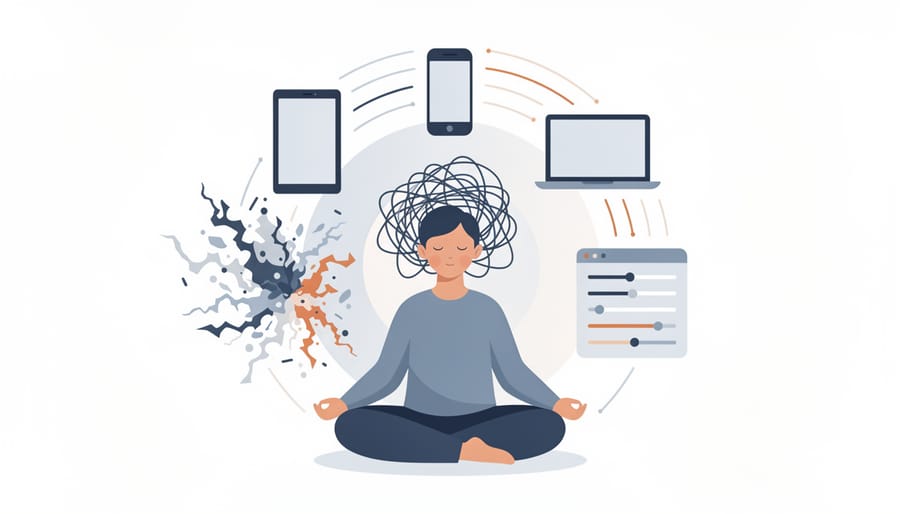
There are times when a digital wellbeing app shifts from helpful option to genuine necessity. If your child shows signs they can’t control their device use, checking their phone constantly, becoming agitated when separated from screens, or neglecting schoolwork and friendships, structured monitoring becomes essential. These patterns often signal digital dependency that requires intervention beyond simple reminders.
Children with pre-existing mental health conditions particularly benefit from this support. Anxiety, depression, ADHD, and autism spectrum disorders can all be worsened by excessive or poorly-timed screen exposure. An app provides the concrete boundaries and visual feedback these children need when self-regulation feels overwhelming. Think of it as assistive technology for developing healthier habits.
Cyberbullying situations demand immediate action. When your child faces harassment through messaging apps or social media, visibility into their digital interactions isn’t invasive, it’s protective. The same applies if you’ve discovered concerning content in their search history or suspect contact with strangers online. Safety trumps privacy concerns in these scenarios.
Certain developmental stages require extra scaffolding. The transition to middle school, when peer pressure intensifies and phones become social currency, often marks a critical period. Children navigating neurodevelopmental challenges or recent trauma may also need structured digital support as part of their broader treatment plan. Clinicians sometimes recommend combining app-based monitoring with quick mental screenings to track whether digital habits correlate with symptom changes.
Finally, if family conversations about technology have completely broken down, if your child lies about usage, hides devices, or your attempts at limits trigger explosive conflict, an app can restart dialogue from a neutral starting point. The data removes arguments about “how much” and creates objective ground for rebuilding trust.
These situations share a common thread: the child’s wellbeing is demonstrably at risk without external structure.
When You Might Not Need One
Not every family needs a digital wellbeing app, and recognizing when you can skip one is just as important as knowing when to use one.
If your child already demonstrates healthy tech habits, putting their phone away at bedtime, finishing homework before gaming, and engaging in offline activities without prompting, an app might be unnecessary. When kids naturally balance screen time with other interests, adding monitoring software can feel like solving a problem that doesn’t exist.
Strong self-regulation skills also reduce the need for digital oversight. Some children and teens instinctively moderate their usage, notice when they’re spending too much time online, and adjust without intervention. Introducing an app in these cases might undermine their developing autonomy and send the message that you don’t trust their judgment.
Human connection often works better than technology for many families. Regular conversations about what your child is doing online, who they’re talking to, and how social media makes them feel can provide more meaningful insight than any dashboard. If your family already has open communication and established tech agreements that everyone respects, an app might add complexity without adding value.
There are also situations where digital wellbeing apps create more anxiety than they solve. Some children become hyperfocused on usage metrics, constantly checking how much screen time they have left. Others experience the monitoring as invasive or punitive, damaging trust rather than building healthier habits.
Remember that apps are tools, not solutions. If the underlying issue is connection, conversation, or family time, technology won’t fix it. Sometimes the answer to whether a digital wellbeing app is necessary is simply no, and that’s perfectly fine.
What to Look for in a Child-Focused Digital Wellbeing App
If you’ve decided an app makes sense for your family, choosing the right one requires looking beyond marketing promises. Start by checking whether the app is designed for your child’s age group, tools built for teenagers won’t work for younger children, who need simpler interfaces and different controls. Privacy protections matter tremendously here. Look for apps that don’t sell your child’s data, store information securely, and respect minor consent rights around what information is collected and shared.
The best apps offer features grounded in research rather than gimmicks. Seek tools developed with input from child psychologists or modeled after evidence-based treatments for managing screen time and anxiety. Vague claims about “boosting wellbeing” mean less than specific, testable features like guided bedtime routines or anxiety tracking tied to app usage.
- Age-appropriate design and content filters
- Clear privacy policy that doesn’t monetize children’s data
- Customizable settings you can adjust as your child grows
- Family-friendly interface both parent and child can navigate
- Features backed by child development research
- Options for collaborative goal-setting rather than just restrictions
Customization matters because every child is different. Rigid, one-size-fits-all controls often backfire. The app should let you adjust limits based on weekdays versus weekends, reward progress, and evolve as your child matures. A family-friendly interface means both you and your child can understand how it works without frustration.
Finally, consider whether the app supports your family’s values around technology. Does it encourage conversation or just impose limits? Can it help you work with your child rather than against them? The right tool feels like a partner in parenting, not a surveillance system.
Common Questions About Digital Wellbeing Apps for Kids
Are these apps actually necessary, or can we manage without them?
Many families manage digital wellness successfully through conversation and agreed-upon rules alone. Apps become necessary when existing approaches aren’t working, when screen time conflicts escalate, when you notice worrying behavior changes, or when a child needs extra structure due to ADHD, anxiety, or other challenges that make self-regulation harder.
Will my child just find ways around the controls?
Tech-savvy kids sometimes do find workarounds, but research shows that even imperfect monitoring creates helpful friction and opens conversations. The goal isn’t foolproof surveillance, it’s supporting your child in building healthier habits while they develop self-control.
What age should I start using a digital wellbeing app?
There’s no magic number, but most experts recommend starting when your child first gets their own device, typically between ages 8 and 12. Younger children need more active monitoring, while teens benefit from collaborative tools that respect growing autonomy rather than pure parental controls.
How do I introduce an app without destroying trust?
Frame it as a family wellness tool, not punishment. Involve your child in choosing the app and setting initial boundaries together, explain your specific concerns clearly, and be transparent about what you’ll monitor. Many parents find success by using family-wide tracking where everyone, including adults, participates.
Are free apps good enough, or do I need to pay?
Free versions often provide basic screen time tracking that’s sufficient for families with straightforward needs. Paid apps typically offer deeper insights, mental health symptom tracking, and better customization, worthwhile if you’re addressing specific concerns like social media anxiety or need detailed reports to share with a therapist.
Privacy worries are valid. Look for apps with clear data policies that don’t sell information to advertisers and let you control what gets collected. The best tools store data locally on your device or use encrypted cloud storage, and they’re upfront about exactly what they track. If an app’s privacy policy feels vague or overly complicated, that’s a red flag, especially for tools designed to protect children’s wellbeing.
So, is a digital wellbeing app necessary for your child’s mental health? The honest answer is: it depends entirely on your family.
For some children and situations, these apps become genuinely necessary tools. If your child shows signs of digital dependency, struggles with self-regulation around screens, faces cyberbullying, or has existing mental health concerns exacerbated by technology, a digital wellbeing app can provide structure and insight that’s hard to achieve otherwise. They’re particularly valuable when family conversations about tech have stalled or when you need concrete data to understand what’s really happening.
For other families, these apps simply aren’t necessary. If your child already demonstrates healthy tech habits, responds well to verbal boundaries, and you’ve built open communication around digital life, adding an app might create unnecessary friction. Trust your instincts about what your family actually needs.
What matters most is recognizing that digital wellbeing apps are tools, not magic solutions. They work best as part of a broader approach that includes honest conversations, clear family values around technology, and genuine connection with your child. An app can track screen time, but it can’t replace your presence, empathy, and willingness to understand your child’s digital world.
You know your child better than any app ever will. Whether you choose to use one or not, that judgment matters more than any expert recommendation. Make the decision that feels right for your family’s unique situation, and adjust as you go. That’s exactly what good parenting looks like.